

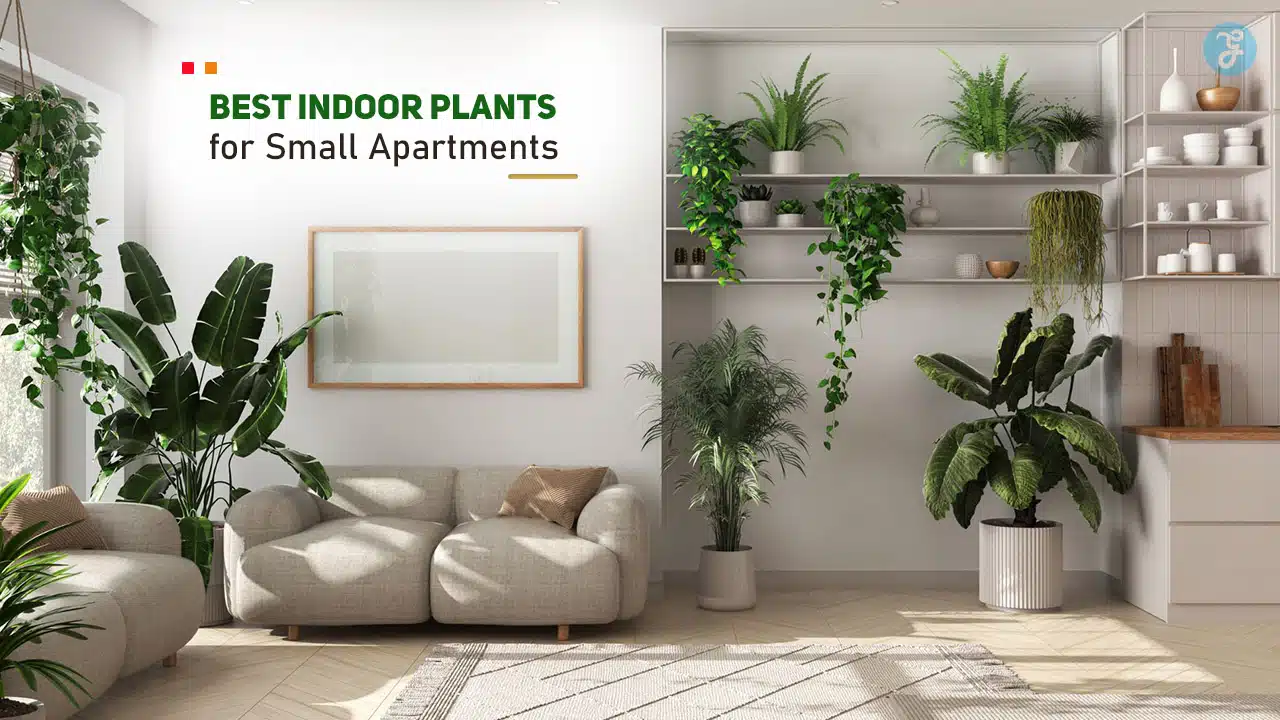
Living in a small apartment doesn’t mean you have to miss out on the joys of indoor plants. In fact, the right plants can enhance your space by purifying the air, boosting your mood, and adding a touch of nature to your home.
Choosing the perfect plants for compact spaces involves finding varieties that thrive indoors, require minimal maintenance, and fit seamlessly into smaller areas.
In this guide, we’ll explore the 5 best indoor plants for small apartments, detailing their care needs, benefits, and styling tips to help you create your very own urban jungle.
1. Snake Plant (Sansevieria)
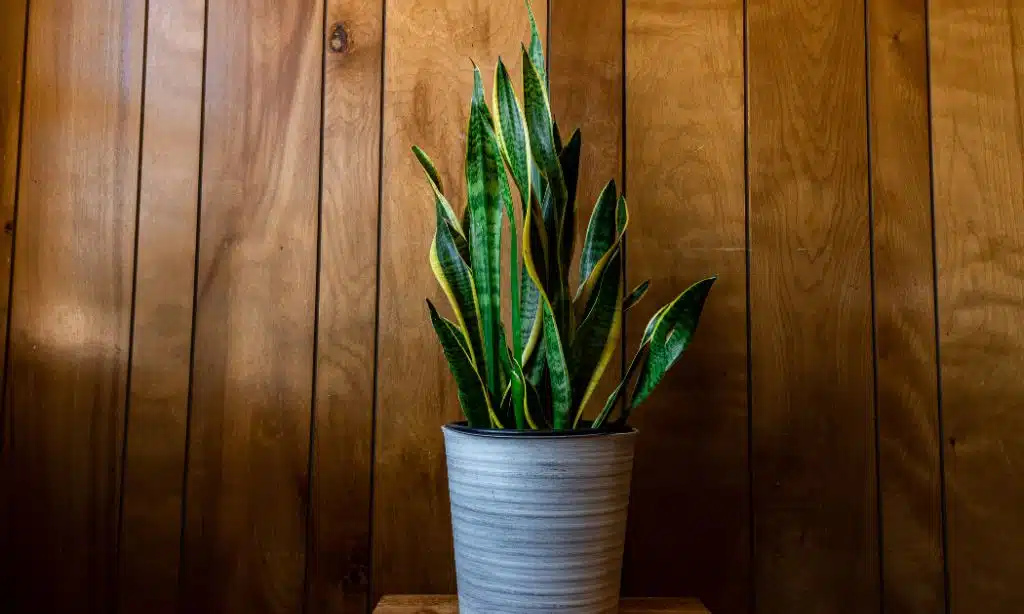
The snake plant, also known as “mother-in-law’s tongue,” is a hardy and low-maintenance plant ideal for small apartments. Its upright, sword-like leaves make it a perfect choice for vertical spaces, and it’s known for its ability to thrive in low light conditions.
Care Tips:
- Light: Tolerates low to bright indirect light but prefers moderate conditions.
- Water: Allow the soil to dry out between waterings. Overwatering can lead to root rot.
- Humidity: Thrives in standard indoor humidity levels.
- Placement: Place it in corners, on shelves, or in narrow spaces where floor space is limited.
Benefits:
Snake plants are excellent air purifiers, removing toxins like formaldehyde and benzene from the air. They release oxygen at night, making them a great addition to bedrooms.
Styling Ideas:
- Use sleek, minimalist pots to emphasize the plant’s architectural shape.
- Group snake plants with other small indoor plants for a layered look.
2. Pothos (Epipremnum Aureum)
Pothos, also known as “Devil’s Ivy,” is one of the most popular houseplants for small apartments due to its trailing vines and adaptable nature. This plant is incredibly forgiving, making it a great choice for beginners or busy individuals.
Care Tips:
- Light: Thrives in low to bright indirect light but avoids direct sunlight.
- Water: Water when the top inch of soil feels dry. It tolerates occasional neglect.
- Humidity: Enjoys normal indoor humidity levels but thrives with occasional misting.
- Placement: Ideal for hanging baskets, shelves, or trailing from high places.
Benefits:
Pothos plants are known for their air-purifying qualities and can help reduce indoor pollutants. They also add a lush, cascading look to your space without taking up much room.
Styling Ideas:
- Place pothos in macramé hangers for a boho-chic vibe.
- Let its vines drape down from shelves or bookcases for a natural, cascading effect.
3. Peace Lily (Spathiphyllum)
Peace lilies are elegant plants with glossy green leaves and stunning white flowers, making them a stylish addition to small apartments. Known for their air-purifying abilities, peace lilies are relatively low-maintenance and thrive in low-light environments.
Care Tips:
- Light: Prefers low to moderate indirect light; too much direct sunlight can scorch its leaves.
- Water: Keep the soil consistently moist but not soggy. Allow the top inch to dry out before watering again.
- Humidity: Thrives in higher humidity levels; consider misting during dry months.
- Placement: Perfect for desks, coffee tables, or small plant stands.
Benefits:
Peace lilies can remove toxins like carbon monoxide and benzene from the air, improving indoor air quality. Their calming appearance also adds a sense of serenity to your home.
Styling Ideas:
- Use decorative pots with textured finishes to enhance their aesthetic appeal.
- Place peace lilies in rooms like the bathroom or bedroom to create a spa-like atmosphere.
4. Spider Plant (Chlorophytum Comosum)
Spider plants are charming, hardy plants with arching leaves and small “spiderettes” that dangle like natural ornaments. They’re an excellent choice for small apartments due to their adaptability and compact size.
Care Tips:
- Light: Thrives in bright, indirect light but can tolerate lower light conditions.
- Water: Water when the soil is slightly dry. Avoid overwatering.
- Humidity: Prefers moderate humidity but adapts well to typical indoor conditions.
- Placement: Ideal for hanging baskets or as a tabletop centerpiece.
Benefits:
Spider plants are known for their ability to absorb indoor pollutants and release oxygen, making them great air purifiers. They’re also non-toxic to pets, making them a safe option for animal lovers.
Styling Ideas:
- Display spider plants in hanging pots to highlight their trailing “spiderettes.”
- Use brightly colored planters to contrast with the plant’s green-and-white striped leaves.
5. ZZ Plant (Zamioculcas Zamiifolia)
The ZZ plant is a striking, low-maintenance option with glossy, dark green leaves that add a touch of elegance to any space. It’s a slow grower, making it ideal for compact living areas.
Care Tips:
- Light: Thrives in low to bright indirect light but avoids direct sunlight.
- Water: Allow the soil to dry out completely between waterings.
- Humidity: Tolerates low humidity levels and adapts well to indoor environments.
- Placement: Great for corners, shelves, or as a statement piece on a console table.
Benefits:
ZZ plants are virtually indestructible, making them perfect for people with busy schedules. They also filter toxins from the air, contributing to a healthier living space.
Styling Ideas:
- Pair ZZ plants with modern, geometric planters for a contemporary look.
- Use them as focal points in minimalist spaces to add greenery without clutter.
Additional Tips for Small Apartment Gardening
Maximizing Space with Vertical Gardens
- Use wall-mounted planters or shelves to display multiple plants without taking up floor space.
- Create a tiered plant stand to add height and dimension to your collection.
Choosing Multi-Purpose Planters
- Opt for planters with built-in storage or self-watering features to save space and simplify care.
Rotating Plants for Even Growth
- Rotate your plants regularly to ensure even sunlight exposure, preventing uneven growth or leaning.
Using Plants as Functional Decor
- Place plants near windows to frame natural light beautifully.
- Use small plants as bookends or centerpiece arrangements.
Takeaway
Bringing greenery into your small apartment is easier than you think with the right plants. From the hardy snake plant to the elegant peace lily, these 5 best indoor plants for small apartments offer a blend of beauty, functionality, and low maintenance.
Not only do these plants purify the air and elevate your living space, but they also bring a sense of calm and connection to nature.
Start your indoor gardening journey today and transform your small apartment into a lush, inviting oasis!





















