

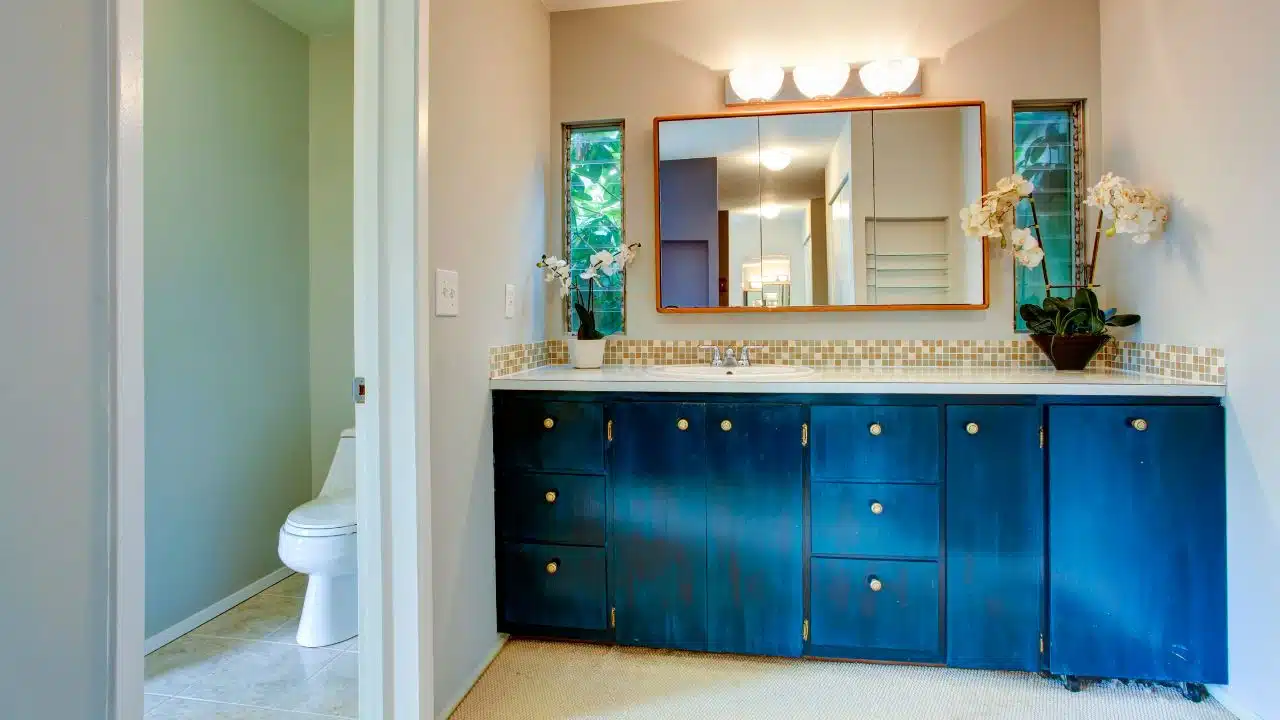
When designing or renovating a bathroom, one of the most essential elements to consider is the sink and its surrounding storage. A bathroom vanity serves as both a functional and aesthetic component, providing a balance of practicality and style.
Vanity cabinets, in particular, are a crucial part of this equation, offering storage solutions and housing for plumbing fixtures. This guide will explore the concept of bathroom vanity cabinets, their types, and how to choose the right one for your needs.
What Is a Vanity Cabinet?
A vanity cabinet is a built-in or freestanding structure designed to hold a bathroom sink while providing additional storage space. These cabinets often include drawers or shelves to store toiletries, towels, and other bathroom essentials. Vanity cabinets come in various sizes, materials, and styles, making them a versatile option for different bathroom layouts and design preferences.
Vanity vs. Vanity Cabinet
While the terms “vanity” and “vanity cabinet” are often used interchangeably, they are not the same thing.
- A vanity refers to the entire structure that includes the sink, countertop, and storage components.
- A vanity cabinet specifically denotes the storage unit that supports the sink and countertop.
Not all vanities come with cabinets. Some styles, such as pedestal sinks, feature a standalone basin without additional storage. Understanding this distinction helps homeowners and designers select the most suitable option based on functionality and aesthetics.
Types of Bathroom Vanities
Bathroom vanities come in various styles, each catering to different preferences and space requirements. Here are the most common types:
1. Cabinet-Style Vanities
These are traditional vanities that include a base cabinet, providing enclosed storage. They are available in various materials such as wood, MDF, or plywood, with different finishes and hardware options.
2. Built-In Floor-Mounted Vanities
These vanities are permanently installed against the wall and floor, offering stability and ample storage. They work well in spacious bathrooms where extra cabinetry is needed.
3. Freestanding Vanities
Freestanding vanities resemble furniture pieces and often feature decorative legs. They provide a classic look and can be moved if necessary, making them a flexible option.
4. Pedestal Sinks
Unlike traditional vanities, pedestal sinks consist of a single column supporting the sink without storage. They are ideal for small bathrooms where space is limited.
5. Floating or Wall-Mounted Vanities
Mounted directly to the wall, these vanities create a modern, minimalist look. They leave space underneath, making cleaning easier and giving the illusion of a larger bathroom.
6. Vessel Sink Vanities
These feature a bowl-like sink mounted on top of the countertop rather than being recessed. Vessel sink vanities offer a contemporary and stylish aesthetic.
7. Under-Mounted Sink Vanities
These vanities integrate the sink below the countertop surface, creating a seamless and easy-to-clean design. They are commonly found in modern and high-end bathrooms.
Differences Between Vanity Cabinets
Vanity cabinets vary in several ways, allowing homeowners and designers to choose based on their needs. Key differences include:
1. Sink Type
Vanity cabinets can accommodate different sink styles, including:
- Drop-in sinks: Installed into a hole in the countertop.
- Undermount sinks: Installed beneath the countertop for a sleek look.
- Vessel sinks: Placed on top of the vanity for a bold design statement.
2. Material Options
Vanity cabinets come in various materials, each offering different durability levels:
- Solid wood: Durable and timeless, but requires maintenance.
- MDF (Medium-Density Fiberboard): Budget-friendly with multiple finish options.
- Plywood: Moisture-resistant and long-lasting.
- Metal or glass: Modern but less common.
3. Design and Configuration
Vanity cabinets are available in multiple configurations:
- Single-sink vs. double-sink: Depending on bathroom size and user needs.
- Drawer vs. shelf storage: Drawers offer organized compartments, while shelves provide open storage.
- Custom vs. prefabricated: Custom vanities allow for personalization, while prefabricated models are budget-friendly.
Choosing the Right Vanity Cabinet
Selecting the best vanity cabinet depends on several factors:
- Bathroom size: Ensure the vanity fits comfortably without overcrowding the space.
- Storage needs: Consider how much storage is necessary for daily use.
- Plumbing layout: Some vanities require specific plumbing configurations.
- Style preference: Match the vanity with the overall bathroom decor.
- Budget: Prices vary based on materials and design complexity.
Frequently Asked Questions (FAQs)
1. What is the best material for a bathroom vanity cabinet?
The best material depends on your budget and bathroom conditions. Solid wood is durable, but MDF and plywood offer moisture resistance at a lower cost.
2. Can I install a vanity cabinet myself?
Yes, DIY installation is possible, but professional installation ensures proper plumbing and stability.
3. How do I maintain a bathroom vanity cabinet?
Regular cleaning with mild soap and water prevents moisture damage. Avoid harsh chemicals that can degrade finishes.
4. What size vanity do I need?
Measure your available space and consider user needs. A small bathroom may require a 24-inch vanity, while a master bath may accommodate a 60-inch double vanity.
5. Are floating vanities durable?
Yes, if properly installed. They are designed to hold weight but require sturdy wall support.
6. Do all vanities come with countertops?
No, some vanity cabinets are sold separately from countertops, allowing for customization.
7. What is the difference between a freestanding and built-in vanity?
Freestanding vanities can be moved and resemble furniture, while built-in vanities are permanently installed and offer more storage.
8. Can I customize my vanity cabinet?
Yes, many manufacturers offer custom options for size, material, and storage layout.
Conclusion
A bathroom vanity cabinet is a crucial element of any well-designed bathroom, offering both functionality and aesthetic appeal. Understanding the different types, materials, and configurations helps homeowners and designers make informed decisions. Whether you prefer a traditional cabinet-style vanity or a modern floating design, selecting the right vanity cabinet can enhance both the usability and appearance of your bathroom space.





















