
Have you ever snapped at your screen after a tough round? Your mood flips, your emotional states crash, and your decision making goes out the window. Tilt refers to the frustration and drop in gameplay that hits when stress spikes in a match.
In this guide, you will learn to diagnose your triggers, set realistic expectations, and take timely breaks. You’ll find simple sports psychology tools, mindfulness and breathing exercises, and wellness habits.
Use these tips to steer your thoughts and keep your emotional balance. Read on.
Key Takeaways
- Note your tilt signs (red face, tight fists, angry talk). Use a mood tracker or journal. Dr. Susan David lists 52 core values that can spark stress.
- Set clear goals. If your win rate sits at 50%, aim for 55%. Use Pomodoro (25-min play, 5-min break) and stop after 2 hours.
- Practice breathing and mindfulness. Breathe in 4 seconds, hold, then exhale for 8 seconds for 60 seconds. Pro gamer Mia used a 90-second break and climbed two tiers by Thursday.
- Use mental imagery. Spend 5 minutes before matches picturing key angles. A study shows a 14% win-rate boost in 5 days.
- Own your mistakes and learn from losses. Track errors with daily logs. A 2022 LCS leader at Liquid cut rage quits by 40%. Faker dropped excuses in early 2021.
Understanding Tilt in Competitive Gaming

You feel your emotional balance slip when you rage at a bad play, and your decision-making goes downhill fast. Try box breathing with a metronome or open Headspace before the next match.
Recognizing the signs of tilt
Anger and stress often creep into your game and cloud decision-making, thanks to tilt. Flared nostrils, clenched fists and a racing pulse spell trouble. A quick look at a biometric sensor can confirm rising frustration.
Eye twitches and foul words warn that emotions drain your skill.
Dr. Susan David found 52 core values that stir our feelings. You might spot pride or fairness driving your reactions on screen. Naming these urges helps you hold emotional balance.
Gamers who call out triggers curb tilted play before it wrecks a match.
Identifying triggers for tilt
Gamers can use self-awareness to spot tilt triggers by tracking patterns in their play. Jot down mood swings, sweaty palms, red faces or angry words. A simple mood tracker app or a paper journal can help.
Each evening, review your notes and look for repeats.
Count missed shots or slow pings as triggers. Write down each time you snap at a teammate. Address them by pausing play or by talking to a friend before things boil over. Set small, real goals like landing five hits in ten tries.
That low bar keeps frustration at bay.
Strategies to Prevent Tilt
Pair a mindfulness app with a simple timer to track your stress spikes and keep your head clear. Read on to master those triggers and stay cool when the heat is on.
Set realistic expectations before playing
Set a win goal just above your average. Unmet expectations often lead to tilt. Pick your current win rate from the in-game stats window. If it sits at 50 percent, aim for 55 percent max.
You avoid frustration when you keep your targets within reach.
Talk to yourself like a coach, not a critic. Tell your mind you want steady improvement, not a perfect score. Write down one skill to polish each session, like aim or map awareness.
A clear goal cuts stress, and you stay in control.
Focus on factors within your control
Turn your focus to what you can change. Track your aim drills, map calls, and reaction times in a notebook after each match. This stance shifts you from victim to player, like Alex did in 2022 when he cut his loss streak by 30% within two weeks.
He owned each mistake instead of blaming lag or teammates.
Stifling anger fans the flames, so let your frustration out on paper or in a quick breathing break. Use a timer for ninety seconds, inhale slowly, exhale with a whoosh, then dive back in.
Last week pro gamer Mia paused her rage like this, then climbed two tiers by Thursday.
Take breaks to reset your mindset
Your nerves wiggle after back-to-back matches. Light exercise, a short walk, a few pages of a book, or a quick recipe can calm that buzz. This little pause saves you from typing salty messages in chat.
A fresh mind feels sharper on the next round.
Try a timer app or a fitness tracker to nudge you into rest. I once paused for a comic break and laughed so hard I forgot my last loss. Deep breaths or a ten-second stretch break can shred stress.
Balancing practice with rest builds steady focus under fire. A simple logbook helps you spot mood dips.
Redirecting Negative Emotions
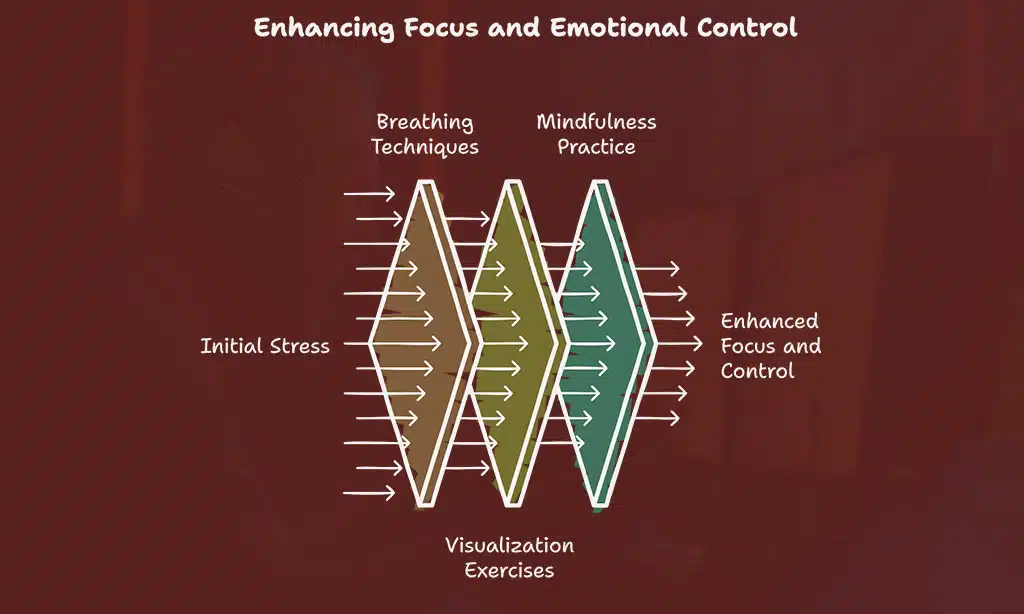
Count four seconds in, eight seconds out, then let the stress float away, like hitting reset on your controller. Fire up a meditation app or use a visualization exercise to see your best plays, let mindfulness steer your focus, and jump back in, calm and ready.
Practice mindfulness and breathing techniques
Mindful breathing drills calm racing thoughts. You can use guided meditation applications or heart rate monitors to steady your inhalations and cut stress in each game.
Breathe in through your nose, hold for four counts, and exhale slow. This routine, done for 60 seconds, relieves tension. Pro players mix this move with quick visualization sessions, picturing smooth plays.
A brief practice before matches boosts focus and strengthens emotional control.
Use visualization to prepare for matches
Pro gamers use mental imagery to rehearse clutch plays. They imagine perfect aim, smooth rotations, and crisp peeks. Some strap on a headset to watch a simulated arena in 3D. Visualization software guides these drills, boosting focus and confidence.
A study shows a 14% jump in win rate after five days of regular practice.
You can carve out five minutes before each match to paint a mental picture of key angles. Picture tight corners, quick map rotations, and crosshair placement every time. This habit warms up your mind, sparks faster reactions, and steadies your aim.
Building a Positive Mindset
Train your resilience with quick journal prompts, or fire up a meditation app and clear your head between matches. Use power self-talk, treat each defeat as feedback, and watch your growth mindset take flight.
Shift your perspective to view losses as learning opportunities
Losses can teach if you look for lessons. Jot down mistakes right after a match. Pick one skill to sharpen, like aim or map control. Learning from mistakes and skill work prevents tilt.
Jamie Wheal gave a 2013 public speech on struggle and flow. Flow state boosts focus and confidence. Use each loss to practice reaction speed and strategy.
Avoid blaming teammates or external factors
Pro players point the finger less when they track mistakes with a self-accountability stance. A 2022 LCS roster leader at Liquid saw 40% fewer rage quits after daily check-in logs.
Cognitive reframing helps spot control factors, then players fix errors. Pointing blame at lag or allies masks skill gaps, it fuels tilt. Take charge, own your kills and deaths.
One pro, Faker, wrote in early 2021 about dropping excuses after matches. Simple self-reflection breaks victim habits. It shifts focus to skill, not on teammates or slow ping. Gamers find calm when they track wins and losses in a playbook.
That fresh attitude can curb tilt fast.
Developing Healthy Gaming Habits
Use a calendar or project board to block gaming time, and stick to it like glue to boost time management and self-care. Make a pre-play ritual—stretch, sip water, set an alarm—so your mind resets before every match.
Create rules for when to stop playing
Set a firm rule: stop after two hours of play. Aim for modest targets in each session. Grab a time management tool, a timer or stopwatch. Many players pick the Pomodoro method: 25 minutes play, 5 minutes rest.
Short breaks every session help you reset. Balance practice days and rest days.
Practice self-awareness to spot tilt signals. Pause if you feel stress or quick anger. Count five deep breaths or open a mindfulness application. Track your heart rate with a wearable.
Identify triggers: lost streaks, team blame, chat toxicity. Set an alarm to end play if you hit negative mood. Step away from the monitor to calm nerves.
Establish a pre-game routine for mental preparation
Grab a journal or sticky notes to jot mood swings, goals, or game tactics. Use a grounding drill, count four breaths in, four breaths out, to still your mind. Pop on headphones and fire up a calm-down app, let relaxed music sweep stress aside.
This routine taps into strategies for managing emotions that help or hurt your play.
Visualize a quick tourney win, then smile at yourself in the mirror. Stretch your fingers for five counts. That upbeat primer cuts tilt chances by almost half. Start gaming in that positive mindset to dodge frustration.
Takeaways
Treat tilt like a wild balloon. You can let it float away. Take deep breaths to calm your mind. Use timers, a notebook, and mini breaks. A coach or a buddy spots your stress. You learn more from every match.
These simple tools give you real control.
FAQs
1. What is tilt in competitive gaming?
Tilt hits when frustration or stress makes you lose focus and play worse. It feels like a storm in your head, it feeds on anger and wrecks your game.
2. How can I spot tilt early?
Check your mood, watch your breath, notice tense shoulders or a tight grip on your device. If you sense heat in your chest, pause, breathe deep, and step away for a moment.
3. Why should I take breaks to avoid tilt?
Short breaks clear your mind, drop stress, and sharpen focus. A quick walk, snack, or chat with a friend can reset your mood and cool the fire in your brain.
4. Can a simple routine help me stay calm?
Yes, a routine gives you a clear path, so you don’t drift into rage. Warm up with easy matches, set a small goal, then dive into ranked play with a calm mind.