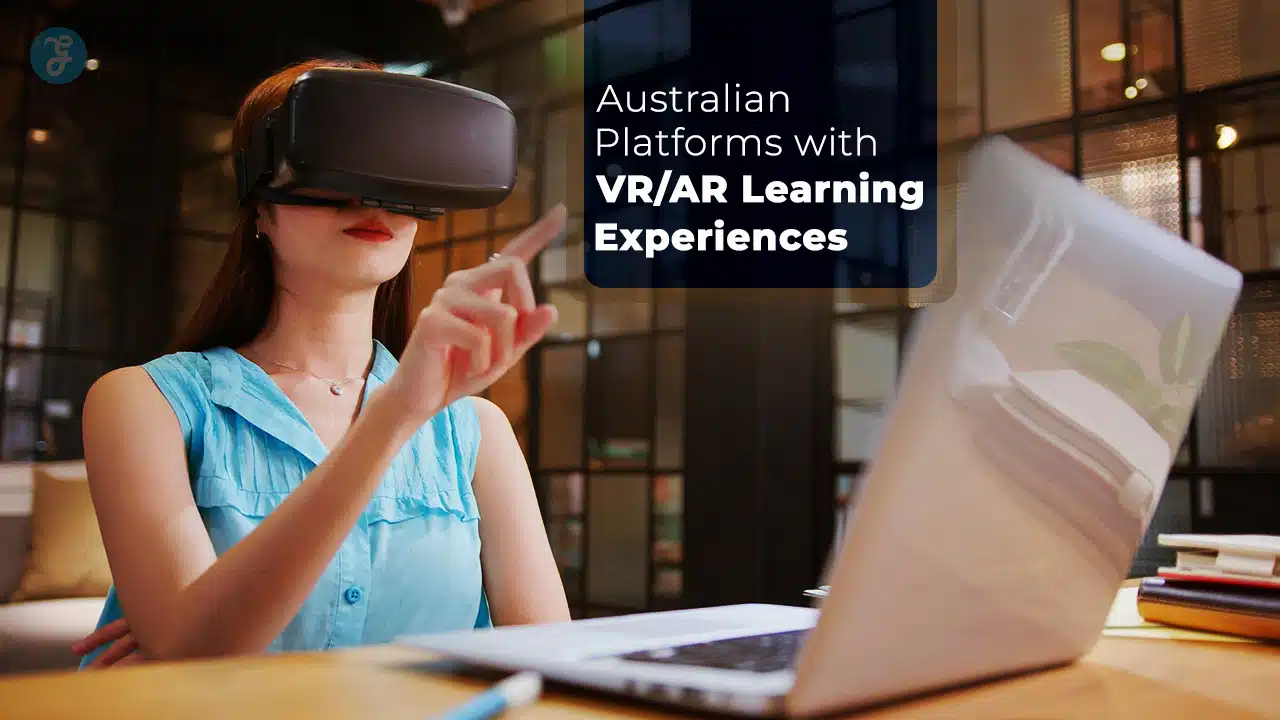
The world of education is rapidly evolving, and with it comes the innovative integration of immersive technologies like Virtual Reality (VR) and Augmented Reality (AR).
In Australia, numerous platforms are harnessing the potential of VR/AR to revolutionize learning, offering students and professionals alike an engaging, hands-on experience that was previously unimaginable.
This article explores 7 Australian Platforms with VR/AR Learning Experiences that are shaping the future of education across various sectors.
Introduction to VR/AR Learning in Australia
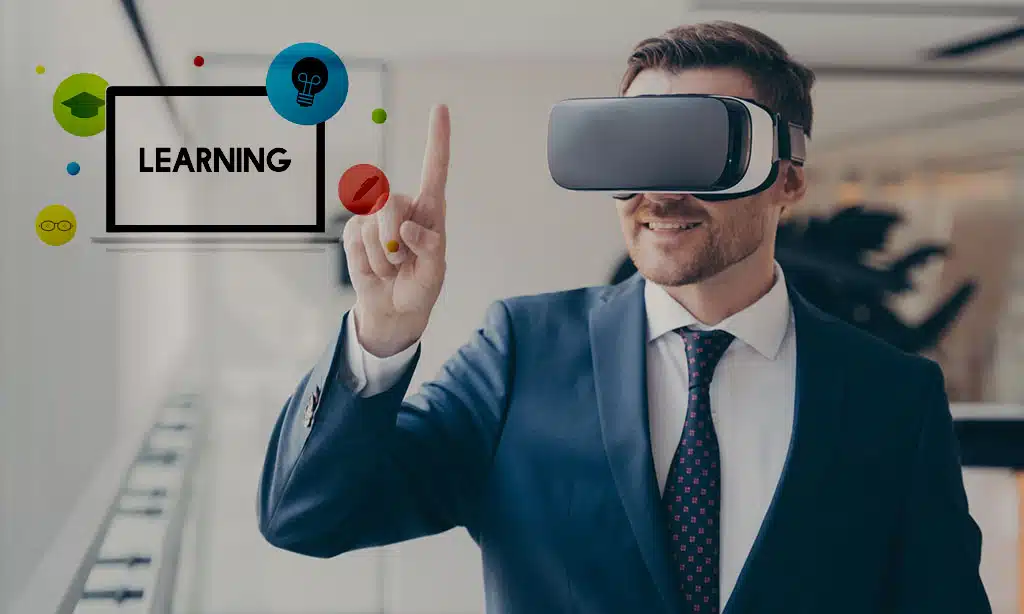
Education is undergoing a dramatic transformation with the introduction of immersive technologies. VR and AR have moved beyond the realms of entertainment and gaming, finding a strong foothold in classrooms, training programs, and even workplaces.
In Australia, educational institutions and industries are increasingly adopting VR/AR learning experiences to offer enhanced interactivity, foster deeper understanding, and prepare learners for the challenges of the future.
Before diving into the specific platforms, let’s take a closer look at the foundational technologies—VR and AR—and why they are so pivotal in education today.
What is VR/AR Learning?
Virtual Reality (VR) refers to the use of computer-generated simulations that create immersive, interactive environments. In VR learning, students wear headsets that transport them to virtual worlds where they can engage in various educational activities, from exploring the human anatomy to walking through historical sites. The technology often includes interactive elements, such as hand controllers, to provide a more tactile experience.
Augmented Reality (AR), on the other hand, overlays digital content onto the real world, enhancing a student’s perception of their environment. Unlike VR, AR does not require a headset but typically uses smartphones or AR glasses to display virtual objects on real-world backgrounds. For example, an AR app may allow students to interact with a 3D model of a molecule on their phone while still being able to see their physical surroundings.
Why VR/AR Learning is Gaining Popularity in Australia
Australia has a strong tradition of embracing new technology to enhance education, and VR/AR is no exception. These technologies create opportunities for experiential learning, allowing students to explore subjects like science, history, and art in ways that traditional textbooks cannot. Here are a few reasons why VR/AR learning experiences are gaining traction in Australia:
- Engagement: VR/AR provides students with engaging, interactive learning environments that hold their attention and stimulate curiosity.
- Accessibility: With VR/AR, students can experience simulations that would be difficult or dangerous to replicate in the real world, such as dissecting animals or performing complex scientific experiments.
- Practical Skills: These platforms allow for hands-on, practical learning. For example, medical students can perform virtual surgeries, and engineers can test prototypes in a virtual setting.
- Collaboration: Virtual classrooms and collaborative VR/AR environments make it easier for students and teachers to interact, regardless of physical location, making learning more flexible and accessible.
Given these advantages, it’s no surprise that Australian educational institutions and industries are turning to VR/AR platforms to better prepare students for the future.
Top 7 Australian Platforms Offering VR/AR Learning Experiences
Australia is home to a number of innovative platforms that are leading the charge in VR/AR education. These platforms span a variety of fields, including K-12 education, higher education, vocational training, and corporate learning. Below are seven of the most prominent Australian platforms that offer VR/AR learning experiences:
1. VeR: Transforming Education with VR
VeR is a standout Australian platform using VR technology to enhance learning experiences across multiple disciplines. VeR focuses on offering virtual simulations that allow students to dive deep into subjects such as science, history, and engineering. With cutting-edge VR headsets, VeR enables students to explore environments such as the surface of Mars or a human cell, all from the comfort of their classrooms.
Key Features of VeR:
| Feature | Description |
| Immersive VR Experiences | Subjects like biology, chemistry, and astronomy are brought to life in 3D virtual worlds. |
| Customizable Learning Paths | Educators can tailor learning experiences to fit the curriculum and student needs. |
| Curriculum Integration | VeR’s VR lessons complement existing teaching materials and help students better grasp difficult concepts. |
2. Immersive Technologies: VR Training for Industries
Immersive Technologies offers a wide range of VR and AR applications, specifically tailored for industries such as mining, aviation, and healthcare. The platform specializes in simulation-based training, which helps professionals develop practical skills in a safe and controlled environment.
Key Features of Immersive Technologies:
| Feature | Description |
| Industry-Specific Training | Tailored VR/AR applications for mining, aviation, healthcare, and more. |
| Realistic VR Simulations | Simulations recreate real-world scenarios, helping users practice in realistic environments. |
| AR Tools for On-the-Job Training | Augmented reality offers real-time, hands-on learning in real-world settings. |
By using VR/AR, Immersive Technologies provides learners with the ability to practice complex tasks without risk, which is especially valuable in industries where errors can be costly or dangerous.
3. Atomi: Bridging Traditional Learning and VR/AR
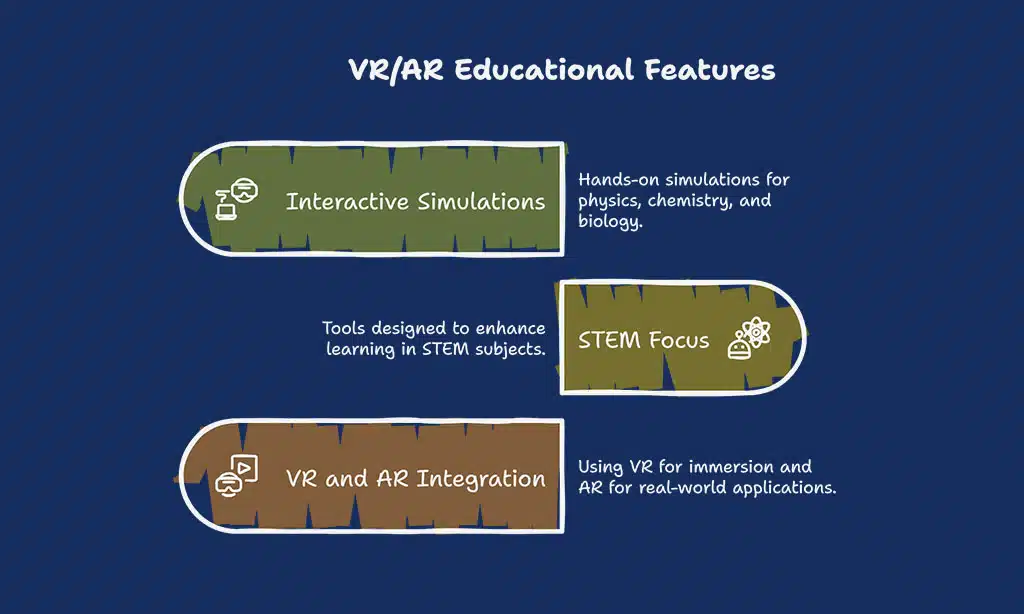
Atomi blends traditional online learning with immersive VR/AR technology, offering students an enriched learning experience that complements their academic courses. Specializing in subjects such as mathematics and science, Atomi provides interactive simulations that allow students to apply theoretical knowledge in a practical, hands-on way.
Key Features of Atomi:
| Feature | Description |
| Interactive VR/AR Simulations | Hands-on simulations for physics, chemistry, and biology allow students to apply theoretical knowledge. |
| Focus on STEM Education | Atomi’s VR/AR tools are designed to support learning in STEM subjects, making them more engaging. |
| Integration of VR and AR | Students use both VR for immersion and AR for real-world application of concepts. |
By providing this bridge between conventional learning and immersive technology, Atomi is helping students develop a deeper understanding of STEM concepts in ways that textbooks alone cannot achieve.
4. The VR Room: Augmented Reality for Learning
The VR Room, based in Melbourne, offers a variety of immersive VR and AR experiences designed for educational purposes. From corporate training programs to school field trips, The VR Room uses AR/VR to make learning more interactive and memorable.
Key Features of The VR Room:
| Feature | Description |
| VR Field Trips | Students can embark on virtual field trips to explore landmarks, museums, and more. |
| AR for Real-World Learning | AR enhances traditional learning by bringing 3D objects and educational content into the real world. |
| Customizable Experiences | Experiences can be tailored to meet the specific needs of different educational settings. |
The VR Room’s emphasis on flexibility and user-centric design makes it an ideal choice for educators looking to incorporate immersive technologies into their teaching strategies.
5. Civica: Digital Learning with VR/AR Integration
Civica is an Australian digital learning platform that integrates both VR and AR to enhance education. With a focus on practical learning and skills development, Civica’s offerings are designed for professionals in fields like healthcare and government services.
Key Features of Civica:
| Feature | Description |
| Scenario-Based Training | VR/AR simulations place professionals in realistic scenarios, improving decision-making skills. |
| Virtual Workshops | Civica offers virtual workshops for continuous learning and professional development. |
| Healthcare and Government Training | Specialized VR/AR tools cater to the needs of professionals in fields such as healthcare and public service. |
Civica’s VR/AR learning experiences are particularly beneficial for industries that require continuous training and upskilling, providing a way to learn new procedures and skills safely and effectively.
6. Entermission: Educational VR Escape Rooms
Entermission is a unique platform that combines the excitement of escape rooms with VR technology. This platform offers educational VR escape rooms that challenge players to solve puzzles and complete tasks based on educational content. While originally focused on entertainment, Entermission has expanded its offerings to include educational applications.
Key Features of Entermission:
| Feature | Description |
| Educational VR Escape Rooms | Engage in puzzles that challenge students to solve problems based on historical or scientific content. |
| Collaborative Learning | Team-based VR experiences foster collaboration and communication skills. |
| Performance Tracking | Real-time feedback tracks student progress and helps improve performance. |
Entermission’s educational VR escape rooms provide a fun, interactive way for students to engage with their learning material, making it an excellent tool for building critical thinking and teamwork skills.
7. EduVR: Virtual Reality Learning for Schools
EduVR is an Australian platform specifically designed to provide VR learning experiences tailored to the school curriculum. This platform allows students to step inside history, science, and literature lessons, offering virtual field trips and immersive simulations that bring the curriculum to life.
Key Features of EduVR:
| Feature | Description |
| Curriculum-Based VR Simulations | Lessons are designed to complement and enhance traditional classroom material. |
| Virtual Field Trips | Students can “visit” museums, historical sites, and other educational destinations from anywhere. |
| Teacher-Friendly Interface | EduVR offers an easy-to-use platform that makes integrating VR lessons into the classroom simple. |
EduVR’s platform makes it possible for students to “travel” to distant places or explore abstract concepts, offering a more engaging and immersive way to learn.
The Future of VR/AR Learning in Australia
The future of Australian Platforms with VR/AR Learning Experiences is bright, with many exciting developments on the horizon. As the technology continues to evolve, we can expect even more sophisticated tools that will enhance education across a variety of disciplines.
Upcoming Trends in VR/AR Education
- Increased use in K-12 education: With schools increasingly adopting VR/AR, we’re likely to see more widespread use in primary and secondary education, especially for STEM subjects.
- Expansion into soft skills training: VR/AR will play a larger role in teaching soft skills, such as leadership, communication, and teamwork, which are essential in the workforce.
- Personalized learning experiences: With AI integration, VR/AR platforms will offer more personalized, adaptive learning experiences tailored to individual student needs.
Challenges and Opportunities for VR/AR Learning Platforms
While VR/AR has great potential, there are still challenges to overcome, such as cost, accessibility, and the need for high-quality hardware. However, as technology advances, these barriers will likely diminish. Moreover, there are vast opportunities to explore in areas such as remote learning, lifelong learning, and creating more immersive vocational training programs.
Final Thoughts
The rise of Australian Platforms with VR/AR Learning Experiences is not just a trend, but a fundamental shift in how we approach education and skill development.
With immersive technologies enhancing engagement, accessibility, and practical skills, VR and AR are poised to revolutionize learning in Australia. Whether in the classroom, the workplace, or online, VR/AR platforms offer students and professionals a unique opportunity to learn in ways that were once thought impossible.
As these technologies continue to evolve, the future of education in Australia looks brighter and more immersive than ever.