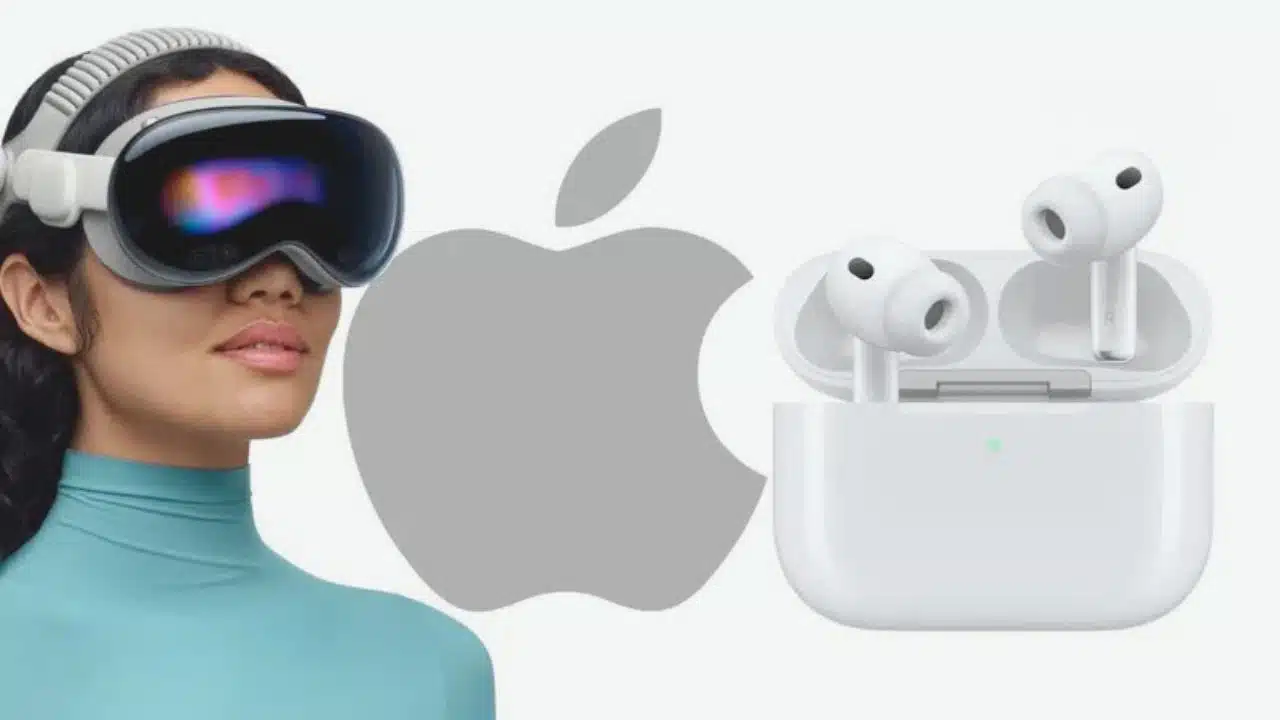
Apple AI glasses 2026 plans are taking shape, with reports saying the company is targeting a launch window around the end of 2026 while also developing camera-equipped AirPods designed to add hands-free, context-aware AI features to everyday use.
What’s being reported
Recent reports describe two connected Apple wearable efforts: smart glasses designed around voice-first AI, and upgraded AirPods that add sensors (including infrared cameras) to help devices understand a user’s surroundings.
The overarching idea is to extend Apple’s AI features beyond the iPhone screen—so users can ask questions, control apps, and get information while walking, commuting, or working, without pulling out a phone.
Apple AI glasses 2026: What they may include
The smart glasses under development are described as a lighter wearable built around practical inputs—camera, microphone, and speakers—paired with voice interaction through Siri.
This approach resembles the current market direction of “AI glasses” that prioritize capturing context (what you see and hear) and responding through audio, rather than delivering a full augmented-reality (AR) display experience in the first version.
One key detail in reporting is that this glasses concept would not require a Mac connection, pointing to a more standalone or phone-tethered consumer accessory design than some earlier concepts.
Why Apple is pushing glasses now
Reports frame the timing as part of a broader effort to make Apple’s AI strategy more visible in hardware, especially as the company faces pressure to show clear, everyday AI benefits.
They also note that Apple’s premium Vision Pro headset has not seen broad consumer adoption, increasing focus on lighter, lower-friction wearables that can reach more users.
At the same time, competitors have proven demand for simpler smart eyewear, strengthening the case for Apple to enter the category with a more mainstream product.
Smart AirPods for 2026: Cameras and “visual” context
Separate reporting suggests Apple is also developing AirPods that incorporate infrared (IR) cameras, with production expectations pointing to 2026.
These sensors are described as a way to collect computer-vision signals that could support navigation and help other Apple devices understand a user’s environment.
Another described use is feeding contextual data into Apple’s on-device AI features—so the phone can deliver smarter responses even when it is in a pocket, with AirPods acting as an always-available input device.
What “infrared cameras” could mean in earbuds
Infrared sensors are often used for depth/gesture detection and spatial awareness, which could enable new types of controls and awareness features without requiring a visible-light camera.
In practical terms, this could expand hands-free control beyond today’s taps and squeezes into more natural interactions (for example, gesture-style inputs) depending on how Apple implements it.
How the two products fit together
Taken together, reports suggest Apple is exploring a wearable AI stack where:
- Glasses handle “look-and-ask” interactions via a camera + voice interface.
- AirPods provide always-on audio, voice capture, and sensor-driven context that can enhance AI responses and controls.
This pairing matters because it could let Apple distribute “spatial” and “context” features across multiple accessories—reducing the need to fit every sensor and battery into a single device.
Competitive landscape Apple is preparing for
Competition is heating up in AI eyewear, with smart-glasses products gaining traction and more companies signaling 2026 as an important window for new launches.
Reports also point to the existing popularity of Meta’s Ray-Ban smart glasses and mention Google’s work and partnerships aimed at bringing smart glasses to market.
This context helps explain why Apple may start with a simpler, voice-forward product first, then iterate toward more advanced display-based models later.
Key rumored features at a glance
| Product | Reported target timing | Reported hardware | Likely interaction style | What it’s meant to enable |
| Apple smart glasses | Around end of 2026 | Camera, microphone, speakers | Voice-first (Siri) | Hands-free AI help; audio responses; contextual queries |
| AirPods with IR cameras | 2026 (production expected) | IR camera modules | Voice + potential gesture/spatial sensing | Navigation help; contextual/visual signals for Apple AI features |
| Camera Apple Watch concept | Put on hold (reported) | Watch camera idea | — | Shift in priorities toward other wearables |
Timeline to watch (based on current reporting)
| Year | What reports suggest to watch |
| 2025 | Prototype ramp and development acceleration for smart glasses described in reporting. |
| 2026 | Reported target window for Apple smart glasses; reported production window for IR-camera AirPods. |
| 2027+ | Some reporting suggests higher-end glasses concepts (including display variants) may come later than initial models. |
What Apple has (and hasn’t) confirmed
Apple has not publicly announced AI glasses or camera-equipped AirPods, so key details—price, exact features, battery life, and launch timing—remain unconfirmed.
What is clear from reporting is the direction: lighter wearables that rely on audio, cameras/sensors, and tight iPhone ecosystem integration to make AI more useful in daily life.
Final thoughts
If Apple hits a 2026 window, the biggest story may be less about flashy displays and more about making AI feel effortless—available through glasses and earbuds during everyday moments.
The next signals to watch are supply-chain prototype activity, Siri and on-device AI upgrades, and whether Apple positions these wearables as must-have iPhone companions rather than standalone computers.