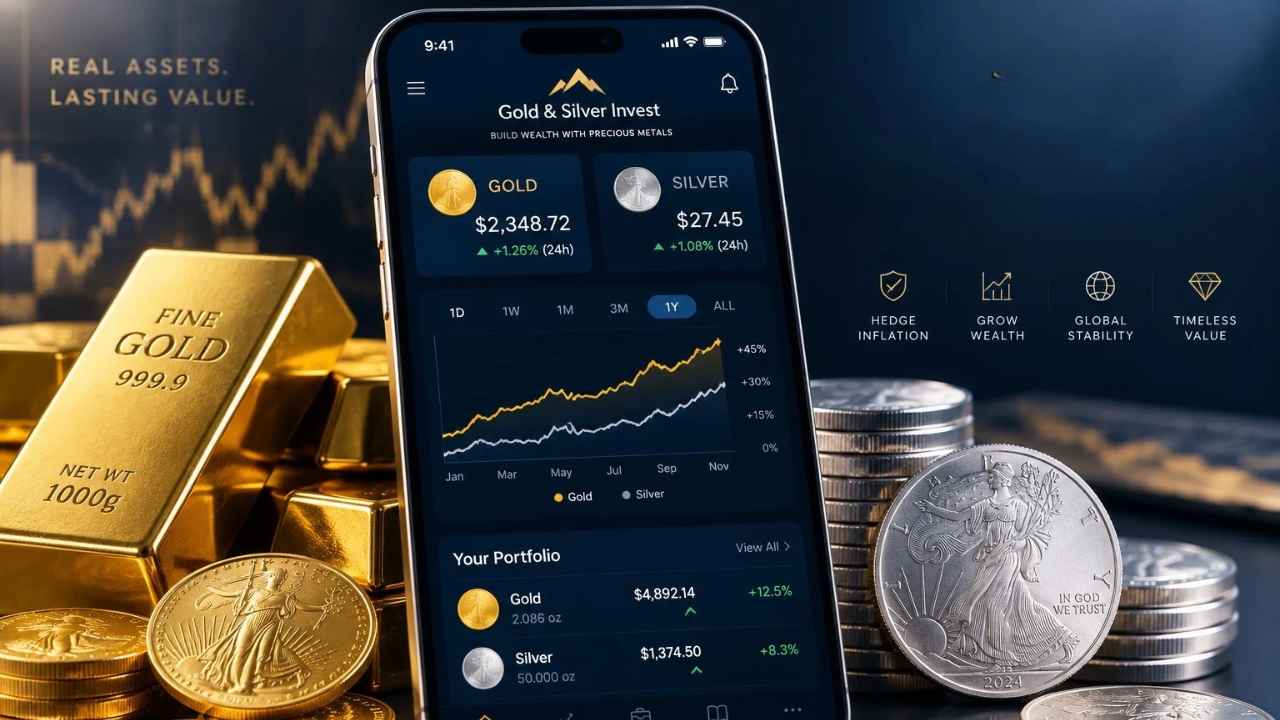
Gold closed near $4,150 an ounce on October 19, 2026. That’s about $1,450 below its January record. Silver sat around $57, down roughly 13% in a month. If those swings have you shopping for apps for investing in gold and silver, you’ll hit a problem fast: most “best gold app” lists aren’t written for you.
Search the topic, and you’ll mostly find three things. Leveraged CFD trading platforms, price tracker apps, and Indian digital gold savings apps. None of them help a US investor who wants real metal or a cheap metal fund without losing money to quiet fees.
So this list ranks ten apps by what they cost to buy, hold, and sell. Not by how pretty the charts look. (Prices move by the second, so check today’s gold and silver prices before you buy.)
First, Pick Your Lane: Fund, Vault, Token, or Doorstep
Every one of the apps for investing in gold and silver below falls into one of four lanes. The lane decides your costs more than the logo does.
- Funds (ETFs): You own shares of a trust that holds bars. Cheapest to hold. You never touch metal.
- Vaulted bullion: You own specific metal in a professional vault and pay storage.
- Tokens: Gold on a blockchain that trades 24/7.
- Doorstep delivery: Coins and bars ship to your house. Highest markups.
Most beginners make the mistake of picking an app first and a lane second. Flip that.
| App | Lane | Best fit |
|---|---|---|
| Fidelity | Fund + bullion | Most US investors |
| Robinhood | Fund | Small, fractional buys |
| OneGold | Vaulted | Beginners who want real metal |
| BullionVault | Vaulted | Balances over $40,000 |
| Vaulted | Vaulted | Serial numbered bars |
| Kinesis | Token + vaulted | Earning a small metal yield |
| APMEX | Delivery | Coins in hand |
| Coinbase (PAXG) | Token | 24/7 gold trading |
| Schwab + Sprott | Fund | A lower tax bill |
| Kitco | Tracker | Free price alerts |
The 10 Best Apps for Investing in Gold and Silver
These rankings weigh total cost, how easy it is to sell, and how honest each app is about fees. Small and large balances get very different winners, so read the notes, not just the order.
1. Fidelity: Best All-Around Pick for US Investors
Boring answer. Right answer.
Fidelity lets you buy low-cost metal ETFs with no commission. GLDM charges 0.10% a year, so a $10,000 gold position costs $10 annually; IAU charges 0.25% for the same metal. On silver, SIVR runs 0.30%, and SLV runs 0.50%. Same exposure, different price tag, so pick the cheaper ticker.
Want actual bars? Fidelity takes bullion orders too, with a $2,500 minimum to start ($1,000 inside an IRA). It acts as an agent and routes orders to outside dealers, and third-party breakdowns put buy fees around 2.5% to 2.9%. Among apps for investing in gold and silver, that bullion desk is Fidelity’s weak spot. Stick with the ETF side unless you truly want metal with your name on it.
2. Robinhood: Best for Small, Fractional Buys
Got $20? Robinhood sells fractional shares of many popular ETFs, so you can own a slice of GLDM or SIVR without paying for a full share.
Here’s the catch: Robinhood Gold has nothing to do with gold. It’s a $5 a month subscription for perks like higher cash interest, cheaper margin, and a bigger IRA match. New users hunting for a gold investing app sign up thinking it buys metal. It doesn’t. Skip it and put that $60 a year into more GLDM, the cheapest route among apps for investing in gold and silver at this size.
3. OneGold: Best Vaulted Bullion App for Beginners
APMEX and Sprott built OneGold, and it shows. You buy fully allocated, insured metal in US, Canadian, UK, or Swiss vaults, then trade it 24/7 from your phone.
The numbers are friendly. Gold storage runs 0.12% a year and silver 0.30%, with a $5 per quarter minimum. Gold buys carry about a 0.80% premium, silver usually lands 1% to 2% over spot, and “at spot” promos show up regularly. AutoInvest buys a set dollar amount on a schedule (the most underrated feature in this whole category).
The common gripe? Selling. Reviewers say the exit fees feel steeper than the entry. Price your exit before you buy. Still, no other vaulted option among these apps for investing in gold and silver makes it easier to turn your holdings into coins or bars from a big dealer catalog.
4. BullionVault: Best for Big Balances
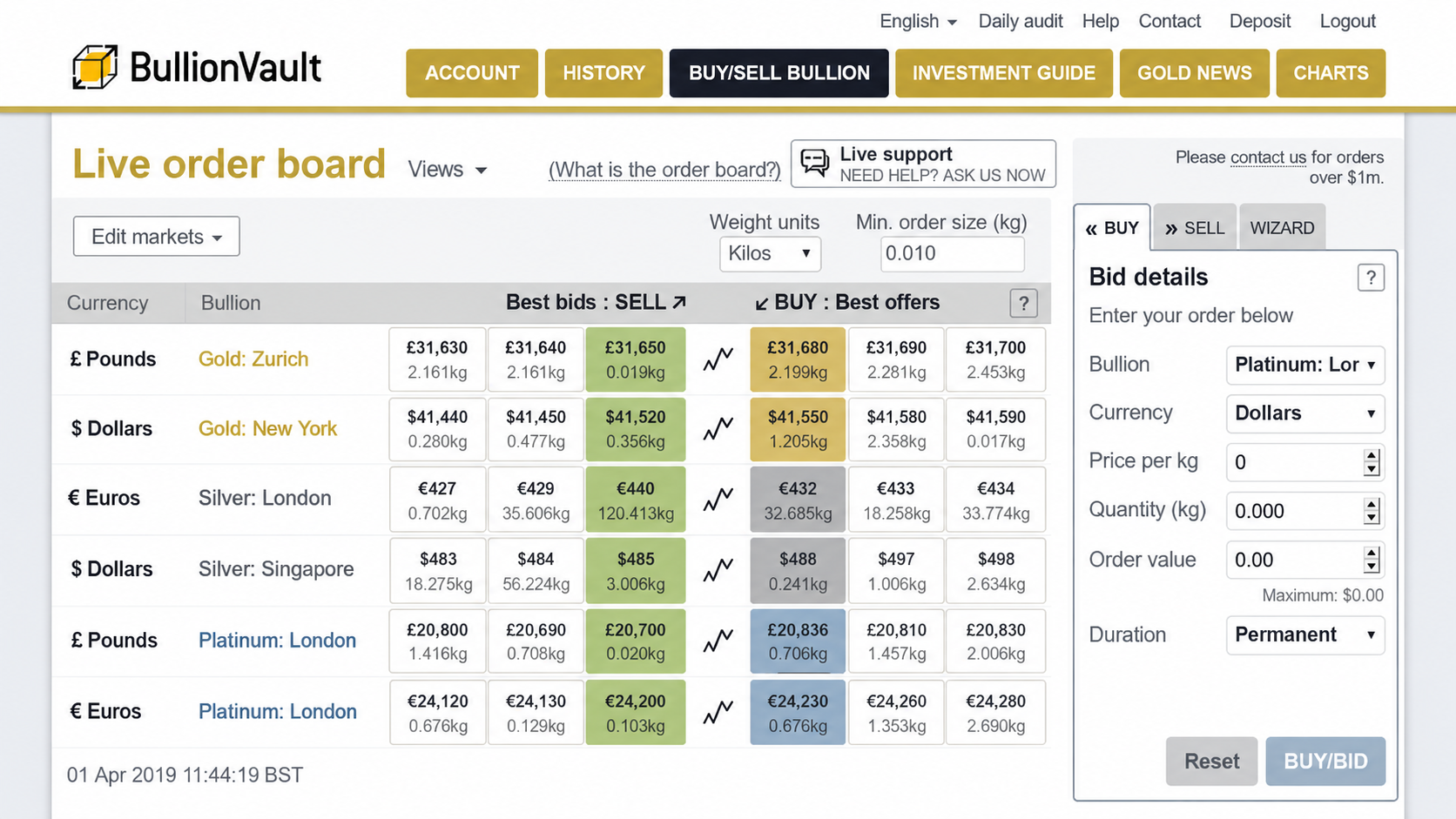
BullionVault runs a live order board where you trade with other users, so commissions start at 0.5% and drop to 0.05% on big volume. You pick vaults in London, Zurich, New York, Toronto, or Singapore.
Now the math nobody puts in the headline. Gold storage is 0.12% a year but carries a $4 monthly minimum; silver is 0.48% with an $8 minimum. Hold $1,000 of gold and you’ll pay $48 a year. That’s 4.8%.
Ouch.
That minimum stops biting at about $40,000 in gold. Above that line, BullionVault ranks among the cheapest apps for investing in gold and silver anywhere. Below it, go with OneGold. And the free 4 grams of silver for funding your account? About $7.40 right now. Nice, not a reason to join.
5. Vaulted: Best for Serial Numbered Bars
Vaulted, from McAlvany Financial Group, allocates your gold to 99.99% pure kilo bars at the Royal Canadian Mint and your silver to 1,000 oz bars at HSBC in London. You own designated, serial-numbered ounces, not a vague claim on a pile.
The app lists a 0.8% premium on gold and 2.0% on silver over wholesale, plus an annual maintenance fee. Every account also gets a personal metals advisor, which some buyers like and others never use. For the “real bar, real vault” feeling, it’s one of the cleaner apps for investing in gold and silver.
6. Kinesis: Best If You Want Gold That Pays You
Kinesis flips the usual model. No storage fees. Instead, it charges 0.22% on exchange trades and 0.45% on transfers, then shares part of those fees with holders as a monthly yield paid in metal.
Sounds great, mostly so. But that yield swings with platform volume, so treat it as a bonus, not income. One more trap: each KAU equals one gram of gold, and each KAG one ounce of silver, which confuses first-timers comparing prices. Of all the apps for investing in gold and silver here, Kinesis has the steepest learning curve.
7. APMEX: Best for Metal at Your Door
APMEX’s app lets you shop thousands of coins and bars, set price alerts, and grab app-only deals, sometimes priced at a spot. Orders over $199 typically ship free.
Long time stackers give the same advice: buy generic bars and rounds with the lowest premium. Skip proof coins, colorized coins, and anything labeled “limited edition.” You pay a fat premium going in, and dealers rarely pay it back when you sell. Of the apps for investing in gold and silver you can physically hold, this one has the smoothest checkout. Just budget for a safe and insurance at home.
8. Coinbase (PAX Gold): Best for 24/7 Gold Trading
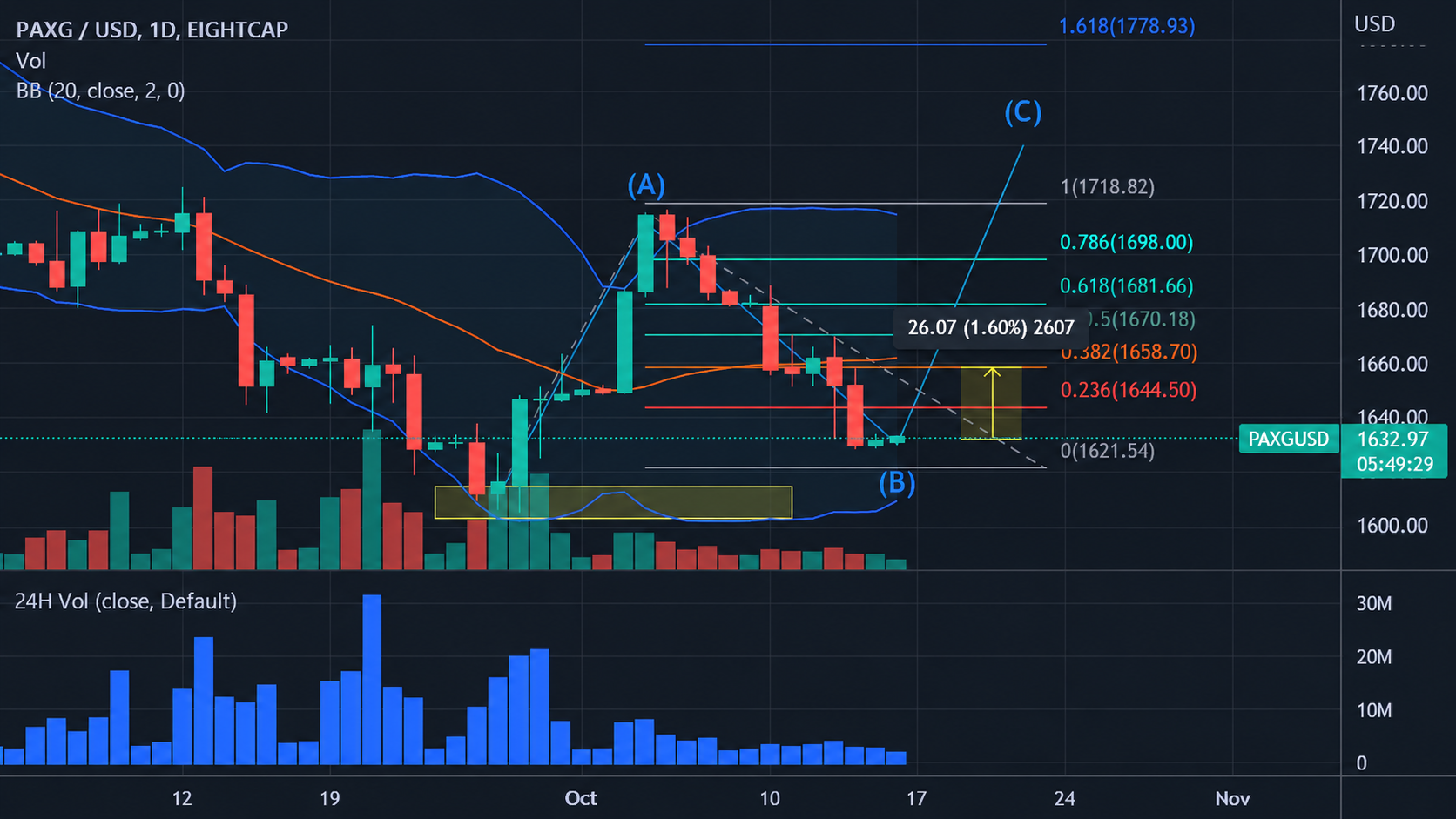
Each PAXG token represents one troy ounce of gold held by Paxos, a New York regulated trust company. Buy it on Coinbase at 2 a.m. on a Sunday if you like. Paxos doesn’t charge storage fees right now.
Read the fine print, though. Redeeming for a real bar takes at least 430 tokens (about $1.8 million today), and Paxos delivers only to UK vaults. It also covers gold only, so it’s a half answer among apps for investing in gold and silver. If you already live in crypto, it’s handy. Otherwise, the ETF route is simpler.
9. Schwab + Sprott Physical Trusts: Best for a Lower Tax Bill
Most lists skip this. Physical metal and trust-style ETFs like GLD, IAU, and SLV get taxed as collectibles, with a 28% top federal rate on long-term gains. Stocks top out at 20%.
Sprott’s physical trusts (PHYS for gold, PSLV for silver) are Canadian funds that, with a yearly tax election, can qualify for standard long-term rates. You can buy them commission-free in the Schwab app or most big brokerages. It means an extra tax form, so talk to a tax pro first. On a big gain, though, no other apps for investing in gold and silver can close that 8-point gap.
10. Kitco: The Free Companion App
Kitco won’t hold your metal. It earns a spot because every serious stacker keeps a price app open, and this one is free and packed with news. Pair it with any of the apps for investing in gold and silver above and set alerts so you buy on calm days, not hype days.
Watch the gold to silver ratio, too. It sat near 72 on October 19, meaning one ounce of gold bought about 72 ounces of silver.
What Users Complain About After Six Months
Ask anyone who’s used apps for investing in gold and silver for a year and the same gripes show up:
- Minimum fees crush small accounts: A $20 or $48 yearly floor means nothing at $50,000 and stings at $500.
- Silver costs more to store: It takes far more vault space per dollar.
- Selling costs more than buying: Spreads widen on the way out, especially on coins.
- Taxes surprise people: Gains on metal held a year or less get taxed as ordinary income, up to 37%.
Gimmicks to Skip and Where Your Money Should Go
The truth is, most “premium” features here are marketing. Skip CFD “gold trading apps,” which sell leveraged bets, not ownership. Skip collector coins pitched as investments. Never let a sign-up bonus pick for you.
Spend on the boring stuff: the lowest all-in cost for your balance. For most people starting out with apps for investing in gold and silver, that’s GLDM in a free brokerage app. If you’re still deciding whether metal belongs in your portfolio, read about the benefits of investing in real assets like gold and silver.
- Under $1,000: Robinhood or Fidelity, using GLDM or SIVR.
- $1,000 to $40,000, real metal: OneGold or Vaulted.
- Over $40,000: BullionVault.
- Coins in hand: APMEX.
Frequently Asked Questions (FAQs) about Apps for Investing in Gold and Silver
What is the best app to buy gold and silver?
For most US investors, Fidelity is good since it handles cheap ETFs and real bullion in one account.
Can I invest in gold and silver with $10?
Yes. Fractional ETF shares let you start with a few dollars. Vaulted apps with minimum storage fees work poorly at that size.
Is digital gold real gold?
Sometimes. Allocated vault apps and PAXG are backed by specific bars. Always check who holds the metal and who audits it.
Is it safe to buy gold through an app?
Generally yes, if the company uses insured, audited vaults and has a long track record. Walk away from any app that can’t name its vault.
Do I pay taxes when I sell gold from an app?
Yes, in the US. Long term gains on physical metal and most metal trust ETFs face up to a 28% federal rate.
Final Thoughts
Pick your lane, then the cheapest app in it. The best apps for investing in gold and silver aren’t the flashiest ones. They’re the ones whose fees still make sense at your balance. Start small, check the sell fee before your first buy, and let your budget (not a bonus) make the call.