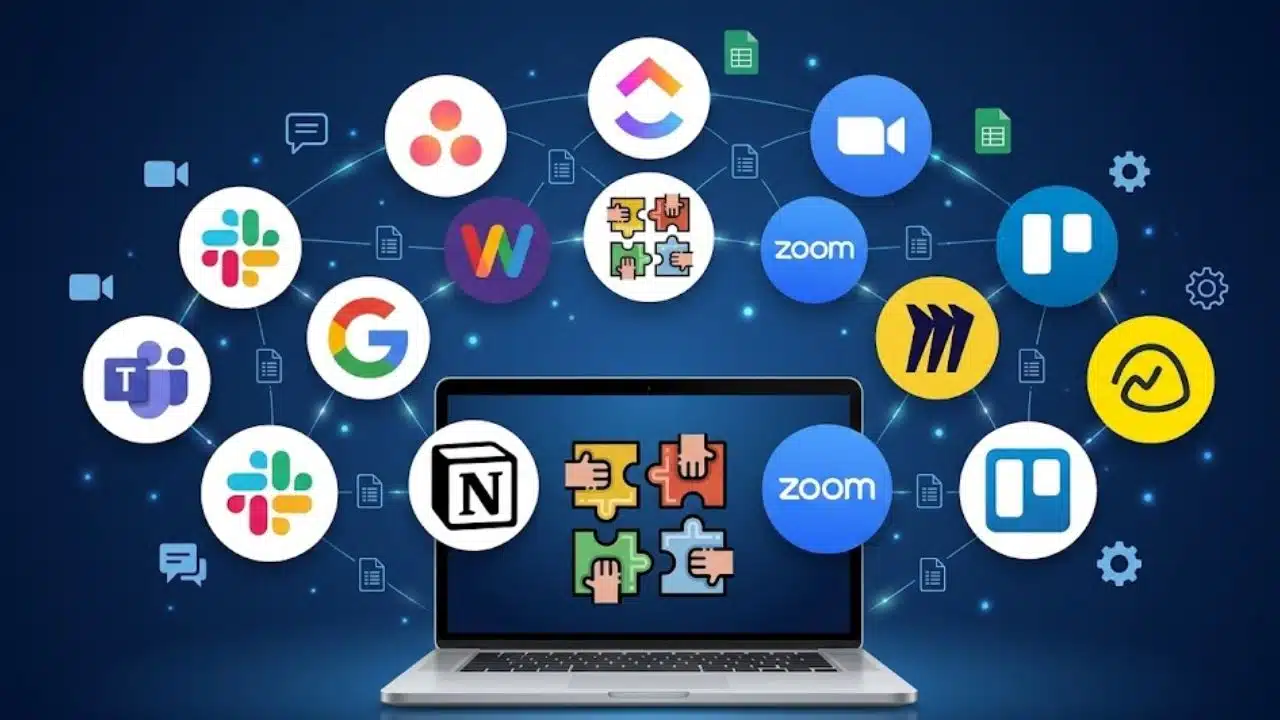
Do you dream of ditching the nine-to-five grind, but feel stuck because starting a business seems too risky or expensive? Many folks face this hurdle, staring at their skills in content creation or digital marketing, wondering how to turn them into real income without a huge upfront investment.
One key fact stands out: digital product businesses can generate passive income through items like ebooks and online courses, sold on platforms such as Gumroad or Podia.
This post breaks down simple steps to build your own profitable setup, from market research to scaling with tools like Beehiiv for audience engagement.
Ready to launch?
Why Start a Digital Services Business?
Tired of trading time for money in a traditional job? Jump into the creator economy with a digital services business, where you craft e-books or host webinars for global clients, enjoy low startup costs, and scale your income streams without a massive team, turning your skills into steady revenue.
High demand for digital solutions
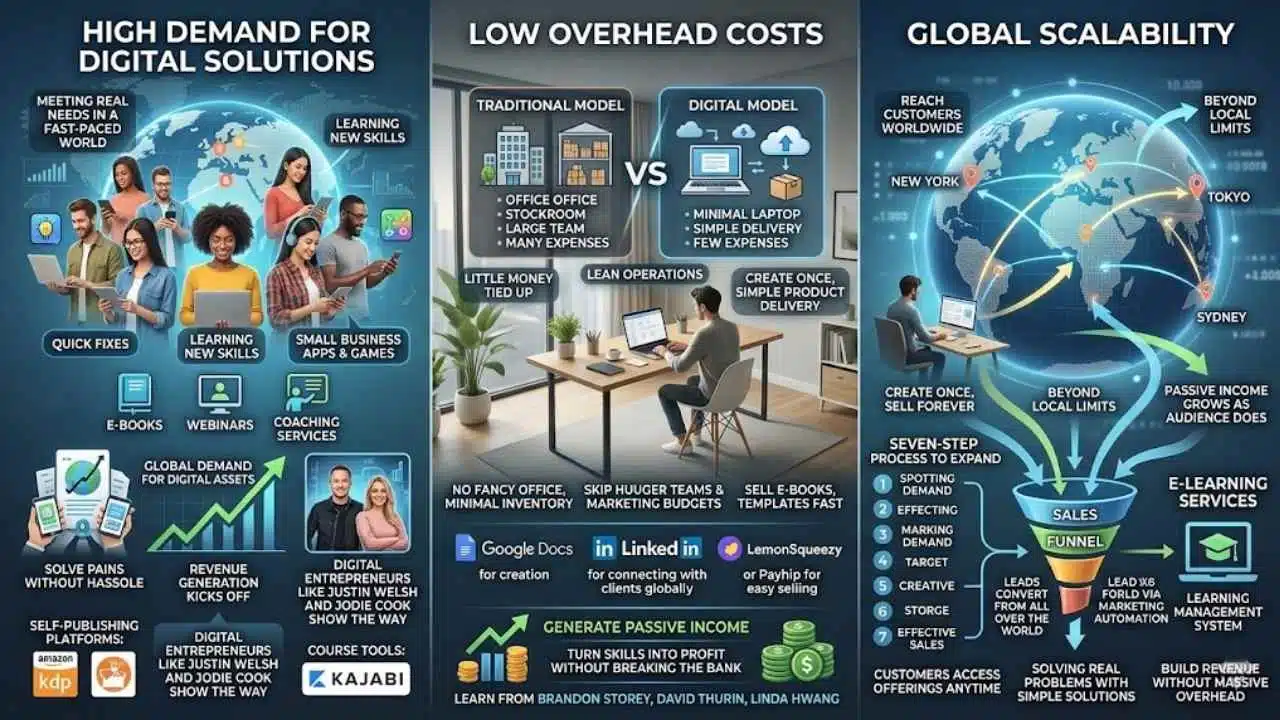
Digital solutions meet real needs in today’s fast-paced world. Folks everywhere hunt for quick fixes to their problems, like learning new skills through online education or boosting their small business with apps and games.
This surge creates huge chances for digital entrepreneurs. They craft e-books, webinars, and coaching services that solve pains without much hassle. Creators like Justin Welsh and Jodie Cook show how anyone can jump in.
Niche markets buzz with demand for these digital assets. You match your talents to what people want, and boom, revenue generation kicks off.
You don’t need to be a huge name, have a large team, or possess a huge marketing budget to build a successful digital product business, notes Forbes contributor Harry Dry.
Startups and content creators ride this wave by packaging knowledge into sellable formats. Think self-publishing platforms like Amazon KDP or tools such as Kajabi for courses. Digital products stay simple to make yet pack value, especially e-books as an easy entry point.
They generate passive income streams through subscriptions and memberships. Spot in-demand items first, then build your sales funnel. Use CRM software and marketing automation platforms like ThriveCart to handle customer experience.
Creators monetize with dropshipping or Etsy for digital templates, scaling up without big overhead.
Low overhead costs
You start a digital services business with little money tied up in expenses. Think about it, no need for a fancy office or stacks of inventory. Sell digital products like ebooks or templates, and watch costs stay low.
You create once, then deliver through simple product delivery methods. Tools like Google Docs help you build offerings fast, without big spending. Folks like Brandon Storey show how, keeping things lean from the start.
Overhead stays minimal because you skip huge teams or massive marketing budgets. Scale your business globally with coaching and consulting, all online. Use platforms like LemonSqueezy or Payhip for easy selling.
Link up on LinkedIn to find clients, no travel required. David Thurin proves you generate passive income this way, solving real problems with digital templates and themes. Linda Hwang shares tips on business scalability, turning skills into profit without breaking the bank.
Global scalability
Digital services let you reach customers worldwide without borders holding you back. Sell digital products like ebooks or courses to folks in New York, Tokyo, or Sydney all from your laptop.
This setup scales fast, folks, because you create once and sell forever, generating passive income that grows as your audience does. Picture a small team using marketing strategies to tap into global markets; they package skills into sellable formats, no huge budget required.
Go beyond local limits with tools like a learning management system for e-learning services. Customers access your offerings anytime, anywhere, solving real problems with simple, valuable solutions.
Build this business through a seven-step process, from spotting demand to effective sales, and watch it expand without massive overhead.
Types of Digital Services in Demand
People crave quick fixes for their online needs, like building apps or crafting eye-catching graphics, and that’s where you can shine with skills in freelance platforms such as Upwork or Fiverr.
Imagine turning your knack for SEO strategies into cash by helping businesses rank higher on Google, or whipping up online courses on Teachable that folks devour from anywhere in the world.
Educational content and e-learning
Educational content and e-learning stand out as hot options for selling digital products. You package your knowledge into formats like e-books, online courses, or webinars. These solve real problems for folks eager to learn new skills.
Think about it, creating an e-book ranks as one of the easiest ways to start. It matches your expertise and stays simple to produce, yet buyers find real value in it. Plus, this setup generates passive income once you sell the products online.
Folks love how e-learning scales globally without big costs. First, spot what’s in demand, like coding tutorials or business tips. Then, craft clear descriptions that show the value right away.
Use a seven-step process to go from idea to sales, including packaging your skills into sellable items. Tools like Teachable or Zoom make delivery smooth. Outsourcing parts, say to freelancers on Upwork, helps you grow fast.
Imagine turning your hobby into a steady income stream, it’s like planting seeds that keep giving fruit.
Software and app development
People love apps that make life easier, like ones for tracking fitness or managing budgets. You can tap into this demand by building software and apps that solve real problems. Match your coding skills to what folks need, such as a simple tool for small businesses to handle inventory.
Folks build these digital products without a big team or fancy budget, and they often generate passive income once launched. Picture a developer who creates an app for meal planning; it sells itself after the initial work.
Start by spotting hot trends, like mobile games or productivity boosters, before you code. Package your knowledge into apps with clean designs and thumbnails that pop. Use tools like GitHub for version control, or Android Studio for crafting mobile experiences.
Keep descriptions straightforward so buyers see the value right away. Strategic planning helps you integrate tech smoothly, and you improve over time with user feedback. Think of it as turning your expertise into a seven-step launch, from idea to sales, all while keeping things fun and scalable.
Creative and design services
Creative services spark joy for many entrepreneurs. You package your artistic skills into digital formats that clients crave, like custom graphics or branding kits. Visual elements, such as thumbnails and wallpapers, make your offerings pop and attract buyers fast.
These products stay simple to create, yet they deliver real value by solving design headaches for businesses.
Design services build on that foundation with a seven-step process, from spotting demand to making sales. Identify hot trends first, then craft ebooks or templates that match your expertise.
Keep descriptions clear and straightforward, so customers grasp the benefits right away. Tools like Canva or Adobe Illustrator help you automate and scale, turning one-off jobs into passive income streams.
Marketing and consulting services
Marketing and consulting services thrive in the digital world, where businesses crave smart strategies to grow. You package your knowledge into sellable formats, like advice on social media plans or brand building.
These services solve real problems for clients, matching your skills to their needs. Think of it as turning your expertise into a lifeline for overwhelmed entrepreneurs, who often seek simple, valuable solutions without the hassle.
Start by identifying in-demand areas, such as SEO tips or business coaching, then create offerings like eBooks or online courses for passive income. You don’t need a big team or massive budget to succeed; focus on clear descriptions that show value, plus visual elements like thumbnails to attract buyers.
Follow a structured seven-step process from idea to sales, with strategic planning and tech tools to keep things smooth. This approach builds a profitable setup, even if you’re flying solo.
Steps to Build a Profitable Digital Services Business
Ready to turn your skills into cash? Imagine this, you spot a hot spot in the market, like freelance graphic design for small shops, and craft a pitch that screams value, drawing clients your way like bees to honey.
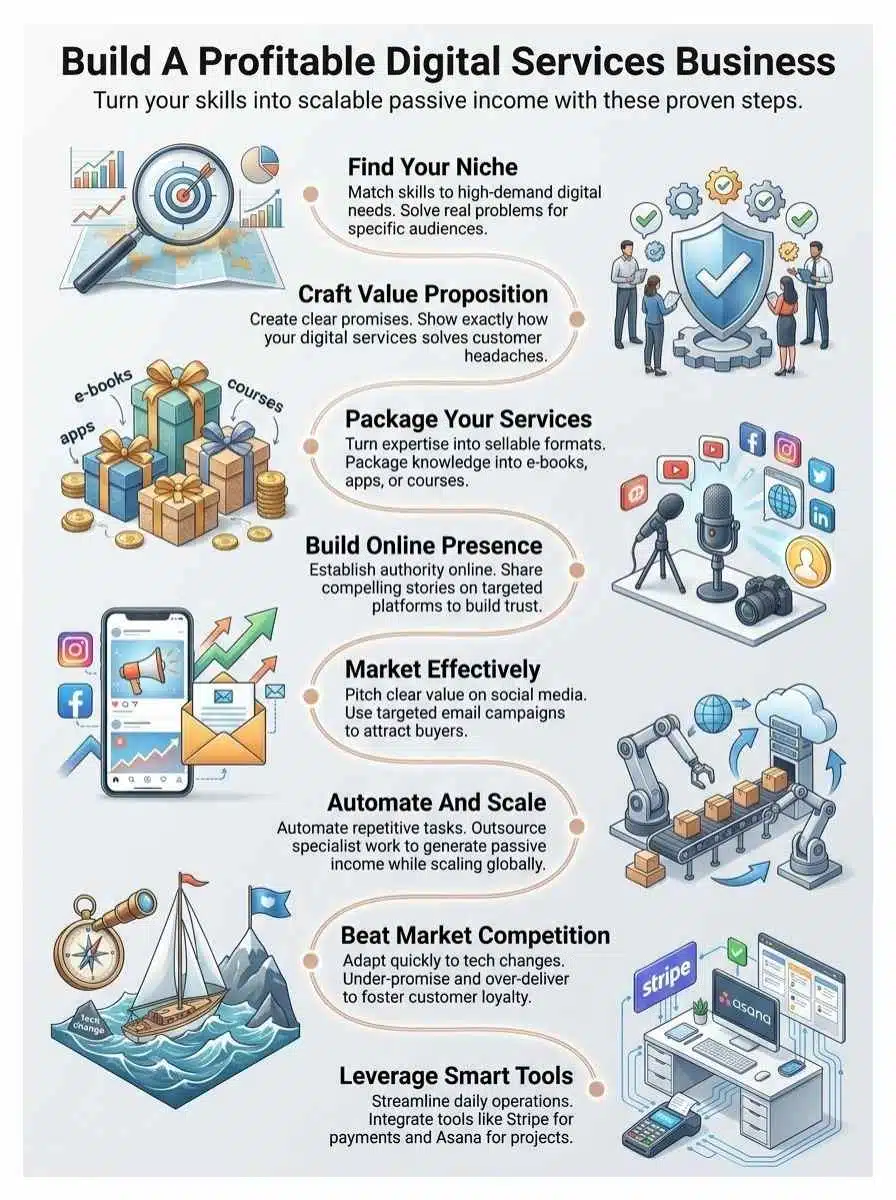
Identify your niche and ideal audience
Pick your niche by spotting what digital services folks really need right now. Look at trends in e-learning or app development that match your skills. You solve real problems this way, like helping small businesses with marketing tweaks.
Fact is, identifying in-demand digital products kicks off the whole process before you package anything. Think about ebooks as an easy start; they turn your know-how into something sellable fast.
Zero in on your ideal audience next. Picture busy parents craving quick online courses, or startups hunting design help. You don’t need a big team or massive budget to pull this off; just match your strengths to their pains.
Package your knowledge into formats that click, with simple descriptions that shout value. This builds passive income streams, and hey, who wouldn’t love that? Use tools like Google Trends to check what’s hot, or survey platforms to chat with potential buyers directly.
Develop a clear value proposition
Develop a clear value proposition by zeroing in on what makes your digital services stand out. Match your skills to real problems that people face, like in educational content or marketing consulting.
Package your knowledge into sellable formats, such as e-books or software tools, that folks find valuable and easy to buy. Keep descriptions simple, you know, the kind that hit home and show exactly how you solve their headaches.
Think of it like crafting a promise that sticks. You create digital products simple to make but packed with worth, no huge team or budget needed. Solve issues in high-demand areas, from app development to creative design, and watch passive income roll in.
Hey, starting with an e-book? That’s a smart, accessible move to test the waters and build your brand.
Create and package your service offerings
Start by spotting hot digital products that folks crave, like e-books or online courses, since figuring out demand comes first. Match these to your own skills, you know, packing your know-how into formats that solve real headaches for buyers.
Keep things easy to make but packed with worth, so they fly off the virtual shelves.
Picture turning your expertise into an e-book, super easy to kick off, with eye-catching thumbnails and wallpapers that make it pop. Craft plain descriptions that shout the perks loud and clear, sparking that “gotta have it” vibe.
Follow a seven-step path from idea to sales, weaving in passive income streams that keep cash flowing even while you sleep, all without needing a big crew or fat wallet.
Build an online presence and brand
You need a strong online spot to shine in the digital services world. Pick platforms that fit your niche, like a sleek website on WordPress or profiles on LinkedIn and Instagram. Share stories that pull people in, maybe an anecdote about a client who turned their business around with your e-learning course.
Fact is, you don’t need a big name or huge team to succeed; a smart plan gets you far. Add visual pop with thumbnails and wallpapers that scream value. Keep it real and chatty, like talking over coffee, to build trust fast.
Mix in tools that make branding a breeze. Use Canva for eye-catching designs and Mailchimp for email blasts that feel personal. Strategic planning with tech integration keeps you ahead, plus continuous tweaks based on feedback.
Package your skills into clear offerings, such as software development packs or marketing consults, with simple descriptions that highlight the win for buyers. Hey, it’s like turning your know-how into a golden ticket, no massive budget required.
Engage folks with humor, say, “Who knew pixels could pay the bills?” and watch your audience grow.
Market your services effectively
Marketing your digital services starts with a smart plan. Spot what people want first, like hot e-learning courses or app development help. This step sets you up for success. Package your skills into easy-to-sell formats, such as e-books or visual thumbnails.
Keep descriptions simple, they show the real value fast. Folks love that clear pitch, it draws them in like a magnet. Picture a busy parent finding your online course, bam, it solves their problem.
Use social media spots, think Facebook or Instagram, to spread the word wide.
Go for tools that make it smooth, like Mailchimp for email blasts or Google Ads for quick reach. These boost your game without a big budget. Build passive income streams by selling those digital goodies over and over.
Follow a seven-step process: brainstorm ideas, create the product, test it out, launch, promote, sell, and tweak. Hey, it’s like baking a cake, mix the right ingredients for tasty results.
Stay empathetic to client needs, add a dash of humor in your posts to connect. Scale up with automation, outsource bits to keep things humming.
Scale through automation and outsourcing
Grow your digital services business by automating tasks and outsourcing work. Automation frees up your time, like setting up email sequences that nurture leads without lifting a finger.
Imagine, you code once, and software handles client onboarding forever. Outsource design or coding to experts on platforms like Upwork, keeping costs low while you focus on strategy.
This approach generates passive income, as digital products sell themselves after setup.
Strategic planning amps up scaling, with tech integration making processes smooth. Use marketing automation tools like Mailchimp to blast promotions effortlessly. Project management software, say Trello, keeps outsourced teams on track.
Follow a seven-step process: conceive ideas, create products, package them, market smartly, automate sales, outsource extras, and improve continuously. Hey, it’s like building a machine that runs on its own, turning skills into steady revenue.
Challenges and How to Overcome Them
Running a digital services business can feel like dodging curveballs in a fast-paced game, especially when rivals flood the market and clients demand perfection on tight deadlines.
Grab tools like Asana for task tracking or Google Analytics to spot trends early, and you’ll turn those hurdles into stepping stones, eager to read on for real fixes that keep your venture thriving.
Standing out in a competitive market
Markets buzz with competition, and your digital services business faces that noise every day. You spot rivals offering similar software development or marketing consulting, right? Facts show you don’t need a huge name, a large team, or a massive marketing budget to succeed.
Focus on strategic planning instead. Match your skills to solve real problems for clients. Think about ebooks as an easy start, they package your knowledge into sellable formats. Identify demand first, like hot educational content or creative design services.
Use simple descriptions that clearly communicate value. Add visual elements, such as thumbnails, to make your offerings pop. This approach helps you cut through the crowd, like a lighthouse in a foggy sea.
Clients expect top-notch results, so build trust with continuous improvement and tech integration. Create digital products that generate passive income, think e-learning courses or app tools.
Follow a structured seven-step process from idea to sales. Automate marketing with platforms like Mailchimp or HubSpot to reach your ideal audience. Outsource tasks through sites like Upwork for scalability.
Imagine a small creator turns expertise into profitable wallpapers and guides, no big budget required. Stay empathetic, hey, we all hit roadblocks, but adapt fast to tech changes. Keep offerings valuable and easy to buy, that draws repeat business.
Managing customer expectations
Customers in your digital services business count on you to deliver real value, so set clear goals from the start. Talk openly about what your services include, like software development or marketing help, and spell out timelines right away.
Picture a client who wants an app built fast; you explain the steps, using simple words to match their needs. This approach cuts down on surprises. Draw from your skills to solve their problems, just as you would package an ebook with clear value.
People love knowing exactly what they get, especially in high-demand areas like e-learning or design work. Use tools like project management software, say Trello or Asana, to keep everyone on the same page.
Share updates often, maybe with a quick email or chat in Slack, turning potential headaches into smooth rides.
Build trust by underpromising and overdelivering, a trick that turns one-time buyers into loyal fans. Imagine joking with a client, “Hey, we’ll aim for great, not just good enough.” Focus on strategic planning to adapt, integrating tech like payment tools such as Stripe for easy transactions.
Identify demand first, then create offerings that fit, much like a seven-step process for digital products from idea to sale. Outsource tasks if needed to scale, keeping promises intact.
Visuals matter too, so include thumbnails in proposals to show your creative edge. Stay empathetic; if tech changes throw a curveball, adjust quickly and communicate. This keeps expectations in check, fostering passive income streams without a big team or budget.
Adapting to technology changes
Technology shifts fast in digital services, and you need to roll with them to keep your business humming. Imagine you’re running a smooth operation, then a new app or platform pops up that changes everything.
Stay ahead by weaving in strategic planning, fresh tech integration, and nonstop tweaks, just like fact six spells out for building a winner. Grab project management software to track updates, or lean on marketing automation platforms to test new features without missing a beat.
That way, your services evolve, solving real problems for clients in clever ways.
Humor me for a sec, adapting isn’t about chasing every shiny gadget, it’s smart picks that boost your edge. Think of it as upgrading your toolkit, say, swapping old methods for automation that scales your reach globally.
Draw from that seven-step process in fact ten to rethink your offerings, like packaging knowledge into e-books or apps that ride the latest waves. Mix in payment processing tools to handle quick pivots, keeping overhead low and demand high.
You adapt, your business thrives, simple as that.
Tools and Platforms to Boost Your Digital Services Business
Pick the right tools, and watch your digital services business soar, folks—grab Stripe or PayPal to handle payments without a hitch, fire up HubSpot for marketing that draws in clients like bees to honey, and lean on Asana to keep projects on track, smooth as silk, oh, and don’t stop here, dive deeper into these gems for real growth.
Payment processing tools
You run a digital services business, and getting paid smoothly keeps things rolling. Tools like Stripe, PayPal, and Square handle payments fast, letting you sell ebooks or courses without hassle.
These platforms support global customers, cutting down on fees and delays. Imagine crafting an ebook from your skills, then watching passive income flow in as sales happen automatically.
Digital products need simple setups, and these tools make that happen, matching your offerings to real problems.
Pick a tool that fits your niche, say Gumroad for creative downloads or Teachable for e-learning bundles. They integrate with your site, boosting scalability. You create valuable content once, package it neatly with thumbnails, and let the system handle the rest.
This setup turns your knowledge into steady revenue, no huge team required. Stay adaptable, as tech shifts, but these options keep your business humming.
Marketing automation platforms
Marketing automation platforms act like your business’s silent partner, handling repetitive tasks so you can focus on growth. Tools such as HubSpot or Mailchimp let you send emails, track leads, and nurture customers without lifting a finger every time.
They tie into the idea that digital product businesses generate passive income, much like creating and selling eBooks or visual thumbnails that keep earning while you sleep. Imagine, you package your knowledge into sellable formats, then automate the marketing to reach buyers globally.
This matches the high demand for simple, valuable digital solutions that solve real problems, all without needing a big team or huge budget.
Folks often overlook how these platforms boost a digital services setup, from e-learning courses to consulting gigs. They support the seven-step process for launching profitable digital products, starting with identifying demand and moving to sales automation.
Integrate them for strategic planning and continuous improvement, ensuring your offerings like software development or creative designs get seen. You build success by creating simple descriptions that clearly communicate value, then let the automation handle outreach.
It’s like having a tireless assistant who scales your efforts, turning one-time work into ongoing revenue streams.
Project management software
Project management software keeps your digital services business on track. Tools like Asana and Trello help you organize tasks, set deadlines, and collaborate with teams. They turn chaos into smooth workflows, much like a trusty roadmap for your projects.
Imagine juggling client requests without dropping the ball; these platforms make that possible. Building a successful digital business requires strategic planning, technological integration, and continuous improvement, and this software supports all that.
You can assign roles, track progress, and automate reminders with apps such as Monday.com or ClickUp. These options fit various needs, from solo entrepreneurs to growing teams. Creating and marketing digital products follows a structured seven-step process from conception to sales, and project management tools guide you through each stage.
They boost efficiency, letting you focus on what matters, like delivering value to clients. Pick one that matches your style, and watch your operations hum like a well-oiled machine.
Final Thoughts
You’ve learned to spot hot digital services like e-learning courses and app building, craft a strong niche, and market them smartly with tools such as Stripe for payments, HubSpot for automation, and Trello for projects.
These steps keep things simple, cut costs, and let you scale fast without a big team or fancy gear. What service will you launch first to solve real problems for folks out there? Picture the freedom of passive income from your skills turned into ebooks or designs; it changes everything, boosts your wallet, and beats the daily grind.
Check my free guide on digital marketing tips for more wins, and go build that business, you’ve got this!
FAQs
1. What’s the first step in building a profitable digital services business?
Start by picking a niche you love, like web design or social media management, because passion fuels the fire and keeps you going when things get tough.
2. How do I find clients for my digital services?
Network like crazy on platforms such as LinkedIn; share your wins and chat with potential customers as if you’re grabbing coffee together. Offer a free tip or two to hook them in, and watch your client list grow.
3. What skills do I need to make my business profitable?
You need solid tech know-how, sure, but don’t forget people skills to understand client needs. Marketing savvy helps you sell your services, and a dash of financial smarts keeps the profits rolling in without headaches. Think of it as juggling chainsaws; practice makes perfect, and dropping one teaches you fast.
4. How can I scale my digital services business for more profit?
Automate the routine stuff with tools that handle emails and scheduling, freeing you up for big-ticket projects. Team up with freelancers when demand spikes, turning your solo act into a well-oiled machine that churns out cash.