Randomized games have captivated diverse audiences for decades, combining the unpredictable nature of chance with elements of strategy, technology, and psychology. Pokies, which use random number generators to determine outcomes, offer an experience that resonates with technically inclined players. Enthusiasts appreciate not only the thrill of unpredictability but also the sophisticated algorithms and design details that shape every spin. The convergence of digital innovation and behavioural science has enabled modern randomized games to evolve well beyond their origins.
From Chance to Code: The Evolution of Randomized Gaming
Randomized gaming began as simple amusement but now incorporates advanced programming techniques that deliver fair play and verifiable outcomes. What was once left to chance now benefits from refined computational methods and statistical models. This blend of luck and logic appeals particularly to those with a geek sensibility, a community that values transparency, precision, and the role of mathematics in everyday entertainment.
Online platforms have embraced these principles at scale. Operators are tasked not only with ensuring fairness but also with providing a user experience that meets the expectations of a tech-savvy audience. Players increasingly examine security measures, randomness certification, and the overall integrity of gameplay before committing to a platform.
The Science Behind Randomized Games
One key aspect that draws attention is the behavioural science underpinning these games. Variable reinforcement, a principle from behavioural psychology, explains why unpredictable rewards trigger more frequent engagement. Research published in peer-reviewed literature confirms that dopamine release plays a central role in how players respond to uncertainty, reinforcing continued play through the brain’s reward circuitry.
SpinBet AU is one example of a platform that applies these principles thoughtfully, combining randomized slot games with table games and live dealer experiences, all backed by robust security and regulatory compliance. Features such as mobile compatibility, multi-currency support, and cryptocurrency integration cater to an international audience that expects both variety and reliability.
Key factors that make randomized games appealing to technically minded players:
- Algorithmic transparency: RNG certification and third-party audits satisfy players who want verifiable fairness
- Statistical depth: Probability models and return-to-player percentages give analytical players meaningful data to evaluate
- Behavioural design: Variable reward structures are grounded in established psychology, not arbitrary choices
- Continuous iteration: Game developers regularly update mechanics based on player data and engagement metrics
Digital Platforms and Online Casino Innovation
The shift to online has changed how randomized gaming is experienced. Modern platforms use secure data encryption, real-time analytics, and high-speed connectivity to deliver engaging experiences from any device. According to Grand View Research, the global online gambling market continues to expand, driven by mobile adoption and improved digital infrastructure.
For those interested in how smartphone technology is shaping digital platforms, the connection to online gaming is direct: mobile hardware improvements have made high-quality randomized games accessible to a far wider audience than was possible a decade ago.
Responsible Gaming in a Digital Context
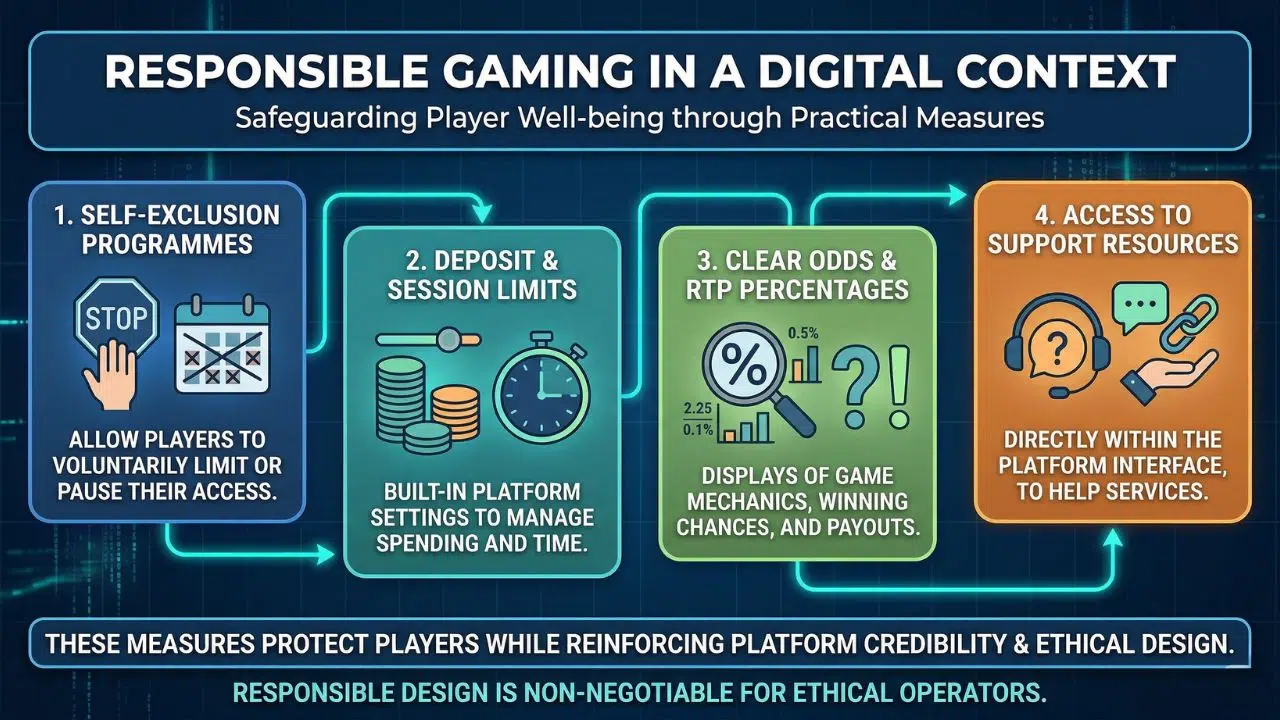
Despite the sophisticated design of these games, responsible gaming remains a core pillar of the industry. Operators and regulators emphasise safeguarding player wellbeing through practical measures:
- Self-exclusion programmes that allow players to limit or pause access
- Deposit and session time limits built into platform settings
- Clear display of odds and return-to-player percentages
- Access to support resources directly within the platform interface
These measures protect players while reinforcing the credibility of the platforms that implement them. The same variable reward structures that make randomized games engaging also make responsible design non-negotiable for ethical operators.
The Future of Randomized Gaming
Advances in artificial intelligence, machine learning, and blockchain technology are expected to drive further innovation in both game design and regulatory oversight. Personalised player experiences, provably fair blockchain-based games, and more immersive interfaces are already in development across the industry.
The growing convergence of virtual reality with traditional gaming formats offers players more immersive digital environments, likely widening the audience for games that reward an appreciation of intricate mechanics. As the industry matures, the focus on fairness, security, and innovation will remain central to sustaining player trust and enthusiasm.
Gaming Advisory: The content within this article is for informational purposes only. Individuals are encouraged to gaming responsibly and seek professional advice if required.