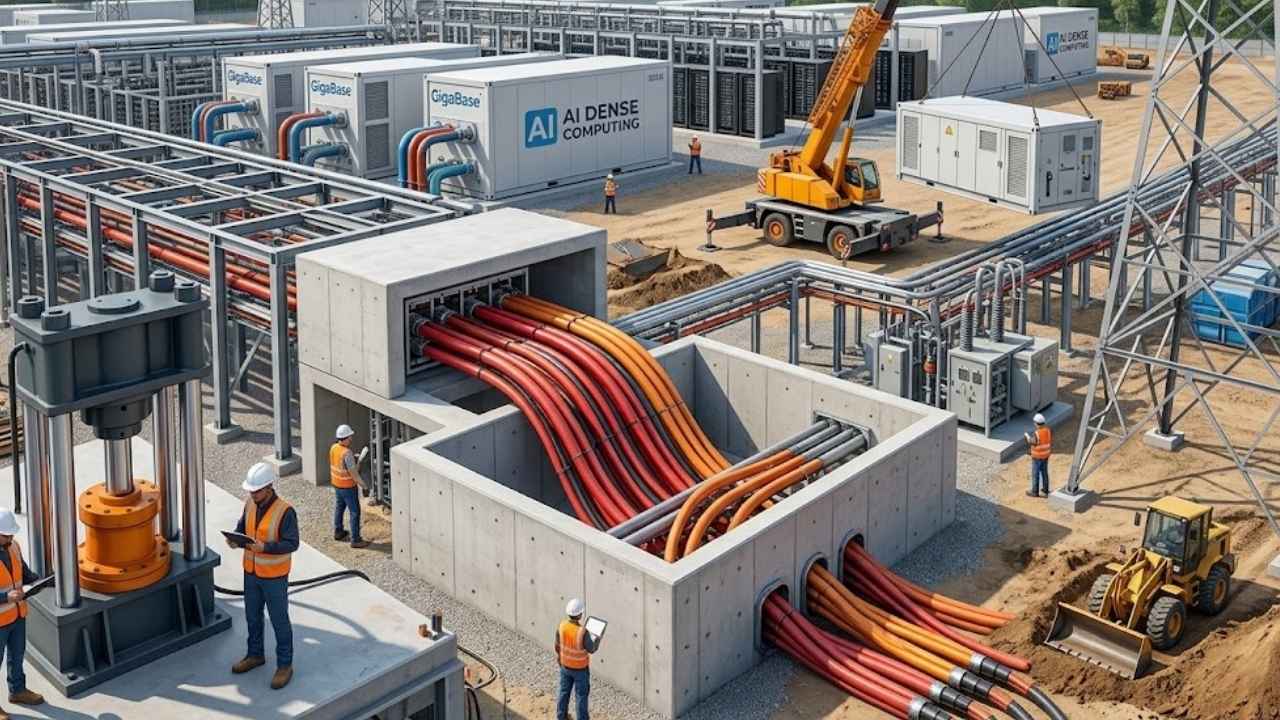

When we picture global technology hubs, we usually imagine the sunny campuses of Silicon Valley or the packed financial districts of Tokyo. We rarely picture a freezing, snow-covered industrial park in eastern Canada. Yet, over the last few years, a massive chunk of the world’s blockchain activity relocated to just such a place. The story of Quebec crypto mining is not just about digital code floating in the cloud.
It is a very physical story about raw resources, massive concrete dams, and the freezing winter air. Mining digital assets requires an unbelievable amount of electricity. Thousands of specialized computers must run around the clock to solve the complex mathematical puzzles that secure the network. Because power is the single biggest expense for any operator, miners spend their days hunting for the absolute lowest operating costs on earth.
They found exactly what they were looking for in the Great White North. A perfect storm of freezing weather, massive power grids, and political stability turned the province into a modern-day gold rush almost overnight. But the journey has been far from perfect. The sudden flood of foreign operators forced local mayors, provincial utility providers, and citizens to completely rewrite their rules. What started as a free-for-all grab for cheap power eventually transformed into a highly regulated, tightly controlled industry. If you want to understand how physical energy shapes digital money, you need to look at what happened here. Let us break down the thirteen critical facts you need to know about the rise, the friction, and the future of this unique industry.
The Origins of Quebec’s Crypto Boom
The foundation for this massive digital rush was actually poured decades before anyone even typed the word Bitcoin. The province spent the better part of a century building one of the most robust and aggressive energy grids on the planet. By harnessing the power of moving water, they accidentally created the perfect environment for a future tech boom.
1. The Power of Hydro-Québec’s Massive Surplus
At the very center of this phenomenon sits the state-owned utility company known as Hydro-Québec. Because the region is packed with massive and fast-flowing rivers, the government spent decades heavily developing huge hydroelectric dams to power the province. This aggressive infrastructure build-out meant the utility routinely generated far more electricity than its citizens or local factories could actually consume on a daily basis. Back in the early 2010s, this excess power reached staggering levels, creating a unique problem for the energy provider. The utility had a massive surplus problem and desperately wanted to make money off that extra energy sitting in the grid.
They started heavily pitching their clean and ultra-cheap power to energy-hungry industries across the globe. They initially targeted traditional server farms for tech giants like Google and Amazon to use up the slack. But cryptocurrency operators caught wind of the deal much faster and realized the potential. While power rates routinely skyrocket in places like Europe or California, industrial users in this Canadian province could buy electricity for just a few pennies per kilowatt-hour.
| Surplus Factor | Description | Benefit to Operators |
| Huge Energy Reserves | Decades of dam building created more power than locals used. | Miners could buy massive blocks of power without fighting local industries. |
| Renewable Generation | Almost all electricity comes from rushing river water. | Operations could run 24/7 on a clean and highly stable baseload. |
| Rock-Bottom Prices | The utility offered some of the lowest industrial rates in the world. | Cheap electricity drastically increases overall profit margins. |
Understanding the Grid Capacity
To really understand why this matters, you have to look at how these machines actually operate on the floor. A standard server farm cannot rely on wind that stops blowing or solar panels that shut down completely at sunset. They need what the industry calls continuous baseload power to stay profitable. Hydro-Québec’s dams push out reliable electricity every single second of the day without fail. If a machine loses power for even a minute, the operator bleeds money immediately. The local grid offered the exact, unwavering stability the industry desperately needed to run.
2. The Unbeatable Advantage of a Cold Climate
Cheap power only solves half the puzzle for these tech operators looking to maximize their daily profits. The specialized machines used to verify blockchain transactions generate a ridiculous amount of physical heat while they crunch numbers. If you put thousands of these computers in a single metal warehouse, they will literally melt their own components if you fail to cool them down properly. In standard data centers down south, massive air conditioning units make up a huge chunk of the monthly electricity bill and kill profit margins.
Quebec fixes this expensive problem entirely for free simply by existing in the north. The region’s long, freezing winters and incredibly mild summers act as a natural giant air conditioner for the buildings. Facility managers simply install massive industrial fans in the warehouse walls to manage the temperature. They pull the freezing outside air directly across the hot server racks and vent the exhaust out the roof. This natural cooling trick completely eliminates the need for power-hungry commercial chillers.
| Climate Advantage | How It Works | Financial Impact |
| Freezing Winters | Temperatures drop well below freezing for months. | Completely removes the need for expensive commercial AC units. |
| Natural Ventilation | Massive fans pull cold outside air across the servers. | Slashes the monthly utility bill dramatically. |
| Equipment Lifespan | Keeping machines cool prevents hardware degradation. | Saves money on replacing melted or burnt-out computer parts. |
3. The Global Miner Migration
This massive local boom was actually triggered by global panic rather than local marketing efforts. A few years ago, countries like China began cracking down hard on digital currency operations within their borders. Foreign governments cited environmental fears, grid instability, and a desire to completely control their own financial systems. Overnight, massive overseas mining syndicates had to shut off their machines, pack them into shipping containers, and get out of town fast. They desperately needed a safe, cold place to land where their investments would be protected.
Canada offered total political and economic stability compared to the rest of the world. The country respects property rights, operates under a clear legal system, and generally leaves private businesses alone to make money. When foreign operators looked at a map for a new home, this specific province checked every single box they had. This sudden global migration brought shipping containers full of high-tech gear straight into rural Canadian towns.
| Migration Driver | The Problem Abroad | The Canadian Solution |
| Political Instability | Foreign governments arbitrarily seized expensive hardware. | Canada offers strong property rights and a clear legal system. |
| Energy Crackdowns | Other countries banned energy-intensive digital operations. | The province actively advertised its massive energy surplus. |
| Rapid Relocation | Syndicates needed to move entire warehouses quickly. | Rural towns had plenty of empty factories ready for leasing. |
The honeymoon phase between the government and the tech operators crashed very quickly once the reality of the situation set in. Once regulators saw the sheer, terrifying scale of the energy demand, they realized they had a massive problem on their hands. Miners did not just want a little extra juice; they wanted to eat the entire grid and leave nothing behind for future development.
4. The Shift from Welcoming to Wary
Initially, the state utility loved the idea of selling off their extra power to these new tech companies moving into town. Executives even flew to international tech conferences to pitch the province to billionaires in the blockchain space. But reality hit hard around 2018 when they looked at the actual employment numbers. A massive mining warehouse drawing enough power to run a small town might only hire four or five local technicians to watch the computer screens. Regulators quickly realized the math just did not add up for the long-term health of the region.
They started asking why the province should sell off its most strategic natural resource to foreign companies if it failed to create thousands of local jobs. Unlike traditional car factories or lumber mills, this industry is heavily automated and relies on software rather than human labor. Politicians grew extremely wary and started pushing back against the idea of giving away their cheap power.
| Economic Viewpoint | Initial Expectation | The Harsh Reality |
| Job Creation | Hoped for thousands of new high-tech jobs. | Facilities only need a handful of security and maintenance staff. |
| Resource Management | Wanted to profit off the unused energy surplus. | Realized giving it away cheap hurt other potential industries. |
| Community Impact | Assumed massive tech investments would boost towns. | Most of the profits immediately left the country. |
5. The Moratoriums and Connection Halts
The absolute breaking point happened when the utility company looked at their connection waitlist one morning. They had suddenly received applications from hundreds of shell companies and mining outfits asking for a combined total of over fifteen thousand megawatts of power. To put that massive number in perspective, that was more than a third of the entire utility’s generating capacity for the whole province. If they plugged all those machines in, the province’s safety net would vanish instantly and cause massive blackouts.
The government panicked and realized they had to take drastic action immediately. They slammed on the brakes and issued a strict moratorium, which acts as a legal freeze on all new electrical connections for specific industries. Hundreds of eager entrepreneurs who had already signed warehouse leases found themselves completely locked out of the grid. This harsh pause gave the energy board time to breathe and rewrite the rules.
| Regulatory Action | What Happened | The Immediate Result |
| The Waitlist Shock | Utility received requests for 15,000 megawatts of power. | Realized the grid would collapse if all were approved. |
| The Legal Freeze | Government issued a strict moratorium on new hookups. | Halted all new construction and left entrepreneurs stranded. |
| The Policy Reset | Board used the pause to draft entirely new regulations. | Shifted the power dynamic back to the local government. |
6. Introduction of Rate CB and Tiered Pricing
To tame the wild west of this new industry, the local energy board eventually approved a highly specific and brand-new rulebook. They rolled out Rate CB, a specialized electricity tariff designed specifically and exclusively for cryptographic use applied to blockchains. The board completely stripped away the ultra-cheap legacy rates that originally attracted these companies to the frozen north. Under Rate CB, new operators were forced to pay much higher prices for their energy consumption.
If they went over their authorized usage limit, the price jumped drastically, sometimes hitting well over fifteen cents per kilowatt-hour. This aggressive new rate acted like a heavy filter to weed out the bad actors. It kept the cheap, fly-by-night operations out of the province while forcing serious companies to negotiate strict contracts.
| Pricing Strategy | How It Works | The Goal |
| Rate CB | A specific, higher tariff only for blockchain operations. | Prevents operators from exploiting cheap residential energy rates. |
| Tiered Penalties | Prices skyrocket if an operator exceeds their allowed limit. | Forces companies to strictly monitor and manage their usage. |
| Quality Control | High costs push out hobbyists and underfunded startups. | Ensures only serious, compliant corporations connect to the grid. |
The Real-World Impact of Mining in Quebec
You simply cannot plug thousands of high-powered industrial servers into small-town power grids without causing intense friction. The collision of a borderless digital currency with very real physical infrastructure sparked heated debates among mayors, environmentalists, and everyday citizens across the region.
7. Environmental Debates: Is “Green” Bitcoin Real?
Bitcoin takes a massive beating in the global press for burning fossil fuels and destroying the environment. But Quebec crypto mining offers a completely different narrative that industry executives absolutely love to push. Because nearly one hundred percent of the power here comes from rushing river water, the direct carbon emissions from these massive server farms sit practically at zero. Industry executives absolutely love to market this concept as green digital currency to appease nervous investors.
Local environmentalists, however, see right through the slick marketing campaigns. They strongly argue that energy is a shared and fungible resource across the entire continent. If the province gives its clean hydro surplus to crypto operators, they have far less clean energy to sell to neighboring regions like New York. If New York cannot buy clean Canadian power, they have to burn natural gas or coal to keep their own lights on.
| Environmental Angle | The Argument | The Counter-Argument |
| Local Emissions | Farms use hydro power, so direct local pollution is zero. | Building massive server farms still has an ecological footprint. |
| Export Capacity | Selling surplus to tech means less power to sell abroad. | Neighboring states might have to burn coal if they cannot buy hydro. |
| Overall Footprint | “Green” marketing makes the industry look sustainable. | Energy is fungible, so global emissions might still increase. |
8. Economic Trade-Offs for Local Communities
When the tech syndicates first rolled into these rural towns, they promised high-tech revitalization and endless money for everyone. To be fair to them, they did actually breathe life back into some seriously depressed areas that had lost their traditional industries. Old, rotting paper mills and empty manufacturing plants were quickly bought up, renovated, and filled with blinking lights and fresh wiring. This sudden activity brought in temporary construction money and gave local property tax revenues a very nice bump for the town budget.
But the long-term economic payoff remains highly debatable for the people who actually live there. You just do not need many actual human beings to run a massive server farm once the wires are laid. Once the facility is built and the machines are plugged in, a multi-million dollar operation basically runs on autopilot. Local mayors quickly started complaining that they were giving away their electrical capacity without getting real jobs.
| Economic Factor | The Short-Term Win | The Long-Term Loss |
| Property Use | Abandoned factories were quickly leased and renovated. | Facilities take up massive space but employ very few locals. |
| Tax Revenue | Towns received a sudden bump in property taxes. | The massive profits generated inside leave the community entirely. |
| Job Market | Created temporary jobs for local electricians and builders. | Fails to provide long-term, high-paying career opportunities. |
9. Infrastructure Strain and the 15,000 Megawatt Shock
That massive fifteen thousand megawatt request waitlist did not just scare politicians; it absolutely terrified the structural engineers. Upgrading a rural grid to handle that much raw, continuous power is incredibly expensive and highly dangerous if done incorrectly. You have to string thicker high-voltage lines, build massive new transformers, and completely overhaul local substations to handle the massive load. The utility company had to figure out exactly who was going to pay for all this heavy metal and expensive copper wire.
They quickly changed the internal rules to protect regular citizens from footing the massive bill. Now, if an operator wants to set up a massive farm out in the country, the company has to pay the entire cost of the local grid upgrades out of their own pocket. Everyday residential ratepayers are no longer on the hook for subsidizing the infrastructure needed to mine digital gold.
| Infrastructure Need | The Challenge | The Resolution |
| High-Voltage Lines | Rural towns lacked the wiring to support massive power draws. | Operators must now pay to install their own heavy-duty power lines. |
| Substation Upgrades | Old transformers would blow out under continuous maximum load. | Companies foot the bill for custom substation construction. |
| Ratepayer Protection | Regular citizens feared their monthly bills would spike. | The utility legally shielded residents from infrastructure costs. |
10. Municipal Pushback and Local Taxation
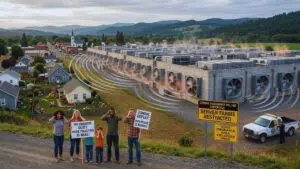
While the big energy policies get decided by politicians in the capital, local mayors have to deal with the highly annoying daily realities of hosting these places. The biggest shock for small towns was the sheer volume of noise generated by these massive concrete buildings. Thousands of high-speed server fans running at maximum capacity sound exactly like a jet engine that never quite takes off. This constant, high-pitched whine drove nearby neighbors absolutely crazy and ruined the peace of rural life.
Many towns fought back aggressively to protect their citizens from the noise pollution. City councils passed strict new zoning laws, completely banning server farms near residential neighborhoods and forcing them out into heavily isolated industrial parks. Cities also started looking for clever ways to tax these buildings better to make up for the nuisance. They realized that taxing an old warehouse based purely on its square footage makes zero sense anymore.
| Local Challenge | How It Affects Towns | How Towns Fought Back |
| Noise Pollution | High-speed cooling fans create a constant, annoying whine. | Passed noise ordinances and forced farms into isolated zones. |
| Zoning Disputes | Operators tried to build next to quiet residential neighborhoods. | Rewrote zoning laws to restrict where facilities can legally operate. |
| Fair Taxation | Standard property taxes missed the massive digital profits. | Explored new tax frameworks based on electricity usage and equipment. |
The Future of the Industry
The wild west days of plugging a computer into your garage wall and becoming a tech millionaire are completely dead in this province. The industry finally grew up and realized it had to play nicely with the local government to survive. Today, surviving in this specific market requires deep pockets, incredibly clever engineering, and a strict willingness to play by the rules.
11. Institutional Dominance Over Retail Miners
If you want to mine in this province today, you need a serious corporate legal team and massive funding from Wall Street. The complex energy contracts, the extensive environmental assessments, and the sheer astronomical cost of modern hardware completely pushed out the hobbyists. The landscape is now completely dominated by massive, publicly traded companies that answer to shareholders and board members. These massive corporate players actually prefer the strict rules and heavy government oversight that scared away the smaller guys.
It gives them exactly what they crave to secure funding: regulatory certainty and a clear path forward. They know exactly what they are allowed to do, exactly what they have to pay for power, and exactly when they have to shut down. This massive shift turned a sketchy internet movement into a highly regulated corporate industry.
| Industry Shift | The Old Era (Retail) | The New Era (Institutional) |
| Who Runs It | Small groups or individuals in garages and small shops. | Massive publicly traded corporations with millions in funding. |
| Rule Following | Looked for loopholes and tried to fly under the radar. | Employs legal teams to ensure total compliance with energy boards. |
| Financial Backing | Relied on personal savings and risky short-term loans. | Backed by institutional investors and traditional stock markets. |
12. Innovative Solutions Like Heat Recovery
To survive the local backlash and prove they actually belong in the community, operators are getting incredibly creative with their physical engineering. Instead of just blowing hot server exhaust out into the freezing snow and wasting it, forward-thinking companies are capturing that heat. This is known as heat recovery, and it represents the actual future of the industry if it wants to survive. Some operators are now piping their exhaust heat directly into massive commercial greenhouses built right next door.
This brilliant setup allows local farmers to grow fresh strawberries, tomatoes, and lettuce in the dead of a brutal Canadian winter. Other experimental projects are testing ways to pipe this residual heat straight into local residential heating grids to warm homes. By turning their annoying waste heat into a highly valuable local resource, operators are finally creating real community benefits.
| Innovation | How It Functions | Community Benefit |
| Commercial Greenhouses | Hot server exhaust is piped directly into adjacent farming structures. | Allows locals to grow fresh produce year-round in a freezing climate. |
| District Heating | Residual thermal energy is routed into local community heating grids. | Reduces the heating bills for nearby homes and local businesses. |
| Circular Economy | Turns a strictly extractive tech process into a shared physical resource. | Improves public relations and proves the industry can add real value. |
13. The Long-Term Outlook for Crypto in Quebec
Looking ahead, this province will absolutely remain a premium, blue-chip destination for digital asset operations for decades to come. The government made it crystal clear that they do not want to ban the industry entirely, but they absolutely refuse to let it run wild anymore. They want slow, highly managed, and heavily taxable growth that benefits the citizens first and foremost. By forcing operators to shut down during winter storms and making them pay fair prices through strict tariffs, the local energy board successfully created a blueprint.
They proved that you can actually harness the massive economic power of the blockchain without sacrificing the stability of your local grid. The operators who agree to play by these strict terms will enjoy decades of clean, stable power. Those looking for a quick, unregulated buck will simply have to pack up and look elsewhere.
| Future Outlook | Government Stance | Industry Reality |
| Controlled Growth | Refuses to let rapid expansion crash the local power grid. | Only highly compliant companies will get approval to build. |
| Global Blueprint | Created a working model for how to regulate energy usage. | Other countries are studying these specific tariff structures. |
| Long-Term Stability | Offers decades of clean power to those who follow the rules. | Remains a top destination for serious, well-funded operations. |
Final Thoughts
The story of Quebec crypto mining serves as the perfect example of what happens when the fast-moving digital world violently collides with physical reality. What started as a chaotic, unregulated rush for cheap hydro power evolved into a highly complex dance between tech entrepreneurs, utility engineers, and local politicians. The province took a massive, unchecked surge of energy demand and managed to build a very sturdy regulatory cage around it.
Today, the region stands as a fascinating global test case. It shows the rest of the world that with strict rules, winter curtailment policies, and innovative ideas like heat recovery, a region can successfully host the future of digital finance while still making sure the lights stay on at home.