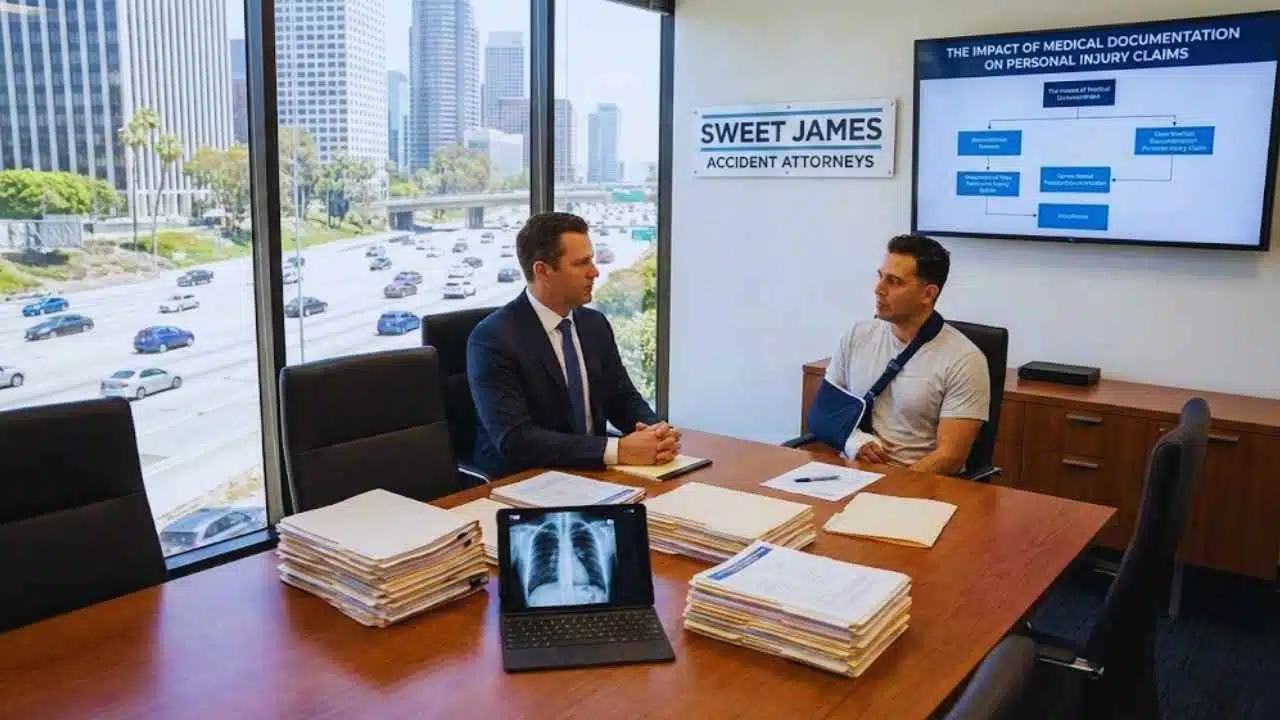
California’s legal landscape is shaped by its size, diversity, and constant movement, with millions of residents navigating busy roads, workplaces, and public spaces every day. When accidents occur, the path to recovery often leads into a detailed personal injury process governed by state-specific standards. California law places strong emphasis on objective proof, especially in claims where injuries may evolve over time or involve complex treatment. In this environment, personal injury cases depend heavily on how clearly injuries are documented from the earliest stages of care through ongoing recovery.
As a result, medical documentation becomes a cornerstone of personal injury claims throughout California. Records created by healthcare providers help courts and insurers evaluate the facts of the case. These documents often influence how responsibility is assessed, how losses are calculated, and how disputes are resolved. A Sweet James accident attorney can explain the importance of medical records and allow injured parties to approach the claims process with greater awareness, preparation, and confidence.
Establishing the Timeline of Injury
Medical records show when the injury was sustained and the subsequent treatment and timeline for recovery. Healthcare providers with timely records can help verify that the harm occurred due to a certain event. These can include hospital visits, follow-up appointments, and diagnostic tests. Regular and timely entries create a reliable, chronological history that helps claimants pursue damages.
Demonstrating the Severity of Harm
Records from healthcare providers outline details about the physical and psychological impact of the event. The seriousness of the injury can be determined by examining notes, imaging results, and the prescribed treatment. These records demonstrate the impact of an injury on the victim’s everyday life and also substantiate claims for full and fair compensation.
Supporting Causation and Liability
Medical documentation directly connects the injury to the incident. A medical note will typically recount how the injury occurred and show whether there were any serious wounds. This link between the injury and event is critical for establishing liability. Without this information, an insurance company or the court could argue that the incident did not cause the harm.
Calculating Medical Expenses
You can accurately determine medical costs thanks to detailed records. Bills and receipts for treatments, medication, and therapy sessions will help you calculate economic damages. This paperwork ensures that injury victims are compensated for all expenses related to the incident. Documenting future treatment needs is also important if the injuries are long-term or permanent.
Influencing Settlement Negotiations
Negotiation outcomes often depend on comprehensive healthcare records. These documents help determine the value of a personal injury claim, so insurance adjusters and opposing parties often rely on them. Organized records can help you resolve disputes regarding the scope of injury and the need for extensive treatment. This clarity can provide quicker, better outcomes for injured parties.
Addressing Challenges From Opposing Parties
The opposing party’s legal representative or insurance carrier may dispute the validity or relevance of your claims. However, thorough medical records can help you resolve these disputes. These documents provide details regarding your symptoms and treatments and therefore strengthen your argument. Incomplete or inconsistent documentation may weaken your case and prolong negotiations.
Highlighting Long-Term Consequences
Sometimes, the damage suffered from an injury has lasting effects on the individual’s quality of life. Medical records document changes in health, ongoing pain, and loss of mobility. It can show that the effects of the event were permanent and may also serve as evidence to support future claims for care or compensation due to reduced quality of life.
Improving Credibility in Legal Proceedings
Clear evidence will help judges and juries make more informed decisions. Medical documentation provides an objective overview of the individual’s injuries and condition as a result of the incident and can strengthen their case. These records have more credibility in a court of law.
Takeaways
Medical documents play a crucial role in personal injury cases. They strengthen all aspects of the case, help prove liability, and make negotiations easier. Clear and comprehensive information minimizes disagreements and allows injured parties to pursue fair compensation.