People who like collecting blades or learning self-defense weapons usually hear about karambit knives at some point. The curved blade looks interesting, and the ring handle makes it feel different from anything else you might have used before. But before you jump in and try to get a karambit knife, it actually helps to slow down and understand what makes this knife special. A lot of beginners buy one just because it looks cool, but the karambit is more than a cool design. It has a specific purpose, and when someone understands that purpose clearly, the knife becomes much easier to use safely.
The karambit originally came from Southeast Asia, where farmers used it for cutting plants and working in the fields. Over time, martial artists saw that the design could also work well for close-range defensive techniques. That is why even today, many people look for a proper explanation before they commit to getting one. If you want to get a karambit knife, it’s better to know what you’re getting into rather than buying it just because everyone else is talking about it.
How the Karambit Actually Works
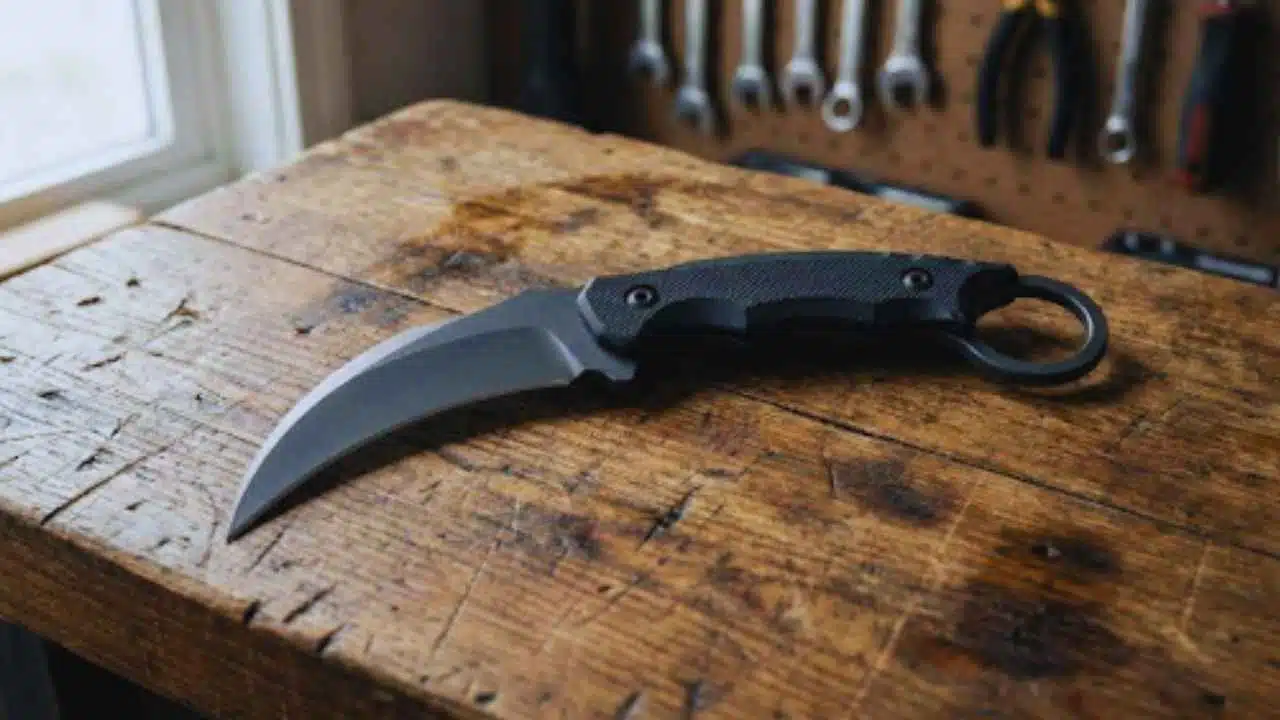
A lot of people think a karambit is just another small knife, but the design changes everything. The blade curves like a claw, so it does not move in a straight line when you swing it. It follows the curve of your arm instead. This means the knife needs a different kind of control. Anyone who wants to get a karambit knife should understand this before they even pick it up. If you treat it like a normal knife, you will feel uncomfortable right away. But once you see how the curve guides your hand, the knife begins to make sense.
The ring on the handle also changes the way you hold it. You can spin it, lock it into your grip, or switch positions without letting it fall. This is why many people who train with it say the karambit feels secure even during fast movements. Of course, the same design that gives you control can also make it tricky for beginners. That’s why reading a detailed guide or practicing slowly is important before trying anything advanced with it.
Why So Many People Want Karambits for Sale
When people search for karambits for sale, they are usually drawn to the unique shape first. The curved blade feels exotic compared to straight knives, and the design makes it look powerful even before you use it. Some collectors buy them simply because they stand out, while others buy them because they want a knife that feels natural in close-range self-defense situations. The truth is, the karambit isn’t like other knives, and that difference is what gets people interested.
Another reason people want karambits for sale is that the design has become popular in movies, games, and videos. But just because the knife looks flashy on a screen doesn’t mean every buyer knows how to use it. Many people end up buying the wrong size or wrong material because they don’t know what the knife is supposed to do. Anyone seriously thinking about using one should understand that the karambit works best with a relaxed grip and controlled movement, not brute force. Once people learn this, the knife becomes much easier to appreciate.
The Real Purpose Behind the Design
The karambit’s curved blade wasn’t created by accident. Farmers used the shape to hook and slice cleanly through plants without needing much strength. Martial artists adapted the same principle for defensive movements, using the curve to redirect or catch attacks in a natural motion. This is what makes the karambit different from a straight blade. The curved motion feels like an extension of the hand rather than something separate that you need to control artificially.
People who try to get a karambit knife without understanding the purpose of the curve usually end up frustrated. They either grip it too tightly or move it too stiffly, which makes the knife feel awkward. But when someone relaxes the grip and lets the natural curve guide the motion, everything becomes smoother. The design helps you rather than fights you, and that is when the karambit begins to feel like the unique tool that it truly is.
What to Know Before Buying One
Before you decide to get a karambit knife, there are a few things worth thinking about. First, the blade size matters. Some karambits are very small and feel almost too light, while others are larger and might feel heavy for beginners. The handle shape also changes from one model to another. Some have a wide ring, some narrow, and some include extra grooves for your fingers. These small details make a big difference in how comfortable the knife feels.
When people look for karambits for sale, they often focus only on the blade’s look, but the comfort of the handle is equally important. A karambit that doesn’t sit properly in your hand will make every movement feel stiff. Another thing to consider is whether you want a fixed blade or a folding karambit. Fixed blades are stronger and easier to use in training, while folding ones are easier to carry. Both have their uses, but beginners usually feel more stable with a fixed blade.
Should You Buy One?
Whether you should buy a karambit depends on what you want from it. If you want something for collecting, the knife’s unique shape makes it a great piece. If you want to train with it, make sure you start slow and maybe even use a trainer version first. The knife rewards control and patience, not speed or strength. So if you follow a simple guide and take your time, the karambit becomes a very comfortable tool.
If your goal is self-defense, then understanding how the knife moves is even more important. The curve can help you, but only if you know how to let it work with your body. Anyone who wants to get a karambit knife should remember this. With the right training and the right choice of material, a karambit can be a reliable and effective tool, whether you use it for learning or simply appreciate its design.