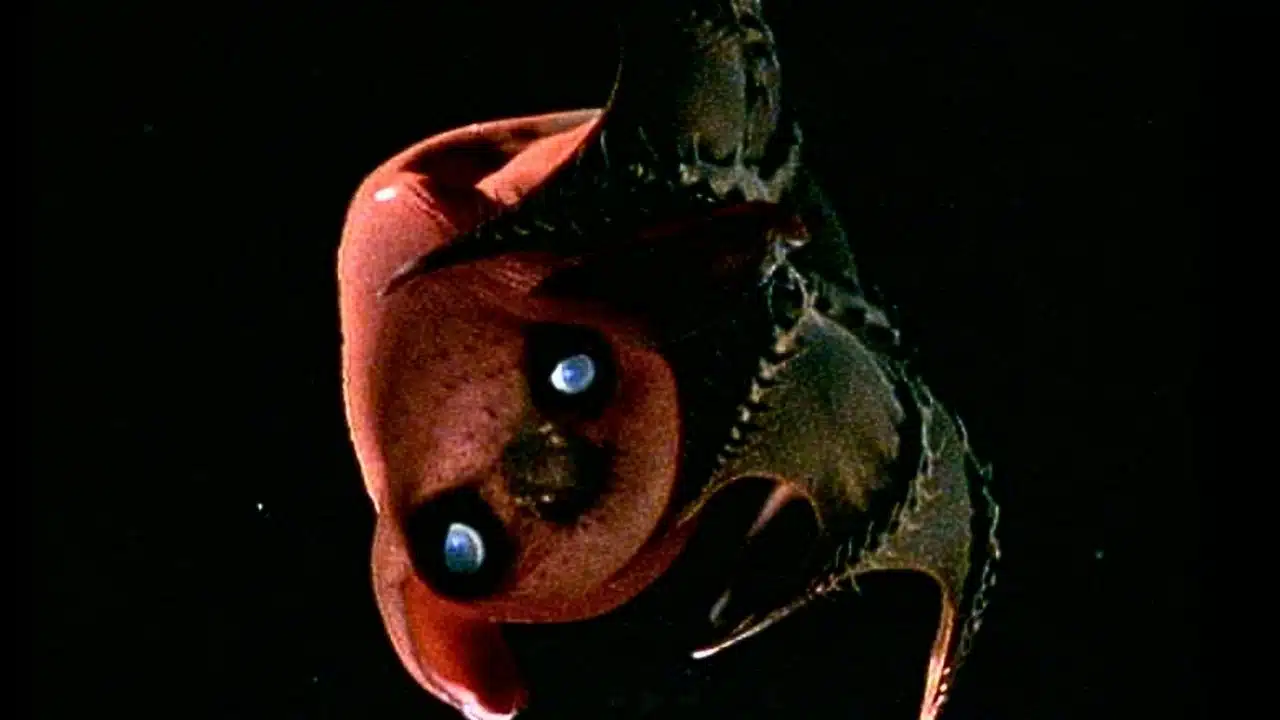
Scientists have finally sequenced the massive genome of the vampire squid (Vampyroteuthis infernalis), unlocking secrets about its evolutionary history and revealing why it is considered a “living fossil” of the deep sea. The study, published in the journal iScience, marks a major milestone in cephalopod genetics and provides unprecedented insights into the origins of octopuses and squids, with implications for understanding animal evolution over the past 300 million years.
A Deep-Sea Enigma Unveiled
The vampire squid, a mysterious creature that inhabits the pitch-black depths of the ocean, has long intrigued scientists due to its unique biology and evolutionary position. Unlike its more aggressive relatives, the vampire squid is a gentle filter-feeder, floating in the oxygen minimum zone where few animals can survive. For decades, its anatomy and behavior have been studied, but its genetic blueprint remained elusive until now.
The newly sequenced genome, at over 11 billion base pairs, is roughly four times the size of the human genome and the largest cephalopod genome ever analyzed. This colossal size is largely due to repetitive DNA sequences, which do not code for proteins but may play a role in genome structure and regulation. Despite its enormous genome, the vampire squid’s chromosomes display a remarkably conserved structure, closely resembling those of squids and cuttlefish—despite being classified among octopuses.
The Living Fossil Connection
The vampire squid’s genome offers a rare window into the early days of cephalopod evolution. Its chromosomes retain much of the ancestral arrangement found in ancient squids, suggesting that the last common ancestor of octopuses and squids was more squid-like than octopus-like. This discovery helps resolve a long-standing debate about which body plan was ancestral in this group.
Modern octopuses, by contrast, have undergone extensive genomic reorganization, with DNA segments frequently fusing and moving within the genome. These changes, rather than the emergence of new genes, appear to be the main drivers of modern cephalopod evolution. The vampire squid’s genome, therefore, acts as a genomic “living fossil,” preserving a snapshot of what early cephalopod genomes looked like before these dramatic rearrangements occurred.
The Genomic Giant
The vampire squid’s genome is not only the largest cephalopod genome sequenced but also one of the largest animal genomes known. Its size is primarily due to the proliferation of repetitive DNA, which makes up a significant portion of its genome. While repetitive DNA does not code for proteins, it can influence genome architecture and gene regulation, possibly contributing to the vampire squid’s ability to thrive in extreme environments.
The sequencing was accomplished using advanced genetic analysis platforms, such as PacBio HiFi sequencing, which allowed researchers to assemble the genome with high accuracy. This technology is particularly well-suited for large, repetitive genomes, making it possible to piece together the complex structure of the vampire squid’s DNA.
Evolutionary Implications
The vampire squid’s genome provides critical clues about the evolutionary divergence between octopuses and squids, which occurred around 300 million years ago. By comparing the vampire squid’s genome to those of other cephalopods, including the common octopus, curled octopus, and Argonaut, researchers have identified key differences in chromosomal structure and organization.
These findings suggest that the ancestral cephalopod genome was more squid-like, with a stable chromosomal arrangement. Modern octopuses have diverged significantly, with their genomes undergoing extensive reorganization. The vampire squid, therefore, represents a crucial link in the evolutionary chain, helping scientists reconstruct the genetic changes that have shaped cephalopod diversity over millions of years.
Deep-Sea Adaptations
The vampire squid’s unique adaptations to life in the deep sea are also reflected in its genome. Its ability to survive in low-oxygen environments, for example, may be linked to specific genes involved in oxygen metabolism and energy production. The genome also contains genes associated with bioluminescence, which the vampire squid uses for defense and communication in the dark depths.
The vampire squid’s genome may also hold clues about its unusual reproductive strategy. Unlike most cephalopods, which reproduce once and then die, the vampire squid is believed to be iteroparous, meaning it can spawn multiple times over its lifetime. This trait, shared with nautiluses, may have contributed to the vampire squid’s long-term survival and evolutionary success.
Methodological Challenges
Sequencing the vampire squid’s genome presented significant challenges, primarily due to the rarity of the species and the difficulty of obtaining tissue samples. The researchers acquired a tissue sample from a vampire squid collected as bycatch in the West Pacific Ocean during a research cruise. Unfortunately, there were no other samples available for comparison, highlighting the need for further deep-sea expeditions and genetic studies.
The use of advanced sequencing technologies, such as PacBio HiFi, was crucial for overcoming these challenges and assembling the genome with high accuracy. These technologies are now being applied to other deep-sea organisms, promising to reveal even more secrets about life in the ocean’s depths.
Broader Scientific Impact
The sequencing of the vampire squid’s genome has far-reaching implications for evolutionary biology, genomics, and marine science. By providing a detailed genetic blueprint of a “living fossil,” the study helps scientists understand the evolutionary processes that have shaped animal diversity over millions of years.
The findings also highlight the importance of deep-sea biodiversity and the need for continued exploration and conservation of these unique ecosystems. As climate change and human activities increasingly threaten the ocean’s depths, studies like this underscore the value of protecting these fragile environments and the remarkable creatures that inhabit them.
Future Research Directions
The completion of the vampire squid’s genome opens up new avenues for research in cephalopod genetics and evolution. Future studies may focus on identifying specific genes responsible for the vampire squid’s unique adaptations, such as its ability to survive in low-oxygen environments and its unusual reproductive strategy.
Comparative genomics studies, involving other deep-sea cephalopods and their shallow-water relatives, will help further elucidate the evolutionary changes that have occurred over millions of years. These studies may also shed light on the genetic basis of complex behaviors, such as bioluminescence and social interactions, in cephalopods.
Final Words
The sequencing of the vampire squid’s genome represents a major breakthrough in cephalopod genetics and evolutionary biology. By revealing the genetic secrets of this enigmatic deep-sea creature, scientists have gained new insights into the origins of octopuses and squids and the evolutionary processes that have shaped animal diversity over millions of years. The vampire squid’s genome, with its enormous size and conserved structure, serves as a genomic “living fossil,” preserving a snapshot of early cephalopod evolution and highlighting the importance of deep-sea biodiversity. As researchers continue to explore the genetic blueprints of other deep-sea organisms, the secrets of the ocean’s depths are slowly being unveiled, offering new perspectives on the history and future of life on Earth.