Competitive intelligence has always been about understanding what others in your market are doing and doing it better. In the past, that meant monitoring keywords, backlinks, or ad placements. Today, it means tracking patterns of intent, engagement, and brand visibility across entire digital ecosystems. The rise of artificial intelligence has made this kind of insight possible on a scale that was unimaginable even a few years ago.
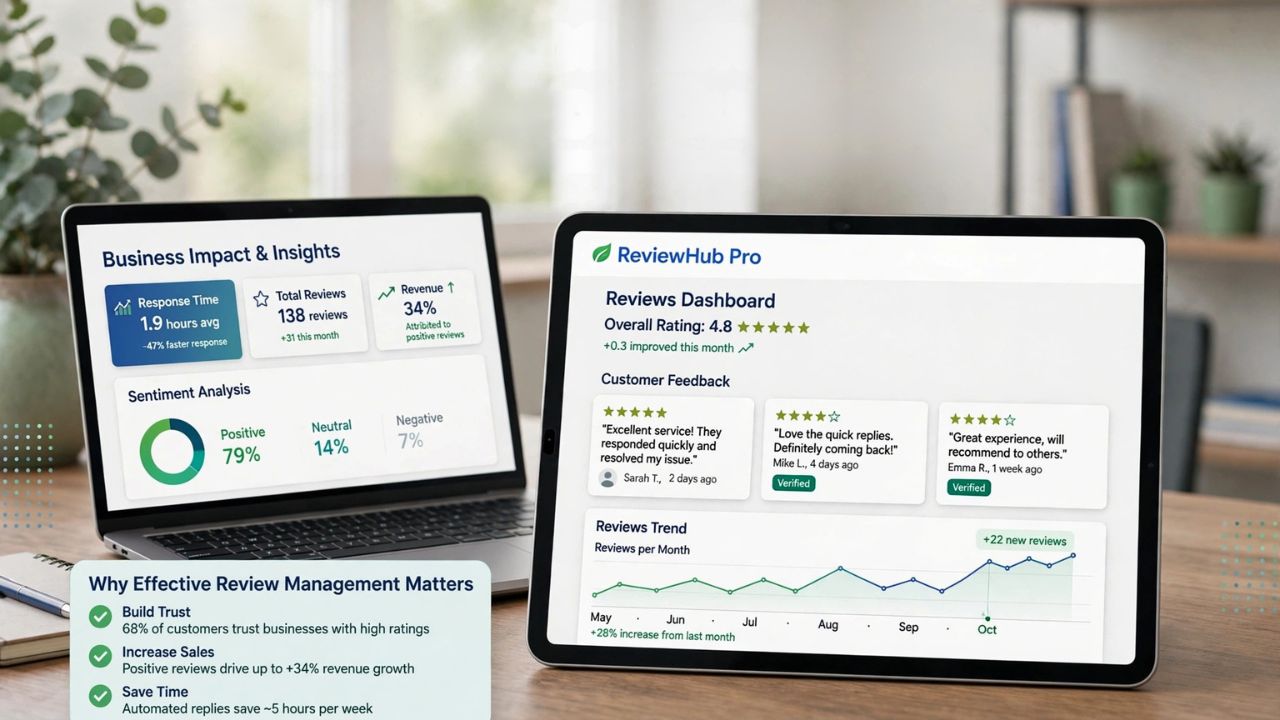
Modern AI visibility platforms are giving businesses a sharper view of their competitors’ strategies. They not only track data but also interpret it, revealing what drives a rival’s success and how to counter it effectively.
Understanding the New Landscape of Competitive Intelligence
The competitive intelligence process used to rely on manual research and fragmented data. Marketers would check search rankings, follow social media trends, and try to piece together insights from multiple tools. That approach was slow and incomplete.
AI has changed that. Today’s platforms consolidate millions of data points from search engines, content networks, and social signals, then analyze them in real time. Instead of reporting what happened last quarter, they can tell you what’s happening right now and what is likely to happen next.
Visibility as a Competitive Metric
Visibility has become one of the most accurate indicators of market strength. If a competitor consistently dominates the search landscape, it’s usually because their content strategy, technical SEO, and brand authority are working together in harmony. AI platforms make that visible.
They analyze how often a competitor appears in search results, which topics drive their engagement, and how their visibility shifts after algorithm updates. This kind of analysis allows marketers to identify which tactics are working and where there may be gaps to exploit.
Pattern Recognition at Scale
Human analysts can only process so much data. AI systems, on the other hand, can track thousands of competitors and millions of keywords simultaneously. They identify relationships between ranking changes, new content launches, and backlink activity that would otherwise go unnoticed.
By learning from these connections, AI can reveal trends before they become obvious to the rest of the market. This means you can spot opportunities faster and act before competitors do.
Predicting Competitor Moves
The most advanced visibility platforms use predictive analytics to forecast what competitors will do next. They detect when a rival brand starts increasing its content output around a certain theme or investing heavily in specific keywords.
That insight helps businesses prepare their own campaigns ahead of time. If your competitor is building authority in cloud cybersecurity, for example, predictive visibility data can help you identify adjacent topics where you can still gain traction. Planning strategy with foresight rather than reaction gives your team a measurable edge.
Integrating Data Across Channels
Competitive intelligence is no longer limited to organic search. AI systems combine visibility data from paid ads, social media, and even YouTube or podcast search results. This multi-channel integration creates a more realistic view of a brand’s digital footprint.
When your competitors push content across several platforms at once, AI visibility tracking connects the dots between those efforts. It shows whether their investment in video or thought leadership is actually influencing their overall visibility. That kind of integrated insight helps shape your own content priorities with precision.
Turning Insight Into Action
Collecting data means little without interpretation. That’s where AI stands apart. It translates information into plain, usable recommendations, what to write next, where to promote it, and which audiences to target.
For marketers, this guidance saves time and ensures every decision is supported by evidence. Tools like Ubersuggest demonstrate how this works in practice by combining competitor analysis, content suggestions, and performance tracking into a single workflow. These systems make intelligence something you can act on immediately instead of filing away for future reports.
The Role of LLMs in Competitive Insight
Large language models have expanded what AI visibility can achieve. They understand relationships between topics, sentiments, and brand positioning in ways that go beyond traditional analytics. An LLM visibility tool doesn’t just track who is ranking, it explains why their messaging resonates and how audiences are responding.
By analyzing tone, entity relationships, and contextual meaning, these models reveal how competitors craft narratives that influence engagement. That level of interpretation transforms competitive intelligence from surface observation into strategic understanding.
Maintaining Ethical and Practical Boundaries
With more power comes more responsibility. Ethical use of competitive intelligence means analyzing publicly available data rather than scraping or copying proprietary content. AI systems make this easier by focusing on performance indicators, not private assets.
At the same time, companies must avoid becoming reactive. The goal is not to mimic competitors but to learn from them, refine your unique positioning, and deliver greater value to your audience. AI makes this possible by providing visibility without losing perspective.
The Future of Competitive Visibility
As artificial intelligence continues to advance, visibility platforms will become even more intuitive. Expect to see systems that automatically identify new competitors entering your space and flag changes in brand perception as they occur.
The next generation of platforms will likely merge competitive intelligence with customer insight, revealing not just what competitors are doing but how audiences are responding in real time. That connection between visibility and sentiment will define the future of marketing strategy.
The days of guessing what your competitors are up to are over. AI visibility platforms have made market understanding faster, deeper, and more actionable than ever before. They turn scattered data into structured intelligence that teams can use to stay ahead.
For marketers and analysts, the key is learning how to interpret and apply this insight. Tools powered by LLMs and predictive analytics are no longer optional. They’re essential for any brand serious about growth. In a world where attention is the ultimate currency, mastering competitive visibility is what separates leaders from followers.