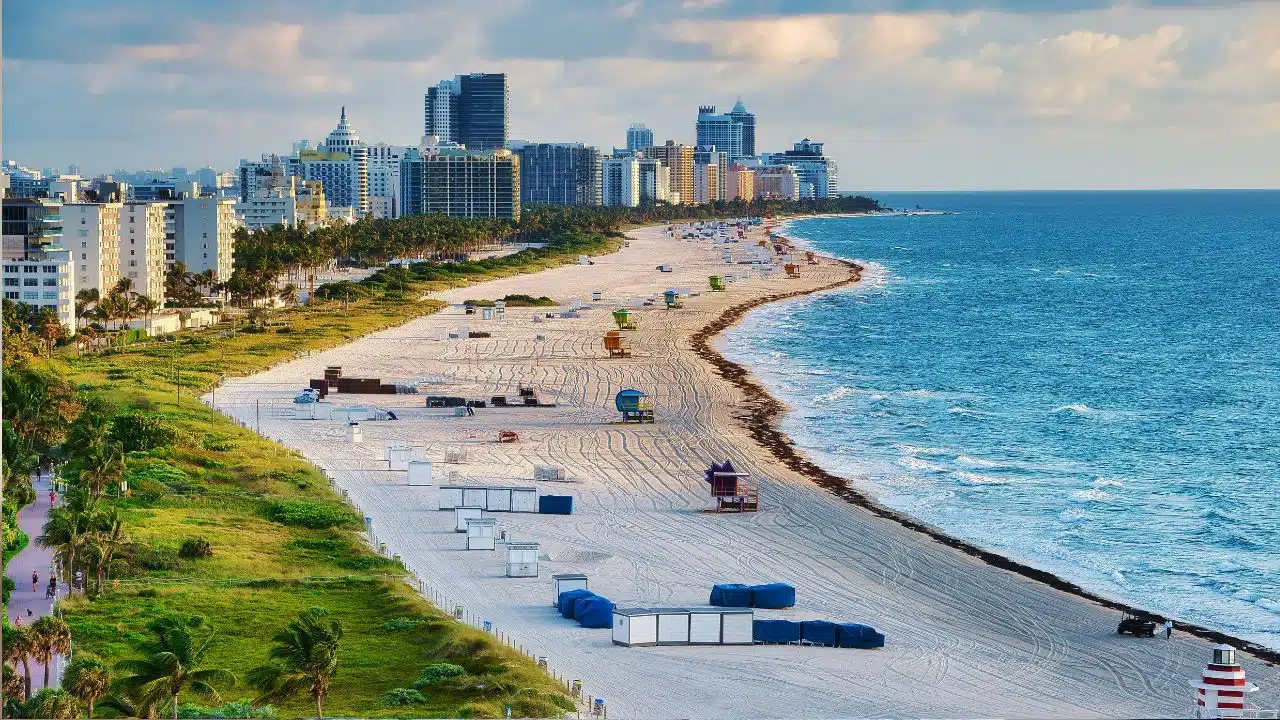
Did you know that, on average, over 27 million people visit Miami every single year? In fact, last year in 2024, was a record year for tourism with 28 million people. It’s always interesting to see who travels there and what the breakdown looks like. When diving into the stats, you can see that 8.82 million are from Florida, 12.97 million from other U.S. states and 6.44 million are international tourists.
This clearly shows that a vast majority of people traveling to Miami are from around the US but there is still a considerable number of people from across the world. With travel being such a prevalent feature in and around Miami, it’s fascinating to look at what the future of this could look like in this coastal city, which is known for its warm weather, ocean views, culture, nightlife and an energy you can’t quite replicate anywhere else.
As you likely already know, travel has changed quite considerably over the past few years. Why? Well, to touch on one to start, there are often new environmental factors that need to be considered, especially with coastal cities. This means that the way people explore Miami needs to change. From technology and sustainability to changing traveler expectations, the future of coastal tourism is being reshaped right in front of you. With the rising demand of tourists, new ways to experience the city by land and sea are coming up.
Keeping Miami’s Coastline Beautiful for the Future
One of the biggest forces driving the future of coastal tourism is sustainability. Travelers today care more about their impact, especially when they visit fragile coastlines. Coastal cities that adapt will stay attractive long-term and Miami is one of the places moving steadily in that direction. It’s paramount for Miami to keep its waters and beaches clean, which is why they are always working toward ways to restore environmental safety and security for the city and county.
Miami has had to face the reality of rising seas, stronger storms and hotter days, so the city is rolling out a bunch of long-term plans to protect its future. One of the big efforts, the Miami Forever Climate Ready Strategy, focuses on cutting down the risks from flooding, heat and major storms over the next few decades. The city is also updating its Stormwater Master Plan, using newer technology to study drainage systems, find better ways to prevent flooding and figure out where seawalls need upgrades to handle higher water levels. On top of that, the Miami Forever Bond is helping fund projects that protect residents, tourism, the local economy and the city’s coastal lifestyle. This latter part is especially interesting for tourists, as it means that they will engage with the city in a different way. Gone are the days are fuel-heavy cars; now, water ways are being looked into, with Miami Boat Tours giving tourists a completely new outlook on the city. Not just in terms of perspective from the ocean but traveling via boat is more exciting than seeing the city in a car, that’s for sure.
Beyond this, in the future, you will likely see:
- More eco-friendly accommodations and transportation options
- Tighter regulations around beach preservation and marine ecosystems
- Cleaner energy powering hotels and attractions
- A push for responsible boating and water tourism
This shift is not just about rules. Many travelers want to feel good about how they vacation. They want to enjoy the ocean without harming it. With that mindset becoming the norm, coastal destinations like Miami will continue building greener infrastructure and more environmentally conscious experiences.
How Tech Is Changing the Way You Explore Miami
Technology is also transforming travel in major ways. You already see it with mobile check-ins, digital boarding passes and app-based tours. But the impact on coastal cities will go even further. In the coming years, expect more augmented-reality city guides, AI-powered travel planning that adjusts itineraries based on weather or tides, smart beaches that track currents and crowd levels and boats and coastal transportation that rely on cleaner, quieter engines.
Coastal tourism is especially sensitive to weather and seasonal changes, so technology will play a big role in helping travelers make smart decisions in real time. Miami, with its mix of beaches, harbors, islands and waterways, is the type of city where technology-powered travel can shine, if its leading party can handle the challenges that often come with managing nature.
The reason why technology is so vital in Miami is that it’s what’s allowing the figures of Miami’s travel revenue to rise. Back in 2000, the city generated approximately $10 billion in tourism revenue. Fast forward almost two decades and this figure has almost doubled to over $18 billion, making Miami one of the highest-earning tourism destinations in the U.S. Then in 2023, it sat at $21 billion and just a year later, it had increased to $22 billion. You can’t forget that this industry is massive for job creation and employment for locals, with over 209,000 jobs purely in tourism for 2025. This means that technology, sustainability and tourism need to find a way of harmonizing.
Why the Best View of Miami Is from the Waves
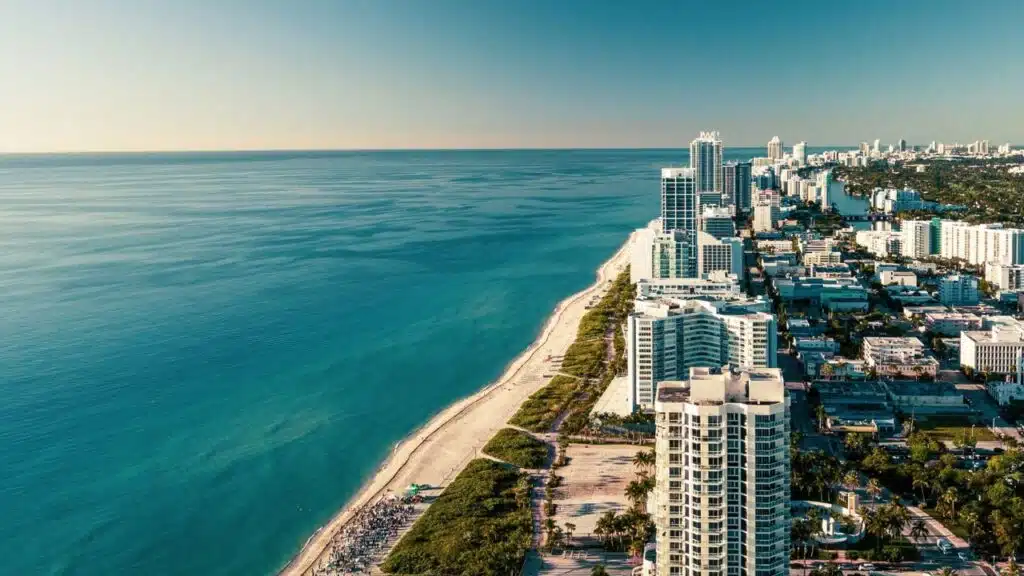
One thing that sets Miami apart is how important the water is to the experience. You can enjoy the city from the beaches and streets but there is something different about seeing it from offshore. That’s why the Boat Tour in Miami options continue to grow in popularity and are likely to become an even bigger part of future travel to the city. Cruising Biscayne Bay gives you a new way to take in Miami’s character, from its glamorous side to its modern skyline. You can ride along the clear blue water and enjoy views that define the city’s identity. Popular routes take you past Celebrity Homes and some of the most famous waterfront neighborhoods in Florida. You may find yourself gazing toward Star Island, Fisher Island, Brickell Key or the Port of Miami, all while that skyline stretches across the horizon.
Another popular option is a sightseeing cruise near South Beach or Miami Beach, where you can enjoy the coastline from a different angle. From the boat, the city feels both peaceful and alive. It is one of the few cities in the world where the water feels like a second street map and you get to ride through it instead of just walking beside it.
The great thing about experiencing the city on water is that it gives you not only a new perspective but also the chance to get out of the city for a while. These boat tours are often around 90 minutes, so it’s not a whole day excursion but it is absolutely enough time for you to get out of the hustle and bustle of the city streets and into nature.
Cruising Miami the Modern Way: Electric Cars and Scooters Everywhere
Another sustainable measure that has impacted the city is electric transportation. In Miami, more electric cars are on the road than ever, helped by the steady growth of public charging stations across Miami’s busiest neighborhoods. Visitors can rent them easily and locals like the quieter ride and cleaner footprint. It also fits with the city’s growing push toward sustainability, especially with its coastline at risk from climate change.
Electric scooters have become just as popular, especially in places like South Beach, Brickell and downtown. They are quick, convenient and perfect for short trips to the beach, a restaurant or a sightseeing stop. Tourists enjoy them because you can cruise through the city at your own pace without dealing with parking or traffic jams and you get to see more of the city in a shorter space of time than if you were walking. Plus, it’s also just a lot of fun. It’s great to hop on an e-scooter that you can rent with ease, often just by tapping your phone and then cruising around the city. Yes, a walk on the beach is lovely but so is a scooter ride along the promenade with the ocean whizzing past you.
Building a Miami That Can Handle the Tide

As much as travelers love Miami, the city faces real environmental challenges. Rising tides, severe weather and coastal erosion are not theoretical topics for the future. They are present-day realities that coastal cities must manage. That means the tourism industry will keep evolving to protect both the visitors and the shoreline that draws them in and some of those strategies have been mentioned above.
Travelers will likely play a part in that shift, too. The more people learn about the environment they are visiting, the more their habits change for the better. Education will become part of the tourism experience, not just an add-on. As a conscious traveler, it is your job to look into what is happening in the place you’d like to visit, so that you can treat it with more care. Just as you show respect to your home and city, it’s the same thing you need to do when traveling. You must show deep respect.
The Future Miami Explorer is Curious, Conscious and Ready for Anything
The future coastal traveler will be curious, informed and eager for memorable experiences that go beyond sunbathing. Miami is already adapting to that profile. Whether you are taking a boat tour through Biscayne Bay, exploring neighborhoods, discovering local food or enjoying the nightlife, you shape your own adventure in a coastal city that never stays the same.
The next generation of Miami tourism will be about smarter choices, richer experiences, a cleaner coastline and deeper cultural discovery. You will still get the beaches, the water and the excitement but with more ways to enjoy the city at your own pace and with your own values in mind.
It’s impossible to say just how travel will evolve over the next few decades; however, looking ahead a decade at a time is feasible and it’s clear to see that Miami is trying to create a safer and more sustainable way of travel. The city knows that one of its biggest draws is its nature and they are doing all they can to protect it.