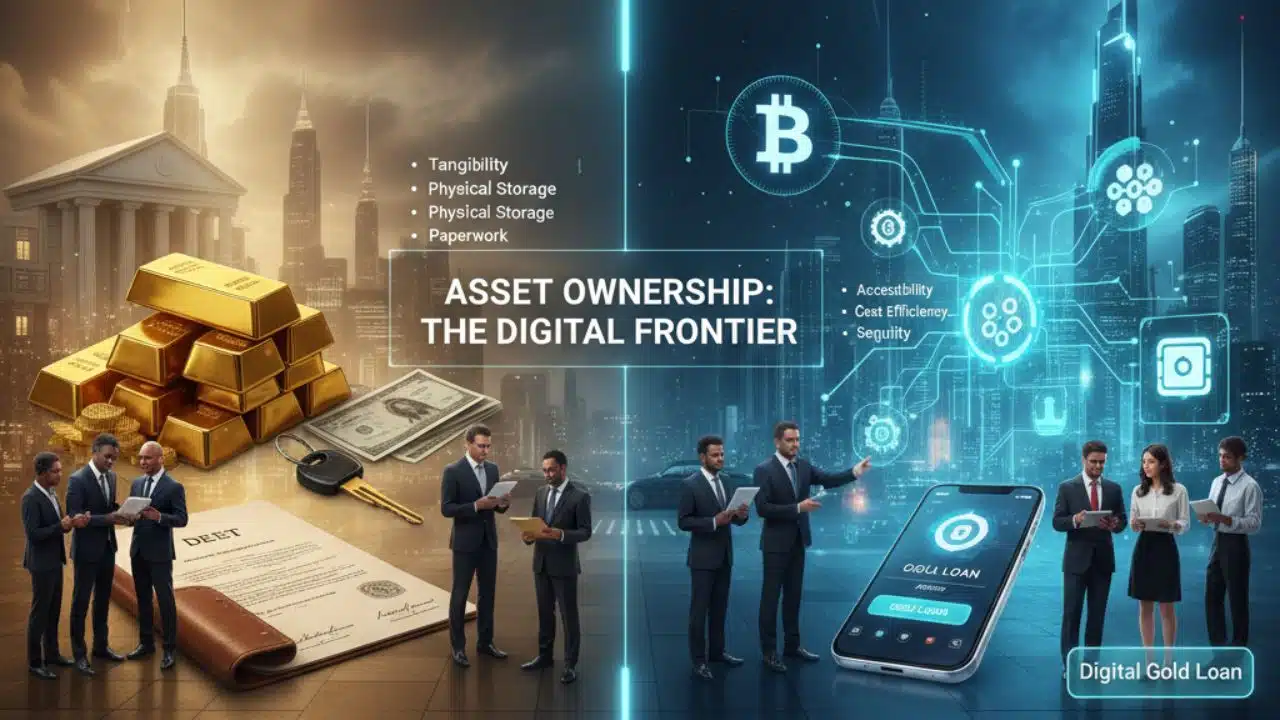
In an increasingly interconnected world, the landscape of asset ownership is undergoing a seismic shift. The proliferation of digital technology has not only transformed the way we communicate and consume content but also how we, as individuals and businesses, perceive and engage with assets. This article delves deep into this transformative trend: the move from physical to digital assets, exploring how it affects individuals, businesses, and the wider economy.
Understanding the Transformation
To comprehend the magnitude of this transition, it’s crucial first to define what constitutes a physical and digital asset. Physical assets are tangible items such as property, gold, or vehicles. Digital assets, on the other hand, are intangible and include cryptocurrencies, digital gold, and NFTs. The latter has seen an unprecedented rise in popularity, propelled by technological advancements and a shift in consumer preferences.
The Rise of Digital Gold
One of the most notable shifts is in the realm of precious metals, traditionally viewed as a safe investment. Gold has been a coveted asset for centuries, serving as a hedge against inflation and economic volatility. However, with the advent of digital gold, investors are beginning to rethink their strategies. Digital gold allows investors to trade in smaller quantities, offering flexibility and accessibility like never before.
For those looking to Gold Loan Apply, the transition is significant. Digital platforms simplify the application process, enabling users to apply from the comfort of their homes. The convenience of Digital Gold Loan systems, where the gold is stored in secure vaults, offers a compelling alternative to traditional methods.
Advantages of Digital Assets
1. Accessibility and Convenience
Digital assets afford unparalleled accessibility. Gone are the days of visiting a bank, standing in queues, or dealing with cumbersome paperwork. With a few taps on a smartphone, one can initiate investments or apply for loans digitally. This ease of access is what makes digital assets highly appealing to younger, tech-savvy generations.
2. Cost Efficiency
Managing digital assets tends to be more cost-effective. Consider the storage costs associated with physical gold; these are practically eliminated online. Furthermore, transactions made digitally often incur lower fees, providing a financially viable option for many.
3. Security and Transparency
With advances in blockchain technology, digital transactions are more secure and transparent than ever before. This technology ensures that each transaction is immutable and verified, reducing risks associated with fraud. Investors can rest assured knowing their assets are protected by cutting-edge security measures.
4. Liquidity
Digital assets like cryptocurrencies or digital gold offer increased liquidity, allowing them to be easily converted into cash or other assets. This flexibility is particularly beneficial in fast-paced market conditions, where timely decisions can impact profitability.
Challenges and Concerns
1. Volatility
Despite their benefits, digital assets can be notoriously volatile. Cryptocurrencies, for example, are subject to significant price swings. This unpredictability can deter the more risk-averse investor.
2. Regulatory Concerns
The regulatory landscape surrounding digital assets is still evolving. Governments worldwide are grappling with how to classify and regulate these new forms of wealth, leading to legal uncertainties. Investors need to stay informed about the regulatory changes to safeguard their investments.
3. Technological Barriers
For some individuals, particularly those unfamiliar with digital platforms, technological barriers can pose a challenge. There’s a learning curve associated with understanding digital wallets, blockchain, and the intricacies of digital contracts.
The Impact on Traditional Businesses
The shift towards digital assets isn’t just affecting individual consumers. Businesses, particularly in finance and banking, are feeling the tremors as well. Traditional financial institutions that once thrived on offering services related to physical assets are now compelled to innovate and integrate digital solutions.
Adoption of Digital Solutions
Institutions are increasingly offering Digital Gold Loan options, recognising the demand for more seamless, integrated financial products. By doing so, they not only broaden their customer base but also enhance customer satisfaction. This pivot is essential for staying relevant in an era where digital convenience is highly valued.
The Role of Fintech
Fintech companies are at the forefront of this digital revolution, providing platforms that bridge the gap between traditional finance and emerging digital solutions. Their innovative approaches are reshaping consumer expectations, pushing traditional banks to adopt digital practices at an accelerated pace.
The Cultural Shift
Beyond the financial and technological aspects, there’s an undeniable cultural shift underpinning the move from physical to digital. As society becomes more digital in nature, the value we place on tangible assets is subtly changing.
Generational Preferences
Younger generations, who have grown up with digital devices and platforms, naturally gravitate towards digital solutions. For them, the appeal of owning something physical is often less compelling than the convenience and versatility of digital ownership.
Environmental Considerations
There’s also an increasing awareness of the environmental impact associated with physical assets. Digital alternatives, which often have a smaller carbon footprint, appeal to environmentally conscious consumers. The global push for sustainability is thus nudging more people to consider digital options.
Real-Life Examples
The shift isn’t just theoretical—real-world examples demonstrate its impact. For instance, consider the music industry: vinyl records and CDs have largely been replaced by digital downloads and streaming services. Similarly, the rise of eBooks has transformed the publishing industry. In the realm of finance, platforms for cryptocurrency trading and Digital Gold Loan applications are growing rapidly, evidencing the tangible impact of digital transformation.
Digital Gold: A Case Study
India, deeply rooted in the tradition of gold investment, offers a unique case study in digital adoption. With platforms like Paytm Gold and MMTC-PAMP, Indians can now purchase gold digitally, reflecting a broader cultural acceptance of digital assets. This trend extends to the hospitality and retail sectors, where digital payment solutions are increasingly preferred.
Conclusion: Embracing the New Normal
As we navigate this profound shift from physical to digital, it’s clear that the benefits outweigh the drawbacks for many. Digital assets offer a glimpse into the future—one that promises convenience, security, and integration into our increasingly digital lifestyles.
For those looking to Gold Loan Apply or seeking to explore the world of Digital Gold Loan, this transition offers numerous opportunities for growth and diversification. However, with opportunity comes responsibility. It’s imperative for investors, businesses, and regulators to engage with these digital assets thoughtfully and strategically, ensuring they leverage advantages while mitigating risks.
The writing is on the wall: digital assets are here to stay. As we embrace this new normal, the challenge lies not in resisting change but in adapting to it, ensuring that the future of asset ownership is inclusive, secure, and innovative.