
American Eagle’s new fall campaign featuring actress Sydney Sweeney has quickly become a subject of controversy, not for the clothing itself, but for its tagline—“Sydney Sweeney Has Great Jeans.” The campaign launched with high visibility, appearing on massive billboards in Times Square and Las Vegas, and is tied to a limited-edition denim line. However, what was intended as a play on words has ignited a larger cultural debate, especially online, over language, race, and historical associations with eugenics.
The tagline, meant to reference denim, simultaneously sounds identical to “great genes”—a phrase that, while common in fashion and pop culture, carries a darker history. The backlash intensified when it was revealed that one of the advertisements visually transforms the words “great genes” into “great jeans,” an intentional pun that many viewers saw as more than just cheeky branding.
Why “Great Genes” Raises Red Flags
The phrase “great genes” is often used to compliment someone’s natural appearance—referring to attributes like height, facial symmetry, body shape, and skin tone. While seemingly harmless at first glance, this expression has historically been used in ways that promote narrow and exclusionary beauty standards, particularly those based on whiteness, thinness, and Eurocentric features.
In the United States, the concept of “good genes” was heavily promoted by early 20th-century eugenics movements. These movements sought to encourage reproduction among individuals considered physically and genetically “fit”—often defined as white, able-bodied, and conventionally attractive—while advocating for the sterilization of people seen as “unfit.” These policies disproportionately targeted people of color, disabled individuals, immigrants, and low-income communities.
The connection to eugenics, even if unintended, is what triggered a strong reaction to the campaign. Social media users expressed concern that placing a blonde-haired, blue-eyed white woman at the center of an advertising slogan that plays on the idea of “great genes” inadvertently perpetuates outdated ideals of genetic superiority and beauty hierarchy.
Online Response and Public Criticism
Within hours of the campaign going live, discussions spread rapidly across X (formerly Twitter), TikTok, Reddit, and other platforms. Many users highlighted the racial and historical connotations of the term “great genes,” pointing out how the marketing decision felt tone-deaf in a society still grappling with structural inequalities and Eurocentric beauty standards.
While some dismissed the criticism as reading too much into a pun, many others emphasized that advertising does not exist in a vacuum. Every word, image, and representation carries meaning—especially in campaigns with large public reach. Critics argue that the combination of imagery, language, and messaging cannot be divorced from the cultural and historical weight they carry.
Some viewed the campaign as an example of how the fashion industry continues to elevate a specific archetype of beauty—typically white, thin, and classically attractive—while ignoring the broader conversation around inclusivity, diversity, and representation.
Sydney Sweeney’s Role and Brand Image Implications
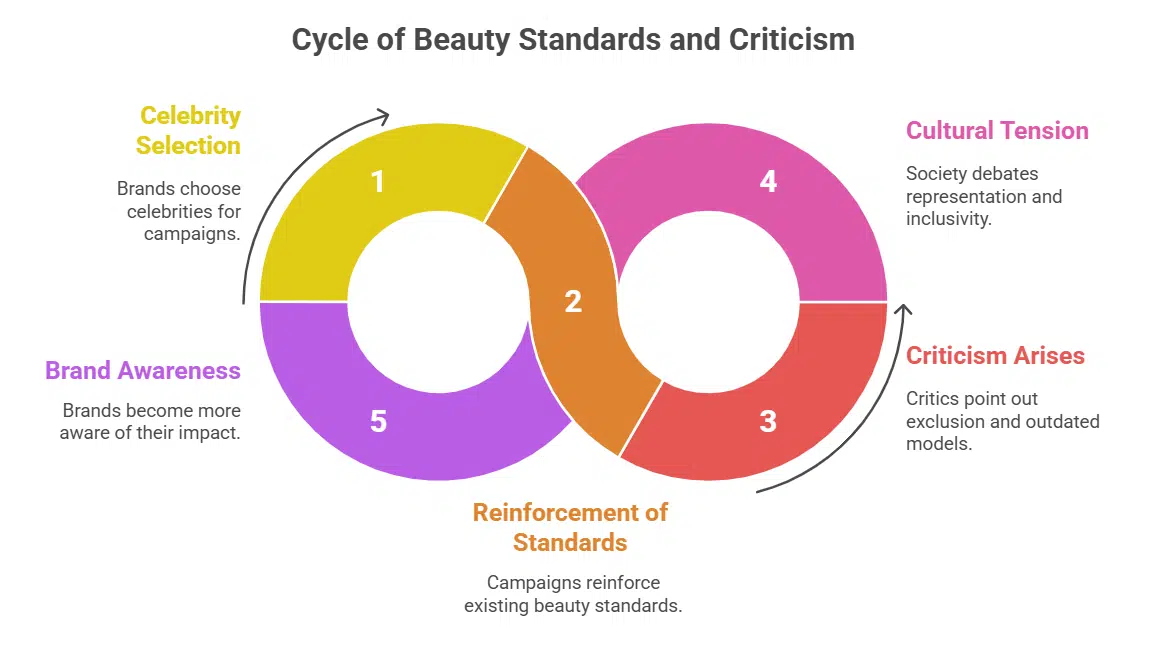
Sydney Sweeney, who has gained fame through her roles in “Euphoria” and “The White Lotus,” is known for her classically Hollywood look and is often celebrated in mainstream media as a symbol of youthful beauty. Her role in this campaign, while likely selected for her celebrity status and mass appeal, has unintentionally reinforced concerns about who gets to be the “face” of American beauty and fashion.
By linking the phrase “great genes” to a figure like Sweeney, the campaign has been interpreted by some as excluding women of color, people with different body types, and other underrepresented identities. Critics say this exclusion reinforces an outdated model of what constitutes “ideal” beauty in the U.S.
This criticism reflects a larger cultural tension. Many consumers now expect brands to be aware of how language, symbolism, and representation shape public perception and social narratives. Even if the intention behind the slogan was innocent, the impact has proven to be complex and controversial.
American Eagle’s Silence Fuels More Discussion
As of now, American Eagle has not publicly responded to the online backlash or addressed concerns about the messaging in its campaign. Instead, the company has continued to roll out its marketing assets, including:
-
A limited-edition “Sydney Jean” collection that features various denim styles
-
Augmented reality (AR) filters and AI-based virtual try-ons
-
3D animated billboards in major public spaces
-
A charitable component tied to the Crisis Text Line, a nonprofit organization offering confidential support to people in crisis, including survivors of domestic violence and mental health challenges
The inclusion of a charitable cause has not been enough to deflect criticism of the campaign’s core messaging. Observers argue that while partnering with a crisis hotline is commendable, it does not resolve the issues raised by the slogan itself.
Stock Market Impact: Viral Campaign Spurs Meme Stock Behavior
Interestingly, the campaign appears to have had an unexpected positive effect on American Eagle’s stock performance, at least in the short term. Following the campaign’s debut, American Eagle Outfitters (AEO) stock saw a sharp increase, spiking by as much as 16% in a single day.
However, financial analysts believe this surge is likely due to meme stock behavior—where retail investors, particularly from communities on Reddit’s r/WallStreetBets and Stocktwits, drive up the price of a stock due to viral attention rather than company fundamentals. Similar patterns have been seen in the past with GameStop, AMC, and Bed Bath & Beyond.
Analysts caution that while this kind of trading can create short-term gains, it often leads to volatile performance and does not reflect the actual financial health or strategic positioning of the company.
The Broader Implications for Advertising and Identity
This controversy is not just about jeans—or even about Sydney Sweeney. It touches on fundamental questions about who gets to represent beauty, whose bodies are elevated in public advertising, and how brands interpret cultural sensitivity in a rapidly changing social landscape.
The fashion industry has long been scrutinized for its slow adoption of inclusive marketing practices. While many brands have made strides toward showcasing diverse models, non-binary talent, and plus-sized bodies, incidents like this campaign suggest that major gaps remain in terms of cultural awareness and historical context.
There is also a growing awareness among younger consumers—especially Gen Z and Millennials—that advertising can unintentionally reinforce harmful narratives if not thoughtfully created. Phrases like “great genes,” when paired with imagery of conventionally idealized beauty, are not interpreted in a vacuum. They carry layers of meaning that resonate differently across racial, ethnic, and socioeconomic lines.
Language, Legacy, and the Future of Fashion Branding
The reaction to American Eagle’s “great jeans” campaign is a reminder that even well-meaning wordplay can strike the wrong chord if it invokes language tied to historic oppression or exclusion. As brands navigate the complexities of identity politics, cultural memory, and visual storytelling, they must take greater care to understand the full spectrum of interpretation their campaigns might invite.
Going forward, this incident may serve as a case study in how even a fashion slogan—if not critically evaluated—can open the door to larger conversations about race, representation, and the responsibilities of modern brands in public discourse.
In the end, this moment isn’t just about denim or marketing strategy. It’s a reflection of how deeply embedded societal narratives can be, and how important it is for brands to approach their messaging with thoughtfulness, nuance, and an awareness of history.