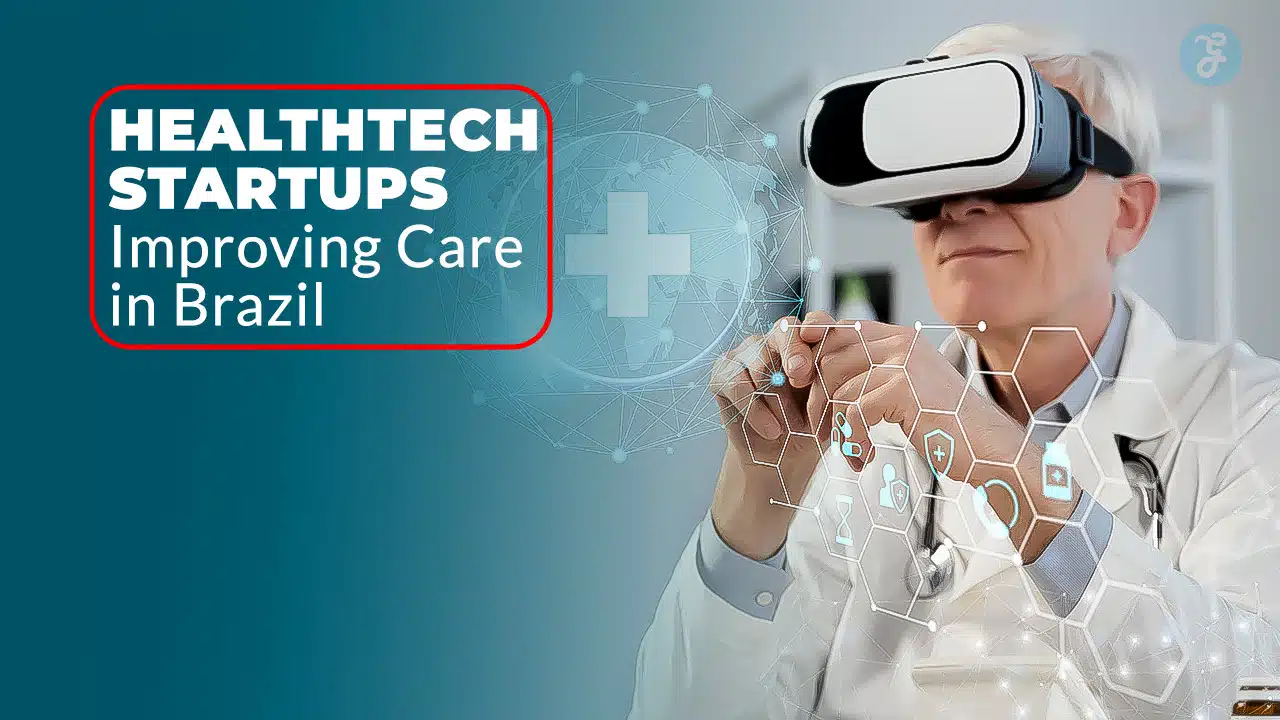
Sick of sitting in waiting rooms? Brazil saw a 34% jump in health technology startups from 2018 to 2019. You’ll find five innovators using mobile apps, teleconsultations and artificial intelligence to bring care closer to you. See who made the list.
Key Takeaways
- Brazil saw a 34% jump in HealthTech startups from 2018 to 2019. Dr. Consulta (est. 2011) runs 58 clinics in 3 states with 1,000 staff and $180 M in funding. It links SUS users and private patients via mobile apps and teleconsultations.
- Memed launched in 2012 and holds 20,000 medications in its digital database. It uses AI to suggest dosages, links doctors and pharmacies through an app and API, and lets psychiatrists send mental-health scripts in seconds.
- Zenklub offers encrypted video and phone therapy. Its AI scans self-reports to flag risk patterns. A network of physiatrists and psychologists uses the app to raise mental-wellness scores.
- iClinic began in 2012 and serves 20,000 users with a cloud dashboard for scheduling, billing, and EHRs. Its AI speeds up claims and links labs, pharmacies, and clinics in real time.
- Vittude started in 2018 with a mobile app that matches users to 3,500 psychologists via video calls. Clients pay by credit card or local options and skip waiting rooms.
Dr. Consulta: Expanding Access to Affordable Primary Care
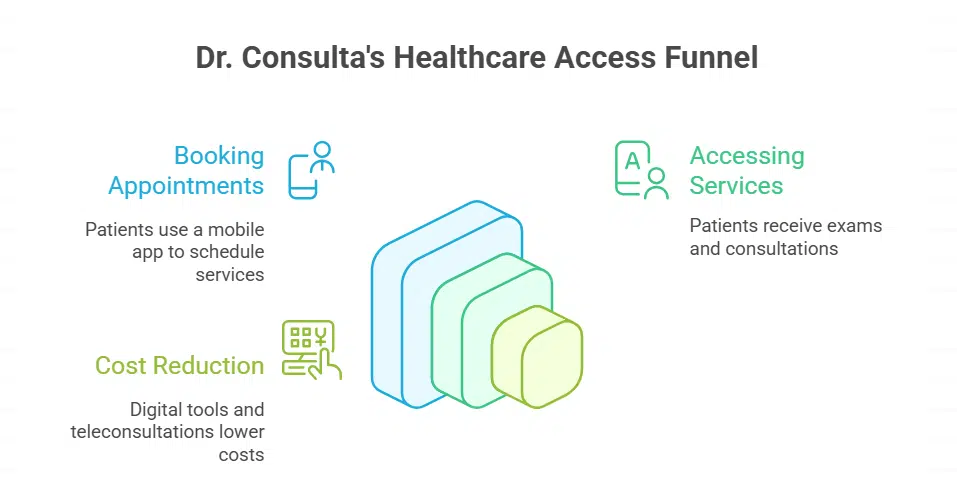
Dr. Consulta started in 2011. The chain has 58 clinics across three states and a thousand staff. Investors poured over $180 million into healthcare innovation at Dr. Consulta. The group links SUS users, health insurance members and private patients to exams at fair prices.
It uses tecnologia na saúde, digital health tools and teleconsultations to cut costs. Patients tap a mobile app to book lab tests or doctor visits. This service feels like a bridge over rocky waters in public systems.
Memed: Revolutionizing Prescription Management with Technology
Memed launched in 2012. The free platform streamlines digital prescriptions. It holds more than 20,000 medications in one database. Inteligência artificial suggests proper dosages.
An app and API link doctors with pharmacies. Physicians edit scripts with a few taps. Patients, healthcare professionals and pharmacists chat instantly. Cloud computing secures each record.
This tool boosts tecnologia na saúde.
Care teams in hospitals use Memed daily. Psychiatrists send mental health scripts in seconds. Pharmacists confirm stock with quick alerts. Clinics talk less on the phone. Rehabilitation centers gain faster drug orders.
Healthcare systems speed up care. The covid-19 pandemic sped its rollout. Startups de saúde praise its free design. Many healthcare professionals seek this software solution.
Zenklub: Improving Mental Health Support Through Digital Platforms
This startup uses encrypted video and phone consultations. It cuts costs for therapy sessions and tackles mental health issues. Inteligência artificial scans self-reports and flags risk patterns.
It drives healthcare innovation in tecnologia na saúde.
A network of physiatrists and psychologists joins the service. Therapists use a communication tool for secure talks. The app guides teens dealing with stress from braces. Data analytics show higher mental wellness scores.
iClinic: Streamlining Practice Management for Healthcare Providers
iClinic began in 2012 and went live across Brazil. The platform runs on cloud service and serves 20,000 users. A single dashboard handles scheduling, billing, and electronic health records (EHR).
Healthcare teams cut hours of admin work with its tools. Many hail it as top healthcare innovation among startups de saúde.
The system uses inteligência artificial features for smarter claims and faster searches. A health records system links labs, pharmacies, and clinics seamlessly. Mobile and desktop apps let doctors check charts on the go.
Clinics save money and free time for real patient care. That shift shows the power of tecnologia na saúde.
Vittude: Promoting Accessible Online Therapy for Mental Well-Being
Vittude opened its doors in 2018. Founders loved a simple idea, online therapy at home. They built a mobile application with a smart search algorithm and a payment gateway. Users type their goals and mood.
The system matches them to psychologists or counselors. Each pro holds sessions with video conferencing modules. Clients pay via credit card or local options. More than 3,500 professionals joined the network.
The move shook up startups de saúde and highlighted tecnologia na saúde’s power.
One client said My mind felt lighter after three talks. The style felt like chatting with a friend over coffee. No more waiting rooms or old school referrals. Many call this shift a win for telemedicine and eHealth.
Counselors sign in with a mobile application or web tool. They host sessions on video conferencing modules. This method cuts travel time and stress. Patients praise the quick access and the friendly vibe.
Such advances fuel healthcare innovation.
Takeaways
These five HealthTech startups show how mobile apps and telemedicine can fix care gaps. They use AI, analytics dashboards, digital records and cloud platforms to speed up tasks and cut waste.
Local patients book visits fast and manage meds with simple tools. Clinics share data in real time so doctors see patient history at once. Brazil’s digital healers spark hope and point to a brighter health future.
FAQs on HealthTech Startups Improving Care in Brazil
1. What do these health technology ventures actually build?
They make tools like telemedicine platforms, wearable sensors, AI diagnostic tools, and digital record systems. Each tool aims to speed up health care tasks, cut red tape, and bring help closer to patients.
2. How does a telehealth app help people in the Amazon or other remote spots?
Picture Maria, a nurse deep in the rainforest, she taps an app on her phone, connects with a doctor in São Paulo, and gets advice in minutes, not days. The app sends live video, stores data safely, and logs every step, so patients feel cared for even when clinics are miles away.
3. Can everyday folks trust these medical chatbots and data hubs?
Yes, they follow strict rules, they guard patient files with strong locks, and they run tests to catch bugs before real use. People learn fast, too, since the apps speak plain words and guide users with clear prompts.
4. Will these new firms really cut long hospital lines?
They sure can, by letting you book video exams at home, refill pills online, or chat with a nurse at odd hours. That means fewer crowds in waiting rooms, and more time for real emergencies, down the line.