Camping is one of the most rewarding ways to reconnect with nature, unplug from daily stress, and explore the outdoors. But not all camping experiences are the same. Two of the most common styles—frontcountry camping and backcountry camping—offer vastly different levels of comfort, accessibility, and adventure.
Whether you’re a beginner camper seeking amenities or a seasoned explorer craving solitude, understanding the difference between these two camping styles will help you prepare accordingly and enjoy your time in the wild.
What is Frontcountry Camping?
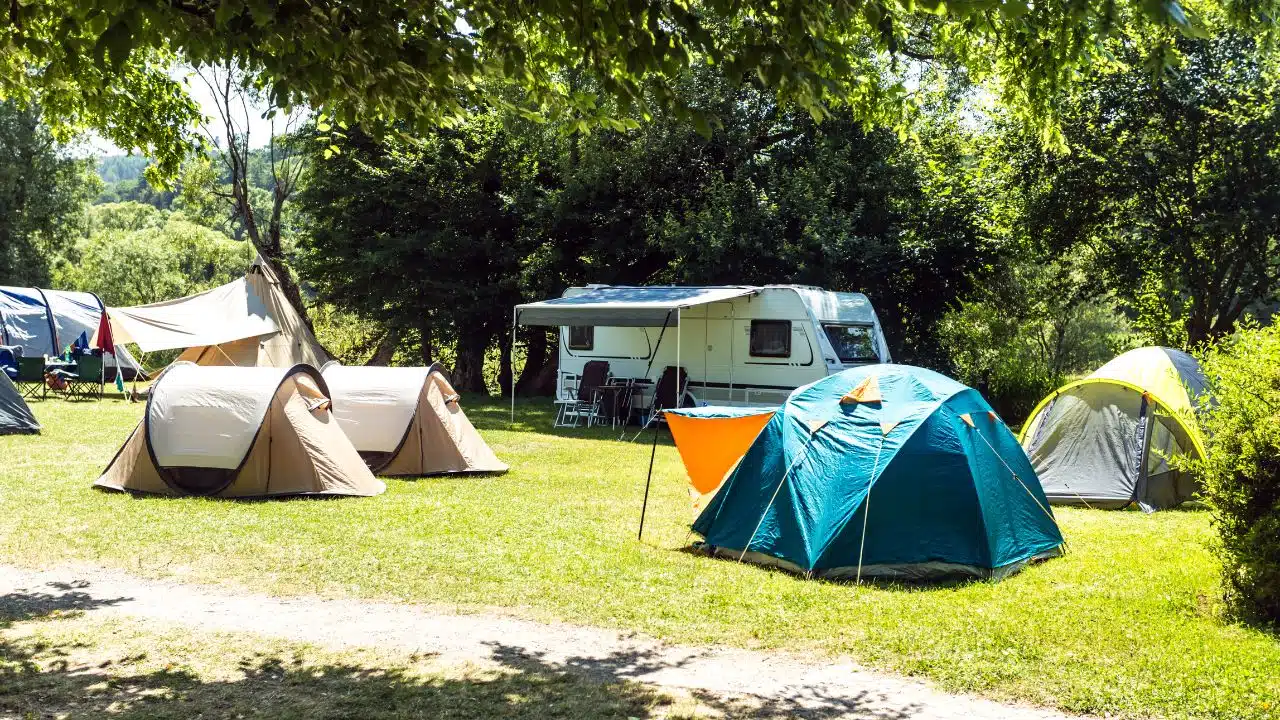
Frontcountry camping, sometimes referred to as car camping or developed camping, is when you set up your tent or RV in a designated campground with direct vehicle access. These sites are usually found in national parks, state parks, or private campgrounds and come with various conveniences.
Most frontcountry campsites offer amenities like restrooms, potable water, picnic tables, fire rings, and even electricity. Some may also include access to nearby stores, visitor centers, and park rangers, making this style of camping ideal for families, casual campers, or anyone looking for a low-stress outdoor experience.
If your goal is to relax in nature without straying too far from comfort, frontcountry camping is a great choice.
What is Backcountry Camping?
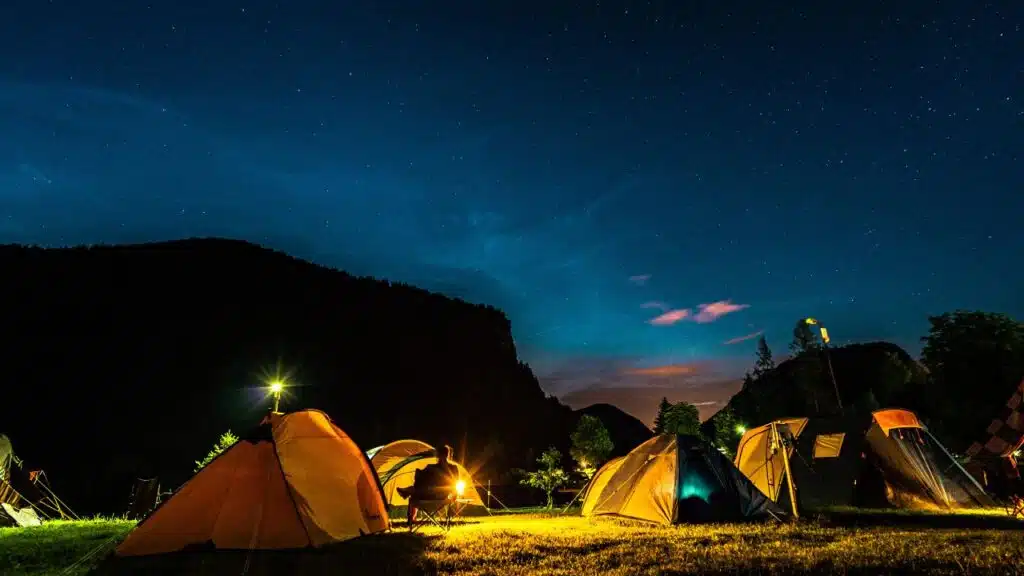
Backcountry camping, also known as wilderness camping or dispersed camping, is a more rugged and remote experience. These campsites are often miles from roads or modern conveniences and typically require hiking, paddling, or backpacking to reach.
This type of camping offers solitude and a deeper connection with nature but demands more preparation and self-reliance. Campers must carry in all their gear, pack out their waste, and follow “Leave No Trace” principles to protect fragile environments.
Backcountry camping is best suited for experienced outdoor enthusiasts who are comfortable navigating wilderness terrain, managing limited resources, and making safety decisions without immediate help.
Comparing the Experiences
The key differences between frontcountry and backcountry camping come down to accessibility, amenities, and required skill level. Frontcountry camping is easy to access, ideal for families, and doesn’t require specialized survival knowledge. It’s great for group gatherings, casual trips, or first-time campers who want a blend of nature and convenience.
Backcountry camping, on the other hand, offers unmatched peace and privacy. With no crowds, lights, or man-made noise, it’s perfect for those seeking a more immersive outdoor experience. But it does come with challenges such as carrying all your gear, filtering water, and being prepared for changing weather and wildlife encounters.
What Gear Do You Need?
While the basics of camping are the same your packing list will vary based on your location. Frontcountry campers can bring heavier, bulkier items like coolers, camp stoves, and fold-out chairs since there’s no need to carry them far. Backcountry campers, however, need to think lightweight and multifunctional. Every ounce matters when you’re hiking several miles with a pack.
Essential gear for backcountry camping includes a compact tent, ultralight sleeping bag, portable water filter, minimalist cookware, and a well-stocked first aid kit. For frontcountry campers, luxury items like air mattresses, larger tents, and portable grills can enhance comfort.
For a full list of camping supplies tailored to your type of trip, it’s helpful to consult detailed checklists and guides that cater to both beginner and advanced campers.
Where to Shop and Prepare?
Before heading out on any camping adventure, having dependable gear is crucial. Camping World offers a wide selection of outdoor equipment for both frontcountry and backcountry campers. From tents and cooking gear to power supplies and storage solutions, their inventory supports a variety of camping styles and experience levels.
Their online resources also provide planning tips and product recommendations to help you get the most out of your time outdoors.
Which One is Right for You?
The choice between frontcountry and backcountry camping ultimately depends on your goals, experience, and comfort level. If you want an easy, social weekend in nature, frontcountry sites provide convenience and accessibility. If you’re craving solitude, challenge, and a more immersive escape, backcountry camping might be calling your name.
Whichever path you choose, the key is to plan ahead, respect the environment, and make safety your top priority. With the right preparation and gear, your next camping trip, whether close to the car or deep in the wild, can be one to remember.