

Climate change is no longer a distant issue—it’s here, and it’s changing how we live. Extreme weather events, heatwaves, and rising energy costs are making it harder for families to stay comfortable at home.
Many people want solutions that save money and protect the planet.
Here’s one fact: Passive houses use up to 80% less energy than regular homes. They are designed with advanced insulation, airtight construction, and smart ventilation systems to handle harsh weather while cutting utility bills.
In this blog post, you’ll learn how climate change is driving passive house demand in the U.S., backed by ten key stats. Stay tuned—you don’t want to miss these insights!
The Rise of Passive House Demand in the USA
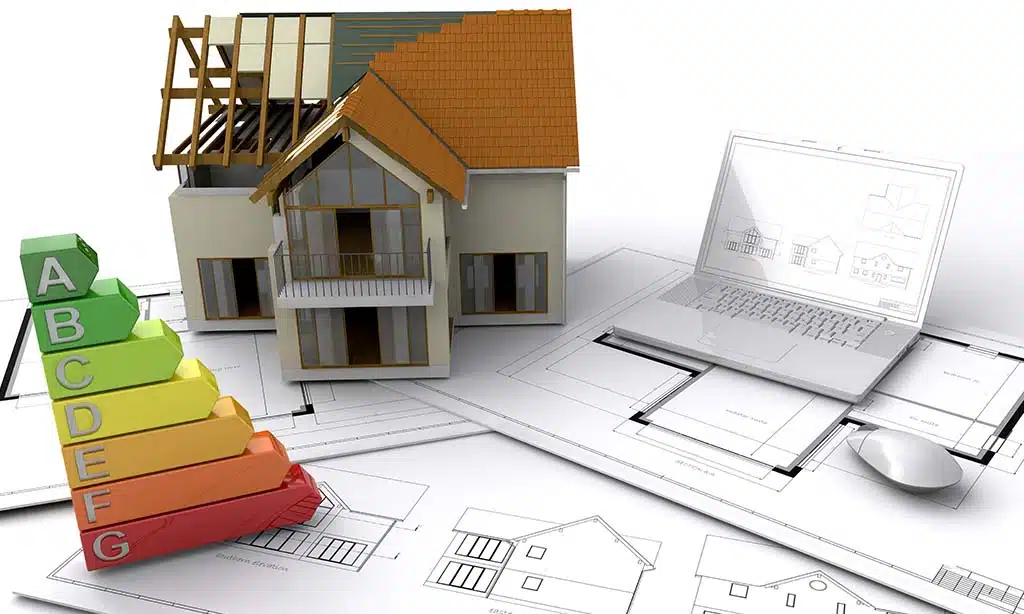
Extreme weather hits harder every year, pushing people to rethink their homes. Tighter building rules and smarter designs make passive houses a growing choice.
Increased adoption due to extreme weather events
Hurricanes, heat waves, and wildfires are on the rise. These events push many to choose passive houses for safety and comfort. Passive homes stay cool in summer and warm in winter without heavy HVAC system use.
They cut air conditioning costs while keeping temperatures steady during blackouts. High-performance insulation blocks out harsh weather, reducing energy consumption by up to 80%.
Communities facing floods or strong winds find airtight construction helpful. It minimizes damage from water leaks or drafts caused by storms. In fire-prone areas, builders use materials that resist flames better than traditional ones.
The growing number of extreme weather disasters highlights the value of these sustainable buildings across the U.S., especially as global warming worsens conditions yearly.
State-level energy code changes driving demand
States are tightening energy codes to reduce carbon emissions. Many of these updates push for energy-efficient buildings, like passive houses. California leads with strict rules for greener construction under its Title 24 standards.
Other states, like New York and Massachusetts, also require better thermal insulation and airtight construction.
These changes favor passive house principles. Builders now aim for lower heating and cooling demands per square foot. By 2023, demand for high-performance insulation and HVAC systems surged nationwide due to these policies.
This shift helps cut energy consumption while encouraging green practices in construction projects everywhere.
Climate Change and Passive House Resilience
Passive houses stay cool during heatwaves, even without air conditioning. They also stand strong against hurricanes with airtight construction and tough materials.
Performance during heatwaves and power outages
High-performance insulation and airtight construction keep passive houses cool during heatwaves. These homes use up to 80% less energy, so they rely less on air-conditioning. This reduces strain on the power grid during extreme weather events.
During power outages, passive heating and thermal insulation slow temperature loss or gain. Triple-pane window frames and strong building envelopes trap comfortable indoor air. Even without electricity, residents stay safer for longer periods.
Energy-efficient design isn’t just smart—it’s survival in a changing climate.
Resistance to wildfires and hurricanes
Passive houses offer strong protection during wildfires and hurricanes. Thick walls, airtight construction, and fire-resistant materials help reduce damage. Spray foam insulation also adds a layer of safety against high winds and flames.
These homes maintain airflow while keeping outdoor hazards out. Proper design ensures fewer air leaks, even in extreme weather. Passive house principles prioritize health and safety alongside energy efficiency.
Key Stats on Energy Efficiency and Savings
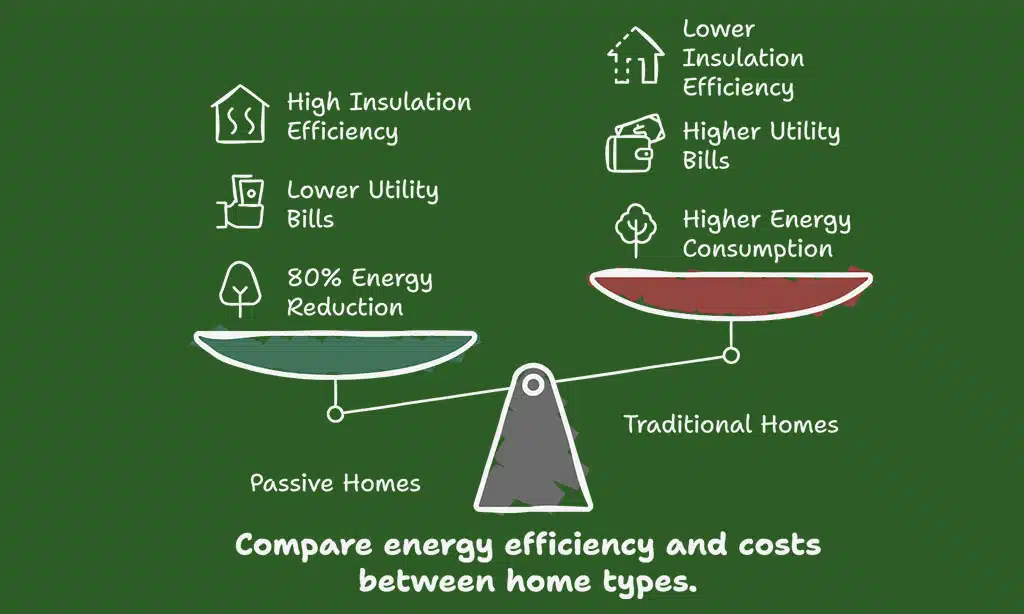
Passive houses cut energy use dramatically, slashing bills and keeping homes cozy. They rely on smart designs like airtight construction and high-performance insulation for savings year-round.
Reduction in energy consumption in passive homes
Passive homes slash energy use by up to 80% compared to regular buildings. They rely on thick insulation, airtight construction, and advanced windows. These features keep heat in during winter and out in summer.
As a result, less energy is needed for heating or cooling.
High-performance appliances also play a big role. Heat recovery ventilation systems cut waste while keeping the air fresh. Many designs even include heat pumps, which are more efficient than old-school HVAC systems.
Lower energy use means smaller utility bills and fewer greenhouse gas emissions for homeowners.
Lower utility costs compared to traditional homes
Passive houses cut energy use by up to 80%. This means lower utility bills for homeowners. High-performance insulation and airtight construction reduce heating and cooling needs. Energy-efficient appliances further save electricity.
Traditional homes lose more heat through walls and windows. Passive designs keep air flow steady, reducing costs tied to HVAC systems. Families in passive homes can enjoy a comfortable space while spending less on power each month.
Passive Houses and Carbon Emissions Reduction
Passive houses slash greenhouse gas emissions by reducing energy needs. Their airtight construction and smart insulation help cut dependence on fossil fuels.
Contribution to achieving net-zero energy goals
Passive houses slash energy use by up to 80% compared to regular buildings. This cuts greenhouse gas emissions and lowers reliance on fossil fuels. Using solar panels, airtight construction, and high-performance insulation helps homes reach net-zero goals faster.
The building sector currently produces 37% of total carbon emissions, making these designs critical for change.
Energy-efficient homes also support decarbonizing efforts in cities across the U.S. States with updated energy codes push for greener building practices like passive house principles.
These homes lower energy demand below 15 kWh per square meter annually, reducing strain on power grids during peak times. With this strategy, the road to carbon neutrality becomes clearer every day!
Role in reducing reliance on fossil fuels
Passive houses cut energy use by up to 80%. This helps reduce the need for fossil fuel-powered electricity. High-performance insulation and airtight construction lower heating and cooling demands.
These homes rely more on clean energy like solar or wind, pushing carbon emissions down.
Buildings account for 37% of global emissions. By using passive house principles, this number can shrink fast. Energy-efficient homes play a big role in meeting net-zero goals. The focus on sustainable design promotes green buildings and cleaner energy sources.
Takeaways
Climate change is pushing people to rethink how buildings work. Passive house design offers real answers, saving energy and cutting emissions. These homes handle heatwaves, storms, and power loss with ease.
Choosing this path means lower bills and a smaller carbon footprint. Will you join the shift toward smarter, greener living?
FAQs on Climate Change Driving Passive House Growth in the USA
1. What is a passive house, and why is it gaining popularity in the USA?
A passive house is an energy-efficient home designed to reduce energy consumption through airtight construction, high-performance insulation, and thermal insulation. With climate change driving weather extremes, Americans are seeking homes that offer better energy savings and climate resilience.
2. How does climate change impact the demand for passive houses?
Climate change has increased the need for sustainable practices like green construction. Passive houses help lower carbon emissions, conserve energy, and improve comfort during extreme weather conditions.
3. Can passive houses really reduce a home’s carbon footprint?
Yes! By using principles like airtight designs, advanced r-values, u-values for walls and windows, and efficient heating systems such as water heaters or HVAC units, they cut down on greenhouse gas [GHG] emissions significantly.
4. Are there any government policies supporting this trend?
Yes! Climate policies focusing on net-zero emissions and carbon pricing encourage greener infrastructure projects like affordable housing that follow Leadership in Energy & Environmental Design standards.
5. Do passive houses cost more than traditional homes?
While upfront costs may be higher due to materials like high-performance insulation or advanced ventilation systems [like air changes per hour monitoring], long-term energy savings balance these expenses over time.
6. Why are builders prioritizing healthier buildings with passive house principles?
Passive design improves indoor air quality by controlling humidity while reducing reliance on fossil fuels for heating or cooling systems—making them ideal for creating healthy spaces amidst growing concerns about GHG emissions from traditional methods of construction.





















