

Sustainable housing is no longer just a trend—it’s a necessity. With growing concerns about climate change, rising energy costs, and environmental conservation, many homeowners and builders are shifting toward eco-friendly homes.
However, despite the best intentions, many people make costly mistakes when trying to construct a truly sustainable building.
Understanding the common pitfalls to avoid when building a green property can save you time, money, and environmental impact. Whether you’re constructing a new eco-friendly home or upgrading an existing one, avoiding these common mistakes will help ensure efficiency, sustainability, and long-term benefits.
1. Choosing the Wrong Location
One of the biggest common pitfalls to avoid when building a green property is selecting the wrong location. The site of your green home plays a critical role in its energy efficiency and environmental footprint. Factors like climate, orientation, and surrounding infrastructure significantly impact your home’s sustainability.
Key Considerations for Sustainable Location:
- Sunlight Exposure: Homes should be positioned to maximize natural light, reducing artificial lighting and heating costs.
- Wind Patterns: Proper placement can help with natural ventilation, reducing the need for air conditioning.
- Water Drainage & Flooding Risks: A poor location can lead to excessive water runoff and higher energy costs for drainage systems.
- Proximity to Public Transport: Living in a walkable neighborhood reduces reliance on cars, lowering carbon emissions.
Avoiding Common Location Mistakes
- Conduct thorough climate and environmental assessments before purchasing land.
- Check for local zoning laws and sustainability incentives in your area.
- Avoid building on fragile ecosystems or high-risk flood zones.
2. Ignoring Energy Efficiency in Design
Many builders make the mistake of focusing only on high-tech green solutions while ignoring fundamental passive design principles. Proper architectural planning can naturally regulate temperature, reducing the need for mechanical heating or cooling.
Energy-Efficient Design Features:
- Insulation & Air Sealing: Prevents heat loss and improves energy conservation.
- Building Orientation: Maximizes sun exposure for warmth in winter and shade in summer.
- Double-Glazed Windows: Enhances insulation while reducing noise pollution.
- Green Roofs & Walls: Improve thermal performance and biodiversity.
Common Mistakes and How to Fix Them
- Mistake: Poor window placement causing heat loss.
- Solution: Position windows strategically to optimize daylight and airflow.
- Mistake: Ignoring roofing materials.
- Solution: Use reflective or green roofs to minimize heat absorption.
3. Overlooking Sustainable Materials
Another common pitfall to avoid when building a green property is failing to use eco-friendly materials. The choice of construction materials impacts energy efficiency, durability, and carbon footprint.
Sustainable Materials to Consider:
| Material | Benefit |
| Recycled Wood | Reduces deforestation |
| Bamboo | Renewable and durable |
| Reclaimed Bricks | Minimizes landfill waste |
| Low-VOC Paints | Improves indoor air quality |
Best Practices for Choosing Green Materials
- Opt for FSC-certified wood or locally sourced stone.
- Avoid toxic paints, adhesives, and chemicals.
- Choose long-lasting, recyclable materials to reduce environmental impact.
4. Poor Water Management Strategies
Water management is often overlooked in sustainable construction. A true green property should include efficient water conservation techniques.
Smart Water Conservation Strategies:
- Rainwater Harvesting: Collects and reuses water for irrigation and household needs.
- Low-Flow Fixtures: Reduces water waste from showers, faucets, and toilets.
- Xeriscaping: Uses drought-resistant plants to minimize water consumption.
Common Water Management Mistakes
- Mistake: Over-reliance on municipal water.
- Solution: Install greywater recycling systems.
- Mistake: Ignoring rainwater runoff.
- Solution: Use permeable paving and green landscaping.
5. Failing to Optimize for Renewable Energy
Many builders fail to plan for renewable energy from the start, making it harder to install later. Solar panels, wind turbines, and geothermal systems should be incorporated early in the design process to maximize energy efficiency and long-term cost savings. Renewable energy integration requires careful assessment of energy needs, optimal placement, and backup systems for reliability.
Best Practices for Effective Renewable Energy Use:
- Assess Energy Requirements: Determine your home’s daily and seasonal energy consumption to select the right system size.
- Site Analysis: Ensure solar panels receive maximum sunlight exposure and wind turbines are positioned for optimal airflow.
- Battery Storage: Invest in energy storage solutions to maintain power availability during low-production periods.
- Grid-Tied vs. Off-Grid: Evaluate whether a grid-connected system or complete energy independence suits your needs best.
Mistakes to Avoid in Renewable Energy Planning:
- Installing solar panels in shaded areas, reducing efficiency.
- Not considering battery storage for nighttime energy use, leading to power shortages.
- Choosing undersized or oversized systems based on inaccurate energy consumption estimates, resulting in inefficiency or excessive costs.
- Neglecting local incentives and rebates, missing potential cost reductions on installation.
6. Neglecting Indoor Air Quality
A poorly designed green home can still be unhealthy if indoor air quality is ignored. Pollutants from paints, adhesives, and synthetic materials can cause respiratory issues, allergies, and long-term health problems such as asthma or chronic bronchitis. Additionally, inadequate ventilation can trap indoor pollutants, leading to poor oxygen circulation and increased humidity, which promotes mold growth.
Common Indoor Pollutants:
- Volatile Organic Compounds (VOCs): Found in paints, varnishes, and household cleaning products.
- Formaldehyde: Released from pressed wood products, furniture, and insulation materials.
- Carbon Monoxide (CO): Emitted from gas stoves, fireplaces, and faulty heating systems.
- Mold and Mildew: Thrive in damp conditions and can lead to respiratory infections.
Ways to Improve Indoor Air Quality:
- Use HEPA filters and proper ventilation systems to remove allergens and pollutants.
- Choose non-toxic building materials, such as low-VOC paints and formaldehyde-free insulation.
- Maintain optimal humidity levels (between 30-50%) to prevent mold growth.
- Incorporate indoor plants like aloe vera and peace lilies, which naturally purify air.
- Install smart air quality monitors to detect pollutants and adjust ventilation automatically.
7. Underestimating Smart Home Technology
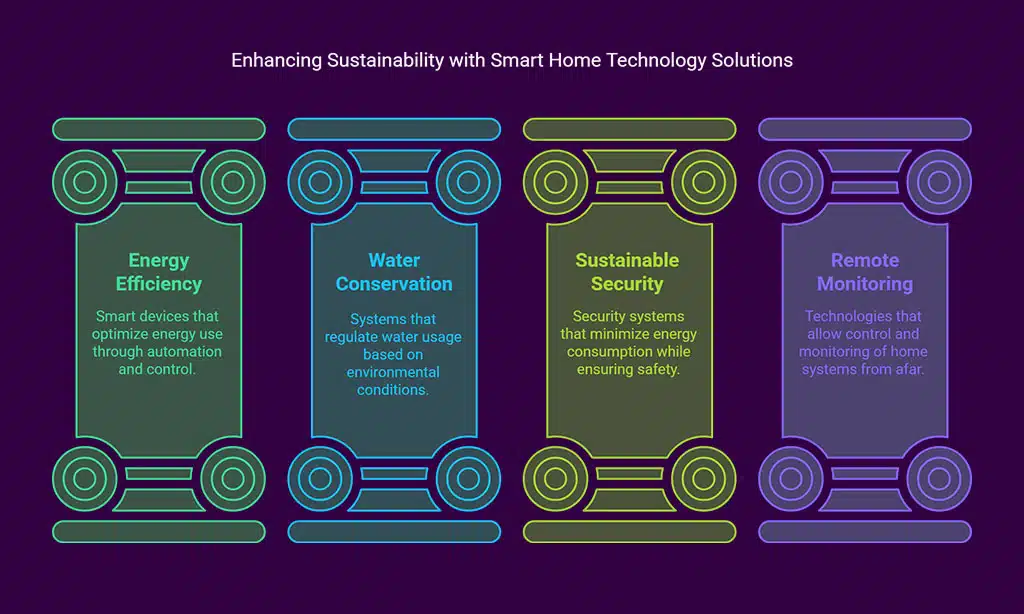
Smart home technology plays a crucial role in optimizing energy use, water management, and lighting, making sustainable living more efficient and convenient. Advanced automation systems can monitor energy consumption in real time, adjust settings based on occupancy, and integrate with renewable energy sources for maximum efficiency.
Benefits of Smart Technology in Green Homes:
- Energy Efficiency: Smart thermostats, lighting controls, and automated blinds help regulate energy use.
- Water Conservation: Smart irrigation systems adjust water usage based on weather forecasts and soil conditions.
- Sustainable Security Systems: Motion-activated lighting and smart surveillance reduce unnecessary energy consumption.
- Remote Monitoring: Mobile apps allow homeowners to track and control energy use even when away.
Common Smart Tech Mistakes
- Choosing outdated technology with limited energy-saving benefits, which leads to inefficiencies and higher operational costs.
- Overlooking integration with solar or wind energy systems, preventing seamless renewable energy usage.
- Failing to consider home automation for heating, cooling, and lighting, missing opportunities for energy optimization.
- Not investing in interoperable smart devices, leading to compatibility issues that hinder system efficiency.
8. Ignoring Long-Term Maintenance Needs
Sustainability isn’t just about construction—it’s about long-term upkeep. Many homeowners overlook maintenance strategies that ensure long-term efficiency and cost savings. A well-maintained green property continues to deliver energy efficiency, water conservation, and reduced environmental impact over time.
Best Practices for Long-Term Sustainability:
- Regular Inspections: Schedule periodic energy audits to identify inefficiencies.
- Upgrading Technology: Invest in newer, more efficient systems as they become available.
- Eco-Friendly Repairs: Use sustainable materials and low-impact repair techniques.
- Landscaping Management: Maintain green roofs, rain gardens, and xeriscaping for optimal water use.
Maintenance Mistakes to Avoid:
- Not cleaning solar panels regularly, leading to decreased energy efficiency.
- Ignoring HVAC system upgrades, resulting in higher energy consumption.
- Using improper cleaning chemicals that harm eco-friendly materials and indoor air quality.
- Neglecting insulation checks, causing energy loss and higher heating/cooling costs.
- Forgetting to monitor water conservation systems, leading to leaks or inefficiencies.
9. Not Considering Future Expansion
A green home should be flexible to accommodate future needs. Lack of expansion planning can lead to inefficient retrofitting, increased costs, and disruptions in sustainability efforts. As families grow or technology advances, a well-planned green property should allow for seamless upgrades and modifications without compromising its environmental benefits.
Key Considerations for Scalable Green Homes:
- Expandable Solar Capacity: Ensure space for additional solar panels or energy storage if future energy needs increase.
- Modular Design: Use construction techniques that make future expansions easier, such as prefabricated walls or adaptable floor plans.
- Planned Utility Integration: Leave provisions for future smart home tech, energy-efficient appliances, or additional plumbing needs.
- Multi-Use Spaces: Design rooms that can serve multiple functions over time, reducing the need for future extensions.
Common Expansion Mistakes:
- Not planning for extra solar capacity, leading to costly retrofitting for additional panels.
- Using non-modular building techniques that hinder future renovations and require significant structural changes.
- Neglecting future energy and water demands, resulting in inefficient system modifications.
- Overlooking zoning and building codes, which may restrict future sustainable expansions.
10. Failing to Secure Proper Certifications
Green homes need official certifications to ensure they meet eco-friendly standards and adhere to rigorous sustainability benchmarks. These certifications not only validate a property’s energy efficiency and environmental impact but also offer financial advantages, such as tax credits, incentives, and increased resale value. Additionally, eco-certifications boost buyer confidence, making a home more attractive in the real estate market.
Benefits of Green Certifications:
- Higher Property Value: Certified green homes typically sell at a premium.
- Lower Utility Costs: Energy-efficient buildings reduce electricity and water bills.
- Healthier Living Environment: Green homes improve indoor air quality and minimize exposure to toxic materials.
- Environmental Impact Reduction: Certified homes reduce carbon footprints through sustainable construction and energy efficiency.
Top Green Certifications:
- LEED (Leadership in Energy and Environmental Design): A globally recognized certification for sustainable building design, construction, and operation.
- BREEAM (Building Research Establishment Environmental Assessment Method): Focuses on sustainable building performance in terms of energy use, materials, and pollution control.
- ENERGY STAR Certification: Recognized for homes and appliances that meet strict energy-efficiency guidelines set by the U.S. Environmental Protection Agency (EPA).
- Passive House Certification: Ensures ultra-low energy consumption through superior insulation, airtight construction, and heat recovery ventilation.
- WELL Certification: Focuses on occupant health and well-being through air, water, light, and material considerations.
Wrap Up
Building a sustainable home is an investment in the future. By understanding and avoiding these common pitfalls to avoid when building a green property, you ensure energy efficiency, cost savings, and environmental benefits for years to come.
Are you planning to build a green property? Share your thoughts and experiences in the comments below!
























