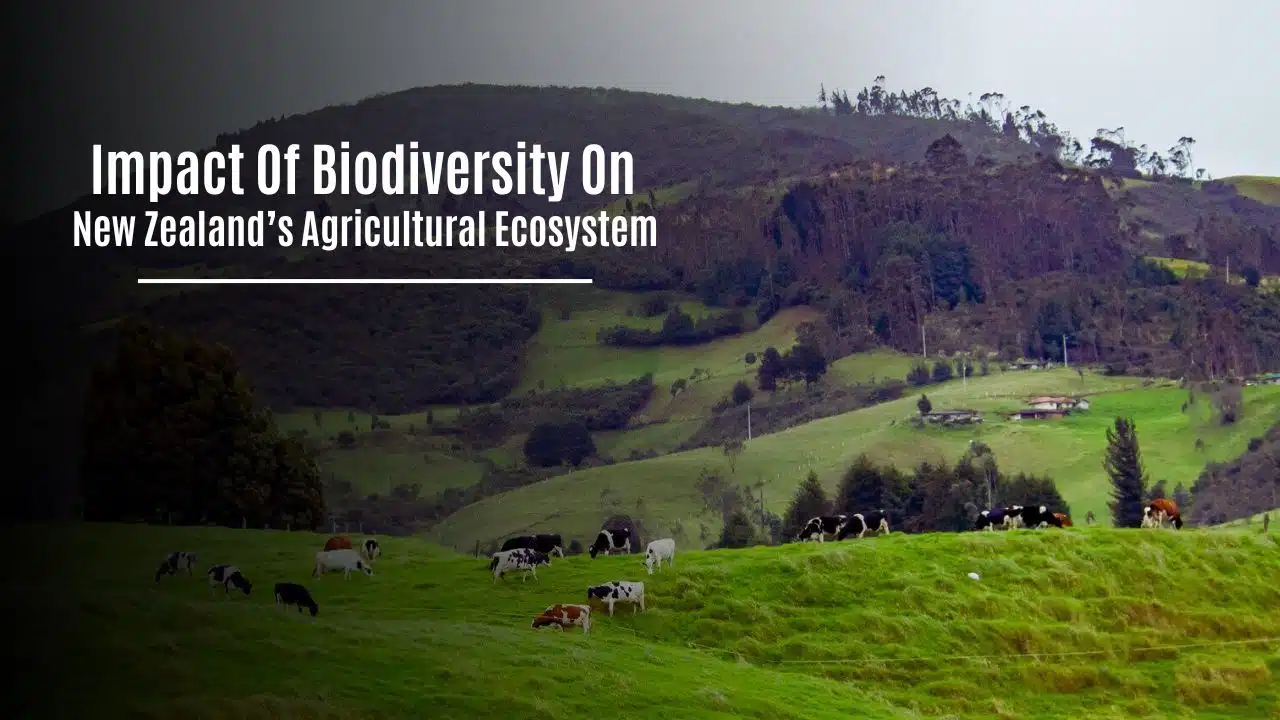
Farming in New Zealand faces big challenges from biodiversity loss. Around 36% of the country’s economy depends on nature and healthy ecosystems. The impact of biodiversity on New Zealand’s agricultural ecosystem is huge—and it affects soil, water, plants, and animals.
Keep reading to learn why this matters and how farms can thrive by protecting nature!
Understanding Biodiversity in New Zealand’s Agricultural Ecosystem
Biodiversity supports life on agricultural land in New Zealand. Indigenous vegetation covers 25% of the country’s total plant area, with grasslands making up 13%. These plants create habitats for many species and help maintain ecosystem services like soil health and water regulation.
Mixed livestock farms hold about 25% of the remaining native vegetation. Legal protections cover under 10% (182,677 hectares) of private indigenous land. This shows the need for more focus on biodiversity conservation.
Healthy ecosystems support farming by improving soil nutrients and reducing weed pressure naturally.
The Role of Indigenous Vegetation on Farms
Native plants help keep farm ecosystems healthy and balanced. They support pollinators, improve soil quality, and provide natural pest control.
Importance of native plant species for ecosystem balance
Tall tussock species help ecosystems recover after fires, but full recovery can take over 10 years. These plants are crucial for stabilizing soil and stopping erosion. They store 2-10 times more water than forests in areas with 600-1000mm yearly rainfall.
This ensures healthy soils and regulates water flow.
Native vegetation gives shelter and food to local wildlife while cooling waters for aquatic species. It also creates biodiversity corridors, making it easier for wildlife to move safely across landscapes.
By supporting these functions, native plants keep agricultural systems stable and productive.
Impacts of Agricultural Intensification on Biodiversity
Farming more intensively harms nature. It disrupts wetlands, grasslands, and native species vital for balance.
Degradation of aquatic and terrestrial biodiversity
Agricultural intensification in New Zealand harms biodiversity. Increased livestock grazing destroys native grasslands like tussock ecosystems. Over 200 years, hundreds of exotic plants and animals have replaced indigenous species, leaving few native populations on offshore islands.
Invasive pests and wilding pines worsen the damage. Wilding pines raise fire risks by increasing flammability. Wetlands are drained for farming, reducing water quality and aquatic habitats.
These changes hurt soil health and ecosystem services essential to sustainable agriculture.
Benefits of Biodiversity to Agricultural Productivity
Biodiversity boosts farm yields by improving pollination, controlling pests, and keeping soil healthy—read on to discover how this shapes agriculture!
Pollination and pest control services
Pollinators like bees help in producing one-third of the food people eat. Farms near native forests or natural areas see higher crop yields due to wild bee pollination. These services add about $153 billion each year to the global economy, boosting agricultural production significantly.
Flower-rich cover crops and hedgerows improve pollinator habitats on farms. They also attract predators that eat harmful pests, reducing reliance on chemicals. Farmers adopting such practices need economic support for long-term benefits to both ecosystems and agricultural landscapes.
Soil health and nutrient cycling improvements
Healthy soil needs active microbes. These tiny organisms improve nutrient cycling and break down organic matter. Diverse soil microbiomes help plants grow stronger by releasing nutrients like nitrogen and potassium.
In New Zealand, using organic fertilizers has boosted microbial diversity on many farms. This practice also builds long-term soil fertility, making it more resilient to droughts or extreme rainfall.
As temperatures rise due to climate change, soil microbes face changes too. Some may thrive while others decline, altering how nutrients move through the earth. Supporting grassland ecosystems and regenerative farming can keep soils thriving.
Practices like rotational grazing protect soil natural capital and promote better carbon sequestration while reducing harmful impacts of over-grazing on agricultural lands.
Challenges to Maintaining Biodiversity in Agricultural Landscapes
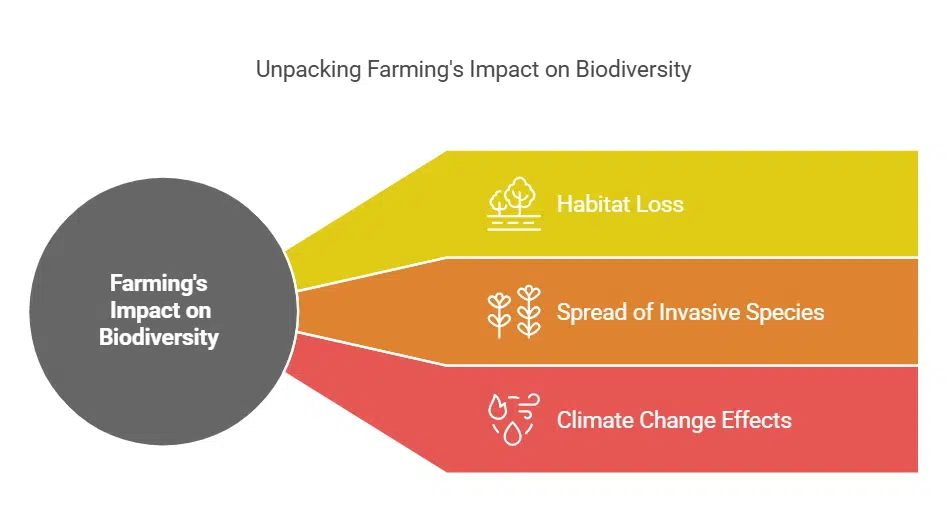
Farming often causes habitat loss, invasive plants to spread, and changes in climate—making it hard for nature to thrive. Keep reading to learn what can be done!
Habitat loss and invasive species threats
Habitat destruction has severely harmed New Zealand’s biodiversity. Over the past 200 years, deforestation and wetland drainage have wiped out large areas of native ecosystems. Surviving species often remain in small populations on offshore islands.
Invasive species have worsened the crisis. European settlers introduced 34 mammal species, including brush-tailed possums, rabbits, goats, cats, stoats, and ferrets. These animals threaten native plants and animals by hunting or destroying their habitats.
Effects of climate change on ecosystems
Rising temperatures and changing rainfall patterns are harming ecosystems. Increased flooding, droughts, and wildfires damage habitats like riparian ecosystems and peatlands. Soil microbial diversity reacts unpredictably to warming climates.
Long-term soil heating can cause soil carbon losses, which worsen greenhouse gas emissions.
Climate change intensifies habitat fragmentation and boosts invasive species threats. These changes stress native tussock grasslands and farmland biodiversity. Some effects may last over 500 years, making climate adaptation urgent for ecosystem-based management efforts in New Zealand’s agricultural landscapes.
Strategies for Enhancing Biodiversity on Farms
Farmers can plant trees near waterways, rotate crops smartly, and use nature-friendly methods to improve biodiversity—read on for more ideas!
Incorporating riparian planting and agroforestry
Riparian planting helps protect rivers and streams. Plants along riparian margins reduce soil erosion and filter runoff from farms. These zones also create habitats for local wildlife, boosting biodiversity.
Agroforestry combines trees with crops or grazing lands. This approach shades animals, improves soil health, and traps greenhouse gases like carbon dioxide.
Mixed livestock farms in New Zealand support 25% of the country’s remaining native vegetation. Planting native species strengthens these ecosystems further by restoring balance to tussock grasslands and other areas impacted by agricultural activities.
Working together with landowners ensures sustainable landscapes that support both nature and farming needs while addressing climate change impacts like extreme weather and temperature rises.
Promoting regenerative agriculture practices
Farmers can support biodiversity by using regenerative agriculture. Practices like rotational grazing, reducing tillage, and planting cover crops help soil health and protect native vegetation.
These steps also improve greenhouse gas regulation and fight climate risk.
Adding areas for trees or shrubs boosts habitat for birds and insects. Native species thrive when farms include riparian zones and prevent overgrazing in tussock grasslands. Careful management of these methods is vital to avoid harm to local ecosystems or animal welfare issues.
Takeaways
Biodiversity shapes New Zealand’s farms and future. Healthy ecosystems support soil, water, and crops. Native plants and animals balance the land while boosting resilience against climate change.
Smart practices like agroforestry protect nature and improve yields. Embracing biodiversity benefits both farmers and the environment long-term.
FAQs on Impact Of Biodiversity On New Zealand’s Agricultural Ecosystem
1. What is the role of biodiversity in New Zealand’s agricultural ecosystem?
Biodiversity supports ecosystem services like soil health, flood mitigation, and animal production. It also helps manage risks from climatic changes and human impacts on the land.
2. How does climate change affect biodiversity in New Zealand’s farms?
Increases in temperature and global climate patterns harm ecosystems by disrupting biogeochemical processes. These changes can reduce soil health and hurt intensive agricultural systems.
3. Can nature-based solutions help improve New Zealand’s agriculture?
Yes, nature-based solutions like afforestation and regenerative farms can boost biodiversity management while mitigating greenhouse gas emissions (GHG) and addressing the biodiversity crisis.
4. What tools are used to study biodiversity’s impact on agriculture?
Tools like GIS, spatial analysis, geographically weighted regression, and statistics help analyze topographical data to understand how biodiversity affects socio-economic factors in farming.
5. How do policies influence New Zealand’s agricultural practices?
Policies under the Resource Management Act encourage sustainable practices such as carbon markets or subsidies for better infrastructure—helping farmers adapt to global climate change challenges.
6. Why is managing agrobiodiversity important for farmers?
Agrobiodiversity improves crop resilience, reduces GHG emissions through smarter resource use, and ensures long-term sustainability despite climatic shifts or other environmental pressures.