Data transformation facilitates a seamless migration of old-fashioned infrastructures to advanced, more efficient solutions. Organizations can tap into the robustness of artificial intelligence, maximizing the outcomes of their decisions and analytics. Integrating data modernization into your business makes data more usable and accessible. You also open up multiple opportunities to generate more income and restructure operations.
Adopting digital solutions eliminates the challenges of siloed data and maintenance and operation costs associated with legacy systems. You can segment your data across diverse departments, increasing cooperation and insights. When moving your legacy systems into sophisticated environments, consider aligning the organizational goals with data strategies. Take a deep overview of your data infrastructure to uncover areas requiring upgrades and create tactical intents. Personalize your modernization strategies to penetrate deeper and garner more returns on investment.
1. Understanding The Current Data Landscape
The starting point for a successful data modernization project is the existing infrastructure. Understanding what you have helps you create what you need for more successful operations. Check your existing data infrastructure, appraising the efficiency and suitability of platforms, stores, and management tools. Such valuable information can inform your decision on the technologies and tools to integrate into your infrastructure to meet growing needs.
Look for systems and functions addressing the same pain point. Identify vulnerabilities like system overlays and workflow disorder. Eliminate redundancies in data repositories and data processors to minimize costs. Organizations that want to establish robust data systems must solve silo issues. Ensure your data modernization project addresses all your organizational scalability, integration, and processing needs.
2. Understanding Data Modernization
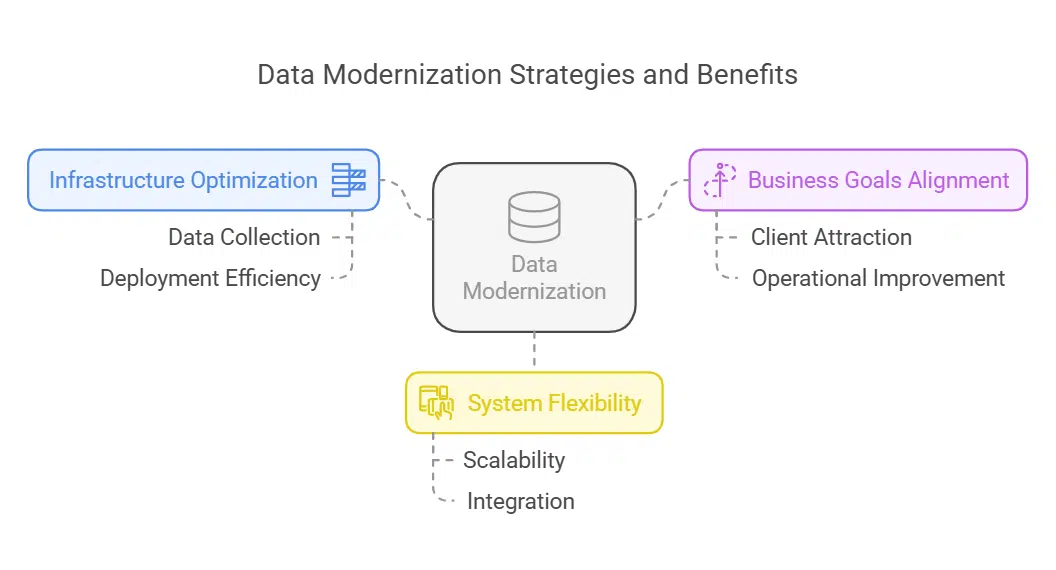
Do you understand your data infrastructure? Can you discern how systems, tools, and workers correlate to optimize data collection and deployment?
These insights will inform your decision to develop future-ready data environments. Leverage insights to create revolutionary data systems that allow optimal personalization and power harnessing. Adopting data-modernized infrastructures allows your organization to benefit from superior computational power. It exhibits your company’s authoritativeness, lowering infrastructural costs and boosting responsiveness to changing demands.
Leverage the power of modern data infrastructures, ensuring the strategies you deploy match your long-term business goals. Is your company’s goal to attract and retain clients, enhancing their experiences? Or is your goal to improve operations through optimized decisions? The data modernization strategies must link with these goals, ensuring the technologies and tools you secure can provide the resources and power required to achieve tangible value.
The most efficient way to achieve success is to ensure that the data systems you deploy optimize your company processes while improving offerings. Ensure you design systems that can grow with your business, addressing the advancing data volumes and increasing demands. The architecture should be flexible enough to integrate with changing workflows and future technologies.
3. Identifying Gaps in Data Infrastructure
Are you analyzing systems to determine which areas need modification and which have potential challenges? Understanding the formatting and age of APIs has diverse effects on the data flow between diverse departments and apps. Run extensive tests to collect valuable data on the compatibility of your infrastructure with hybrid data environments. You should research whether your organizational system can meet the current cloud requirements. The infrastructure should be scalable and meet all your workload and network performance needs.
Ensure the current infrastructure seamlessly handles the transition. Furthermore, it should meet all security, performance, and scalability requirements. Confirm its compatibility with HIPAA, CCPA, and GDPR.
4. Evaluating Technology and Tooling Requirements
Realize that your tools and technologies help with a successful migration. Explore data analytics tools, focusing more on solutions with machine learning and AI features. Underscore the unlimited capacity of predictive and analytics tools and how they can integrate into your company to predict trends and streamline service customization.
Consider how reliable and efficient the governance systems are. Ensure that these tools add the value your business needs to attain compliance throughout its data cycles across diverse departments. You should opt for platforms with role-based features for monitoring quality, controlling access, and tracking data lineage.
5. Engaging Stakeholders and Building a Roadmap
Organizations positioned for success usually leverage the input of their teams. Talk to your personnel, ensuring IT and analytics teams share their opinions about the projected migration. Involving your teams in the modernization process ensures the transformation stays within the organizational objectives.
Prioritize systems and projects with a higher return on investment. Complete the less valuable implementations first and finish with the most valuable ones.
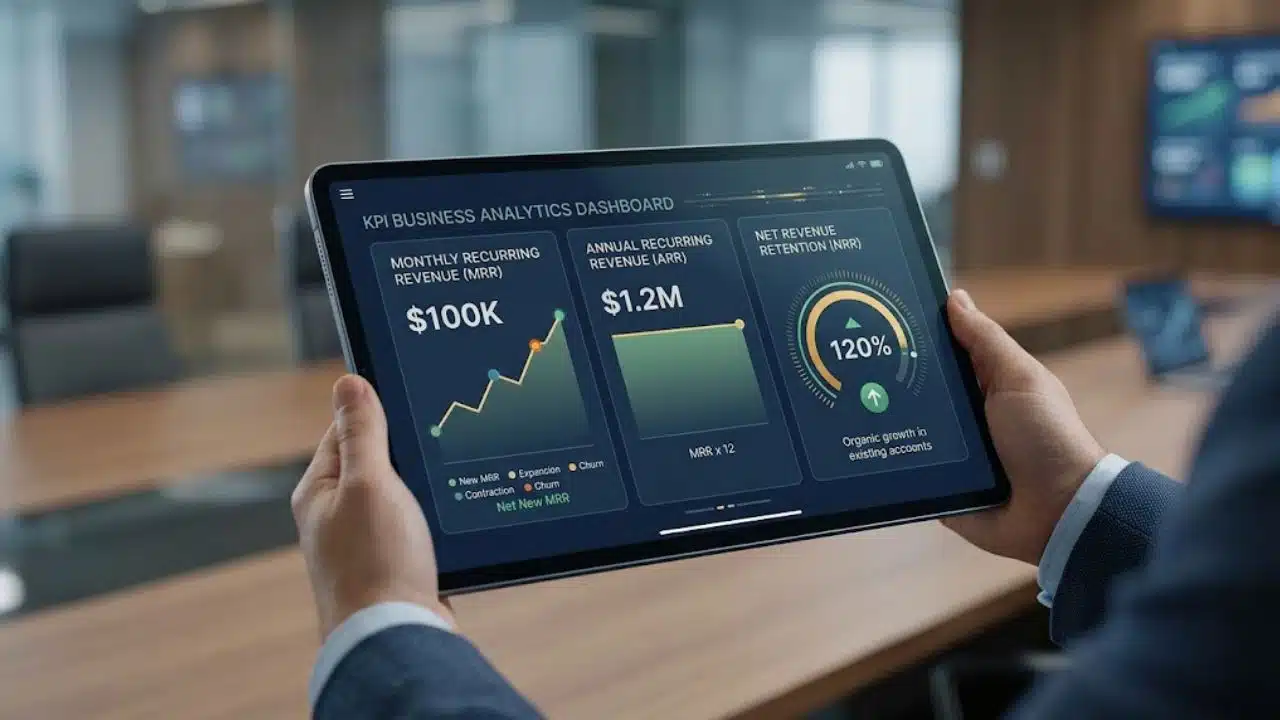
6. Measuring Success with Key Performance Indicators (KPIs)
Focus on saving operational costs and reducing data processing times with quantifiable modernization initiatives. Ensure you regularly track progress and align all functions and processes with your company objectives.
You must understand modernization is a dynamic process and involves diverse technological and business points. Engage stakeholders in different departments to ensure you can identify opportunities and gaps that need addressing to streamline the processes.
7. Preparing for Future Data Needs
Prepare for the future when setting up your data infrastructure. Your organization should customize its data infrastructures to meet the needs of the unforeseen future. That requires selecting scalable and efficient technologies, ensuring seamless integration and expansion. Leverage data management and edge computing technologies to optimize your data approach. Monitor trends and utilize tools to achieve data efficiency and meet changing client needs.
All your modernization efforts must focus on addressing potential disruptions. Evaluate market shifts, technological inefficiencies, and cybersecurity threats. You want to deploy robust disaster recovery plans and data security systems.
Conclusion
Efficient and robust data infrastructures that meet present-day requirements involve a complicated process. That starts with a structured assessment of the current system and prioritizing initiatives that guarantee success in system creation. Understanding the requirements lets you align data modernization with your organizational goals.