Socializing your pet is more than just introducing them to other animals—it’s about helping them feel confident, secure, and comfortable in various environments.
Proper socialization can prevent behavioral issues like aggression, anxiety, and excessive barking, ensuring your pet becomes a well-rounded companion.
Whether you have a puppy, kitten, or an older pet, the right strategies can make a lasting impact. Let’s explore 5 detailed ways to socialize your pet and improve their behavior, with actionable tips to make the process enjoyable for both you and your furry friend.
1. Start Early with Controlled Socialization

Why It’s Important
Early socialization is critical for young pets, especially during their formative months. Puppies, for instance, have a critical socialization period between 3 and 14 weeks, during which they’re most open to new experiences.
For kittens, this period is from 2 to 9 weeks. Exposing them to diverse environments, people, and other animals during this time builds a foundation of trust and adaptability.
How to Do It
- Introduce Gradually: Start with calm, familiar environments before progressing to busier, more stimulating settings.
- Meet a Variety of People: Introduce your pet to people of different ages, genders, and appearances to help them become comfortable with everyone.
- Practice Handling: Gently touch their paws, ears, and tail to get them accustomed to being handled, which is especially useful for vet visits or grooming.
Examples:
- Take your puppy for short walks around the block, allowing them to observe other pets and people from a safe distance.
- Invite friends over to interact with your kitten, ensuring the encounters are calm and positive.
Pro Tip:
If your pet shows signs of fear, such as cowering or growling, give them space and time to adjust. Never force interactions; instead, use treats to create positive associations.
2. Enroll in Obedience or Socialization Classes
Why It’s Important
Structured classes provide a controlled environment where pets can learn to interact with others under professional supervision. Trainers also teach essential skills, such as recall (coming when called) and proper leash behavior, which are invaluable for social outings.
How to Do It
- Research Classes: Look for programs designed for your pet’s age and personality. For example, puppy kindergarten classes focus on basic commands and social skills, while advanced classes might cater to behavioral challenges.
- Be Consistent: Attend all sessions and reinforce learned behaviors at home to maximize the benefits.
- Ask Questions: Use the trainer’s expertise to address specific concerns, such as shyness or overexcitement.
Examples:
- Sign your dog up for group classes where they can practice interacting with other dogs in a safe and structured setting.
- Enroll your cat in a behavioral enrichment program that introduces them to toys, sounds, and gentle handling techniques.
Pro Tip:
Many trainers offer private sessions if your pet needs one-on-one attention to address specific issues, such as aggression or extreme fear.
3. Arrange Playdates with Other Pets
Why It’s Important
Playdates allow pets to practice social skills in a relaxed environment. These interactions teach them how to read social cues, establish boundaries, and engage in healthy play, reducing the likelihood of aggressive or fearful behavior.
How to Do It
- Choose the Right Partner: Select pets with calm temperaments and similar energy levels for initial introductions.
- Use Neutral Territory: Meet in a neutral space, such as a park, to prevent territorial behavior.
- Supervise Closely: Monitor interactions to ensure play remains friendly and doesn’t escalate into aggression or dominance displays.
Examples:
- Schedule weekly dog meetups with a friend or neighbor at a local dog park.
- Host a small gathering for cat owners, introducing their pets in separate rooms before allowing them to explore shared spaces gradually.
Pro Tip:
Always have toys and treats on hand to redirect energy or reward good behavior during playdates.
4. Expose Your Pet to Different Situations
Why It’s Important
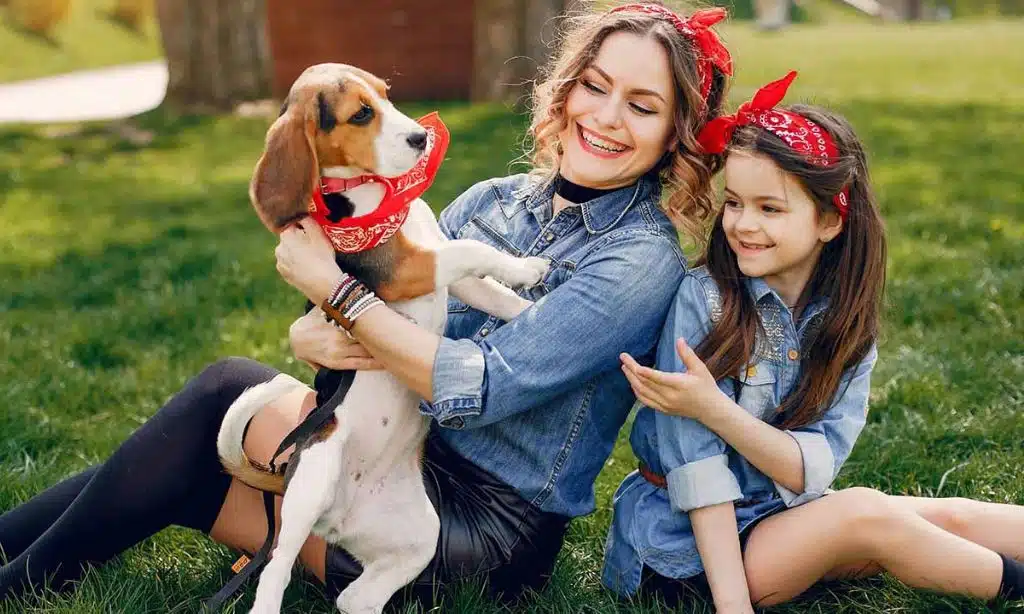
Exposure to a variety of environments, sounds, and experiences helps pets build resilience and adaptability. This reduces their chances of developing phobias or fear-based aggression when encountering unfamiliar stimuli.
How to Do It
- Introduce New Sights and Sounds: Play recordings of common noises, like thunderstorms or traffic, at a low volume to desensitize them. Gradually increase the volume as they grow more comfortable.
- Take Them on Adventures: Visit parks, beaches, or pet-friendly cafes to expose them to new smells and surroundings.
- Use Props: Introduce everyday items like umbrellas, bicycles, or strollers at home so they won’t be startled by them in public.
Examples:
- Take your dog on car rides to get them accustomed to traveling, which can help with trips to the vet or family vacations.
- Let your cat explore different rooms in the house with varied textures, like rugs, tiles, or hardwood floors, to build confidence.
Pro Tip:
Create a “socialization checklist” that includes experiences like meeting people in uniforms, visiting crowded areas, and walking near other animals.
5. Use Positive Reinforcement Techniques
Why It’s Important
Positive reinforcement is the most effective method for shaping your pet’s behavior. Rewarding good behavior encourages your pet to repeat those actions, making socialization a positive experience for them.
How to Do It
- Reward Often: Use high-value treats, verbal praise, or favorite toys whenever your pet behaves appropriately in a new situation.
- Be Patient: Progress at your pet’s pace. For example, if they’re nervous around other animals, reward calm behavior from a safe distance before gradually decreasing the space.
- Redirect Negative Behavior: If your pet reacts poorly, redirect their attention to something positive, like a treat or toy, instead of punishing them.
Examples:
- When your dog calmly sits near another dog, reward them immediately with a treat.
- If your cat allows a stranger to pet them, give them their favorite snack to reinforce the behavior.
Pro Tip:
Use a clicker or specific word like “Yes!” as a marker to let your pet know exactly which behavior is being rewarded.
Bonus Tips for Socializing Older or Fearful Pets
- Start Small: If your pet is older or has past trauma, begin with low-pressure environments and short sessions.
- Create a Safe Space: Provide a designated area where your pet can retreat if they feel overwhelmed.
- Work with Professionals: Fearful pets may require help from a certified animal behaviorist who can develop a customized plan.
Takeaway
Socializing your pet is an ongoing process that helps them become confident, well-behaved, and adaptable companions.
By starting early, attending professional classes, arranging playdates, exposing them to various environments, and using positive reinforcement, you can set your furry friend up for a lifetime of success.
Remember, patience and consistency are key. Celebrate small victories along the way, and don’t hesitate to seek professional guidance if needed. Which of these strategies will you try first?
Start today, and watch your pet’s behavior transform into one of confidence and joy!