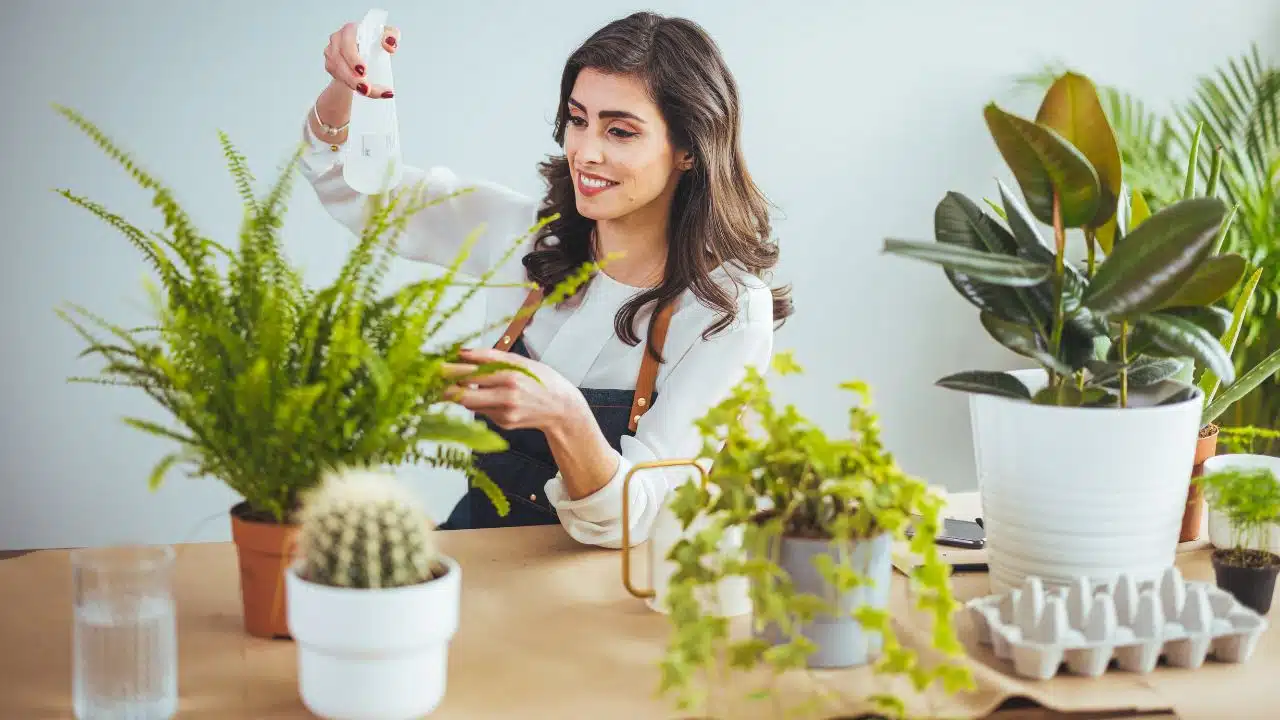
Adding plants to your home can transform any space, bringing in fresh, lively energy and a natural touch of beauty. However, if you’re new to plant care or have a busy lifestyle, you might worry about maintenance demands. Fortunately, there are many beautiful, low-maintenance plants that require minimal care and thrive in various indoor conditions.
In this guide, we’ll introduce you to 15 best low-maintenance plants for home without requiring constant upkeep.
Why Choose Low-Maintenance Plants?
Low-maintenance plants are ideal for anyone looking to improve their home environment with greenery without needing extensive gardening experience. These plants are hardy, can often withstand irregular watering, and adapt to different light levels, making them perfect for busy individuals or those new to indoor gardening.
The Benefits of Low-Maintenance Plants for Your Home
Adding low-maintenance plants to your home has multiple benefits beyond aesthetics. Many of these plants are known for improving indoor air quality, creating a more inviting and calming environment, and even enhancing your mental well-being. Here’s why choosing low-maintenance plants is a smart decision:
- Air Purification: Several low-maintenance plants are excellent natural air purifiers, helping to remove toxins like formaldehyde, benzene, and xylene from the air. Improved air quality can lead to better respiratory health and reduced allergy symptoms.
- Mood Enhancement: Studies have shown that having greenery indoors can improve mood, reduce stress, and boost productivity. Low-maintenance plants allow you to enjoy these benefits without feeling overwhelmed by plant care.
- Aesthetic Appeal: Plants bring life and color into any space. They can act as design elements, enhancing your decor and making rooms feel more complete.
- Easy Care: Low-maintenance plants are ideal for busy individuals, beginners, or those who may not have a “green thumb.” These plants thrive with minimal care, making them easy to manage.
Let’s dive into 15 beautiful and resilient plants that will add charm and freshness to your space.
1. Snake Plant (Sansevieria trifasciata)
- Light: Low to bright, indirect sunlight
- Water: Every 2-3 weeks
- Humidity: Tolerates dry air
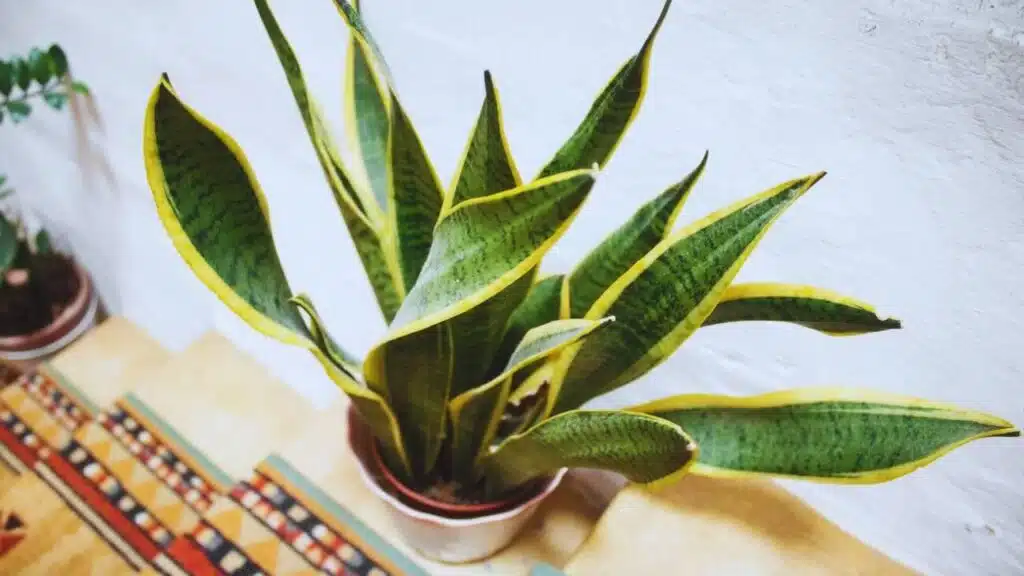
The snake plant, also known as “Mother-in-Law’s Tongue,” is popular for its striking, upright leaves with green and yellow stripes. Its thick, sword-like foliage is not only attractive but also highly efficient at removing indoor toxins. Snake plants thrive in low-light areas and require infrequent watering, making them ideal for bedrooms, offices, or even bathrooms.
Additional Benefits: Snake plants release oxygen primarily at night, making them excellent plants to keep in bedrooms. They are one of the best air-purifying plants, known to filter toxins like formaldehyde and benzene from the air.
2. ZZ Plant (Zamioculcas zamiifolia)
- Light: Low to bright, indirect sunlight
- Water: Every 2-4 weeks, allowing soil to dry out
- Humidity: Adaptable
The ZZ plant is a tough and resilient choice for any indoor space. Its glossy, thick leaves give it a vibrant look, and it can tolerate long periods without water, thanks to its water-storing rhizomes. The ZZ plant is known for its ability to grow even in low-light conditions, making it suitable for rooms with minimal natural light.
Additional Benefits: The ZZ plant is particularly resilient to pests, and its shiny leaves add a sleek, modern look to home interiors. It is also an effective air purifier, known for filtering toxins from the air.
3. Pothos (Epipremnum aureum)
- Light: Low to bright, indirect sunlight
- Water: Weekly or when soil feels dry
- Humidity: Moderate, but tolerates dry air
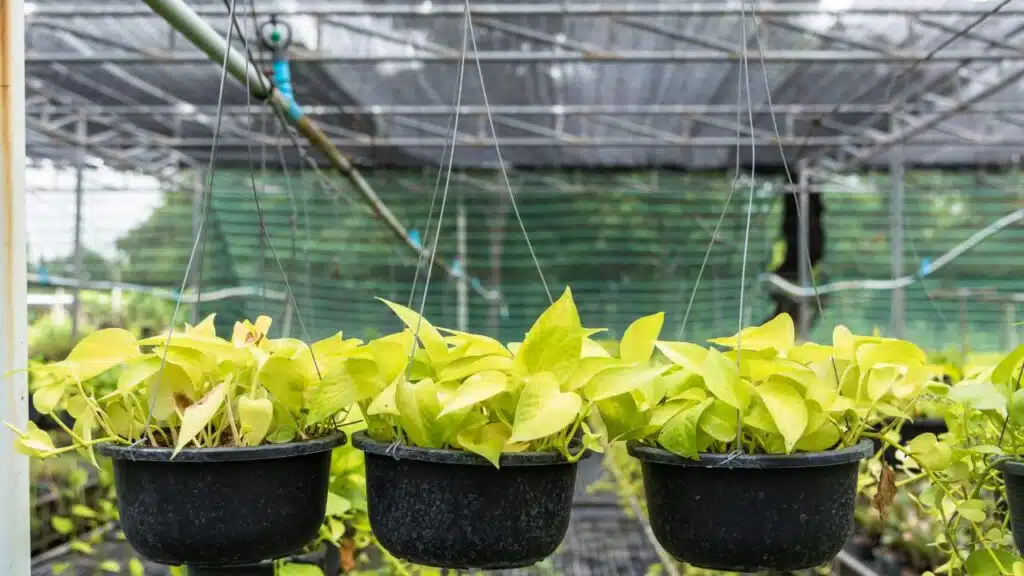
Pothos is one of the most popular indoor plants, loved for its heart-shaped, trailing leaves and adaptability. Also known as “Devil’s Ivy,” pothos is resilient to low light and inconsistent watering, making it an excellent choice for beginners. Its trailing vines look beautiful draped over shelves or hanging from planters.
Additional Benefits: Pothos is highly effective at removing indoor air pollutants, including formaldehyde and benzene. Pothos is a perfect plant to infuse any room with greenery, given its rapid growth and ease of propagation.
4. Spider Plant (Chlorophytum comosum)
- Light: Indirect sunlight, but tolerates low light
- Water: Weekly
- Humidity: Moderate to high
Spider plants are easy to recognize due to their arching leaves with green and white stripes. They are known for producing “spiderettes,” or small offshoots, which can be repotted to grow more plants. Spider plants thrive in indirect light and only need occasional watering, making them an excellent choice for busy plant owners.
Additional Benefits: Spider plants are pet-friendly and non-toxic, making them safe for households with cats or dogs. They are also effective air purifiers, removing pollutants like formaldehyde and xylene from the air.
5. Peace Lily (Spathiphyllum)
- Light: Low to moderate, indirect sunlight
- Water: Weekly, but tolerates slight droughts
- Humidity: High, but tolerates average indoor humidity
Peace lilies are known for their beautiful white flowers and glossy green leaves. They are low-maintenance and can tolerate lower light levels, making them a great addition to dim rooms. Peace lilies are also renowned for their air-purifying qualities, filtering out indoor pollutants.
Additional Benefits: Peace lilies thrive in bathrooms, where humidity is naturally higher. They are excellent for adding elegance to indoor spaces and act as natural air fresheners.
6. Aloe Vera
- Light: Bright, indirect to direct sunlight
- Water: Every 2-3 weeks, allowing soil to dry
- Humidity: Low to moderate
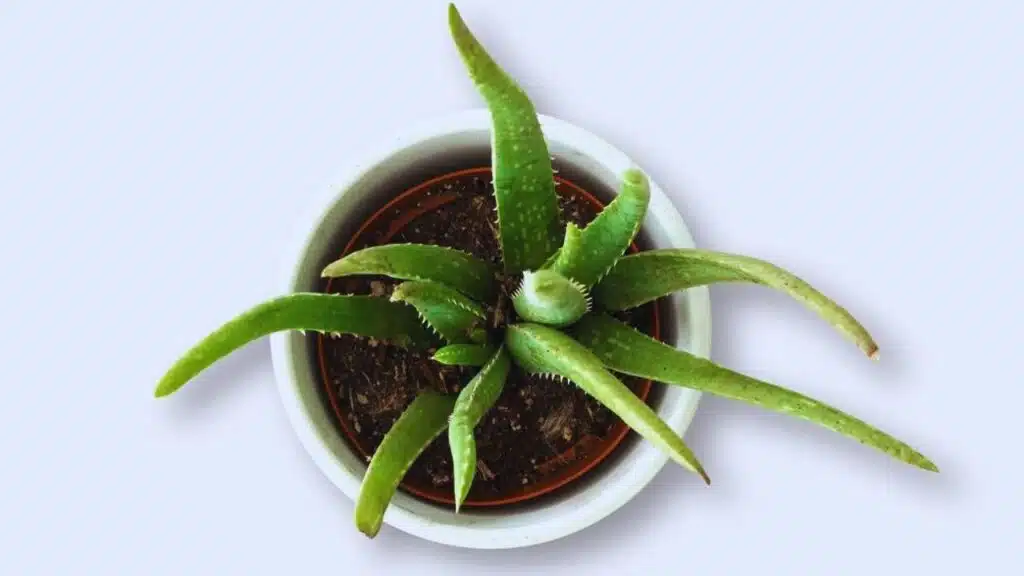
Popular succulent aloe vera is known for its healing gel, which skincare uses for its soothing properties. This plant is drought-resistant and requires very little maintenance, making it perfect for sunny windowsills. Just remember not to overwater it, as its roots can rot in excess moisture.
Additional Benefits: Aloe vera is a natural healer, and you can use its gel to treat minor skin irritations and burns. Its hardy nature makes it an excellent plant for beginners or anyone who needs some practical greenery.
7. Cast Iron Plant (Aspidistra elatior)
- Light: Low to bright, indirect sunlight
- Water: Every 2-3 weeks
- Humidity: Tolerates dry air
The cast iron plant is a resilient and low-maintenance option for those seeking a touch of green in darker areas. Its broad, dark green leaves add a rich, tropical look to any space, and it can survive in a range of lighting conditions.
Additional Benefits: Cast iron plants are highly tolerant of neglect, low light, and irregular watering. They add an elegant and lush appearance to home decor with minimal maintenance.
8. Chinese Evergreen (Aglaonema)
- Light: Low to bright, indirect sunlight
- Water: Every 1-2 weeks
- Humidity: Moderate to high, but adaptable
Chinese evergreen plants come in a variety of colors, from deep green to silver and pink, making them a colorful addition to any home. Known for their hardiness, these plants thrive in low light and require minimal watering.
Additional Benefits: Chinese evergreens are slow-growing and rarely require repotting, making them easy to manage over time. They also help to purify the air, filtering toxins and creating a fresher environment.
9. Lucky Bamboo (Dracaena sanderiana)
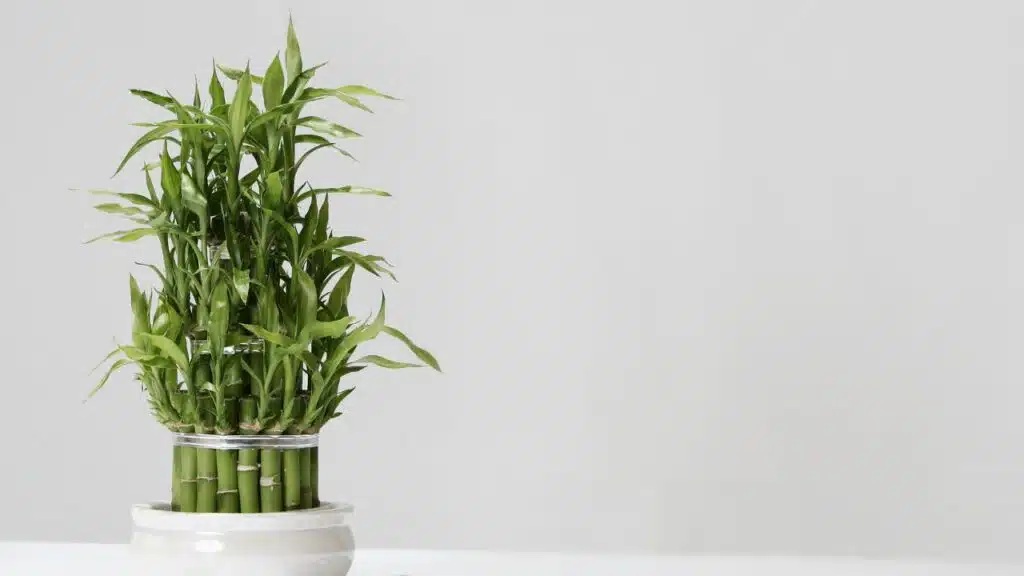
- Light: Low to moderate, indirect sunlight
- Water: Weekly, keep roots submerged in water.
- Humidity: Moderate
Unlike other houseplants, lucky bamboo typically grows in water rather than soil. It’s commonly associated with good luck and positive energy in Feng Shui and adds a simple yet elegant touch to indoor decor.
Additional Benefits: Lucky bamboo is extremely low-maintenance and can live in water for years. It’s an ideal plant for tabletops and small spaces, requiring only a weekly water change.
10. Rubber Plant (Ficus elastica)
- Light: Bright, indirect sunlight
- Water: Weekly, letting soil dry out
- Humidity: Moderate to high
With its thick, shiny leaves, the rubber plant is a bold and eye-catching choice for indoor greenery. It tolerates a range of light levels and only needs minimal watering, making it easy to care for.
Additional Benefits: The rubber plant is an effective air purifier and can grow to impressive heights if given space and light, making it a great option for filling up larger rooms with minimal maintenance.
11. Philodendron
- Light: Low-to-bright, indirect sunlight
- Water: Every 1-2 weeks
- Humidity: Moderate to high
Philodendrons are a classic choice for indoor plants, known for their heart-shaped leaves and trailing vines. They are extremely versatile and can thrive in a variety of indoor conditions, from low to bright, indirect light. Plant lovers love philodendrons because they grow quickly and propagate easily by cutting their vines.
Additional Benefits: Philodendrons are known to improve indoor air quality by removing toxins such as formaldehyde. You can train their trailing vines to climb or allow them to cascade down from shelves, making them a beautiful decorative addition to any room.
12. Jade Plant (Crassula ovata)
- Light: Bright, direct sunlight
- Water: Every 2-4 weeks, allowing soil to dry
- Humidity: Low to moderate
Jade plants are popular succulents with thick, round leaves that resemble small coins. Their hardy nature and easy care make them perfect for sunny windowsills, and they’re known to bring good luck and prosperity in some cultures. Jade plants prefer bright light and require very little water, making them ideal for those who may forget to water regularly.
Additional Benefits: Jade plants are slow growers and don’t require frequent repotting, making them very low-maintenance. They add a sculptural look to indoor decor and are easy to care for, requiring only occasional watering and some sunshine.
13. Boston Fern (Nephrolepis exaltata)
- Light: Indirect sunlight
- Water: Weekly, keeping soil moist
- Humidity: High
Boston ferns have feathery, lush fronds that bring a tropical feel to any indoor space. They prefer indirect sunlight and slightly moist soil, making them suitable for areas with consistent humidity, such as bathrooms. While they enjoy moisture, they are relatively low-maintenance if kept in the right conditions.
Additional Benefits: Boston ferns are excellent at removing toxins like formaldehyde from the air, making them a great choice for indoor air quality. Their lush, green fronds add texture and vibrancy to indoor spaces, and they can thrive when given consistent but minimal care.
14. Dumb Cane (Dieffenbachia)
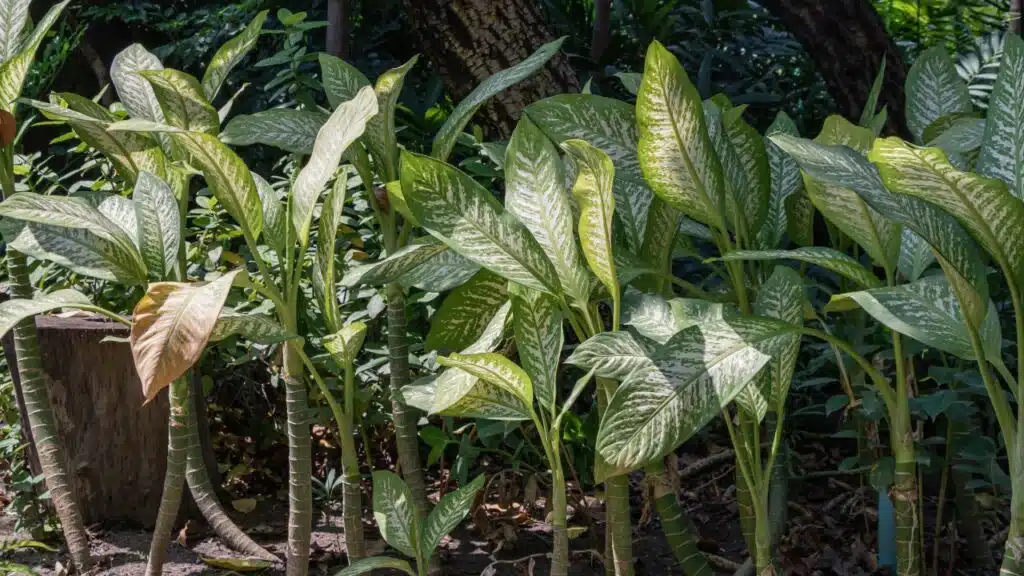
- Light: Low to moderate, indirect sunlight
- Water: Every 1-2 weeks, allowing the top inch of soil to dry
- Humidity: Moderate to high
Dumb cane is a popular choice for its striking variegated leaves, which add a bold touch to home decor. This plant tolerates low light and requires minimal watering, which makes it a good choice for busy plant owners. Just be cautious with dumb cane if you have pets or small children, as its sap can be mildly toxic if ingested.
Additional Benefits: Dumb cane plants add a tropical flair to indoor spaces and can grow quite large, making them ideal for filling empty corners. They are also effective at filtering toxins from the air, contributing to a healthier indoor environment.
15. Burro’s Tail (Sedum Morganianum)
- Light: Bright, indirect sunlight
- Water: Every 2-3 weeks, letting soil dry out
- Humidity: Low to moderate
Burro’s tail, also known as “donkey’s tail,” is a unique succulent with trailing, plump leaves that resemble a braid. This plant is highly drought-resistant and prefers bright light, making it ideal for hanging planters or high shelves where it can cascade down beautifully. It requires little water and thrives in drier air, making it an ideal choice for anyone new to succulents.
Additional Benefits: Burro’s tail is an excellent choice for those who love trailing plants but want a low-maintenance option. It adds a distinctive look to any space, and its drought tolerance makes it easy to care for, even for those who may be prone to underwatering.
Conclusion
Choosing low-maintenance plants allows you to enjoy all the beauty and benefits of indoor greenery without the hassle of intensive care routines. Whether you’re a busy professional, a new plant owner, or just someone who wants a touch of nature at home, these 15 plants are ideal choices.
They require minimal watering, adapt well to various light conditions, and add vibrant energy to any room. From the peace lily to the rubber plant, each of these options has unique benefits that can enhance your home’s atmosphere, purify the air, and bring a sense of calm and balance.