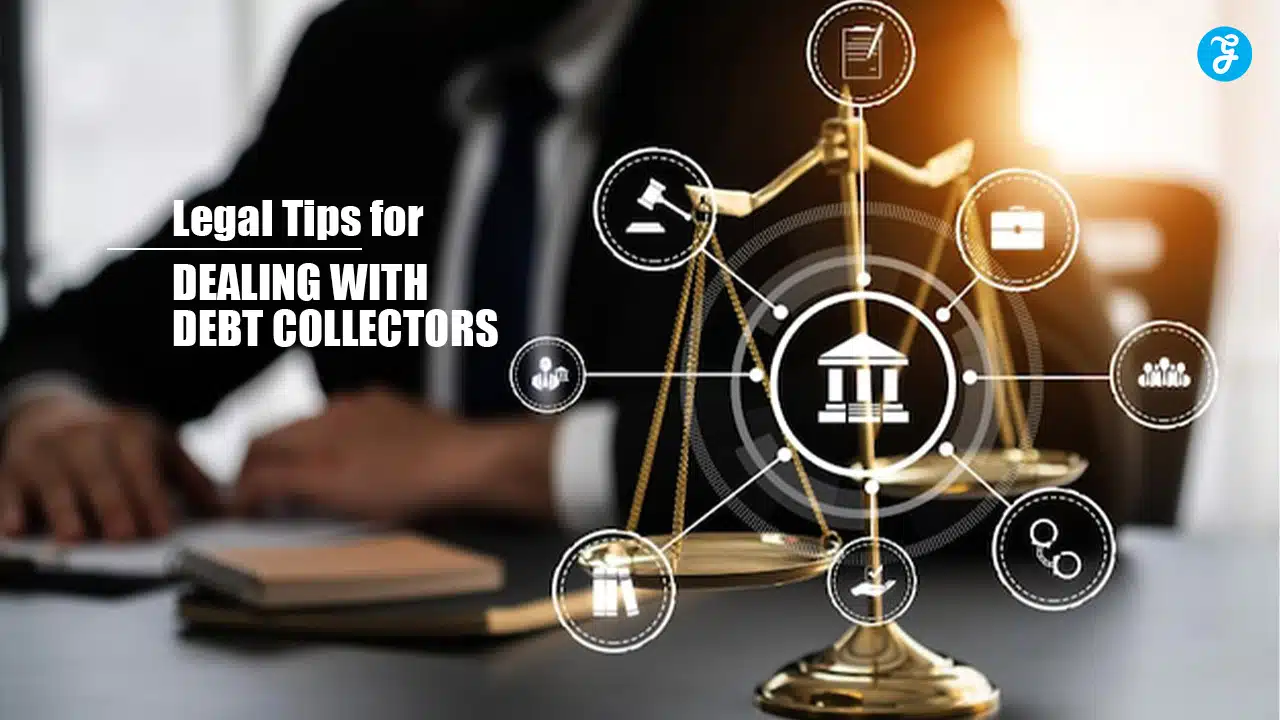
Dealing with debt collectors can be a stressful experience, but understanding your legal rights and knowing how to handle the situation can help reduce anxiety and protect your financial well-being.
By following specific legal tips, you can ensure that you’re treated fairly and avoid falling victim to aggressive or unlawful debt collection practices.
This guide provides 12 essential legal tips for dealing with debt collectors, empowering you to navigate the process with confidence.
Why It’s Important to Know Your Rights When Dealing with Debt Collectors
Protect Yourself from Unlawful Practices
Laws regulating debt collectors are there to stop unfair practices, abuse, and harassment. Knowing your legal rights can help you protect yourself from violations and ensure that debt collectors follow the rules.
Prevent Financial Missteps
Dealing with debt collectors in a legally sound way can prevent unnecessary financial problems, including making payments you don’t owe, facing legal action, or damaging your credit.
1. Understand the Fair Debt Collection Practices Act (FDCPA)
The Fair Debt Collection Practices Act (FDCPA) is a federal law that governs how debt collectors can interact with consumers. The FDCPA protects you from abusive, deceptive, and unfair debt collection practices, and it applies to personal, family, and household debts, including credit cards, medical bills, and mortgages.
Key Protections Under the FDCPA
- No Harassment: Debt collectors cannot harass, oppress, or abuse you. This includes threats of violence, obscene language, or repeated phone calls.
- Limited Contact Hours: Debt collectors can only contact you between 8 a.m. and 9 p.m. unless you give permission for contact outside these hours.
- No False Claims: They cannot lie about the amount owed, claim to be attorneys, or threaten legal action they don’t intend to take.
How to Use the FDCPA to Your Advantage
- Know Your Rights: Familiarize yourself with the FDCPA so you can recognize when a debt collector violates it.
- Keep Records: Document any interactions with debt collectors. If they violate the FDCPA, you can file a complaint with the Consumer Financial Protection Bureau (CFPB) or take legal action.
2. Request Debt Validation
Before making any payments, you have the legal right to request debt validation to confirm that the debt is legitimate and that the debt collector is authorized to collect it. This protects you from paying debts you don’t owe or from falling victim to fraudulent collection attempts.
How to Request Debt Validation
- Write a Letter: Within 30 days of the first contact with the debt collector, send a written request asking for debt validation. This forces the collector to provide details about the debt.
- Wait for Verification: The debt collector must provide proof of the debt, such as a copy of the original bill or contract. They cannot continue collection efforts until they do so.
3. Keep Communication in Writing
Communicating with debt collectors in writing creates a paper trail that can protect you if any legal issues arise. It ensures that you have documentation of all requests, agreements, and potential violations.
How to Communicate with Debt Collectors
- Send Certified Mail: Always send letters via certified mail with a return receipt. This ensures you have proof that the collector received your communication.
- Request Written Agreements: If you negotiate a settlement or payment plan, ensure everything is put in writing before you make any payments.
4. Know the Statute of Limitations on Debt

Every state has a statute of limitations that determines how long a creditor or debt collector can legally sue you for a debt. Once this period has passed, the debt is considered “time-barred,” meaning they can no longer take legal action to collect it.
How to Handle Time-Barred Debts
- Confirm the Statute of Limitations: Research the statute of limitations in your state. The time period varies depending on the type of debt and state laws.
- Avoid Restarting the Clock: Be cautious about making payments on old debts. Even acknowledging the debt in some states can reset the statute of limitations, allowing the collector to sue.
5. Dispute Inaccurate Debts
If you believe a debt is inaccurate or you do not owe it, you have the right to dispute it. Mistakes can happen, and disputing a debt ensures that the collector cannot continue to pursue it unless they can verify its accuracy.
How to Dispute a Debt
- Send a Written Dispute: Write a letter to the debt collector stating why you believe the debt is incorrect. This should be done within 30 days of receiving the first notice.
- Provide Evidence: Include any documents that support your claim, such as payment receipts or statements showing the debt was already paid.
6. Be Aware of Your Credit Report Rights
Debt collectors can report your debt to credit bureaus, which can negatively affect your credit score. However, you have rights under the Fair Credit Reporting Act (FCRA) that protect you from inaccurate reporting.
How to Manage Credit Report Issues
- Check Your Credit Report: Regularly review your credit report to ensure that debts reported by collectors are accurate. You are entitled to one free report per year from each of the major credit bureaus.
- Dispute Inaccuracies: If you find incorrect information, you can dispute it with both the credit bureau and the debt collector. The bureau must investigate your claim within 30 days.
7. Negotiate a Settlement
Debt collectors are often willing to settle for less than the full amount owed, especially if they believe they might not recover the entire debt. Negotiating a settlement allows you to reduce the amount you owe and resolve the debt more quickly.
Tips for Successful Negotiation
- Offer a Lump-Sum Payment: If possible, offer to pay a portion of the debt in a single payment. Collectors are more likely to agree to a lower amount if they receive payment upfront.
- Get the Agreement in Writing: Before making any payments, ensure the collector agrees in writing to consider the debt fully settled after the agreed amount is paid.
8. Know When to Cease Communication
Under the FDCPA, you have the right to request that a debt collector stop contacting you. This can be helpful if you feel harassed or need time to explore your legal options.
How to Request Cease Communication
- Send a Written Request: Write a letter to the debt collector requesting that they stop contacting you. After they receive your letter, they can only contact you to confirm they are ceasing communication or to inform you of a lawsuit.
- Know the Consequences: Stopping communication doesn’t erase the debt or prevent legal action, but it can give you peace of mind while you explore your options.
9. Be Wary of Debt Collection Scams

Unfortunately, scam artists often pose as legitimate debt collectors. Recognizing the signs of a scam can protect you from making payments to fraudulent entities.
Warning Signs of a Scam
- No Written Notice: Legitimate debt collectors must send you a written notice of the debt within five days of contacting you. Scammers may avoid doing this.
- Demanding Untraceable Payments: If a “debt collector” insists on payment via wire transfer, gift cards, or other untraceable methods, it’s likely a scam.
- Aggressive Tactics: Scammers may use threats or extreme pressure to get you to pay immediately. Legitimate collectors must follow legal procedures.
10. Record Phone Conversations (If Legal)
If you’re dealing with a difficult or abusive debt collector, recording your conversations can serve as valuable evidence. However, it’s important to understand the laws regarding recording phone calls in your state.
How to Record Legally
- Check State Laws: Some states require the consent of both parties to record a conversation, while others only require the consent of one party. Ensure you comply with your state’s laws.
- Inform the Collector: If required, inform the debt collector that you’re recording the conversation. This may also encourage them to behave more professionally.
11. Seek Legal Assistance if Necessary
If a debt collector violates your rights or you’re facing legal action, it’s essential to consult with an attorney. A lawyer who specializes in debt collection law can help you navigate the situation, negotiate settlements, or file a lawsuit if necessary.
How to Find Legal Help
- Contact Consumer Protection Attorneys: Look for attorneys who specialize in consumer protection laws and debt collection practices.
- Seek Free Legal Aid: If you cannot afford a lawyer, consider contacting a local legal aid organization that offers free or low-cost services to individuals dealing with debt collection issues. Many states have legal aid offices that specialize in consumer protection and debt relief.
Benefits of Legal Assistance
- Protection from Harassment: An attorney can help file complaints against debt collectors who violate the FDCPA or other consumer protection laws.
- Negotiation and Settlement: Lawyers can negotiate on your behalf to reduce your debt or settle it in a way that is financially manageable.
- Representation in Court: If a debt collector files a lawsuit against you, having legal representation can increase your chances of a favorable outcome, such as dismissing the case or reducing the amount owed.
12. File a Complaint if Your Rights Are Violated
If a debt collector violates your rights, such as by using abusive language, making false statements, or engaging in harassment, you have the legal right to file a complaint. Filing a complaint can hold the debt collector accountable and protect others from unlawful practices.
How to File a Complaint
- Submit a Complaint to the CFPB: The Consumer Financial Protection Bureau (CFPB) accepts complaints related to debt collection practices. You can file a complaint online or by phone, and the CFPB will investigate the issue.
- Report to the Federal Trade Commission (FTC): The FTC also monitors debt collection practices and can take action against companies that violate federal laws.
- Contact Your State Attorney General: Many states have consumer protection divisions within the Attorney General’s office that handle debt collection complaints. Reporting violations at the state level may lead to investigations and penalties against abusive debt collectors.
Benefits of Filing a Complaint
- Protect Yourself and Others: By reporting unlawful debt collection practices, you not only protect yourself but also contribute to holding bad actors accountable.
- Potential Compensation: In some cases, filing a complaint can lead to compensation if the debt collector is found to have violated your rights.
Conclusion: Empower Yourself with Legal Knowledge
Dealing with debt collectors can be overwhelming, but by understanding your rights and following these 12 legal tips, you can take control of the situation and protect your financial well-being.
The Fair Debt Collection Practices Act (FDCPA) and other laws offer significant protections, ensuring that debt collectors must treat you fairly and respectfully.
Remember to always communicate in writing, verify any debts before making payments, and seek legal assistance if necessary.
By following these strategies, you can effectively manage interactions with debt collectors and avoid common pitfalls, such as falling victim to harassment or paying debts you don’t owe. Knowledge is your greatest tool in handling debt collectors legally and efficiently.