The world of online gaming is evolving rapidly, and blockchain technology is at the forefront of this transformation. For years, online players have faced challenges around trust—wondering if the games they play are truly fair or manipulated behind the scenes. Blockchain, originally known for its role in cryptocurrency, is now offering solutions to these issues, introducing a level of transparency that traditional gaming platforms simply can’t match.
One of the most groundbreaking applications of blockchain in gaming is the concept of “provably fair” gaming, which has taken the idea of fair play to a whole new level. In this article, we explore how this technology is reshaping online gaming, why it’s gaining popularity, and what it means for players who are looking for a fair and secure experience.
1. The Problem with Trust in Online Gaming
If you’ve ever played an online game that relies on luck—whether it’s a simple dice roll, a card shuffle, or a slot machine—you’ve likely wondered if the outcome is truly random. Traditional gaming platforms use random number generators (RNGs) to determine outcomes, but there’s no easy way for players to verify these results independently. This lack of transparency can make players skeptical and less willing to trust gaming platforms.
Blockchain aims to change this by providing a system that is inherently transparent and verifiable. Using a decentralized ledger, players can finally see that the outcomes are not only random but also impossible to manipulate after the fact. This innovation is gaining traction, especially among players who value fairness and transparency in their gaming experience.
2. What is Provably Fair Gaming?
Provably fair gaming is a term that’s becoming increasingly popular in the online gaming community. It refers to a mechanism where both the player and the gaming platform can verify the fairness of each game outcome. This is made possible through blockchain’s cryptographic hashing, which allows players to see exactly how each result was determined—eliminating doubts about whether the platform manipulated the outcome.
Before each game round starts, a hashed value (which works like a digital fingerprint) is shared with the player. Once the game round ends, the player can compare the hash to verify that the outcome was predetermined and not altered mid-game. It’s a concept that has revolutionized trust in online gaming, making blockchain-powered games significantly more appealing than their traditional counterparts.
For anyone curious about how this all works, this guide on provably fair gaming offers a step-by-step explanation on why blockchain-based gaming can be trusted, making it a fantastic resource for players wanting to learn more.
3. How Blockchain Ensures Transparency
Blockchain technology essentially provides a public, unchangeable ledger of transactions. In the context of gaming, every action—be it a bet, a roll, or a spin—is recorded on the blockchain, and this record is available for everyone to see. This means that any attempt to manipulate results would not only be detectable but also impossible without consensus from the entire blockchain network.
This level of transparency offers reassurance to players who might have previously been wary of online platforms. Knowing that no entity, not even the platform itself, can alter the game’s outcome creates a safer and more appealing environment for gamers.
4. Why Is Provably Fair Gaming Gaining Popularity?
The rise in popularity of provably fair gaming isn’t surprising. Players are seeking experiences that they can trust, and blockchain provides that trust in a way that traditional online gaming systems cannot.
A. Enhanced User Trust
For many players, trust is the number one barrier to entry for online gaming. The transparency provided by blockchain removes that barrier, giving players complete confidence in the integrity of the games they’re playing. This newfound trust is not just a trend; it represents a fundamental shift in how online gaming will operate in the future.
B. Appeal to Crypto Enthusiasts
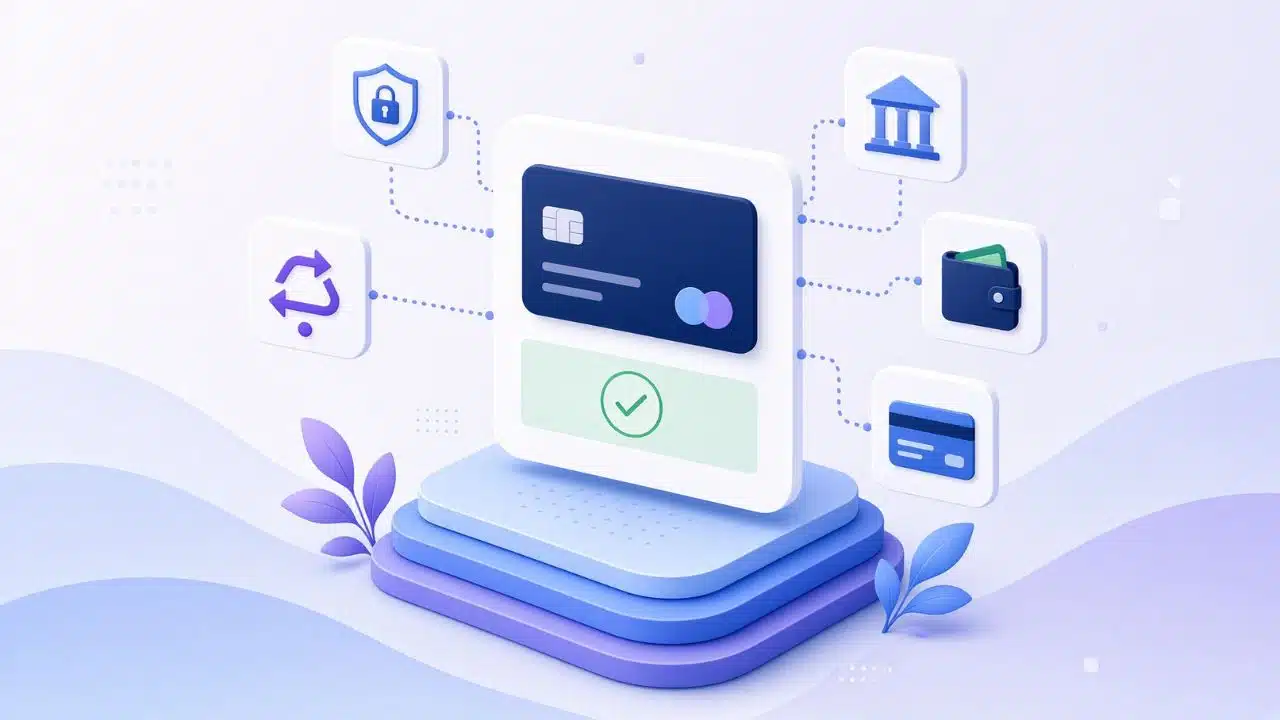
The use of cryptocurrency within these platforms is also drawing attention. Many online gamers are early adopters of technology, and the integration of Bitcoin and other cryptocurrencies allows them to transact securely without the need for credit cards or traditional payment methods. The combination of crypto and provably fair gaming appeals particularly to tech-savvy players who value both privacy and innovation.
5. The Benefits for Players
The implications of blockchain in gaming are transformative. Here are some of the main benefits for players:
- Full Transparency: Players can verify each game’s outcome independently, ensuring that there is no foul play.
- Privacy: Using cryptocurrencies, players can participate without sharing their personal banking details, thus enhancing privacy.
- Reduced Risk of Fraud: Since every transaction is recorded on the blockchain, fraudulent activity becomes significantly harder, if not impossible, to execute.
6. Looking Towards the Future of Online Gaming
Blockchain is not only changing how games are played but also how players view their involvement in games. With true ownership of in-game assets and a fair playing field guaranteed by technology, players can immerse themselves in experiences that are both engaging and trustworthy.
Moreover, the implications for broader applications are enormous. Blockchain technology is finding its way into various forms of digital entertainment, and the same principles of transparency and fairness can be applied across industries. For example, in competitive esports, blockchain can be used to ensure fair matchmaking and scoring, providing transparency in competitions that are increasingly coming under scrutiny.
As blockchain continues to evolve and mature, we can expect its applications in online gaming to grow, providing even more innovative features and enhancements to user experiences.