Gardening is a rewarding hobby that brings beauty and life to our outdoor spaces. However, not all plants are safe to grow, especially if you have children or pets. Some plants can be toxic, cause skin irritation, or even be deadly if ingested. This article will explore 20 harmful plants you should avoid growing in your garden, providing valuable information to keep your loved ones safe while enjoying your green space.
The Hidden Dangers in Your Backyard
Before we dive into our list of harmful plants, let’s talk about why some plants can be dangerous. Plants have evolved various defense mechanisms to protect themselves from being eaten or damaged. These defenses can include:
- Toxic compounds: Many plants produce chemicals that can be harmful if ingested or even touched.
- Physical defenses: Some plants have thorns, spines, or sharp edges that can cause injury.
- Allergenic properties: Certain plants release pollen or have sap that can trigger allergic reactions in some people.
It’s important to note that not all harmful plants are exotic or rare. Many common garden plants and even some vegetables can have toxic parts. The key is to be informed and cautious, especially if you have children or pets who might be tempted to nibble on plants.
Now, let’s get to know our garden troublemakers!
20 Harmful Plants to Avoid Growing in Your Garden
1. Oleander (Nerium oleander)
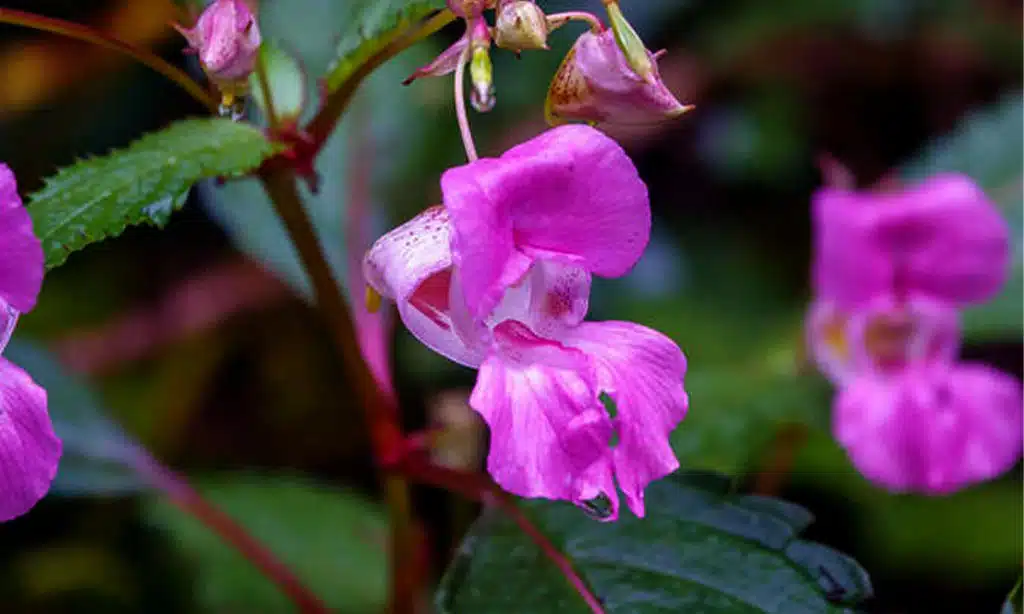
Danger level: Extremely high
Oleander might look like a sweet, innocent shrub with its clusters of pink or white flowers, but don’t be fooled! This plant is a wolf in sheep’s clothing.
Why it’s harmful: All parts of the oleander plant contain cardiac glycosides, which are toxic compounds that affect the heart. These chemicals are so potent that even honey made from oleander nectar can be dangerous!
Symptoms of poisoning: Nausea, vomiting, dizziness, irregular heartbeat, and in severe cases, cardiac arrest.
Fun fact: Oleander is so toxic that there are reports of people getting sick after eating meat from animals that had eaten oleander leaves!
2. Castor Bean Plant (Ricinus communis)
Danger level: Extremely high
The castor bean plant might look tropical and exotic, but it’s hiding a deadly secret – ricin, one of the most potent natural poisons known to science.
Why it’s harmful: The seeds of the castor bean plant contain ricin, a toxic protein that can cause severe damage to cells and organs.
Symptoms of poisoning: Nausea, vomiting, abdominal pain, and in severe cases, organ failure and death.
Did you know? Just one or two castor beans can be fatal to a child. It’s best to admire this plant from afar – very far!
3. Angel’s Trumpet (Brugmansia spp.)
Danger level: Very high
With its large, trumpet-shaped flowers, this plant certainly looks heavenly. But its effects are anything but angelic.
Why it’s harmful: All parts of angel’s trumpet contain dangerous levels of tropane alkaloids, including scopolamine and atropine.
Symptoms of poisoning: Hallucinations, confusion, dilated pupils, and in severe cases, paralysis and death.
Interesting tidbit: Some cultures have historically used angel’s trumpet in religious ceremonies for its hallucinogenic properties, but this practice is extremely dangerous.
4. Foxglove (Digitalis purpurea)
Danger level: High
Foxglove’s tall spikes of bell-shaped flowers are a common sight in cottage gardens. But this beauty has a beastly side.
Why it’s harmful: Foxglove contains cardiac glycosides, including digitoxin and digoxin, which affect heart function.
Symptoms of poisoning: Nausea, vomiting, irregular heartbeat, and potentially fatal heart problems.
Medical marvel: Despite its toxicity, compounds from foxglove are used in heart medications. It’s a prime example of how nature’s poisons can sometimes be harnessed for good!
5. Poison Hemlock (Conium maculatum)
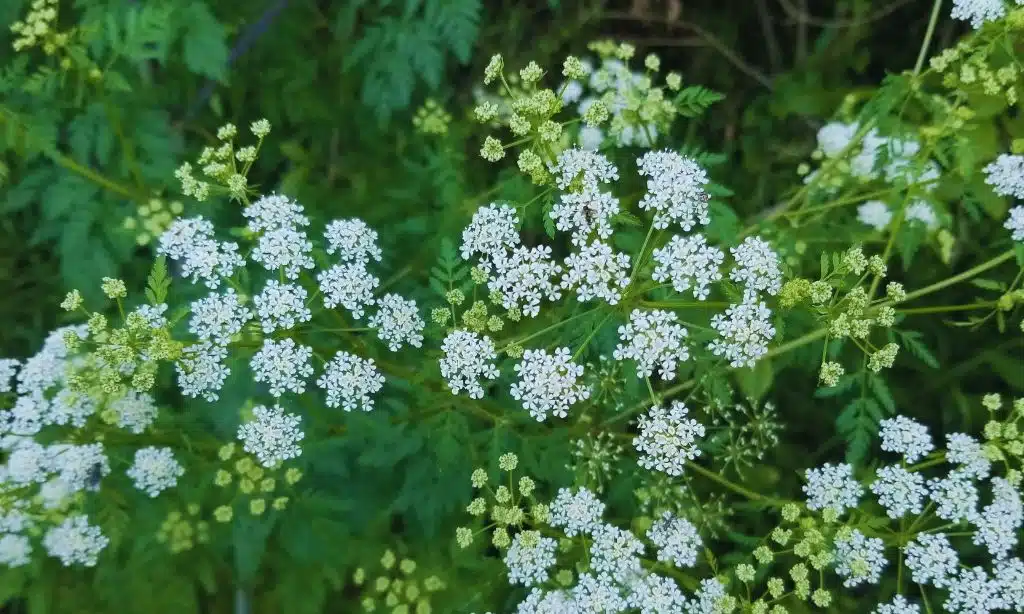
Danger level: Extremely high
This innocent-looking plant with its delicate white flowers is anything but harmless. In fact, it’s infamous in history!
Why it’s harmful: All parts of poison hemlock contain toxic alkaloids, primarily coniine.
Symptoms of poisoning: Paralysis starting in the lower body and moving upwards, eventually causing respiratory failure.
Historical note: Poison hemlock is believed to be the plant used to execute the philosopher Socrates in ancient Greece.
6. Water Hemlock (Cicuta maculata)
Danger level: Extremely high
Often called “the most violently toxic plant in North America,” water hemlock is not to be trifled with.
Why it’s harmful: Water hemlock contains cicutoxin, a potent neurotoxin that affects the central nervous system.
Symptoms of poisoning: Seizures, nausea, vomiting, and potentially death within hours of ingestion.
Nature’s deception: Water hemlock’s roots can be mistaken for edible plants like parsnips, making it particularly dangerous for foragers.
7. Larkspur (Delphinium spp.)
Danger level: High
Larkspur’s tall spikes of blue, purple, or white flowers are a garden favorite. But this plant has a darker side.
Why it’s harmful: All parts of larkspur plants contain toxic alkaloids, with the highest concentration in the seeds and young plants.
Symptoms of poisoning: Neuromuscular effects including weakness, staggering, and potentially fatal respiratory paralysis.
Cattle caution: Larkspur is particularly dangerous to cattle and has caused significant livestock losses in some areas.
8. Monkshood (Aconitum napellus)
Danger level: Very high
Also known as wolfsbane or devil’s helmet, monkshood is as dangerous as its nicknames suggest.
Why it’s harmful: Monkshood contains aconitine, a potent neurotoxin and cardiotoxin.
Symptoms of poisoning: Numbness, tingling, nausea, and potentially fatal heart arrhythmias.
Historical intrigue: Monkshood has been used as both a medicine and a poison throughout history, featuring in many tales of assassination!
9. Lily of the Valley (Convallaria majalis)
Danger level: High
Don’t let its dainty white bells and sweet fragrance fool you – this spring favorite packs a toxic punch.
Why it’s harmful: Lily of the valley contains cardiac glycosides similar to those found in foxglove.
Symptoms of poisoning: Nausea, vomiting, irregular heartbeat, and potentially fatal heart problems.
Royal connection: Despite its toxicity, lily of the valley is a popular wedding flower and was featured in Kate Middleton’s bridal bouquet!
10. Datura (Datura stramonium)
Danger level: Very high
Also known as jimsonweed or devil’s snare, datura is a nightshade with a nasty reputation.
Why it’s harmful: All parts of datura plants contain dangerous levels of tropane alkaloids, including atropine and scopolamine.
Symptoms of poisoning: Hallucinations, delirium, severe confusion, and potentially death.
Cultural significance: Some cultures have traditionally used datura in religious rituals, but this practice is extremely dangerous and not recommended.
11. Rhododendron and Azalea (Rhododendron spp.)
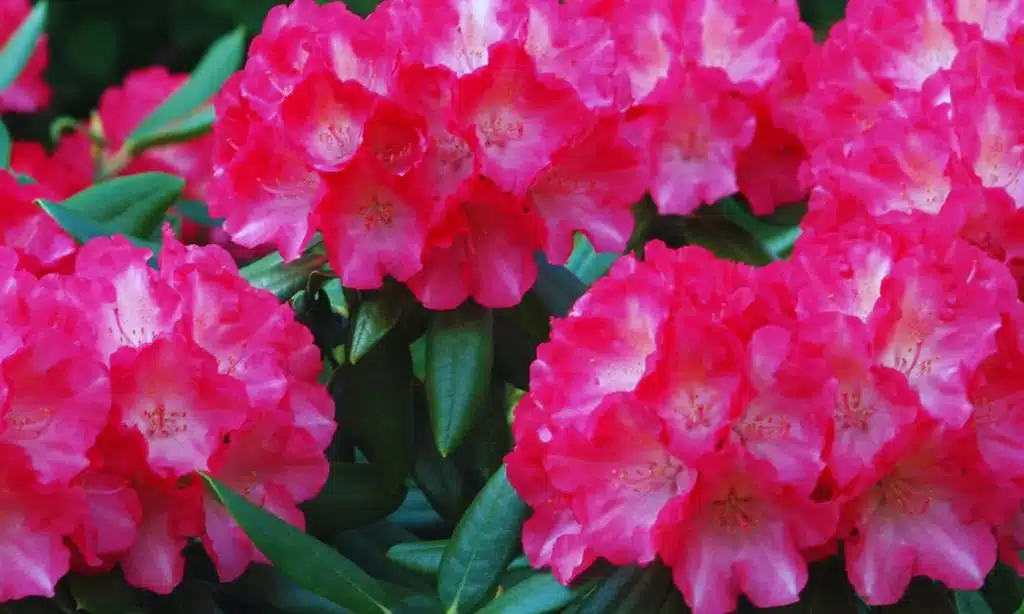
Danger level: Moderate to high
These popular ornamental shrubs are the Jekyll and Hyde of the garden world – beautiful to look at, but potentially deadly if ingested.
Why they’re harmful: Rhododendrons and azaleas contain grayanotoxins, which disrupt sodium channels in cell membranes.
Symptoms of poisoning: Nausea, vomiting, difficulty breathing, low blood pressure, and potentially fatal heart problems.
Sweet danger: Even honey made from rhododendron nectar can be toxic, a phenomenon known as “mad honey disease”!
12. Yew (Taxus spp.)
Danger level: Very high
Yew trees are often used in landscaping and topiary, but they’re hiding a deadly secret.
Why it’s harmful: All parts of yew plants, except the fleshy part of the berries, contain taxine alkaloids.
Symptoms of poisoning: Dizziness, dry mouth, dilated pupils, and potentially sudden cardiac arrest.
Ancient weapon: Yew wood was traditionally used to make longbows, and its toxicity made these weapons even deadlier.
13. Rhubarb (Rheum rhabarbarum)
Danger level: Low to moderate
Wait, isn’t rhubarb edible? Yes, but there’s a catch!
Why it’s harmful: While the stalks are safe to eat, rhubarb leaves contain high levels of oxalic acid.
Symptoms of poisoning: Burning in the mouth and throat, nausea, vomiting, and in large quantities, kidney problems.
Kitchen tip: Stick to using only the stalks in your pies and jams, and you’ll be fine!
14. Poison Ivy (Toxicodendron radicans)
Danger level: Moderate
“Leaves of three, let it be!” This old saying is a good reminder to steer clear of this irritating plant.
Why it’s harmful: Poison ivy contains urushiol, an oil that causes an allergic reaction in most people.
Symptoms of exposure: Redness, swelling, itching, and blistering of the skin.
Nature’s trick: Poison ivy can change its appearance throughout the seasons, making it tricky to identify year-round.
15. Giant Hogweed (Heracleum mantegazzianum)
Danger level: High
This invasive plant is not just a threat to native ecosystems – it’s a danger to human health too.
Why it’s harmful: The sap of giant hogweed contains phytophototoxins that cause severe burns when skin is exposed to sunlight after contact.
Symptoms of exposure: Painful blisters, long-lasting scars, and potential blindness if sap gets into the eyes.
Invasive alert: Giant hogweed is considered a noxious weed in many areas. If you spot it, report it to local authorities!
16. English Ivy (Hedera helix)
Danger level: Low to moderate
This popular ground cover and climbing vine has a bit of a dark side.
Why it’s harmful: The leaves and berries contain triterpenoid saponins, which can cause skin irritation and are toxic if ingested in large quantities.
Symptoms of poisoning: Skin irritation, nausea, vomiting, and diarrhea if ingested.
Pet precaution: English ivy is particularly toxic to dogs, cats, and horses, so keep an eye on your furry friends!
17. Lantana (Lantana camara)
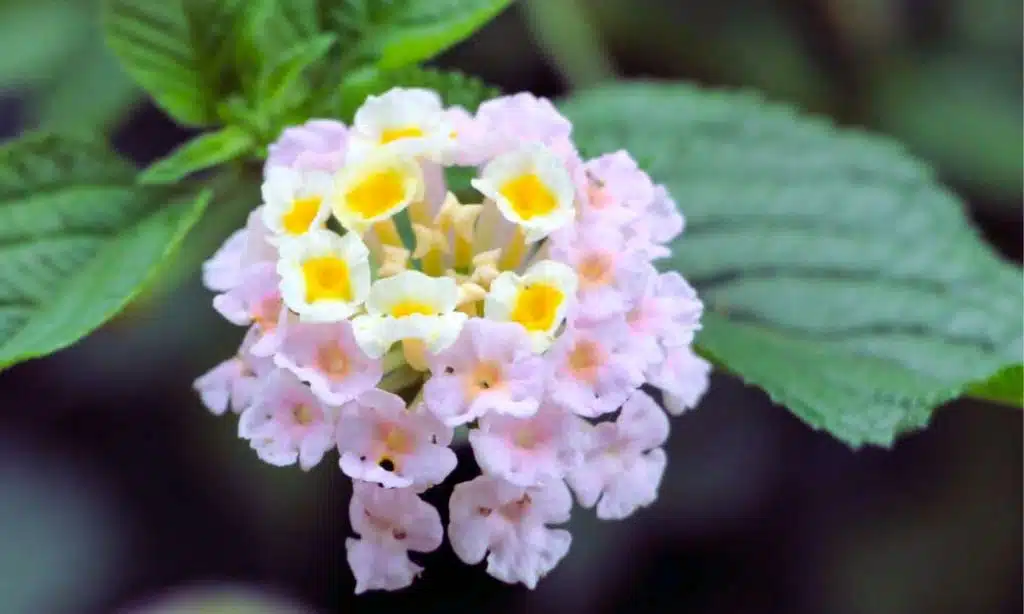
Danger level: Moderate to high
Lantana’s clusters of tiny, colorful flowers make it a popular garden plant, but it’s not as innocent as it looks.
Why it’s harmful: The berries of lantana plants are toxic, especially when unripe. They contain lantadene A and B.
Symptoms of poisoning: Nausea, vomiting, diarrhea, and in severe cases, liver failure and death, particularly in children and pets.
Butterfly magnet: Despite its toxicity to humans and animals, lantana is a favorite of butterflies!
18. Daffodil (Narcissus spp.)
Danger level: Moderate
These cheerful spring flowers have a not-so-cheerful secret.
Why it’s harmful: All parts of daffodils contain lycorine, an alkaloid that can cause severe gastrointestinal upset.
Symptoms of poisoning: Nausea, vomiting, abdominal pain, and diarrhea. Handling the bulbs can also cause skin irritation in some people.
Florist’s fingers: Florists sometimes develop a condition called “daffodil itch” from handling the stems and bulbs frequently.
19. Philodendron (Philodendron spp.)
Danger level: Low to moderate
These popular houseplants can add a tropical touch to your home, but they’re not so friendly if ingested.
Why it’s harmful: Philodendrons contain calcium oxalate crystals, which can cause severe irritation.
Symptoms of poisoning: Burning and swelling of the mouth and throat, difficulty swallowing, and in severe cases, breathing difficulties.
Pet problem: Cats are particularly susceptible to philodendron poisoning, so keep these plants out of kitty’s reach!
20. Wisteria (Wisteria spp.)
Danger level: Moderate
Wisteria’s cascading purple flowers are a sight to behold, but this beauty comes with a beast of a warning.
Why it’s harmful: While the flowers are generally considered non-toxic, the seeds and pods contain wisterin glycoside, which is poisonous if ingested in large quantities.
Symptoms of poisoning: Severe digestive upset, including nausea, vomiting, stomach pains, and diarrhea.
Structural concern: Beyond its toxicity, wisteria’s vigorous growth can damage buildings and structures if left unchecked.
Takeaway
While many beautiful plants can enhance our gardens, it’s crucial to be aware of the potential dangers some species pose. By avoiding the 20 harmful plants listed in this article and taking necessary precautions, you can create a safe and enjoyable outdoor space for your family and pets. Remember, a well-informed gardener is a safe gardener. Always research new plants before introducing them to your garden, and don’t hesitate to consult with local gardening experts or extension offices for advice on safe plant choices for your specific area.