The fashion industry has long been known for its environmental impact and ethical concerns. But a new wave of sustainable fashion brands is changing the game. These companies are proving that style and sustainability can go hand in hand. They’re using eco-friendly materials, ethical production methods, and innovative business models to reduce waste and improve working conditions.
In this article, we’ll explore 10 sustainable fashion brands that are making a real difference in the industry.
Sustainable Fashion Brands Changing the Industry
The fashion landscape is evolving, with a new wave of brands leading the charge towards sustainability. These companies are redefining what it means to be successful in the fashion industry, proving that profit and purpose can go hand in hand. From using innovative eco-friendly materials to implementing circular business models, these brands are setting new standards for the entire industry. They’re not just creating clothes; they’re crafting a vision for a more sustainable future.
Let’s explore ten of these trailblazing brands that are making waves in the world of sustainable fashion. Each of these companies brings something unique to the table, demonstrating the diverse approaches that can be taken in the pursuit of sustainable fashion.
1. Patagonia
Patagonia has been a leader in sustainable outdoor wear for decades. The brand uses recycled materials in many of their products, with a focus on organic cotton and recycled polyester. Patagonia’s commitment goes beyond just using sustainable materials. They actively encourage customers to buy less and make their clothes last longer through their “Worn Wear” program, which offers repair services to extend the life of their clothes. This approach challenges the fast fashion model that’s so common today. Additionally, Patagonia donates 1% of its sales to environmental causes, further demonstrating its commitment to sustainability.
2. Everlane
Everlane is known for its “radical transparency” in pricing and production. They show customers exactly how much it costs to make each item and where it’s made. This transparent approach helps consumers understand the true cost of their clothes, potentially leading to more mindful consumption habits. Everlane uses factories with ethical working conditions, focusing on timeless styles to reduce waste. They’ve also introduced a “ReNew” line made from recycled plastic bottles, showcasing their commitment to innovative, sustainable materials.
3. Reformation

Reformation makes stylish clothes with a focus on reducing environmental impact. They use eco-friendly fabrics, including deadstock fabrics and recycled materials, to create trendy pieces. The brand has adopted a carbon-neutral business model and offers a “RefScale” to show the environmental impact of each item, educating consumers about their purchases. Reformation also has a take-back program for old clothes, promoting circular fashion. Their success proves there’s a strong market for eco-friendly fashion that doesn’t compromise on style.
4. Allbirds
Allbirds is a shoe company that has gained popularity for its use of natural and recycled materials. Their simple designs and focus on comfort have made them a hit with tech workers and eco-conscious consumers alike. Allbirds uses innovative materials like merino wool, eucalyptus fiber, and recycled plastic bottles in their shoes. The company measures and offsets their carbon footprint, demonstrating a holistic approach to sustainability. Allbirds’ success shows that sustainable materials can compete with traditional ones in terms of performance and comfort, especially when paired with simple, versatile designs.
5. Eileen Fisher
Eileen Fisher has been a pioneer in sustainable fashion for years. They focus on timeless designs and high-quality materials that last, using organic and recycled fabrics in their collections. The brand has implemented a take-back program called “Renew,” which gives new life to old Eileen Fisher garments. Perhaps most impressively, Eileen Fisher aims for 100% sustainability in their supply chain, showcasing a comprehensive commitment to ethical and environmental practices. Their long-term dedication to sustainability proves that it’s possible to build a successful, lasting brand on eco-friendly principles.
6. Veja
Veja has gained popularity for its stylish sneakers made using fair trade and organic materials. The brand uses organic cotton, wild rubber, and recycled plastic in their shoes, working directly with producers in Brazil to ensure ethical sourcing. Veja’s transparent production methods and commitment to fair labor practices set them apart in the competitive sneaker market. Interestingly, Veja limits its advertising to invest more in fair production, showing that consumers are willing to seek out and pay more for sustainably-made products.
7. Stella McCartney
Stella McCartney is a luxury brand that’s been committed to sustainability from the start. They don’t use any leather or fur in their products, instead opting for innovative materials like recycled ocean plastic. The brand focuses on circular fashion principles, aiming to create products that can be reused or recycled at the end of their life. Stella McCartney also advocates for industry-wide change in sustainability practices, showing that sustainability can be part of high-end fashion and influencing the luxury sector.
8. Girlfriend Collective
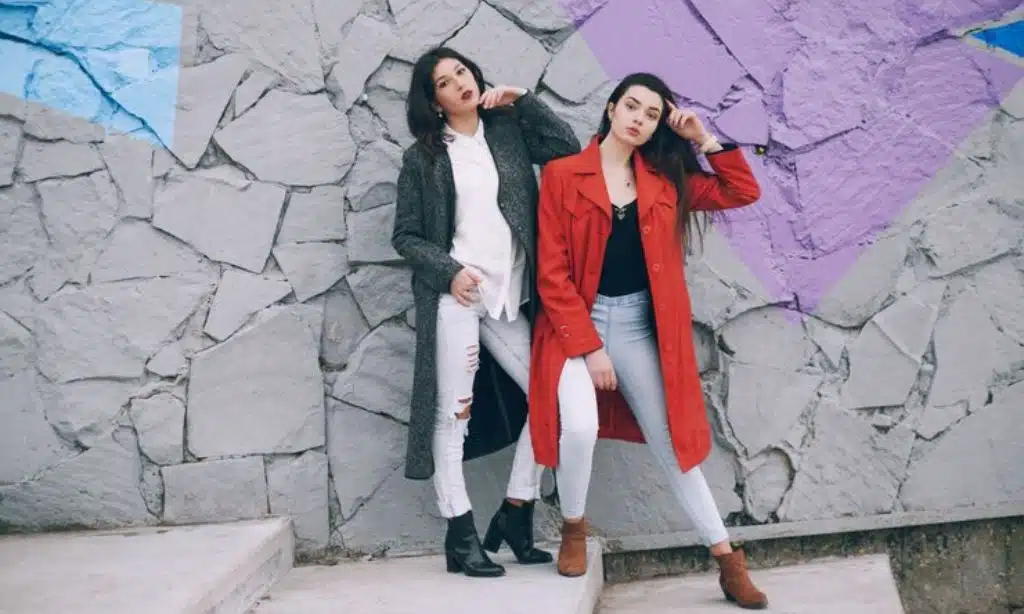
Girlfriend Collective makes activewear from recycled materials, known for their inclusive sizing and transparent production process. They use recycled water bottles to create their popular leggings, combining environmental sustainability with social responsibility. The brand offers a recycling program for old clothes, promoting a circular economy in fashion. Girlfriend Collective’s focus on body positivity and inclusivity, alongside their sustainable practices, appeals to consumers who care about both environmental and social issues.
9. Nudie Jeans
Nudie Jeans specializes in denim made from 100% organic cotton. They offer free repairs for life on their jeans to extend their lifespan, challenging the disposable nature of much of the fashion industry. Nudie Jeans provides detailed production information for each item, ensuring transparency in their supply chain. Their repair, reuse, and recycle programs demonstrate a strong commitment to circular fashion principles. By focusing on extending the life of their products, Nudie Jeans is redefining what it means to be a sustainable denim brand.
10. Thought Clothing
Thought Clothing uses natural, sustainable fabrics to create comfortable, everyday wear. They focus on slow fashion principles, using organic cotton, bamboo, and hemp in their designs. Thought Clothing designs clothes for longevity, pushing back against the fast fashion trend. The brand works with suppliers who meet strict ethical standards, ensuring sustainability throughout their supply chain. Thought Clothing demonstrates that sustainable fashion can be accessible and suitable for everyday wear, without compromising on comfort or style.
The Impact of Sustainable Fashion
The brands we’ve explored are making a significant impact on the fashion industry in multiple ways. By using recycled materials and offering repair services, they’re helping to reduce the amount of clothing that ends up in landfills, addressing the industry’s waste problem. Many of these brands prioritize fair labor practices, which is improving working conditions for workers throughout the fashion supply chain. Through their use of organic and recycled materials, these companies are lowering the fashion industry’s carbon footprint and water usage, contributing to overall environmental sustainability. Additionally, by being transparent about their processes, these brands are educating consumers about the true cost of clothing production, fostering more mindful consumption habits. Perhaps most importantly, the success of these sustainable brands is driving innovation across the industry, inspiring the development of new eco-friendly materials and production methods. This ripple effect has the potential to transform the fashion industry as a whole, moving it towards a more sustainable future.
Takeaway
The 10 brands we’ve explored are just a few examples of the many companies working to make fashion more sustainable. They’re proving that it’s possible to create stylish, high-quality clothing while respecting the environment and workers’ rights. As consumers, we have the power to support these efforts by choosing sustainable brands and taking care of our clothes to make them last longer. The fashion industry still has a long way to go, but these pioneering brands are lighting the way towards a more sustainable future.