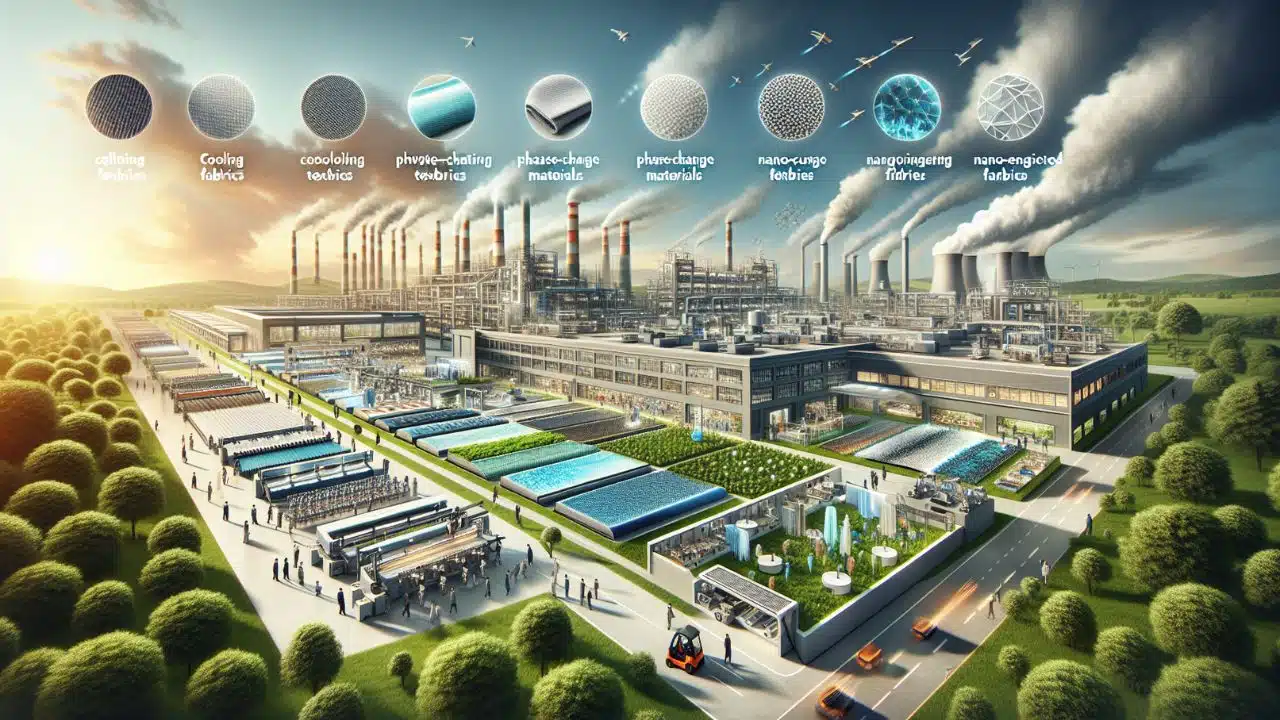
Climate-regulating textiles are transforming how we perceive fashion. These innovative materials offer new solutions to everyday problems, ensuring comfort and sustainability. Understanding their impact is crucial for anyone interested in the future of clothing.
In recent years, the fashion industry has undergone significant transformations, with sustainability becoming a core focus. One of the most exciting developments is the advent of climate-regulating textiles. These advanced materials promise not only to enhance comfort but also to reduce environmental impact.
The Science Behind Climate-Regulating Textiles
At the heart of these textiles lies a combination of innovative technologies designed to manage temperature and moisture effectively. For instance, cooling fabric utilizes special fibers that help regulate body heat by absorbing and dissipating it. This technology ensures that wearers remain comfortable regardless of external conditions, making it especially relevant in both hot and cold climates.
The integration of such technologies into everyday garments represents a significant leap forward in textile engineering. The potential applications are vast, from sportswear to casual clothing, ensuring that individuals can stay comfortable throughout their daily activities. With ongoing research and development, these fabrics are becoming more efficient and accessible, promising a future where climate control is a standard feature in our wardrobes.
The development of climate-regulating textiles has also been influenced by advancements in nanotechnology. By manipulating materials at the nanoscale, scientists can create fibers with enhanced properties, such as increased breathability and moisture-wicking capabilities. These nano-engineered textiles offer a level of performance that was previously unattainable, pushing the boundaries of what is possible in garment design.
Innovations Driving the Change
A key innovation in this field is the use of phase change material for cooling, which allows textiles to absorb, store and release heat as needed. This type of material can significantly enhance the functionality of garments by maintaining an optimal temperature close to the skin. By incorporating such materials into clothing, manufacturers can offer products that adapt to various environmental conditions seamlessly.
These materials are not just limited to high-end or specialized clothing; they are gradually being introduced into mainstream fashion. This democratization of advanced textile technology means that more consumers can benefit from improved comfort and sustainability features in their everyday wear. The growing awareness and demand for such innovative products are pushing brands to invest more in research and development.
Another notable innovation in climate-regulating textiles is the use of smart technology. Some advanced fabrics now incorporate sensors and other electronic components that can monitor the wearer’s body temperature and adjust the garment’s properties accordingly. This level of responsiveness takes the concept of adaptive clothing to new heights, ensuring optimal comfort in any situation.
The Environmental Impact
Beyond comfort, climate-regulating textiles also have a positive environmental impact. Traditional methods of managing body temperature often rely on energy-intensive processes like air conditioning or heating, which contribute significantly to carbon emissions. By using garments that help regulate temperature naturally, there is a reduced need for such energy-consuming practices.
What’s more, many of these advanced textiles are designed with sustainability in mind. They often use recycled or biodegradable materials, further reducing their environmental footprint. As the fashion industry grapples with its impact on the planet, adopting these technologies represents a step toward more eco-friendly practices.
The adoption of climate-regulating textiles also has the potential to reduce waste in the fashion industry. As these garments offer enhanced durability and longevity, consumers may be less inclined to frequently replace their clothing. This shift toward a more sustainable approach to fashion consumption could have far-reaching effects, reducing the strain on natural resources and minimizing the amount of clothing that ends up in landfills.
Summing Up: Future Prospects
The future of climate-regulating textiles looks promising as research continues to advance. New materials and technologies are being developed that could offer even greater benefits in terms of comfort and sustainability. As awareness grows among consumers about the advantages of these textiles, demand is likely to increase, driving further innovation in the sector.
For those invested in the future of fashion, keeping abreast of these developments is essential. The shift toward more functional and sustainable clothing aligns with broader trends in consumer preferences and environmental consciousness. By embracing climate-regulating textiles, both manufacturers and consumers can contribute to a more sustainable future while enjoying enhanced comfort and performance in their clothing choices.