The Challenges of Moon Landings: Insights Beyond Apollo’s Era

The Challenges of Moon Landings

A private spacecraft called Odysseus is attempting to make history on Thursday by becoming the first moonlander launched from the United States to attempt a lunar landing in over 50 years. The modestly priced robot built by Houston-based startup Intuitive Machines is currently hurtling through space on track to touch down on the lunar surface near the south pole at 5:30 pm EST.

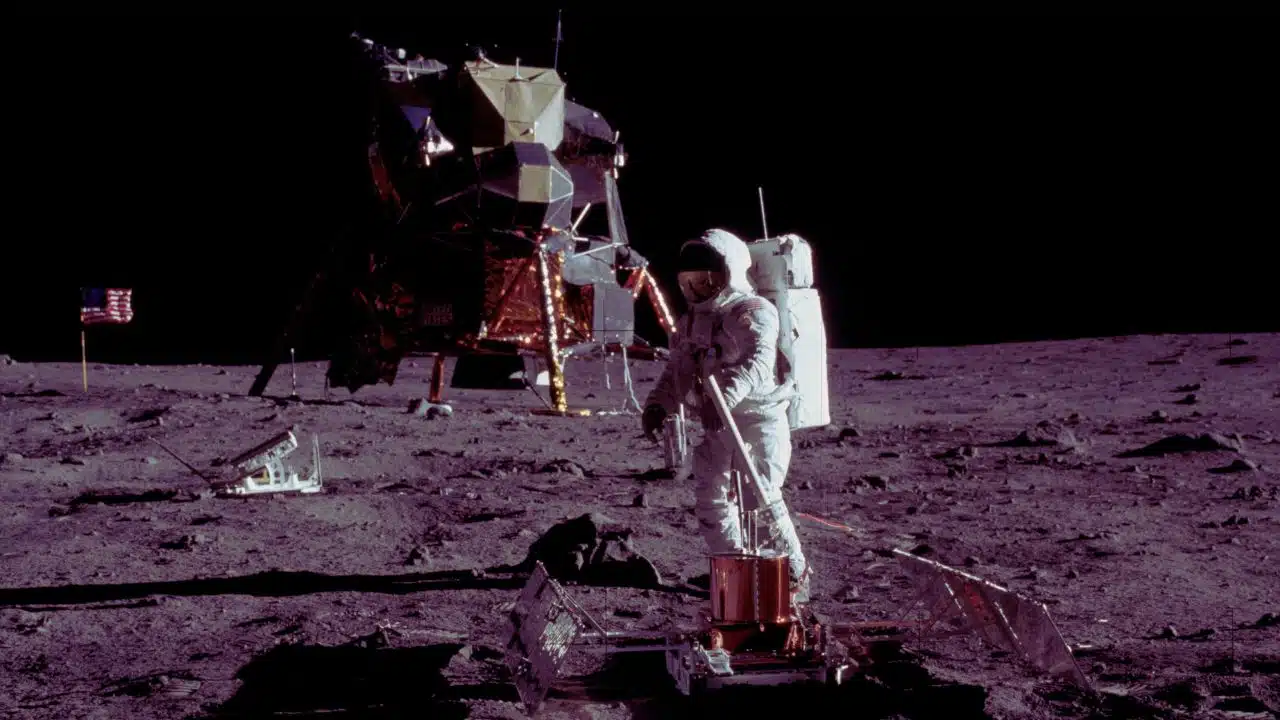
If successful, the pioneering landing could help jumpstart NASA’s Artemis program to return American astronauts to the moon this decade and regain lunar landing knowledge and expertise that have been lost since the last Apollo missions in the early 1970s.

“We’re learning to do things that we haven’t done in a long time, and what you’re seeing is organizations learning how to fly again,” said Scott Pace, director of George Washington University’s Space Policy Institute. “Going to the moon is not a matter of just a brave or brilliant astronaut. It’s a matter of entire organizations that are organized, trained, and equipped to go out there.”

Odysseus and other modern lunar landers are attempting to accomplish the monumental feat of safely landing on the moon at a fraction of the cost of mid-20th-century missions. Adjusted for inflation, the Apollo program cost over $100 billion. India landed its Chandrayaan-3 spacecraft on the moon in August for around $72 million. Through NASA’s Commercial Lunar Payload Services (CLPS) program, private companies like Intuitive Machines are providing robotic lander services at competitive prices.

However, the technical challenges of precisely navigating across vast distances and delicately touching down on rugged lunar terrain remain daunting. Without human pilots on board, modern landers rely on sophisticated cameras, sensors and guidance software to find safe landing zones during the perilous final descent. Yet success is not assured, as evidenced by multiple failed moon landing attempts over the past year by Russia, Japan and the U.S. company Astrobotic.

While failures may continue to occur as relative newcomers learn how to master complex moon landings, NASA and its partners are willing to embrace risks and iterate based on lessons learned. The hope is that early setbacks will ultimately lead to reliable pathways for returning humans to the lunar surface under the Artemis program later this decade.



Subscribe to Our Newsletter

Related Articles

Top Trending

Visual guide of high-performing linkable asset types for an effective link building strategy to earn authoritative backlinks.
9 Linkable Asset Ideas That Attract Editors
How to Become a Digital Marketing Consultant- Career Guide
Is Becoming an Independent Digital Marketing Consultant Worth It?
Fastest-Growing SaaS Categories
12 Fastest-Growing SaaS Categories Right Now Reshaping Business Software
On This Day August 24
On This Day August 24: History, Famous Birthdays, Deaths & Global Events
saas data residency
SaaS Data Residency: GDPR, EU Hosting and Compliance [Explained]

Technology & AI

Fastest-Growing SaaS Categories
12 Fastest-Growing SaaS Categories Right Now Reshaping Business Software
saas data residency
SaaS Data Residency: GDPR, EU Hosting and Compliance [Explained]
ImagineLab.art vs adobe for design team
ImagineLab.art vs Adobe for Professional Design Teams: Which One Fits the Real Workflow?
Best SaaS Integration Platforms to Connect Apps
10 Best SaaS Integration Platforms to Connect Your Apps
VR and AR in Classrooms
How VR and AR Are Actually Being Used in Classrooms Today

GAMING

Online Color Game Philippines
Online Color Game Philippines: What Every Beginner Should Know Before Playing
Ways to Reduce Game Development Costs
12 Ways Studios Cut Game Development Costs
NFT game development cost
How Much Does NFT Game Development Cost? A Realistic Budget Breakdown
Reasons Why You No Longer Need the Best Roblox AI Scripter
Forget Best Roblox AI Scripter: 10 Reasons Why You No Longer Need It
Blockchain Platforms for Game Development
The 9 Best Blockchain Platforms for Game Development

Business & Marketing

cut company saas spend
How to Cut Company SaaS Spend: 10 Proven Tactics
Best Communities for SaaS Founders
12 Best Communities for SaaS Founders to Find Mentors and Peers
Bootstrapping vs VC for SaaS founders reviewing growth and burn trends, showing how funding choices can affect control, spending, and sustainable company growth
Bootstrapping vs VC for SaaS: How To Evaluate Capital Strategy
Sentiment analysis for business dashboard showing customer feedback trends, emotion signals, and performance charts in a modern workspace, helping readers quickly understand how companies turn raw feedback into practical business insights
Top 8 High-Impact Ways to Leverage Sentiment Analysis for Business Growth
newsletter ideas when uninspired
9 Easy Newsletter Ideas for Weeks You Feel Completely Uninspired

EdTech & E-Learning

VR and AR in Classrooms
How VR and AR Are Actually Being Used in Classrooms Today
Intelligent Tutoring Systems vs. Chatbot Tutors
Intelligent Tutoring Systems vs. Chatbot Tutors: What’s the Real Difference?
How to Teach AI Literacy in Schools
How to Teach AI Literacy in Schools: A Practical Guide for Educators
playground games that teach math
10 Fun Playground Games That Teach Math to Early Learners
Digital Divide in EdTech
How the Digital Divide Shapes Who Benefits From EdTech

Software & Apps

ImagineLab.art vs adobe for design team
ImagineLab.art vs Adobe for Professional Design Teams: Which One Fits the Real Workflow?
Best SaaS Integration Platforms to Connect Apps
10 Best SaaS Integration Platforms to Connect Your Apps
Choosing a Cloud Provider for SaaS Product
How to Choose a Cloud Provider for Your First SaaS Product
best apps for managing multiple projects
10 Best Apps for Managing Multiple Projects at Once
Can a Single Tool Run Your Whole Life
The One-App Setup: Can a Single Tool Really Run Your Whole Life