The Challenges of Moon Landings: Insights Beyond Apollo’s Era

The Challenges of Moon Landings

A private spacecraft called Odysseus is attempting to make history on Thursday by becoming the first moonlander launched from the United States to attempt a lunar landing in over 50 years. The modestly priced robot built by Houston-based startup Intuitive Machines is currently hurtling through space on track to touch down on the lunar surface near the south pole at 5:30 pm EST.

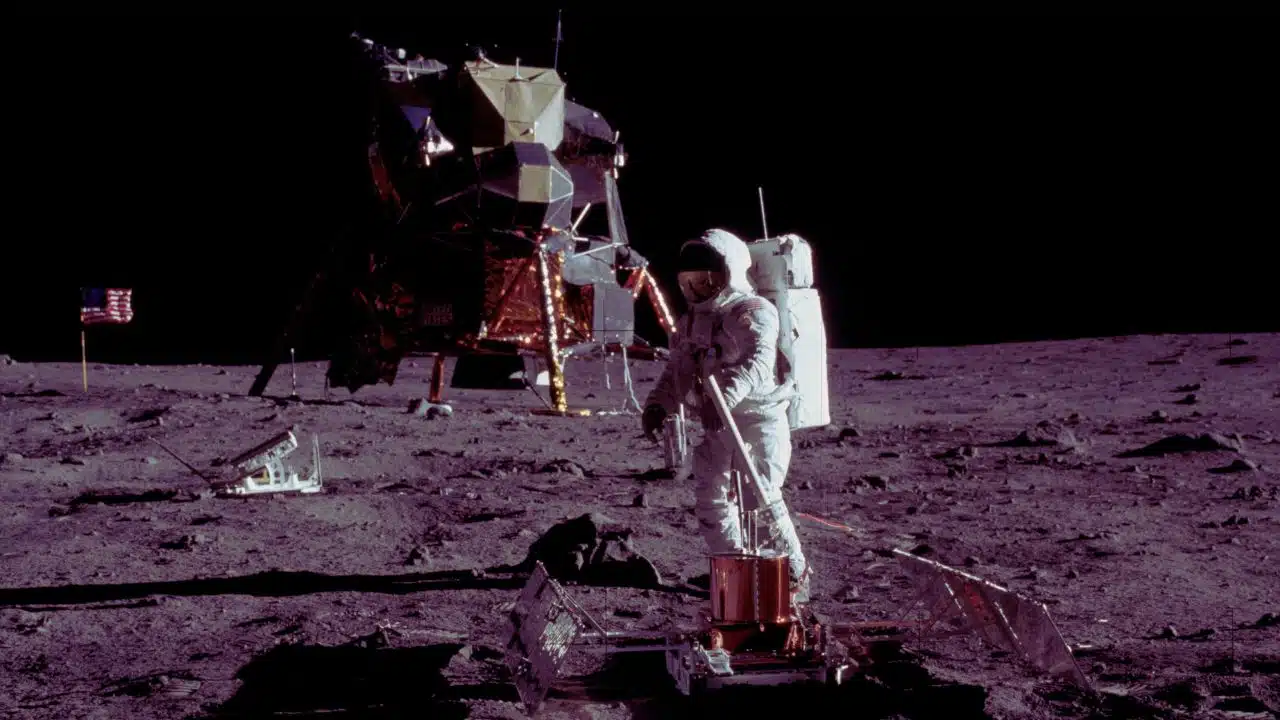
If successful, the pioneering landing could help jumpstart NASA’s Artemis program to return American astronauts to the moon this decade and regain lunar landing knowledge and expertise that have been lost since the last Apollo missions in the early 1970s.

“We’re learning to do things that we haven’t done in a long time, and what you’re seeing is organizations learning how to fly again,” said Scott Pace, director of George Washington University’s Space Policy Institute. “Going to the moon is not a matter of just a brave or brilliant astronaut. It’s a matter of entire organizations that are organized, trained, and equipped to go out there.”

Odysseus and other modern lunar landers are attempting to accomplish the monumental feat of safely landing on the moon at a fraction of the cost of mid-20th-century missions. Adjusted for inflation, the Apollo program cost over $100 billion. India landed its Chandrayaan-3 spacecraft on the moon in August for around $72 million. Through NASA’s Commercial Lunar Payload Services (CLPS) program, private companies like Intuitive Machines are providing robotic lander services at competitive prices.

However, the technical challenges of precisely navigating across vast distances and delicately touching down on rugged lunar terrain remain daunting. Without human pilots on board, modern landers rely on sophisticated cameras, sensors and guidance software to find safe landing zones during the perilous final descent. Yet success is not assured, as evidenced by multiple failed moon landing attempts over the past year by Russia, Japan and the U.S. company Astrobotic.

While failures may continue to occur as relative newcomers learn how to master complex moon landings, NASA and its partners are willing to embrace risks and iterate based on lessons learned. The hope is that early setbacks will ultimately lead to reliable pathways for returning humans to the lunar surface under the Artemis program later this decade.



Subscribe to Our Newsletter

Related Articles

Top Trending

How to Teach Letters to Kids
8 Ways to Teach Letters to Kids Who Hate Sitting Still
Alphabet Magic vs 123 Magic Number Fun
Alphabet Magic vs 123 Magic Number Fun: Which Skill Does Each App Actually Target?
How to Promote a Blog Post After Publish
10 Best Ways to Promote a Blog Post After Hitting Publish
How to Help a Child Who Refuses to Count Aloud
Articleify 7th anniversary
Happy 7th Anniversary of ArticleIFY: The Journey from a Small Room to Global Horizons

Technology & AI

SEO Agency vs In-House SEO vs Freelancer
SEO Agency vs In-House SEO vs Freelancer: A Decision Framework for Small Teams
ImagineLab Voice Lab vs Murf AI
ImagineLab Voice Lab vs Murf AI: I Tried Multilingual Narration from the Same Script
Best Document Collaboration Tools
10 Best Online Document Collaboration Tools for Teams
Important Signs When Should Raise Prices on Your SaaS
10 Signs It's Time to Raise Prices on Your SaaS
Nostalgia economy
The Nostalgia Economy Is Selling Us a Past We Never Lived

GAMING

Intentional Screen Time
How to Spend Your Screen Time More Intentionally
Complete Guide on Game Programgeeks
Game Programgeeks: A Complete Guide on PC, Game Dev, and Tech
Online Color Game Philippines
Online Color Game Philippines: What Every Beginner Should Know Before Playing
Ways to Reduce Game Development Costs
12 Ways Studios Cut Game Development Costs
NFT game development cost
How Much Does NFT Game Development Cost? A Realistic Budget Breakdown

Business & Marketing

Email Marketing Agency vs DIY Platform
Email Marketing Agency vs DIY Platform: When Outside Help Adds Value
Critical Path Method
The Critical Path Method Explained in Plain English
Time to Value: How SaaS Teams Can Reach Results Faster
How to Onboard New Team Members With a Self-Serve Wiki
How to Document Team Processes for Better Teamwork

EdTech & E-Learning

How to Teach Letters to Kids
8 Ways to Teach Letters to Kids Who Hate Sitting Still
Alphabet Magic vs 123 Magic Number Fun
Alphabet Magic vs 123 Magic Number Fun: Which Skill Does Each App Actually Target?
Alphabet Magic vs ABC Kids: Which Offers Clearer Letter Practice
Alphabet Magic vs ABC Kids: Which Gives Clearer Uppercase and Lowercase Practice?
Alphabet Magic vs LetterSchool comparison review
Alphabet Magic vs LetterSchool: Letter-Tracing Accuracy on the Same Letters [A Hands-on Review]
Alphabet Magic Trace and Phonics vs Teach Your Monster to Read
Alphabet Magic Trace and Phonics vs Teach Your Monster to Read: Which Is Best?

Software & Apps

Best Document Collaboration Tools
10 Best Online Document Collaboration Tools for Teams
Important Signs When Should Raise Prices on Your SaaS
10 Signs It's Time to Raise Prices on Your SaaS
Best CRM Tools for Small Marketing Teams
10 CRM Tools for Small Marketing Teams Worth Using
SaaS partnership tools
10 Best Tools for Managing SaaS Partnerships and Integrations
White-Label SaaS Platform to Resell
8 Best White-Label SaaS Platforms to Resell