
Are you struggling to understand what 127.0.0.1:62893 means on your computer? You’re not alone. Many people find this mix of numbers puzzling, but it’s actually a vital part of how computers talk to themselves and the internet.
This address allows your device to send messages back and forth without using the actual web, which can be handy for testing new programs or fixing problems.
Here’s a quick fact: 127.0.0.1 is known as the loopback IP address, and when paired with a port number like 62893, it helps developers check their work right on their own machines without affecting others.
Our guide will walk you through troubleshooting common issues with this address, improving your coding skills, and making your software development smoother. You’ll learn about network security too — all in simple steps.
Ready? Let’s get started.
What is 127.0.0.1:62893
127.0.0.1:62893 is a special address your computer uses to talk to itself. It’s like writing a note to yourself because this address never reaches the internet. The number 127.0.0.1 is known as localhost, and it’s used in web development and software testing.
Port 62893 is like a door on your computer that specific programs can use to exchange information safely without using the real internet connections. This port doesn’t stick to just one task; instead, developers or applications pick it temporarily for their own needs, from debugging software bugs to running local servers for testing apps before they go live on the actual web.
Understanding the Purpose of 127.0.0.1:62893
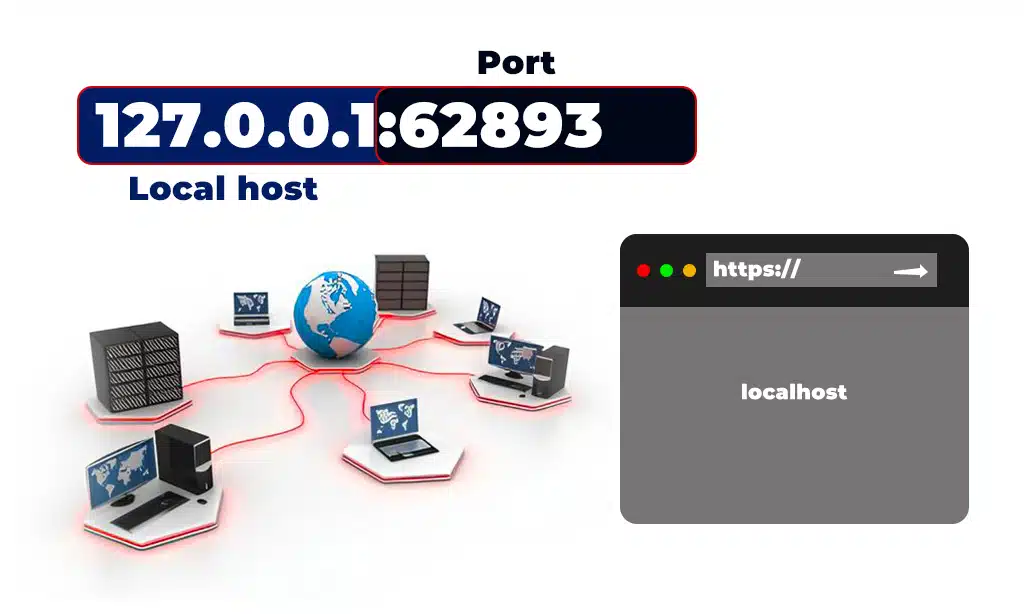
The address 127.0.0.1:62893 is a special spot for testing on your own computer, no need to reach the internet or other devices. It’s great for checking how apps work, making sure everything connects right, and getting into web tools without leaving your machine.
Local network testing
Local network testing is like making sure all the parts of a toy car work before you race it. With 127.0.0.1:62893, people check that their computer’s talking paths are clear. This step keeps a computer safe because it only talks to itself, not the outside world.
When folks ping this address, they’re seeing if the talk paths inside the computer are set up right.
This kind of test helps find problems early. Users can fix them without risking security or messing up bigger networks. It’s like checking your bike’s brakes in your driveway instead of finding out they don’t work when you’re going down a big hill.
This method uses tools and concepts such as internal communication and loopback addresses to make sure everything in a network is ready for action without stepping into the public internet space where bad things can happen.
Software development and debugging
Software development is all about making computer programs. Debugging is how developers find and fix errors. This makes the program work better and keeps users happy. Developers use tools like debuggers to check their code for mistakes.
They also use programming environments to write this code.
Running tests on a local network helps speed up the process. It lets developers see problems fast without using the internet. This saves time and money. Tools like static analysis help too, by checking code before it runs to catch errors early on.
Accessing services from a browser
Accessing services from a web browser lets you connect to your own device using “localhost.” This uses the loopback IP address. It’s for testing software without real network traffic.
Typing “localhost” or 127.0.0.1:62893 in the browser does this job. For example, engineers use it for checking Memcached services.
This way, your browser talks to software on the same machine. Port 62893 helps in this talk between them. It makes sure they can send messages back and forth smoothly for tasks like bug fixes and updates without bothering other devices or needing the internet.
This helps keep tests safe and quick.
Common Uses of 127.0.0.1:62893
Using 127.0.0.1:62893 helps with safe online safety services, teaching about networks in a clear way, and trying out new program features without problems. For more on how this works, keep reading!
Risk-free security services
Network administrators use service loopback addresses like 127.0.0.1:62893 to keep access inside and safe from unwanted traffic and malware. This way, only people within the network can reach these services.
It’s a strong move against threats such as DDoS attacks and hackers trying to break in. By setting up these addresses, they make sure that sensitive information stays away from risky internet spots.
Encrypting data moving through local servers is key too. It keeps software on these servers safe from weak spots that could let in bad software or spying eyes. Keeping data scrambled means even if someone gets it, they can’t read it without the secret code to unscramble it back.
So, using 127.0.0.1:62893 for security services gives peace of mind by blocking dangers outside while letting good work happen safely inside.
Isolated environment for network education
Creating a separate space for learning about networks is smart. It lets students dive deep into internet workings without messing with real systems. This safe zone uses loopback addresses, like 127.0.0.1:62893, for practice.
Here, learners can mess up and try again many times without risk.
Teachers use this setup to explain complex ideas such as firewalls, default gateways, and how data moves across the web. Students get hands-on experience with tools like virtual machines and cloud systems.
They see how security patches keep hackers away and why private policies matter in apps they use every day. This method makes hard topics easier to grasp for future tech experts.
Bug-free testing and development
Bug-free testing means making sure software works well. This uses 127.0.0.1:62893 for safe checks before live use. It stops bad things from spreading on real networks. Tools like network configuration help fix errors early.
This setup gives a safe space to learn and get better at computer programming without risk. You can test web services and applications alone, finding problems fast. This helps make things work smoothly and keeps information safe.
Troubleshooting Common Issues with 127.0.0.1:62893

Fixing troubles with 127.0.0.1:62893 can be tricky, but it’s key for smooth web browsing and software use. You might face slow speeds or errors trying to connect, but solutions exist to get things running right again.
Resolving connectivity problems
Check if your device can talk to itself using 127.0.0.1:62893. This checks if the TCP/IP setup is right. Look at things like your default gateway and subnet mask to make sure they are correct.
If this works, but you still can’t reach other services, the issue might be with how those services are set up or with network rules blocking access.
If slow or no connection persists, think about using a proxy server or adjusting antivirus settings. Sometimes these block connections thinking they’re unsafe. Changing these settings often fixes the problem without needing more complex solutions.
Addressing slow response times
Slow response times can make using 127.0.0.1:62893 frustrating. This issue often happens because the computer or network is too busy. One way to fix this is by checking the programs running on your device.
Close any that you don’t need right now.
Another smart move is to look at your internet setup, especially for developers testing software locally. Making sure your local server settings are correct can speed things up a lot.
Simple changes, like adjusting how much memory your applications use, can also help reduce lag and improve speed during development and testing processes on your loopback IP address.
Fixing configuration errors
Fixing configuration errors starts with checking the loopback address settings. Make sure it’s set to 127.0.0.1 for local system tests. This helps in finding and solving problems without affecting other parts of the network.
For software that connects to this IP, double-check their setup too.
Regular audits can spot mistakes early on. They show if unusual activity or threats are there due to wrong settings. Changing these settings back to safe values keeps your network secure and running smoothly.
Use tools like antivirus protections and firewalls for more safety.
Advanced Tips for Using 127.0.0.1:62893
For those diving deeper into tech, mastering 127.0.0.1:62893 opens new doors. Think faster work and safer tests – this is where tweaking settings and exploring advanced tools come into play.
You’ll learn how to make things quicker and guard your projects better. From playing with server software adjustments to dialing in on cybersecurity, the tricks are endless. Tools like MongoDB for database management or PostgreSQL for handling data can change the game.
Plus, understanding TCP/IP protocols helps keep connections smooth and secure.
With these tips, you’re not just working; you’re crafting a more efficient and safe environment for all your tech needs.
Optimizing for faster development
To make development faster, use 127.0.0.1:62893 for local tests and debugging before going live. This method speeds up workflows and cuts costs. You can build and check apps without needing the internet.
It keeps your live system safe.
For better speed, turn on settings that lower energy use in your development environment. Tools like APIs help connect different parts of a project quickly. Using databases like MongoDB makes managing data easier, which also speeds up work.
Enhancing security settings
Making your network safe is key. Encrypting data traffic helps keep software on local servers secure. This stops hackers from getting in. Network admins give out special addresses for services.
These addresses make sure only people inside can access them, keeping malware out.
These steps keep unwanted traffic away from your systems. They protect against common internet threats. Setting strong privacy policies also plays a big part. It keeps user data safe and blocks attacks before they happen.
Custom configurations for specific needs
Every computer or piece of software has unique needs. This is where custom configurations come into play. They allow your system to talk to itself using 127.0.0.1:62893 for specific tasks, like Memcached services.
With these settings, you can tweak how programs run on your local server.
This setup helps keep things safe and quick in testing or dev work. You can change settings based on what you need—like more security for risk-free services or faster connections for debugging web apps.
Setting up your system this way means it works just right for what you’re doing, whether that’s learning about networks or building new software.
Potential Benefits of Using 127.0.0.1:62893
Using 127.0.0.1:62893 brings big wins in making things safe and runs smooth for tech tasks. With it, you can check how programs talk to each other without risk, speed up making new software, and get smart about networks—all on your own computer.
Keep reading to explore how this simple trick can change the game for you.
Stable and secure troubleshooting
Troubleshooting with 127.0.0.1:62893 makes it safe to test and fix problems. This way, users can work without risking security breaches or letting in malicious software. Network administrators use service loopback addresses for this reason.
They make sure only people inside can access certain data or services. This keeps out bad traffic and malware.
Encrypting data keeps things even safer when fixing issues on local servers. Encryption is like a secret code that only allowed users can understand. It protects against hackers finding weak spots in the software being tested or developed on your computer network.
Improved efficiency in development processes
Local testing and debugging let developers run programs without needing the internet. This speeds up how fast they work and saves money. They always look for bugs to make systems better.
Happy users are the goal.
Using 127.0.0.1:62893 makes building software faster, too. It does this by creating a quick way to test new ideas in a safe space on your computer. This means developers can try things out quickly without risking breaking anything important online or slowing down other people’s work.
Enhanced understanding of networking fundamentals
Using 127.0.0.1:62893 helps us learn more about how networks work. This IP address is special because it lets us test and explore without risking real systems online. It’s like having a safe playground for tech people to understand better how data moves across a network, from one computer program to another.
Pinging this loopback address checks if the TCP/IP protocol stack is set up right. This means making sure computers can reach their main gateways and know where to send information correctly, following rules that make internet use smooth and secure.
Through these tests, users get hands-on experience with complex concepts in an easy-to-grasp way, boosting their skills in telecommunications and computing without stepping into live digital environments where things could go wrong.
Takeaways
We learned about 127.0.0.1:62893, why it matters, and how to fix issues with it. This address lets computers talk to themselves for testing and fixing problems. It’s easy to use for safer web surfing from inside a network—no worries about bad software getting in.
Using this IP and port number helps find bugs faster when making computer programs or websites. If things go slow or won’t connect, you now know ways to solve these troubles. Tips also showed us how to make these tasks run smoother and keep everything secure.
For anyone making apps or learning about networks, this guide lightens the load. Keep exploring more on IP addresses and computer safety as there is always more to learn!
Finally – let’s not forget: mastering 127.0.0.1:62893 can really up one’s game in tech skills! So give it a try; you might find it easier than you think.