

Proving liability in personal injury cases is essential for victims seeking compensation for their injuries. In Australia, the legal landscape surrounding personal injury claims can be intricate, influenced by various factors that affect liability determination.
This article explores the 8 ways to prove liability in Australian personal injury cases, providing a comprehensive guide that empowers you to navigate this complex process effectively.
Understanding the nuances of liability and how to substantiate your claim is crucial for anyone involved in a personal injury case.
Mastering these methods can significantly enhance your chances of success, ensuring that you secure the compensation you deserve for your suffering and losses.
1. Understanding Liability
Liability refers to the legal responsibility of an individual or organization to compensate another for harm caused. In the context of personal injury, proving liability means demonstrating that another party’s actions [or inactions] directly led to your injury. This responsibility can arise from negligence, intentional acts, or strict liability, depending on the specific circumstances of the case.
Types of Liability in Personal Injury Cases
In Australian personal injury law, liability can generally be categorized into three main types:
| Type of Liability | Description |
| Negligence | Failure to act with reasonable care leading to injury. |
| Intentional Torts | Actions taken with the intent to cause harm. |
| Strict Liability | Liability imposed without fault, typically in hazardous activities. |
Understanding these categories is crucial when exploring the ways to prove liability in Australian personal injury cases. Each type carries its own legal implications and may require different approaches to establish liability.
2. Collecting Evidence
Collecting robust evidence is paramount in substantiating your claim. The strength of your case often hinges on the quality and quantity of the evidence you can present.
Physical Evidence
Physical evidence includes any tangible items related to the incident. This can be photographs of the accident scene, damaged property, or even your injuries.
| Evidence Type | Key Considerations |
| Photographs | Capture the scene, vehicle damage, and visible injuries. |
| Objects | Retain any items involved in the incident, like broken equipment. |
| Location | Document the exact location where the incident occurred. |
Ensure you document everything thoroughly, as this evidence can significantly bolster your case.
Witness Statements
Witness statements provide critical third-party perspectives on the incident. Collect contact information and statements from anyone who observed the event, as their testimony can corroborate your account and establish liability.
| Witness Type | Importance |
| Eyewitnesses | Can provide direct observations of the incident. |
| Expert Witnesses | Professionals who can offer insights into technical aspects. |
Medical Records
Medical documentation is essential in proving the extent of your injuries and linking them to the incident. Keep all medical records, bills, and treatment plans, as they substantiate your claims of damages.
| Document Type | Importance |
| Medical Reports | Detail the nature and severity of your injuries. |
| Treatment Plans | Outline the necessary medical interventions you require. |
| Bills and Receipts | Provide proof of expenses incurred due to the injury. |
Tips for Effective Evidence Collection
- Document Everything: Use your smartphone to take pictures and notes at the scene.
- Keep a Journal: Maintain a daily journal of your injuries and recovery process, which can provide insight into your pain and suffering.
- Stay Organized: Create a file to organize all evidence, including photos, witness information, and medical records.
3. Establishing Negligence
Negligence is a legal concept that refers to the failure to exercise the care that a reasonably prudent person would under similar circumstances. To prove negligence, you must establish four key elements.
The Four Elements of Negligence
- Duty of Care: The defendant must owe a duty of care to the plaintiff.
- Breach of Duty: The defendant must have breached that duty through action or inaction.
- Causation: It must be shown that the breach directly caused the injury.
- Damages: The plaintiff must have suffered actual damages [physical, emotional, or financial].
Duty of Care
Understanding duty of care is fundamental in the ways to prove liability in Australian personal injury cases. For instance, drivers owe a duty of care to other road users to drive safely, while medical professionals owe a duty to their patients to provide appropriate care.
Breach of Duty
A breach occurs when the defendant’s conduct falls short of the standard of care expected. This could involve a driver speeding or a doctor providing inadequate treatment.
| Example of Breach | Description |
| Speeding | Driving above the speed limit in a residential area. |
| Misdiagnosis | Failing to accurately diagnose a medical condition. |
Causation
Causation links the breach to the injury. It is crucial to demonstrate that the injury would not have occurred if the defendant had acted reasonably. For instance, if a driver ran a red light and caused an accident, the causation is clear.
Damages
Lastly, actual damages must be evident. This includes medical bills, lost wages, and compensation for pain and suffering.
| Type of Damages | Examples |
| Medical Expenses | Hospital bills, rehabilitation costs. |
| Lost Wages | Income lost due to inability to work. |
| Pain and Suffering | Compensation for emotional distress and reduced quality of life. |
4. Utilizing Expert Testimony
Expert testimony can provide an authoritative perspective that strengthens your case. Experts clarify complex issues related to your injuries, the cause of the accident, or the standard of care in specific situations.
Types of Experts You May Need
Medical professionals can explain the nature of your injuries and the expected recovery process, emphasizing how the incident has impacted your life. For example, a neurologist may explain the long-term effects of a traumatic brain injury, substantiating the claim for higher compensation.
| Expert Type | Contribution |
| Medical Experts | Detail the impact of injuries on daily life. |
| Rehabilitation Experts | Outline necessary future treatments and their costs. |
Accident Reconstruction Specialists
These experts analyze the circumstances of the accident, using scientific methods to recreate events and determine how they occurred. Their findings can be pivotal in establishing liability, as they can provide visual and data-driven evidence to support your case.
| Expert Type | Contribution |
| Accident Reconstruction | Analyze physical evidence and eyewitness accounts. |
| Forensic Engineers | Use technical knowledge to assess accident dynamics. |
5. Documenting the Incident
Documenting the incident thoroughly can provide crucial evidence later. Incident reports, whether filed with police or an employer, serve as an official record of the event.
How to Create a Comprehensive Incident Report
- Time and Date: Note when the incident occurred.
- Location: Specify the exact location, including landmarks.
- Details of the Incident: Write a clear account of what happened, including actions taken by involved parties.
- Witness Information: Include names and contact details of witnesses.
- Photographic Evidence: Attach photographs if possible, ensuring they are clearly labeled.
| Report Element | Key Considerations |
| Time and Date | Be as precise as possible. |
| Location | Include details like street names or landmarks. |
| Incident Description | Provide a chronological account of events. |
| Witness Details | Gather as much contact information as possible. |
6. Understanding Comparative Negligence
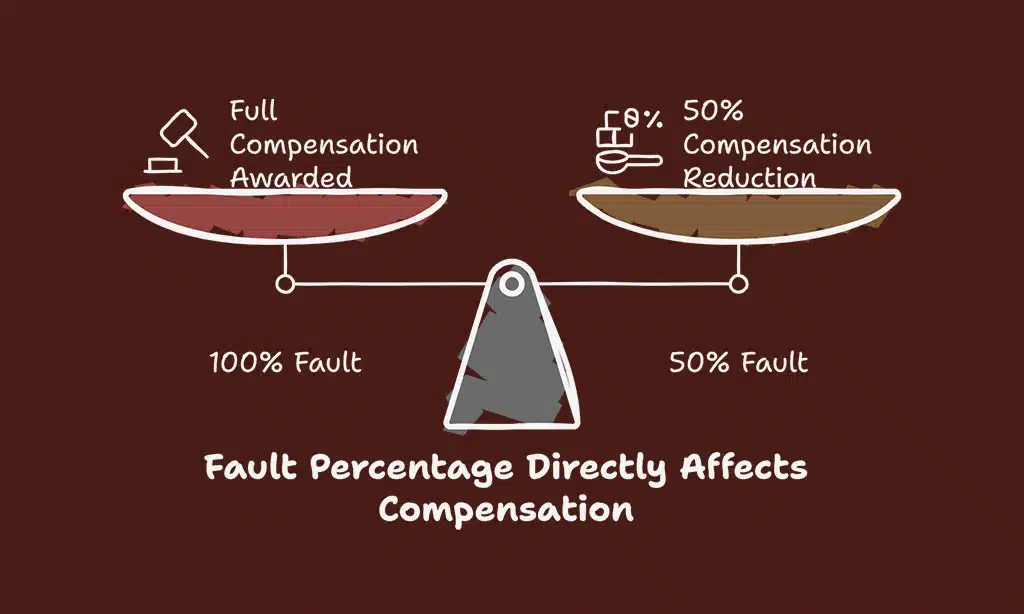
In Australia, comparative negligence allows for the apportioning of blame between parties. If a plaintiff is found partially at fault for their injuries, their compensation may be reduced accordingly.
How it Affects Liability in Australia
For example, if a plaintiff is found to be 20% responsible for an accident, their compensation may be reduced by that percentage. Understanding comparative negligence is essential when exploring the ways to prove liability in Australian personal injury cases.
| Scenario | Impact on Compensation |
| 100% at fault | Full compensation awarded. |
| 80% at fault | 20% reduction in total compensation. |
| 50% at fault | 50% reduction, highlighting the importance of proving lesser fault. |
7. Engaging a Personal Injury Lawyer
Navigating the legal system can be daunting. A personal injury lawyer can provide invaluable guidance, ensuring your rights are protected and that you have the best chance of a successful outcome.
How to Choose the Right Lawyer
When selecting a lawyer, consider the following:
| Criteria | Key Considerations |
| Experience | Look for a lawyer with specific experience in personal injury cases. |
| Reputation | Check reviews and testimonials from past clients. |
| Communication | Choose someone who communicates clearly and is responsive to your needs. |
It’s important to consult with multiple lawyers to find one who aligns with your case’s needs and your personal preferences.
- Consultation with a Lawyer: Discuss your case and gather advice.
- Filing a Claim: Submit your claim to the relevant insurance company or court.
- Negotiation: Engage in settlement negotiations.
- Trial: If necessary, present your case in court.
Key Considerations for Your Case
| Consideration | Importance |
| Statute of Limitations | Be aware of the time limits for filing your claim. |
| Insurance Policies | Understand the specifics of any relevant insurance policies. |
Takeaways
Proving liability in personal injury cases can be complex, but understanding the 8 ways to prove liability in Australian personal injury cases can significantly enhance your chances of a favorable outcome. From collecting evidence to navigating the legal process, each step is crucial in establishing your claim.
As you embark on this journey, remember that seeking legal advice can provide the support and expertise you need to successfully prove liability. Empower yourself with knowledge and take control of your personal injury case.
If you or someone you know has been injured and needs assistance, contact a personal injury lawyer today to discuss your case. Empower yourself with the knowledge and support needed to seek justice and compensation for your injuries. Explore additional resources on personal injury law to further educate yourself about your rights and options.






















