Do video games really have a good side? Many people think gaming is bad for the brain or leads to isolation. But that’s not always true. For some, it can actually help improve mental health.
It provides stress relief, boosts mood, and even sharpens the mind.
Studies from places like Oxford University prove this point. Gamers often report feeling happier and more connected after playing. During tough times like the COVID-19 lockdown, many turned to games as a way to cope.
This blog will explore 10 ways gaming can boost your mental well-being. From reducing stress to improving focus—it’s all here! Ready to learn how? Keep reading!
How Gaming Can Benefit Mental Health
Gaming can do more than entertain—it can positively impact your mind. From stress relief to boosting mental agility, it offers surprising benefits worth exploring.
Stress and Anxiety Relief
Playing video games can help ease stress and anxiety. Many studies prove that games distract you from pain and psychological trauma. Immersing yourself in a virtual world gives your brain a break from life’s pressures.
It creates a mental escape, calming the mind.
Fast-paced or puzzle-solving games stimulate focus and positivity. These experiences trigger dopamine release—your body’s feel-good chemical—boosting mood and reducing tension.
Multiplayer games add social engagement, helping you relax through teamwork or friendly competition. These moments of joy improve mental well-being naturally.
Improved Problem-Solving Skills
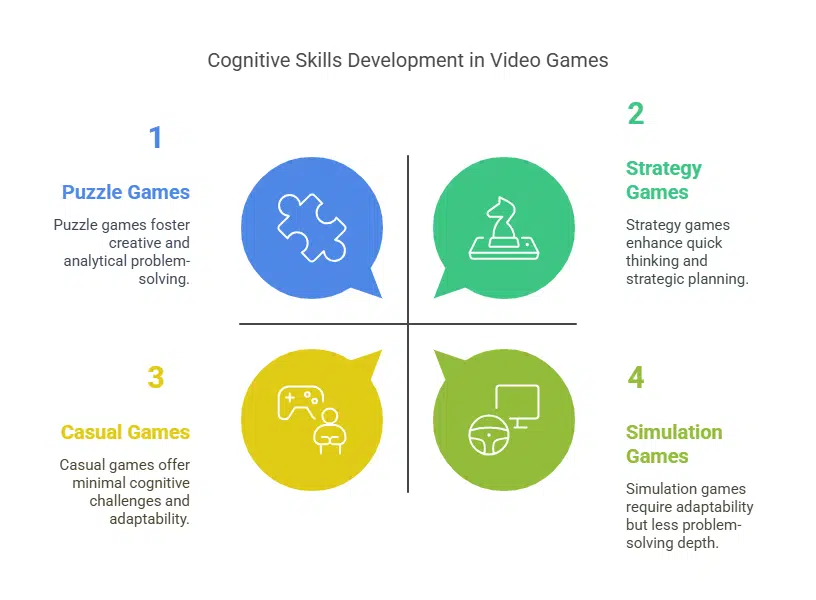
Video games push players to solve puzzles and face cognitive challenges. Complex game mechanics sharpen critical thinking and analytical reasoning. Players must adapt quickly, making decisions under pressure while strategizing their moves.
Games with puzzle-solving tasks encourage creative problem-solving skills. They teach adaptability and flexibility by presenting unique challenges at every level. For example, popular strategy games often require quick adjustments to changing scenarios, improving decision-making speed and accuracy.
Enhanced Creativity
Engaging with game narratives boosts creative thinking. Games such as role-playing or strategy titles require innovative approaches and unconventional solutions. Players often face unique challenges that enhance imagination and mental agility.
Gaming fosters a natural ability to solve creative problems. Tasks in these games require abstract thinking, originality, and flexibility of thought. This helps improve cognitive flexibility while fostering artistic expression in digital designs or storytelling elements within the games themselves.
Reduction in Depression Symptoms
Gaming therapy shows real promise in depression treatment. SPARX, a CBT-based game, helps reduce symptoms in adolescents effectively. Studies show significant improvements for individuals aged 12 to 25 using gaming interventions, with an effect size of g = 0.54 from RCTs.
This highlights how games can serve as mental health interventions for youth depression.
With about 8.1% of kids aged 5 to 19 in the UK facing depression, effective solutions are crucial. Games like SPARX focus on improving adolescent mental health by teaching coping skills through interactive scenarios.
These tools provide an engaging way to support emotional well-being while addressing clinical needs directly and impactfully.
Social Benefits of Gaming
Gaming brings people together, creating friendships and strong bonds—click to see how it improves your social life!
Building Social Connections
Online multiplayer games create strong social connections. They let players team up, communicate, and bond in virtual communities. Around 2.7 billion gamers worldwide build friendships through cooperative play and shared wins.
These interactions ease feelings of loneliness by keeping people engaged socially.
Team-based games promote trust and teamwork among strangers or friends. Players work together to solve tasks or compete against others globally. This sense of belonging helps improve mental health while enhancing relationship-building skills over time.
Promoting Teamwork and Collaboration
Multiplayer gaming encourages teamwork through cooperative play. Games like “Among Us” or “Fortnite” involve team-based challenges that require players to collaborate for success. This builds social interaction in gaming and promotes group problem-solving skills.
84% of U.S. gamers see multiplayer cooperation as a way to improve collaboration abilities. Cooperative gaming experiences nurture trust, strategy building, and communication among teammates.
These collaborative environments create strong bonds and enhance teamwork skills in fun ways!
Providing a Sense of Belonging
Online gaming fosters a strong sense of community among players. Shared goals in cooperative play or multiplayer interaction help build virtual friendships and supportive networks.
Many gamers feel connected when achieving in-game milestones together, boosting unity and purpose.
Success in games often creates bonds through teamwork. These social connections promote belonging within the gaming community. Interacting with others who share similar interests strengthens ties and creates lasting relationships.
Cognitive Advantages of Gaming
Gaming sharpens your brain by keeping it active and engaged. It helps train your mind to process information faster and handle challenges effectively.
Improved Focus and Attention
Video game playing boosts attentional focus and cognitive performance. Studies show it improves visuospatial skills, helping players process visual details faster and track multiple objects.
Tasks in games push the brain to stay alert and make quick decisions.
Research also links gaming to higher gray matter in the brain. This type of tissue is vital for attention span, memory improvement, and neurological development. A study of nearly 2,000 children discovered those gaming three hours daily performed better on cognitive testing than others.
Enhanced Memory and Learning Skills
Playing games can boost memory and learning skills. Shooter games, for instance, improve spatial resolution. Studies reveal that players develop these skills almost as effectively as formal education.
Cognitive advantages of gaming also extend to better focus and information retention. Engaging with challenging game scenarios trains the brain to process and recall data faster, sharpening thinking abilities over time.
Emotional Benefits of Gaming
Gaming can offer a safe space to process emotions and build resilience. It helps people feel more in control during challenging times.
Boosting Confidence and Self-Esteem
Winning a tough level or completing a game mission can create a strong sense of achievement. This success helps gamers build self-confidence and improve their self-belief. Players often feel empowered as they solve challenges, master skills, and earn rewards in games.
These small victories mimic real-life accomplishments and boost emotional well-being.
Social interaction in multiplayer games like Minecraft and Animal Crossing strengthens self-esteem. Teamwork or friendly chatting with other players fosters personal empowerment.
Connecting with others in these virtual worlds enhances your confidence while also providing a sense of belonging within the gaming community.
Providing a Healthy Emotional Outlet
Video games create a safe space to release emotions. They distract players from stress, pain, and trauma. Immersive gaming helps quiet negative thoughts and offers psychological healing.
Games like “Animal Crossing” or puzzle-based titles can lower anxiety levels by focusing the mind on relaxation.
Failing in games builds emotional resilience. Players learn coping skills through repeated attempts to succeed after failure. This encourages perseverance in real life too. Engaging with these challenges improves emotional well-being while boosting mental health improvement over time.
Using Gaming as Therapy
Gaming can serve as a powerful tool for emotional healing. Certain games are crafted to help manage stress and support mental health growth.
Games Designed for Mental Health Support
Video game therapy has gained recognition as an alternative mental health treatment. Some games are specially created to help with anxiety reduction and depression alleviation. For example, apps like “SuperBetter” focus on building emotional resilience through engaging tasks.
These games can offer useful support for people struggling with stress or mood disorders.
Such gaming programs make mental wellness more accessible. They act as therapeutic tools for approximately 264 million people worldwide suffering from depression. Unlike traditional methods, these interactive experiences provide a fun yet meaningful way to address serious issues while offering much-needed relief in a digital format.
Role of Gaming in Emotional Regulation
Gaming helps manage emotions better by providing a safe space to tackle challenges. Some games, like MindLight and Rayman, reduce anxiety symptoms through engaging tasks and calming environments.
Players can practice emotional management while overcoming obstacles or dealing with virtual stressors.
Many video games improve coping skills and self-regulation. They encourage focus during difficult moments, teaching players how to stay calm under pressure. Stress reduction becomes easier as gaming acts like cognitive therapy, boosting psychological well-being in the process.
Tips for Healthy Gaming Practices
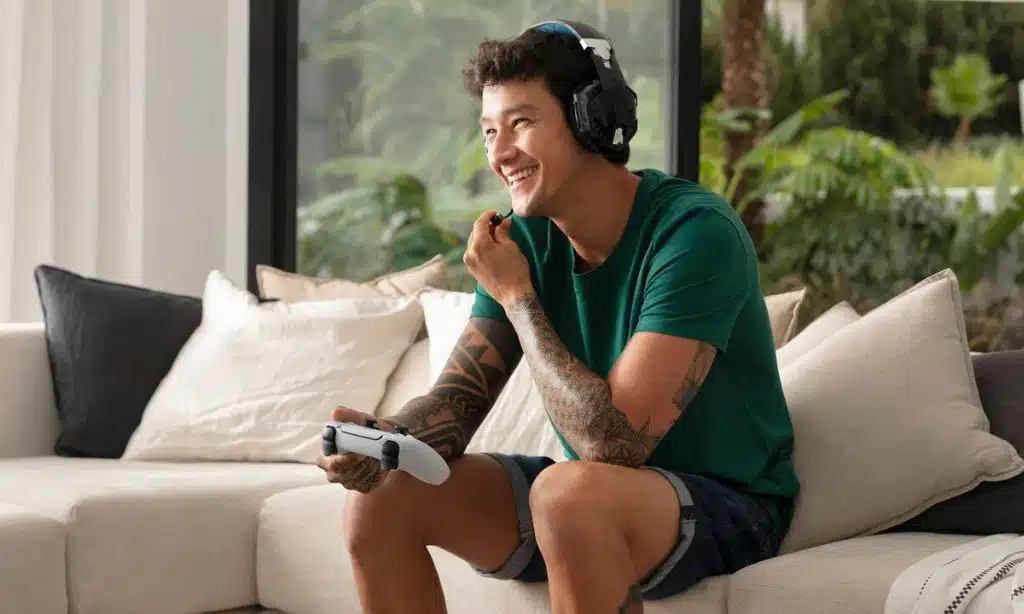
Balancing gaming with other activities can keep it fun and positive. Setting smart limits helps you enjoy games without feeling overwhelmed.
Maintaining a Balanced Lifestyle
Take breaks during gaming sessions. Stretch or move around every hour to keep your body active. Aim for 30 minutes of physical activity daily, like walking or simple exercises. This helps with fitness and mental well-being.
Stay hydrated by drinking at least 6-8 glasses of water daily. Choose healthy snacks over junk food to boost cognitive health. Get 7-9 hours of sleep each night for better focus and decision-making in games.
Healthy habits ensure both mind and body stay sharp for gaming challenges!
Setting Limits to Avoid Overuse
Excessive gaming can negatively impact mental health. Reducing screen time allows for a better balance between gaming, self-care, and physical activity. Experts suggest limiting playtime to 1-2 hours daily, ensuring time for rest, social interaction, and other interests.
Pausing during extended sessions helps alleviate fatigue and safeguard well-being.
Taking a break from gaming prevents addiction and enhances focus on other priorities like maintaining good sleep routines or exercising. Engage with an encouraging online community that promotes healthy habits.
A weekly break from digital activities also contributes to achieving a balanced life.
Takeaways
Gaming can positively impact mental health. It reduces stress, boosts creativity, and improves social connections. These benefits help people lead happier lives.
Dr. Nora Westcott, a cognitive psychologist with 20 years of experience in mental health research, supports this claim. She holds a Ph.D. in clinical psychology from Harvard University and has published numerous studies on gaming’s role in emotional well-being.
According to Dr. Westcott, video games stimulate the brain and encourage problem-solving skills. They help players engage deeply while offering relaxation and structure—key elements for mental balance.
She emphasizes that games designed for good must be ethical and safe. Developers should avoid addictive mechanics while ensuring transparency about game features and risks.
For daily use, Dr. Westcott suggests moderation—a few hours each week works best for most people’s schedules without disrupting their routines or sleep patterns.
Pros include improved focus, teamwork skills, reduced anxiety symptoms, and fun ways to relax after hard days at work or school! Some cons? Overuse can cause isolation if unchecked by breaks or offline activities like exercise or hobbies.
Dr. Westcott concludes that gaming is an excellent tool when balanced with real-world tasks—it provides both joy and growth opportunities! Proper limits unlock its true potential safely every time gamers play smartly within healthy boundaries!