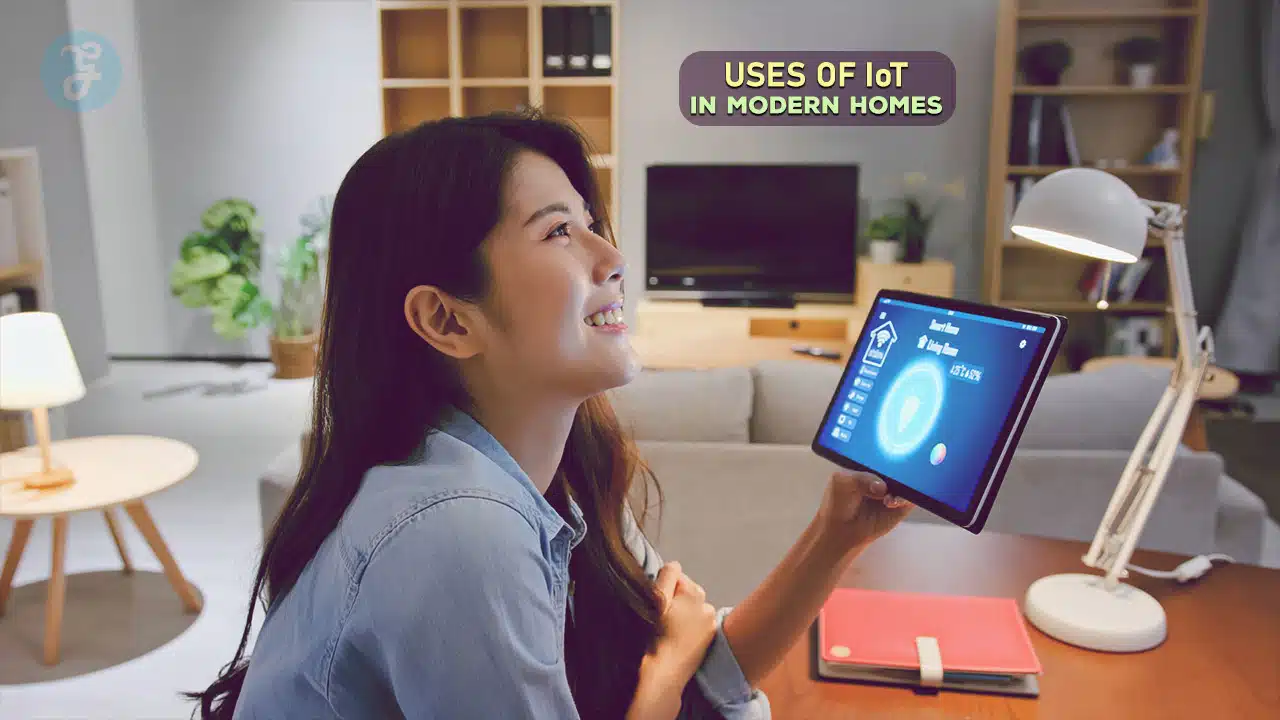
The Internet of Things (IoT) has revolutionized the way we interact with our living spaces. In today’s world, our homes are becoming smarter, more efficient, and more responsive to our needs. IoT technology connects everyday devices to the internet, allowing them to communicate with each other and with us. This interconnectedness is transforming ordinary houses into modern, intelligent homes that enhance our comfort, security, and overall quality of life.
From smart thermostats that learn our temperature preferences to refrigerators that can order groceries, IoT is reshaping our domestic experiences. In this article, we’ll explore 20 practical and innovative uses of IoT in modern homes, demonstrating how this technology is not just a luxury but increasingly a necessity for efficient, comfortable, and sustainable living.
1. Smart Thermostats
Smart thermostats are one of the most popular and practical IoT devices in modern homes. These intelligent climate control systems go beyond simple temperature settings.
- Learning capabilities: They learn your schedule and temperature preferences over time.
- Remote control: You can adjust your home’s temperature from anywhere using a smartphone app.
- Energy efficiency: Smart thermostats optimize heating and cooling to reduce energy consumption.
- Integration with other systems: They can work with smart windows or lighting systems for comprehensive climate management.
According to a study by Nest, smart thermostats can save an average of 10–12% on heating bills and 15% on cooling bills.
2. Intelligent Lighting Systems
IoT-enabled lighting systems offer more than just remote control of your lights.
- Automated schedules: Lights can turn on and off based on your daily routine.
- Occupancy sensing: rooms light up when you enter and turn off when you leave.
- Daylight harvesting: Smart lights adjust their brightness based on the amount of natural light available.
- Color temperature adjustment: Lights can change color temperature to match the time of day, promoting better sleep patterns.
Research shows that smart lighting can reduce energy consumption for lighting by up to 90% in some cases.
3. Smart Security Systems
IoT has transformed home security, making it more comprehensive and user-friendly.
- Connected cameras: Monitor your home in real-time from anywhere.
- Smart doorbells: See and speak to visitors remotely.
- Intelligent locks: Control access to your home using your smartphone or biometrics.
- Automated alerts: Receive notifications on your phone for any unusual activity.
- Integration with other smart home devices: For example, lights can turn on automatically if the security system detects motion.
A report by MarketsandMarkets predicts the global smart home security market will reach $78.9 billion by 2025, growing at a CAGR of 19.6% from 2020 to 2025.
4. Connected Appliances
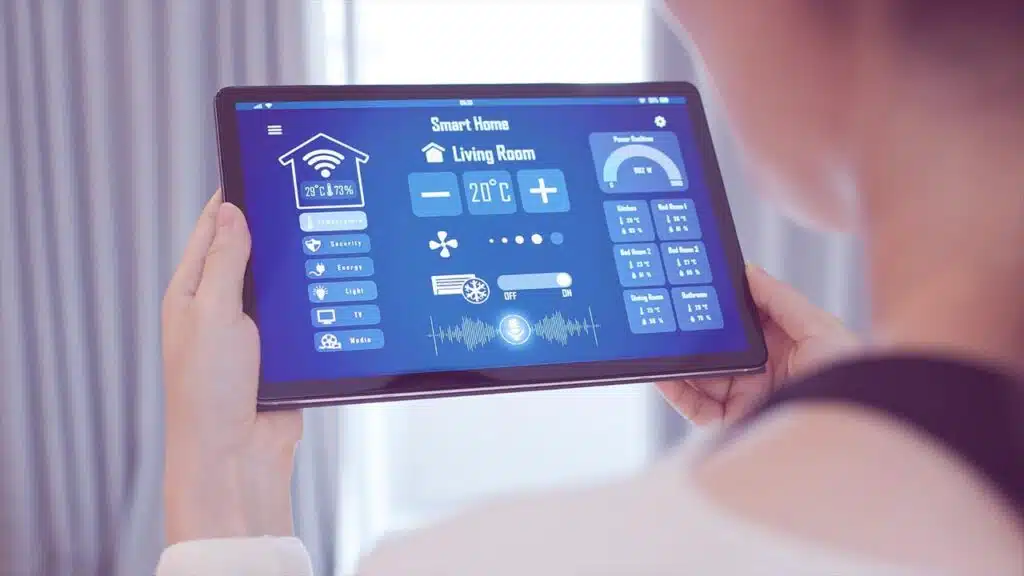
IoT is making our everyday appliances smarter and more efficient.
- Smart refrigerators: Smart refrigerators can track inventory, suggest recipes based on available ingredients, and even order groceries.
- Intelligent washing machines: washing machines can be started remotely, notify you when a cycle is complete, and optimize water and detergent use.
- Smart ovens: Preheat remotely, provide precise temperature control, and even guide you through recipes.
- Connected dishwashers: Dishwashers can be scheduled to run during off-peak energy hours and notify you of any issues like leaks.
According to a report by Grand View Research, the global smart appliances market is expected to reach $92.72 billion by 2027, expanding at a CAGR of 14.1% from 2020 to 2027.
5. Voice-Activated Home Assistants
Voice-activated assistants like Amazon Alexa, Google Home, and Apple HomePod have become central hubs for IoT in many homes.
- Voice control: Manage various smart home devices with simple voice commands.
- Information access: Get instant answers to questions, weather updates, and news briefings.
- Smart home integration: act as a central control point for other IoT devices in the home.
- Routine automation: Set up voice-activated routines that control multiple devices at once.
A survey by Voicebot.ai found that 39% of US adults owned a smart speaker in 2020, up from just 9.5% in 2017, showing the rapid adoption of this technology.
6. Smart Energy Management
IoT devices are playing a crucial role in home energy management.
- Smart meters: Provide real-time energy consumption data to both homeowners and utility companies.
- Energy monitoring systems: break down energy use by appliance, helping identify energy hogs.
- Automated energy savings: Devices can turn off or reduce power consumption during peak hours.
- Solar panel integration: IoT can optimize the use of solar energy in homes with solar panels.
The U.S. Energy Information Administration reports that smart meter installations have increased from 7% of homes in 2007 to over 70% in 2020.
7. Water Management Systems
IoT is helping homeowners conserve water and detect leaks early.
- Smart irrigation: systems that adjust watering schedules based on weather forecasts and soil moisture levels.
- Leak detection: sensors that can detect even small leaks and alert homeowners.
- Water quality monitoring: devices that test and report on water quality in real-time.
- Usage tracking: apps that show detailed water consumption data, encouraging conservation.
According to the EPA, household leaks can waste nearly 1 trillion gallons of water annually nationwide. IoT leak detection systems can significantly reduce this waste.
8. Air Quality Monitors
IoT-enabled air quality monitors help maintain a healthy indoor environment.
- Real-time air quality data: Monitor levels of pollutants like CO2, VOCs, and particulate matter.
- Automatic air purification: integration with smart air purifiers to clean air when necessary.
- Humidity control: Work with smart humidifiers or dehumidifiers to maintain optimal humidity levels.
- Allergen alerts: Warn about high pollen counts or other allergens in the air.
The global air quality monitoring system market is expected to reach $6.5 billion by 2025, according to a report by Grand View Research.
9. Smart Smoke and Carbon Monoxide Detectors
IoT has enhanced the capabilities of these crucial safety devices:
- Remote alerts: Send notifications to your phone if smoke or CO is detected, even when you’re away from home.
- Interconnected system: When one alarm goes off, all connected alarms in the house sound.
- Voice alerts: Some models can tell you which room the danger is in and what the specific threat is.
- Battery monitoring: Receive alerts when batteries are low, ensuring your detectors are always functional.
The National Fire Protection Association reports that three out of five home fire deaths result from fires in properties without working smoke alarms.
10. Automated Window Treatments
Smart blinds and curtains offer both convenience and energy efficiency.
- Scheduled operation: open and close at set times to regulate natural light and temperature.
- Light sensors: Adjust based on the amount of sunlight to optimize indoor lighting and temperature.
- Remote control: Operate blinds or curtains from anywhere using a smartphone app.
- Integration with other systems: Work with thermostats and lighting for comprehensive climate and light control.
Research by the Department of Energy suggests that smart window coverings can reduce heating and cooling costs by up to 11–20%.
11. Pet Care Systems
IoT devices are making pet care more manageable for busy pet owners.
- Automated feeders: Dispense food at scheduled times or on-demand via smartphone.
- Smart pet doors: Allow pets in and out based on a microchip or smart collar.
- Pet cameras: Monitor and interact with pets remotely; some even dispense treats.
- Activity trackers: Monitor your pet’s health and activity levels throughout the day.
The global smart pet care market is projected to reach $5.5 billion by 2025, growing at a CAGR of 24.7% from 2020 to 2025, according to a report by MarketsandMarkets.
12. Smart Doorbells and Entry Systems
These devices enhance home security and convenience.
- Video doorbells: See and speak with visitors from anywhere using your smartphone.
- Smart locks: Lock and unlock doors remotely or automatically when you approach.
- Package theft prevention: Some systems include secure package storage for deliveries.
- Integration with home assistants: Use voice commands to check who’s at the door or unlock it for guests.
A study by Parks Associates found that 16% of US broadband households owned a smart doorbell by the end of 2020, up from just 8% in 2018.
13. Smart Gardening Systems
IoT is revolutionizing home gardening, making it easier and more efficient.
- Automated watering: systems that water plants based on soil moisture levels and weather forecasts.
- Plant Monitors: Plant monitors Devices that track soil pH, nutrient levels, and sunlight exposure.
- Climate control: For indoor gardens, IoT devices can maintain optimal temperature and humidity.
- Pest detection: Some systems can detect and alert you to potential pest infestations.
According to a report by Global Market Insights, the size of the size of the smart irrigation market is expected to exceed $2.5 billion by 2026.
14. Wellness and Fitness Tracking
IoT devices are helping homeowners monitor and improve their health.
- Smart scales: Measure weight, body fat percentage, and other metrics, syncing data to health apps.
- Sleep trackers: monitor sleep patterns and quality, integrating with smart home systems to optimize sleep environments.
- Air purifiers: Automatically adjust based on detected air quality issues.
- Connected fitness equipment: treadmills, bikes, and other equipment that sync with fitness apps and provide personalized workouts.
The global smart home healthcare market is projected to reach $30.4 billion by 2025, growing at a CAGR of 29.8% from 2020 to 2025, according to MarketsandMarkets.
15. Smart Kitchen Appliances
The kitchen is becoming increasingly connected.
- Smart coffee makers: Brew coffee on a schedule or start brewing remotely.
- Connected slow cookers: Control and monitor cooking from your smartphone.
- Smart sous vide devices: precise temperature control for perfect cooking results.
- Intelligent garbage disposal: Some models can detect and prevent jams, extending the life of the unit.
Research firm Technavio predicts the global smart kitchen appliance market will grow by $6.48 billion between 2020 and 2024.
16. Entertainment Systems
IoT is enhancing home entertainment experiences.
- Smart TVs: Connect to streaming services, respond to voice commands, and integrate with other smart home devices.
- Whole-home audio systems: Play synchronized music throughout the house or different music in each room.
- Automated movie nights: integration with lighting and blinds to create the perfect viewing environment with one command.
- Gaming systems: Connect with other smart home devices for immersive gaming experiences.
According to Strategy Analytics, global sales of smart speakers with screens (smart displays) are expected to increase by 21% in 2021 to reach 39.3 million units.
17. Robotic Vacuum Cleaners and Mops
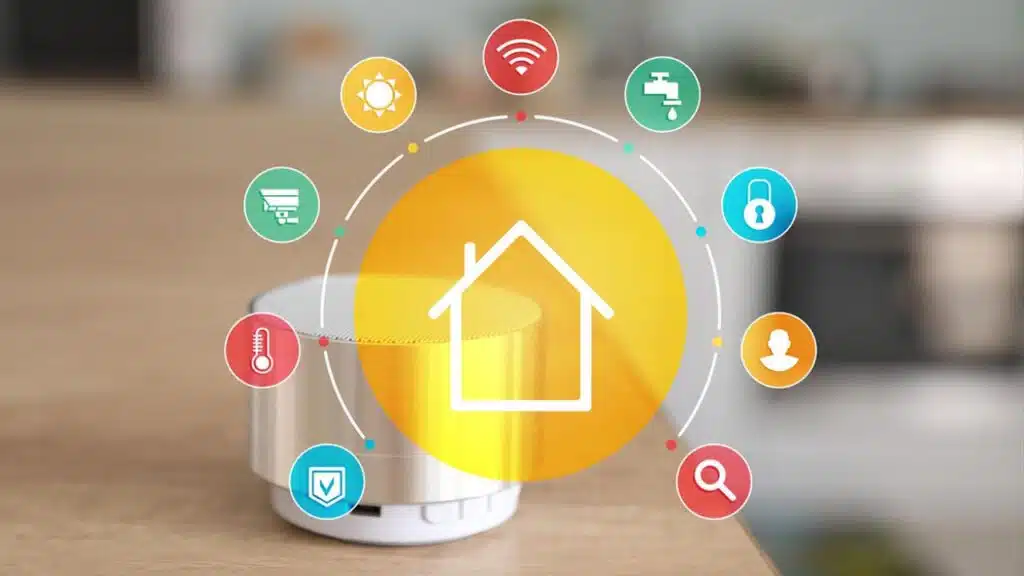
These devices are making home cleaning more automated.
- Scheduled cleaning: Set cleaning times to fit your schedule.
- Smart navigation: Map your home for efficient cleaning routes.
- Voice control: start, stop, or direct cleaning via voice commands.
- No-go zones: Set virtual boundaries to prevent the robot from entering certain areas.
The global robotic vacuum cleaner market is expected to reach $4.97 billion by 2027, growing at a CAGR of 11.4% from 2020 to 2027, according to Allied Market Research.
18. Smart Mirrors
These futuristic devices are becoming more common in modern homes:
- Display information: Show time, weather, news, and personal calendars.
- Health monitoring: Some models can check vital signs or assist with skincare routines.
- Virtual try-on: for makeup or clothing, enhancing the getting-ready experience.
- Voice control: Interact with other smart home devices through the mirror.
The smart mirror market is projected to reach $4.03 billion by 2025, growing at a CAGR of 10.5% from 2020 to 2025, according to MarketsandMarkets.
19. Smart Electrical Outlets
These devices add intelligence to any plugged-in appliance:
- Remote control: Turn devices on and off from anywhere using a smartphone app.
- Energy monitoring: track the energy consumption of individual devices.
- Scheduling: Set devices to turn on or off at specific times.
- Voice control: Use voice commands to control plugged-in devices.
According to a report by Global Market Insights, the smart plug market size is expected to exceed $5.5 billion by 2025.
20. Home Elevator Management
In multi-story homes or buildings, IoT is improving elevator systems.
- Predictive maintenance: Detect potential issues before they cause breakdowns.
- Traffic optimization: learn usage patterns to improve efficiency during peak times.
- Remote monitoring: Building managers can monitor elevator status and performance remotely.
- Integration with smart home systems: Call the elevator to your floor as part of your “leaving home” routine.
The smart elevator market is expected to reach $25.5 billion by 2025, growing at a CAGR of 12.2% from 2020 to 2025, according to MarketsandMarkets.
Conclusion
The integration of IoT devices in modern homes is transforming the way we live, offering unprecedented levels of comfort, efficiency, and control. From essential functions like security and energy management to conveniences like automated cleaning and smart cooking, IoT is making our homes more responsive to our needs and lifestyles.
As technology continues to advance, we can expect even more innovative IoT applications in our homes. The key to maximizing the benefits of these technologies lies in their integration and interoperability. As standards become more unified and AI capabilities improve, our smart homes will become even more intuitive and helpful.
However, it’s important to consider privacy and security implications as we invite more connected devices into our homes. Choosing reputable brands, regularly updating device firmware, and using strong, unique passwords for each device are crucial steps in maintaining a secure smart home environment.
The future of home living is undoubtedly connected, efficient, and tailored to individual needs. As IoT technology continues to evolve, it will play an increasingly central role in shaping our domestic experiences, making our homes not just places to live but intelligent partners in our daily lives.