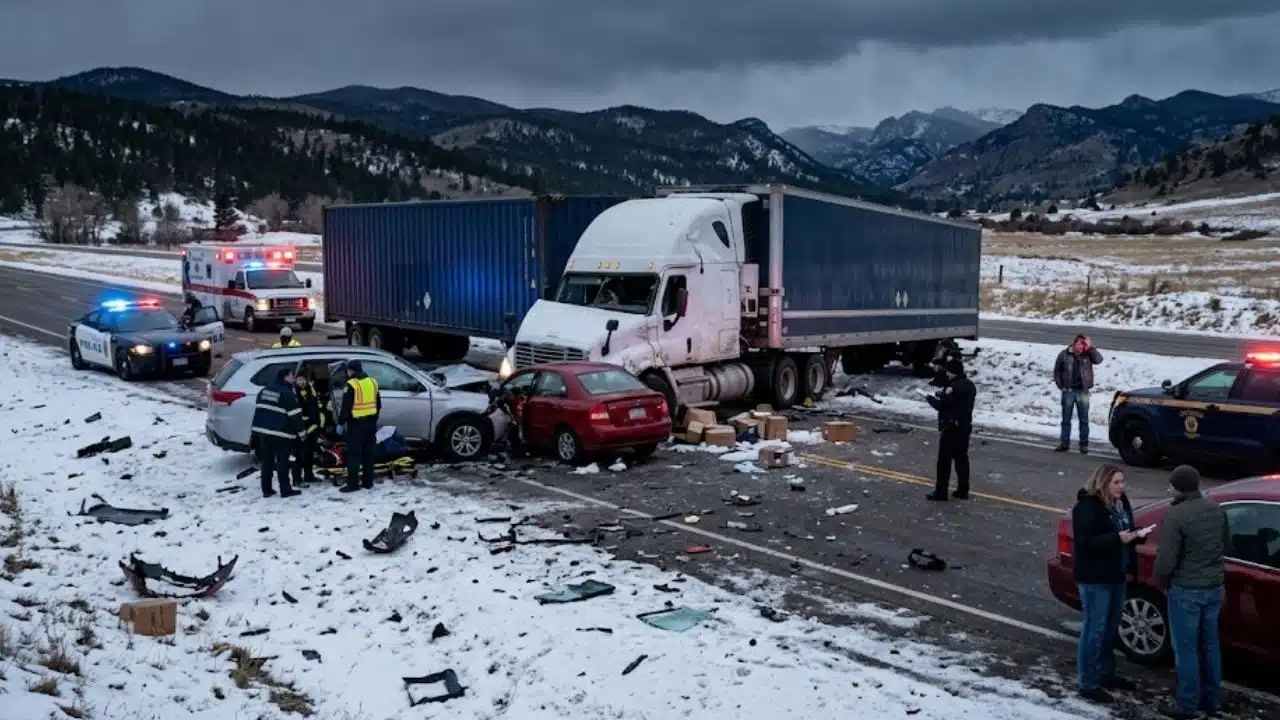
A serious trucking accident in Colorado can leave victims facing painful, lasting injuries. These crashes often involve large commercial trucks that weigh far more than passenger cars. Because of that size difference, injuries in these crashes tend to be severe.
Determining exactly who caused the crash requires a careful look at several parties. One family in Denver reached out for help with their case after three companies denied any responsibility for the crash. Colorado law allows injured victims to pursue compensation from more than one party.
Understanding Fault in Colorado Truck Accidents
Colorado follows a modified comparative negligence rule that applies to all personal injury claims. Bowman Law Firm focuses only on injury cases. Firms that split their time across many legal areas can’t offer that same depth. This rule means a victim can still recover damages even if partly at fault. However, recovery becomes barred once a victim is found fifty percent at fault. Fault often shifts between multiple parties once a full investigation begins in earnest. Investigators often piece together what happened by combining police reports with data pulled from the truck itself and statements from anyone who saw it.
The Trucking Company May Share Responsibility
Trucking companies must carry heavy legal duties under both state and federal safety regulations. They must properly train every driver and maintain each vehicle in their fleet. A company that ignores routine maintenance schedules can be held directly liable for crashes. Employers can also be held responsible when a driver breaks federal safety rules. Pressuring drivers to skip required rest breaks is a common source of liability. Truck drivers who stay awake for too many hours behind the wheel cause a large share of these serious crashes.
Truck Drivers Face Direct Legal Liability
Individual truck drivers can also be held personally liable after causing a crash. One driver ran a red light while checking a phone and slammed into the back of another truck. Driving under the influence remains a serious and entirely preventable cause of harm. Drivers who violate federal hours of service rules increase risk for everyone nearby. A driver’s personal insurance policy may not fully cover the resulting medical damages. Injured drivers and passengers sometimes file a claim with the trucking company’s insurer to cover their full medical bills.
Manufacturers and Maintenance Providers Can Be Liable
Sometimes a crash results from a defective part rather than driver error alone. A truck with worn tires or a broken steering system often crashes hard and without any warning to other drivers. Manufacturers can face liability when a proven product defect actually causes a crash. Maintenance companies also share full responsibility whenever repairs are done poorly or skipped entirely. Cargo loading companies can also be liable if unsafe loads shift during transit. One investigator found that a trucking company had skipped three scheduled brake inspections before the crash occurred.
How Colorado Law Determines Compensation
Colorado law sets clear rules for how compensation gets calculated after a crash. One driver filed a claim after missing four months of work and needing surgery on her shoulder. Property damage and future medical needs also factor into a final settlement amount. Colorado gives injury victims three full years to file a personal injury lawsuit. Missing that deadline can permanently prevent a victim from recovering any compensation at all. One attorney pulled security footage the same week of the crash and used it to settle the case fast.
A single trucking accident usually has more than one cause and more than one responsible party. Company records sometimes show that a driver ignored required rest breaks before the crash happened. Other crashes trace back to a defective part or a truck that skipped required maintenance. A lawyer often spends weeks digging through records and testimony before fault becomes fully clear. A successful claim often covers medical bills and lost income for injured drivers and passengers. A lawyer who moves quickly often preserves key evidence before it disappears or gets destroyed. Court deadlines in Colorado limit how long a victim has to file this type of claim.