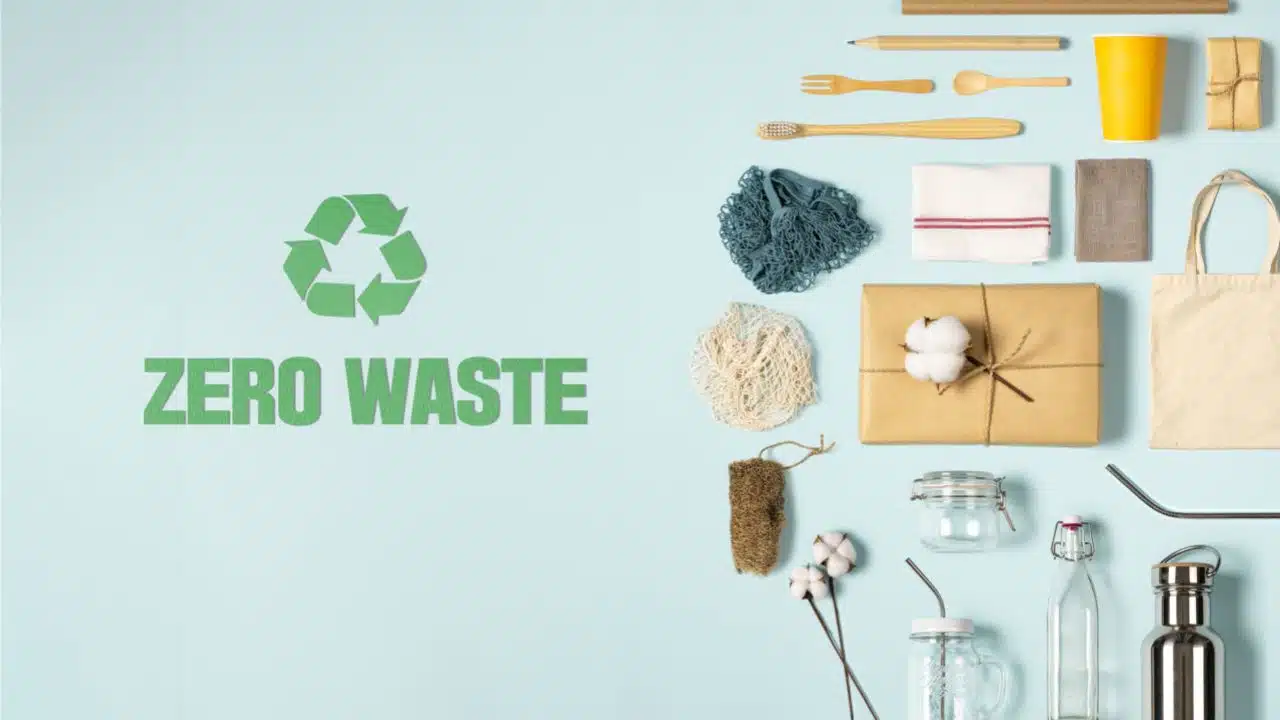
In a world increasingly aware of the impact of waste on our environment, the zero-waste movement offers a practical, impactful solution. Adopting a zero-waste lifestyle means minimizing waste production and rethinking how we use, consume, and dispose of resources. This approach not only reduces pollution but also conserves resources, making a positive contribution toward sustainability.
Transitioning to zero-waste may feel challenging, but by following a few structured steps, you can make significant changes without feeling overwhelmed. This guide explores five essential steps to help you transition to a zero-waste lifestyle, along with actionable advice to make each step easier.
Step 1: Assess and Reduce Your Waste
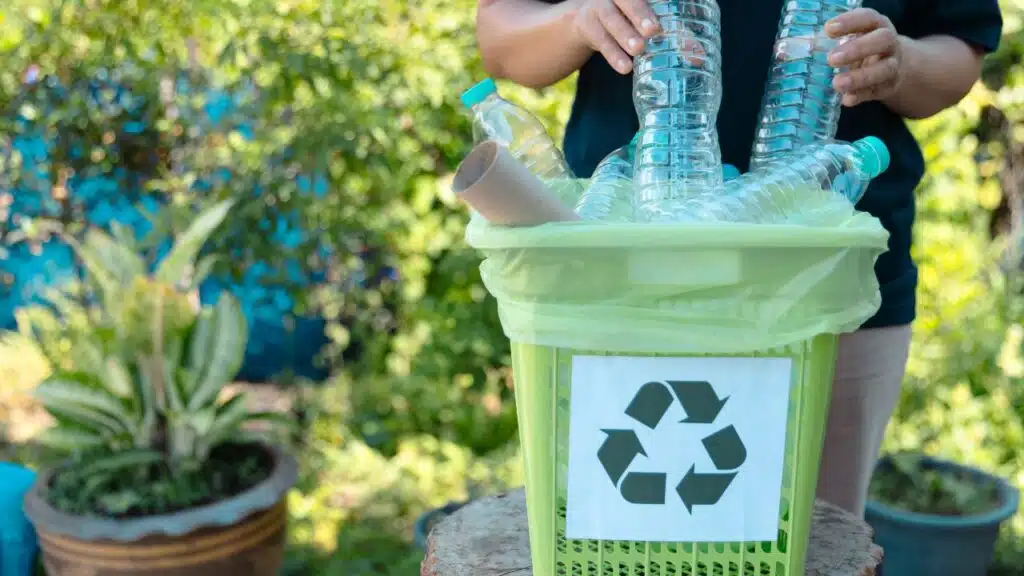
Before making changes, it’s important to understand your current waste habits. Assessing your waste helps you identify what types of trash you produce most often, whether it’s food scraps, plastic containers, or packaging.
Conduct a Waste Audit
A waste audit is a process that involves tracking all the items you throw away for a week. Collect your waste in a specific bag or bin and, at the end of the week, sort and analyze it. By doing this, you’ll be able to pinpoint areas where you can make impactful changes.
Key areas to track:
- Food waste: Fruits, vegetables, leftovers, and spoiled items.
- Packaging: Plastic, cardboard, paper, and foil.
- Non-recyclable waste: Single-use items like straws, wrappers, and napkins.
Start Small by Reducing Common Waste Items
Focus on high-waste items that are easy to reduce or eliminate. Common items include single-use plastic bottles, food wrappers, and disposable utensils. Consider replacing these with reusable options, such as stainless steel water bottles, cloth bags, and bamboo cutlery.
Tips for reducing waste:
- Use a reusable water bottle to reduce plastic waste.
- Bring your own shopping bags to avoid plastic bags.
- Purchase in bulk to reduce packaging waste.
Step 2: Embrace Reusable Alternatives
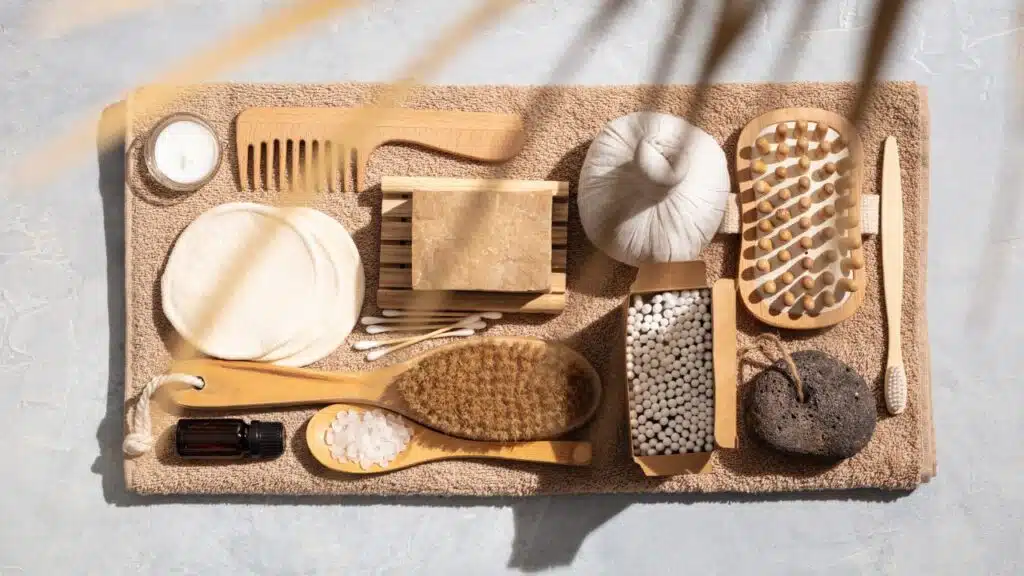
One of the biggest contributors to waste is our reliance on disposable products. A core part of zero-waste living involves switching to reusable alternatives for everyday items. Here are some effective ways to make this switch.
Reusable Bags, Containers, and Utensils
Using reusable bags, containers, and utensils is a simple change. These items are not only environmentally friendly but also help you save money in the long run.
Examples of reusable items:
- Cloth bags for groceries.
- Glass jars for food storage.
- Metal or bamboo straws.
- Use reusable produce bags to store fruits and vegetables.
Invest in Reusable Household Items
Waste reduction efforts often overlook household items like paper towels and sponges. Invest in reusable alternatives like cloth napkins, washable cleaning rags, and compostable sponges.
Eco-friendly household items:
- Cloth napkins instead of paper towels.
- Use compostable sponges or cloths as an alternative to disposable cleaning wipes.
- Refillable soap dispensers and cleaning products.
Step 3: Shop Mindfully and Choose Eco-Friendly Products
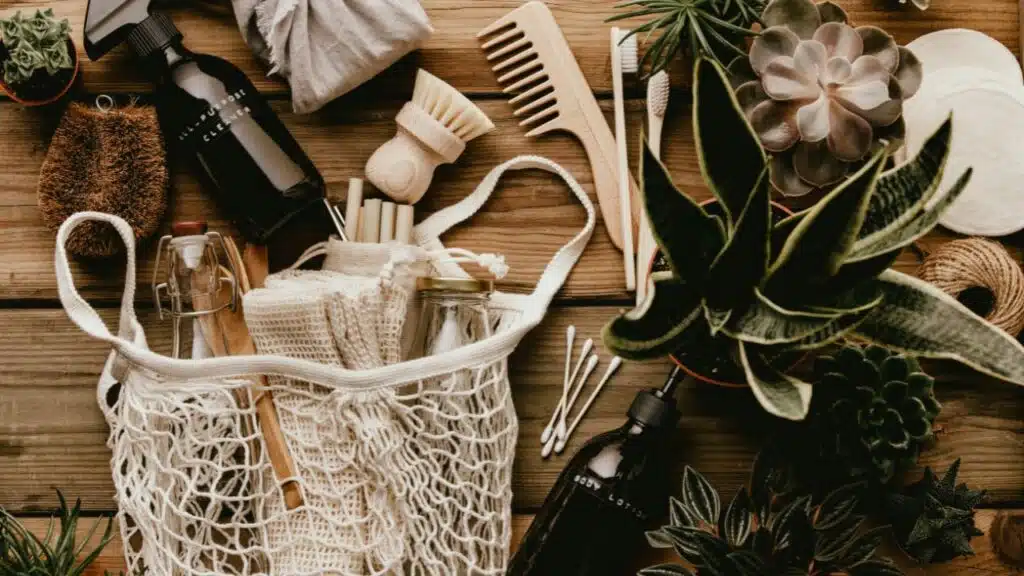
Mindful shopping is an essential part of the zero-waste lifestyle. By carefully selecting products with minimal or no packaging, you reduce the waste you bring into your home.
Shop in Bulk Stores
Bulk stores allow you to purchase food and household items without packaging. Bring your own containers to the store, and fill them with items like grains, nuts, and cleaning supplies.
Benefits of bulk shopping:
- Reduces packaging waste.
- It enables you to purchase only what you require, thereby decreasing food waste.
- Often more cost-effective than pre-packaged items.
Prioritize Sustainable and Minimal Packaging
If bulk stores aren’t an option, look for products with minimal packaging or recyclable materials. Opt for glass, paper, or metal packaging instead of plastic.
Key packaging considerations:
- Choose products in recyclable containers.
- Avoid items wrapped in plastic or with excessive packaging.
- Buy in larger quantities to minimize waste per unit.
Support Eco-Conscious Brands
Many brands are now committed to sustainable practices, using biodegradable or recyclable packaging and minimizing waste in production. Supporting these brands encourages the growth of the eco-friendly market.
Step 4: Learn to Repurpose, Reuse, and DIY

Learning to repurpose items instead of discarding them is a crucial component of zero-waste living. Repurposing items gives them a second life and reduces demand for new products.
Creative Repurposing at Home
With a bit of creativity, you can reuse many household items. For example, you can use glass jars for storage, transform old T-shirts into cleaning rags, and transform cardboard boxes into organizing bins.
Ideas for Repurposing:
- Use jars as storage containers or plant pots.
- Turn worn-out clothing into cleaning cloths or pet bedding.
- Repurpose old containers as organizers for small items.
DIY Household Products
Making your own products, like cleaners, skincare, and candles, allows you to avoid packaging waste and harmful chemicals. DIY products are often healthier, cheaper, and just as effective as store-bought versions.
Popular DIY products:
- This all-purpose cleaner is made with vinegar, water, and essential oils.
- Use baking soda and coconut oil to create a natural deodorant.
- Beeswax wraps serve as a reusable alternative to plastic wrap.
Step 5: Composting and Proper Recycling
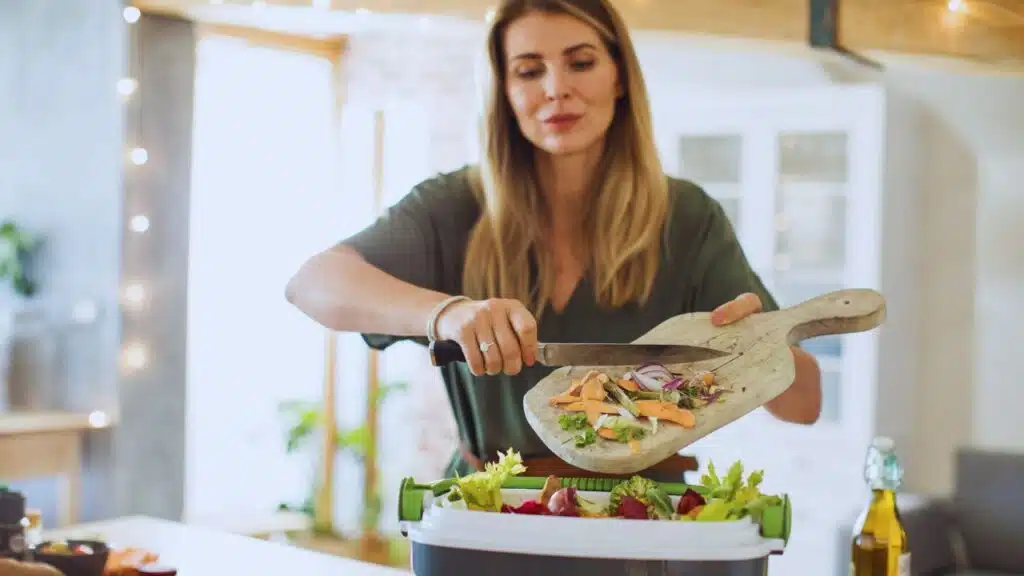
Proper disposal of waste is the last step in a zero-waste lifestyle. Composting organic waste and recycling correctly ensures that fewer items end up in landfills.
Start Composting at Home
Composting turns food scraps and other organic waste into nutrient-rich soil, reducing the amount of waste sent to landfills. You can compost in a backyard bin, a compost tumbler, or even indoors using a worm composting system.
Compostable items include:
- Fruit and vegetable scraps.
- Coffee grounds and tea leaves.
- Paper and cardboard (non-glossy).
Learn the Basics of Recycling
Recycling rules vary depending on your location, so it’s essential to understand your area’s guidelines. Contamination is a major issue in recycling, and incorrectly recycled items can end up in landfills.
General recycling tips:
- Rinse containers to avoid contamination.
- Refrain from “wishcycling” and only recycle items that you are certain are acceptable.
- Separate materials according to local guidelines.
Table: Comparison of Waste Reduction Methods
| Waste Reduction Method | Benefits | Example Items | Challenges |
|---|---|---|---|
| Reusable alternatives | Long-lasting, cost-effective | Metal straws, cloth bags | Initial investment |
| Bulk shopping | Reduces packaging waste | Grains, spices | Limited to available stores |
| Repurposing | Extends item lifespan | Jars, old clothes | Requires creativity |
| DIY products | Avoids packaging, custom ingredients | Cleaners, skincare | Time and effort to make |
| Composting | Reduces landfill waste | Food scraps, yard waste | Requires space |
Conclusion
Transitioning to a zero-waste lifestyle is not about perfection; it’s about making conscious choices that reduce waste and contribute to a healthier planet. By assessing your waste, switching to reusable products, shopping mindfully, repurposing items, and properly composting and recycling, you can make significant strides toward a zero-waste lifestyle. Despite initial difficulties, the journey benefits you and the environment. Start small, be consistent, and soon these habits will become second nature.