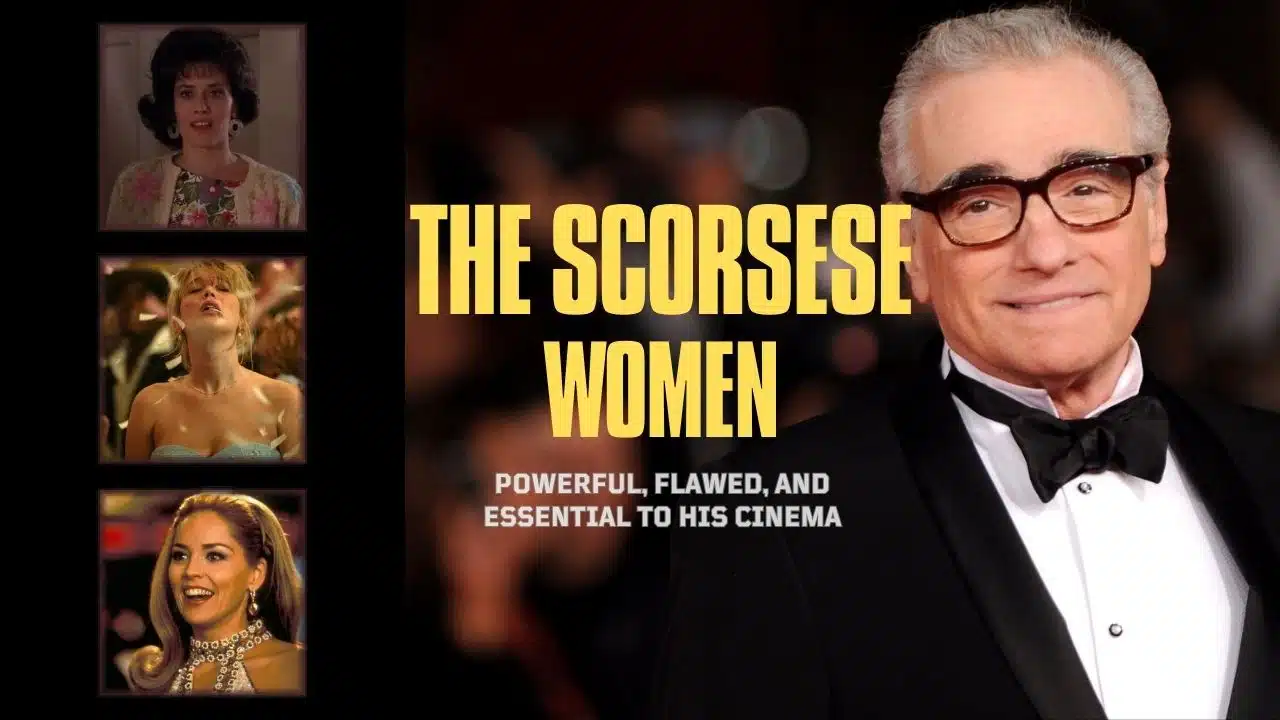
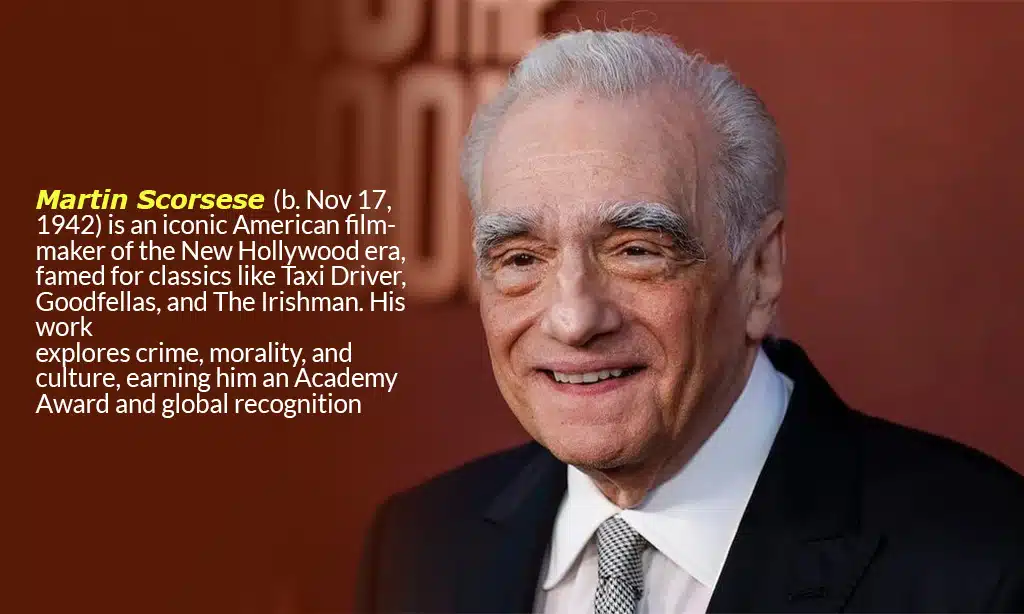
As the world celebrates Martin Scorsese’s 83rd birth anniversary, tributes naturally gravitate toward his explosive male antiheroes—Travis Bickle, Jake LaMotta, Henry Hill, and Jordan Belfort. Yet behind these iconic figures stands a constellation of women who shape, challenge, and expose the emotional truths of Scorsese’s cinematic universe.
While discussions of his films often center on men caught in cycles of ambition, guilt, violence, and moral collapse, the Scorsese women remain some of the most symbolically potent characters ever crafted in modern cinema. They may not always occupy center stage, but they carry the emotional weight of his narratives—sometimes as moral mirrors, sometimes as agents of chaos, and sometimes as symbols of vulnerability, loss, faith, or fragile hope.
This tribute explores the women who helped define Scorsese’s world—powerful, flawed, complex characters who deserve far more recognition than they receive.
Why The Scorsese Women Are Overlooked
Scorsese’s films often unfold in hyper-masculine environments—New York mob circles, boxing rings, Wall Street boardrooms, gang territories, or corrupt political systems. These are spaces where male dominance dictates the narrative, leaving the impression that women play minor roles.
But this is a misconception.
Women in Scorsese’s films:
-
challenge male characters’ illusions
-
expose their insecurities
-
disrupt their carefully maintained façades
-
symbolize what the male characters desire, fear, or can never attain
Historical contexts—such as the patriarchal mob society in Goodfellas or the Osage Nation in the 1920s in Killers of the Flower Moon—reflect real limitations placed on women. Yet Scorsese uses these constraints to reveal emotional, cultural, and moral truths.
They are not simply background figures.
They are the emotional architecture of his storytelling.
The Symbolic Function of Women in Scorsese’s Storytelling
In a filmography dominated by volatile men and violent environments, Scorsese’s women often operate on a symbolic level far deeper than the narrative surface. They are not merely characters but emotional and moral touchstones—mirrors, catalysts, contradictions, and, at times, the spiritual heartbeat of the story. Their presence reveals truths the male protagonists cannot articulate and often refuse to confront.
1. The Mirror and Moral Contrast
Female characters often serve as a mirror reflecting the moral decay of male protagonists.
-
Karen Hill (Goodfellas) watches Henry slip into the seductions of power and criminality, her perspective framing the ethical rot of the mob world.
-
Ginger McKenna (Casino) becomes a reflection of Sam Rothstein’s obsession and loss of control.
Through these women, Scorsese exposes the consequences of unchecked ambition.
Scorsese once said:
“Cinema is about revealing the truth—often the truth we try hardest to hide.”
Women in his films help uncover that hidden truth.
2. Agents of Chaos and Vulnerability
Women in Scorsese’s films often destabilize the male characters, not because they are reckless, but because the men project insecurity onto them.
-
Vickie LaMotta (Raging Bull) becomes the canvas on which Jake paints his jealousy and self-hatred.
-
Ginger (Casino) triggers Sam’s downfall not because of her actions alone but because she threatens his illusion of control.
Their presence exposes the fragility of toxic masculinity.
3. Embodiments of Innocence, Salvation, or Loss
Scorsese’s Catholic background permeates his work, using women as symbols of:
-
purity
-
forgiveness
-
temptation
-
spiritual longing
Madolyn in The Departed represents the possibility of emotional intimacy in a world driven by lies and violence.
Women become the fragile hopes the men crave but cannot sustain.
4. Emotional Reality Anchors
Scorsese uses women to root his narratives in genuine human emotion.
In Alice Doesn’t Live Here Anymore, Alice Hyatt isn’t a symbol—she’s a fully realized woman fighting for survival and identity. Her journey stands apart as one of Scorsese’s most heartfelt explorations of independence, resilience, and personal growth.
Women remind the audience that beneath the crime sagas and psychological storms lies a world of emotional truth.
Notable Female Characters and Their Impact
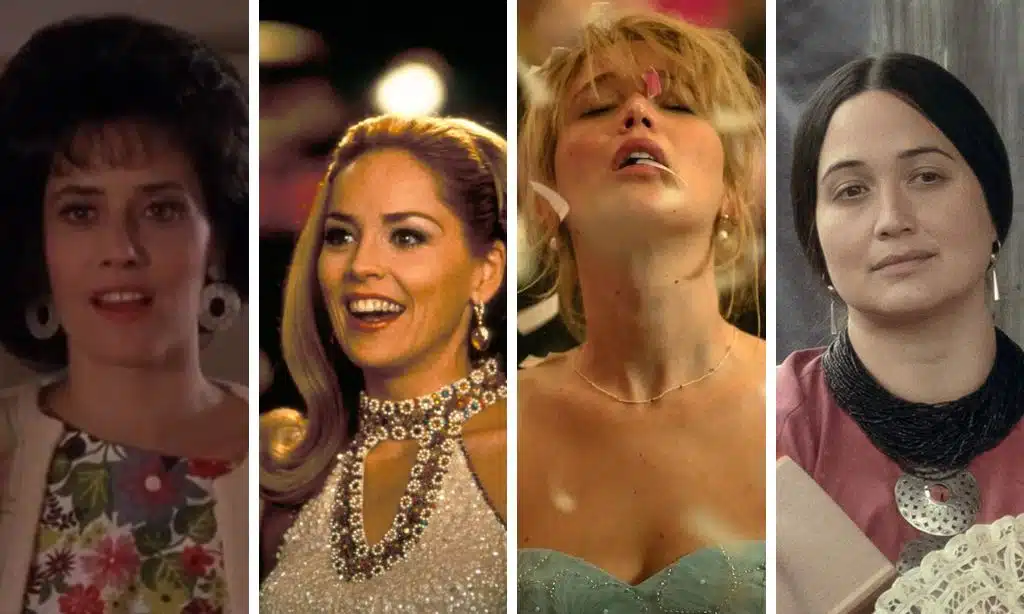
Across Scorsese’s vast body of work, certain female performances stand out for their complexity, intensity, and emotional resonance. These women—whether fierce, fragile, loyal, or tragic—leave an imprint far larger than their screen time. By shaping the fates of the men around them, they also shape the films themselves, turning supporting roles into unforgettable cinematic forces.
Karen Hill: Goodfellas (1990)
Portrayed by Lorraine Bracco, Karen is one of the few women in a mob film whose voice shapes the narrative. Her famous line—
“I was attracted to the gangster life… but it wasn’t what I thought it would be.”
captures the seductive draw and eventual horror of the criminal world.
Karen is not a passive mob wife; she is a narrator, an accomplice, and ultimately a survivor.
Ginger McKenna: Casino (1995)
Sharon Stone’s Oscar-nominated performance remains one of the greatest in Scorsese’s filmography. Ginger is glamorous, tragic, intoxicating, and unpredictable—“the flame that could never be controlled.”
She symbolizes:
-
addiction
-
obsession
-
emotional dependence
-
the seductive pull of destruction
Her relationship with Sam Rothstein is a slow-motion implosion rooted in love, manipulation, and desperation.
Vickie LaMotta: Raging Bull (1980)
Vickie is portrayed by Cathy Moriarty as a combination of innocence and strength. She is the catalyst for Jake’s paranoia, the mirror reflecting his insecurity. Her silence often speaks louder than dialogue—her stillness contrasting Jake’s unraveling.
Alice Hyatt: Alice Doesn’t Live Here Anymore (1974)
In this rare woman-led Scorsese film, Ellen Burstyn delivers a powerful portrayal of a mother seeking independence after loss. Alice’s journey feels raw, relatable, and remarkably modern. She stands as a reminder of Scorsese’s ability to explore female resilience beyond male-centered narratives.
Mary Magdalene and Spiritual Figures: The Last Temptation of Christ
Scorsese’s religious women represent both spiritual struggle and divine compassion. Characters like Mary Magdalene explore themes of redemption, faith, and the human tension between sin and salvation.
Molly Burkhart: Killers of the Flower Moon (2023)
Lily Gladstone’s performance brought global attention to the quiet emotional power of Indigenous women’s stories. Molly is:
-
dignified
-
wounded
-
resilient
-
symbolic of an exploited people
Her silence is her strength—a haunting, powerful narrative tool.
What These Women Reveal About Scorsese’s Vision
The Scorsese women reflect more than personal relationships within each film—they illuminate the director’s evolving worldview. Through them, Scorsese grapples with themes of guilt, redemption, love, morality, and spiritual longing. Examining these characters offers a window into his artistic growth, revealing how his understanding of humanity—and especially of women—has deepened over the decades.
Catholic Themes Through Women: Temptation, grace, guilt, and salvation—women in Scorsese’s films often embody these moral struggles.
Women as Vessels of Emotional Truth: They break through the bravado of his male protagonists, grounding the stories in vulnerability.
A Director Evolving Over Time: From Mean Streets to Killers of the Flower Moon, Scorsese’s portrayal of women has become increasingly layered and emotionally nuanced.
How Scorsese’s Female Characters Influenced Cinema
-
They challenged the stereotype that mob or crime films must sideline women.
-
Actresses like Sharon Stone, Lorraine Bracco, Cathy Moriarty, and Lily Gladstone delivered career-defining performances under his direction.
-
Modern film critics now reevaluate The Scorsese Women as essential to understanding his emotional and thematic depth.
Their influence continues in contemporary cinema and academic discourse.
Takeaways
As we celebrate Martin Scorsese’s 83rd birthday, it’s time to honor the women who shaped his masterpieces. The Scorsese women are not merely supporting characters—they are the emotional core, symbolic balance, moral conscience, and sometimes the tragic downfall of the men who dominate the screen.
They reflect the truth Scorsese has always strived to reveal:
Human nature is complex, fragile, and deeply shaped by the people who surround us.
In celebrating these women, we celebrate Scorsese’s full cinematic legacy—one defined not only by iconic men, but by the unforgettable women who made those stories matter.