

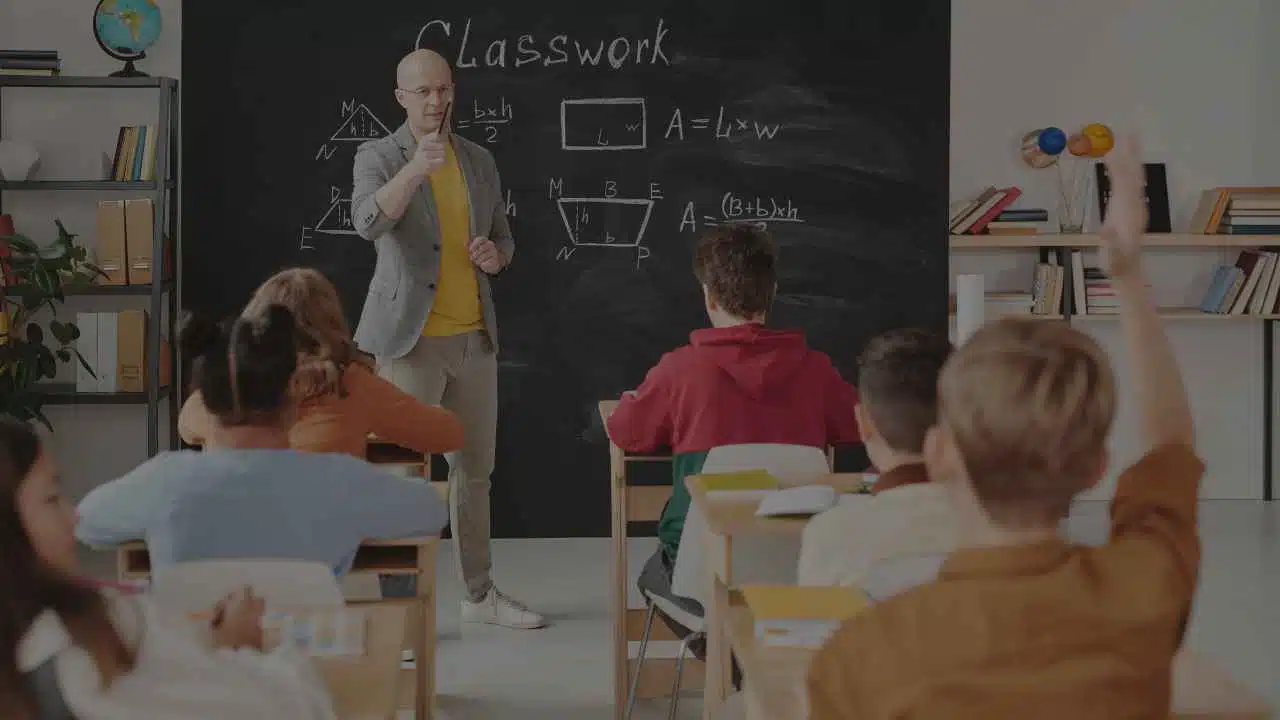
The COVID-19 pandemic has left an indelible mark on every facet of society, but perhaps nowhere more profoundly than in the realm of education. The COVID-19 pandemic has significantly disrupted the world’s educational landscape, resulting in what experts are calling the
There isn’t a single aspect of our lives that the COVID-19 pandemic hasn’t changed in some way, but the world of education may have been affected more deeply than most. The COVID-19 pandemic has disrupted the lives of every single student around the world. Experts now believe that the impact of the disruption to education due to the pandemic could trigger the greatest educational disaster in history.
With the closure of schools, vocational colleges and universities in almost every country in the world, almost every student has been impacted. The losses are staggering and the full-scale shock waves are yet to be realized.
In this article, I am trying to address the reality after the pandemic, the problems behind it, and the solution. I am also analyzing some important case studies.
Education Crisis in a Post Pandemic World: A Harsh Reality
In a new report, “The State of the Global Education Crisis: A Path to Recovery,” UNESCO, UNICEF and the World Bank estimate the effects of months of school closures on student education. Here are some highlights:
Learning Losses: Students all over the world have suffered staggering losses in learning. For example:
- In Sao Paulo, Brazil, students in primary and secondary schools learned just 28 percent of the material in typical face-to-face classes.
- In rural Karnataka, India, the percentage of grade three children in government schools who can perform basic subtraction dropped from 24 percent in 2018 to just 16 percent in 2020.
Inequity: Learning losses have disproportionately affected poorer and younger students. Marginalized children have missed out the most, exacerbating existing educational inequalities.
Economic Impact: The learning and skills lost during school closures put this generation of students at risk of losing $17 trillion in lifetime earnings (present value). This staggering figure is equivalent to 14 percent of today’s global GDP, far surpassing the $10 trillion estimated in 2020.
Learning Poverty: Before the pandemic, over 50 percent of children in low- and middle-income countries lived in Learning Poverty. This figure is expected to rise sharply, potentially reaching 70 percent, due to the inconsistent quality and effectiveness of remote learning.
[Video Credit @CBSSundayMorning]
We cannot afford to let this be the defining chapter in the story of our education system. We must act now, with urgency and resolve, to pick up the pieces and build something better from the rubble.
Does Bold Action Make Sense?
Education systems around the globe have shifted entire school populations to remote learning to tackle this crisis. Online, TV, radio, printouts and instant messaging were some of the strategies employed. But the quality and access to learning varied enormously, leaving many marginalized students behind. In our view, here are 4 things to do:
- Equitable Access: How do we provide the same quality of learning opportunities to all students, independent of their socioeconomic background? The digital divide needs to be fixed.
- Teacher Training: Support teachers in adapting to new teaching methods. Effective professional development can enhance remote learning experiences.
- Assessment and Remediation: Regularly assess learning outcomes and provide targeted interventions to address gaps. Catch-up programs are essential.
- Community Engagement: Involve parents, communities, and local leaders in education planning. Collective efforts can mitigate the crisis’s impact.
Some Successful Case Studies of Remote Learning
Here are some successful case studies of remote learning:
- Adaptive Learning Case Studies: Achieving the Dream worked with its college, university and research partners to implement adaptive learning pilot projects to redesign gateway courses using adaptive learning courseware and to eliminate equity gaps for students. The case studies represent different teaching and learning formats, from in-person to remote. Colleges such as Amarillo College, Broward College and Miami Dade College used adaptive courseware where students navigated at their own pace to meet remedial needs.
- Worldwide Remote Learning Programs: Examples from remote learning programs supported by the World Bank show how successful these programs have been, relying on teachers, parents and the wider community. These remote learning programs provide mental health and psychosocial support for children and youth and strengthen human connections.
- Digital Learning Practices During and After Remote Learning: A commissioned paper by the Association of Independent Schools of NSW looks at effective and inclusive digital pedagogies now and in the aftermath of the remote learning period. The case studies offer insights into emerging digital practices and effective teaching.
- COVID-19 Case Studies: Case studies explore the experiences of individuals during the pandemic. For example, one case study follows a mother navigating remote learning with her kindergarten-aged child, while another presents a teacher’s perspective on teaching remotely. These studies highlight best practices, challenges, and concerns related to remote learning.
These case studies offer valuable insights into successful approaches, challenges, and strategies for remote learning. They demonstrate the importance of adaptability, community involvement, and effective teaching practices in ensuring quality education during challenging times.
How can we address the mental health impact on students?
The COVID-19 pandemic has taken a toll on students’ mental health, and like most things in life, the solution will involve many angles. Consider some of these strategies:
Acknowledge the stress:
- Students have experienced multiple stressors related to the pandemic: school closures, social distancing, family financial loss, fear of loved ones getting sick, and limited access to medical care.
- These stressors worsen mental health concerns.
Foster school belongings:
- School belonging, or the extent to which students feel cared about, supported, and feel a sense of membership at school, was especially important during this unsettling period.
- Students who felt connected to adults and peers at school were less likely to report persistent feelings of sadness or hopelessness, suicidal thoughts, or suicide attempts.
Provide Supportive Environments:
- Prioritize safe and supportive school environments where students feel safe to be heard.
- Encourage communication, empathy and active listening.
Mental Health Education:
- Incorporate mental health education across the curriculum. Teach coping skills, manage stress and build emotional resilience.
- Reduce stigma by talking about mental health; nothing is normal about having a mental illness.
Access to Mental Health Services:
- Provide students with access to mental health resources. School counselors, psychologists and community resources.
- Telehealth can help overcome access barriers.
Address Inequities:
- Some groups of young people are more susceptible to poor mental health: LGBTQ+ youth and girls.
- Identify and address systemic inequities and provide targeted supportive measures.
Combat Racism and Discrimination:
- More than 1 in 3 students reported experiencing racism before the pandemic and during the outbreak.
- Promote anti-racist education and create inclusive environments.
Promote Resilience and Coping Skills:
- Learn adaptive coping skills, stress reduction, and emotional management.
- Engage in physical activity, mindfulness practices, and the creative arts.
Involve Families and Communities:
- Involve parents, caregivers, and community members to support students’ mental health.
- Build a partnership between families and schools.
Why Must We Rise to the Challenge of Rebuilding Education?
- We’re all in this together. Picking up the pieces will require the efforts of educators, policymakers, parents, and students alike. It’s a team effort.
- Hard conversations and tough choices await. Rebuilding won’t be easy. We must be prepared to have difficult discussions and make hard decisions.
- Our children’s future is at stake. We owe it to the next generation to meet this challenge head-on and build a better education system.
- Resilience and adaptability are our secret weapons. Educators and students have shown incredible resilience in the face of adversity. We must channel that spirit going forward.
- Innovation and collaboration are key. The pandemic has shown us the power of innovative thinking and working together. Let’s keep that momentum going.
- We have a once-in-a-lifetime opportunity. The pandemic has given us a rare chance to hit the reset button and reimagine education. Let’s not waste it.
- Normal wasn’t working for everyone. Rather than rushing back to the status quo, let’s create a new normal that works for all students.
- We’re not just reassembling the old puzzle. This is our chance to create a whole new picture of what education can be in a post-pandemic world.
- The opportunity is as big as the challenge. Yes, the task ahead is monumental. But so is the potential for positive change.
- The future is watching. How we respond to this education crisis will shape the trajectory of a generation and the character of our society. Let’s meet the moment with courage, compassion, and fierce determination to build back better.
Takeaways
The education crisis we’re facing isn’t overwhelming, but it’s dire and we need to act now. We can prepare, pick up the pieces, and build better for the new normal by investing in innovative solutions, ensuring equity, and promoting resilience. Let’s leave no child behind and let’s do it with a fierce commitment to their futures.
References:
- The State of the Global Education Crisis: https://www.unesco.org/en/articles/state-global-education-crisis-path-recovery
- Global Education Crisis- A Path to Recovery: https://repository.gheli.harvard.edu/repository/13914/
- Adaptive Learning that shows When and How It Is Effective: https://www.everylearnereverywhere.org/blog/7-adaptive-learning-case-studies-that-show-when-and-how-it-is-effective/
- Remote Learning Solutions for Resilient Education: https://blogs.worldbank.org/en/education/remote-learning-solutions-resilient-education-systems-seven-resource-packs-guide
- Mental Health Among High School Students: https://www.cdc.gov/mmwr/volumes/71/su/su7103a3.htm
- Mental Health Threats During Covid-19 Pandemic: https://www.cdc.gov/media/releases/2022/p0331-youth-mental-health-covid-19.html
























