
Sustainable real estate is rapidly gaining traction worldwide, and New Zealand stands at the forefront of this green revolution. With its commitment to environmental conservation and innovative urban planning, the country offers a lucrative landscape for investors.
However, what makes investing in sustainable real estate in New Zealand particularly appealing are the numerous tax incentives that make eco-friendly projects financially rewarding.
This article explores the tax incentives for sustainable real estate in New Zealand, detailing how these benefits align with the country’s environmental goals and create significant opportunities for investors. From deductions and exemptions to grants and accelerated depreciation, these incentives make going green more profitable than ever.
Understanding Sustainable Real Estate Investments
What Is Sustainable Real Estate?
Sustainable real estate focuses on reducing environmental impact while maximizing efficiency and sustainability. Key characteristics include:
- Use of eco-friendly materials.
- Integration of renewable energy sources like solar panels and wind turbines.
- Adoption of energy-efficient designs and technologies.
- Green building certifications such as Green Star or LEED.
By embracing these features, sustainable properties not only contribute to a healthier planet but also promise long-term cost savings and higher market value. For instance, a Green Star-certified building in Auckland reported energy savings of over 30%, demonstrating both financial and environmental benefits.
Why New Zealand Is a Hub for Sustainable Real Estate
New Zealand’s proactive approach to environmental policies and urban development makes it a prime location for sustainable investments. Key factors include:
- Government Initiatives: Policies like the Emissions Reduction Plan and subsidies for green technology adoption.
- Growing Demand: An increasing preference for eco-friendly housing among homebuyers and tenants.
- Supportive Infrastructure: Availability of grants and programs for green building projects.
Overview of Tax Incentives for Sustainable Investments in New Zealand

How Tax Incentives Work for Real Estate Investors
Tax incentives are financial benefits offered by the government to encourage investments in sustainable practices. For real estate, these can include:
- Tax Deductions: Reducing taxable income by deducting expenses related to sustainable upgrades.
- Tax Credits: Direct reductions in the amount of tax owed.
- Exemptions: Eliminating taxes on specific sustainable practices or equipment.
- Accelerated Depreciation: Allowing investors to recover the cost of green installations faster.
Alignment with New Zealand’s Environmental Goals
These incentives are part of New Zealand’s broader strategy to achieve carbon neutrality by 2050. Encouraging sustainable real estate development plays a crucial role in reducing greenhouse gas emissions and fostering eco-friendly communities.
The 8 Tax Incentives for Sustainable Real Estate
1. Tax Deductions for Green Building Certifications
Green certifications like Green Star and Homestar signal a property’s sustainability credentials. The government offers tax deductions to cover certification costs, which include:
- Registration fees.
- Consultant expenses for achieving certification.
- Energy modeling and performance assessments.
Green building certifications not only enhance a property’s value but also increase tenant satisfaction. For example, a study found that Green Star-certified buildings in New Zealand enjoy 8-10% higher occupancy rates than non-certified properties.
| Certification | Eligibility Criteria | Tax Deduction | Examples |
| Green Star | Commercial and residential projects | Up to 100% of certification costs | Office buildings in Auckland |
| Homestar | Residential developments | Partial deductions | Eco-friendly housing |
2. Accelerated Depreciation for Energy-Efficient Features
Energy-efficient features, such as advanced insulation, energy-saving appliances, and smart lighting systems, qualify for accelerated depreciation. This allows property owners to:
- Recover costs faster by deducting higher amounts in the initial years.
- Improve cash flow and profitability.
This incentive is particularly beneficial for large-scale developments. For instance, a residential complex in Wellington installed high-efficiency HVAC systems and reported annual savings of $50,000 due to faster depreciation claims.
| Feature | Depreciation Rate | Initial Cost | Annual Savings |
| Solar Panels | 33% | $20,000 | $4,000 |
| Energy-Efficient Lighting | 25% | $5,000 | $1,200 |
3. Exemptions for Renewable Energy Integration
Investors installing renewable energy systems, such as solar panels or wind turbines, can benefit from tax exemptions on:
- Installation costs.
- Maintenance expenses.
- Energy generated for on-site consumption.
By reducing upfront costs, this incentive makes renewable energy adoption accessible. For example, a winery in Marlborough installed wind turbines and received exemptions on 80% of installation costs, saving approximately $100,000.
| System | Tax Exemption | Average Savings | Example Use Case |
| Solar Panels | Up to 70% | $15,000 | Residential properties |
| Wind Turbines | 80% | $100,000 | Agricultural applications |
4. Reduced Property Tax for Eco-Friendly Buildings
Certain cities in New Zealand offer reduced property tax rates for eco-friendly buildings. Eligibility typically depends on:
- Achieving specific sustainability certifications.
- Meeting local green building standards.
For instance, Wellington has a program that reduces property taxes by 15% for buildings meeting advanced green criteria. This encourages developers to integrate sustainable designs into their projects.
| City | Reduction Rate | Eligibility | Example Projects |
| Wellington | 15% | Certified Green Star properties | Commercial offices |
| Christchurch | 10% | Homestar 6+ rated homes | Residential developments |
5. Capital Gains Tax Benefits for Sustainable Upgrades
Sustainable upgrades can lower capital gains tax (CGT) liabilities when selling a property. Eligible upgrades include:
- Installing renewable energy systems.
- Adding energy-efficient insulation or windows.
For example, a homeowner in Hamilton upgraded their property with solar panels and triple-glazed windows, which increased the property’s value by $50,000 while reducing CGT liabilities by 20%.
| Upgrade Type | Investment | Value Increase | CGT Reduction |
| Solar Panel Installation | $20,000 | $35,000 | 20% |
| Triple-Glazed Windows | $15,000 | $25,000 | 15% |
6. Tax Credits for Low-Carbon Developments
Low-carbon housing developments qualify for tax credits that directly reduce the amount of tax owed. Eligible projects include:
- Affordable housing initiatives with sustainable designs.
- Multi-family dwellings built to net-zero standards.
Example: A low-carbon housing project in Christchurch saved $200,000 in taxes through credits for integrating sustainable construction practices.
| Project Type | Credit Amount | Eligibility | Example Projects |
| Affordable Housing | $10,000/unit | Meets net-zero standards | Urban developments |
| Multi-Family Dwellings | $50,000/project | Certified green construction | Suburban complexes |
7. Incentives for Retrofitting Existing Properties
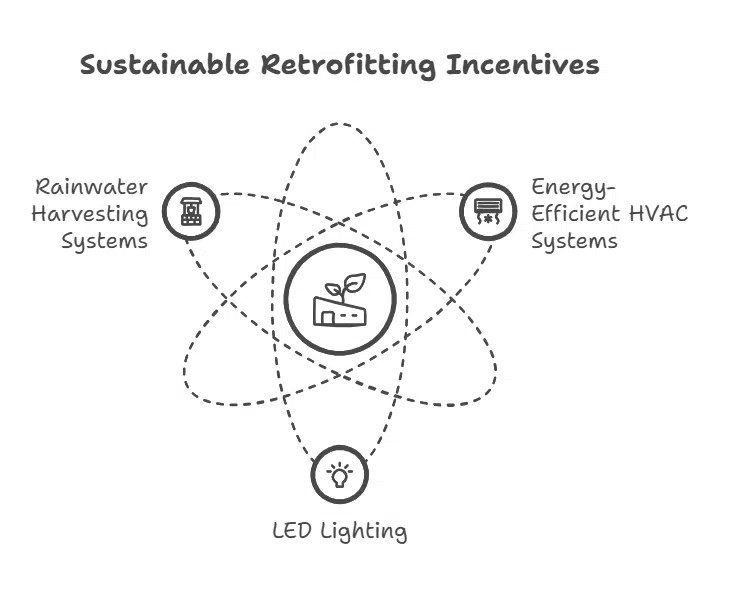
Retrofitting older buildings with sustainable features qualifies for tax rebates. Key areas for retrofitting include:
- Installing energy-efficient HVAC systems.
- Upgrading to LED lighting.
- Incorporating rainwater harvesting systems.
Case Study: A heritage property in Dunedin underwent retrofitting with energy-efficient upgrades, leading to annual tax savings of $25,000 while preserving its historical charm.
| Feature | Cost | Tax Rebate | Annual Savings |
| LED Lighting | $10,000 | $3,000 | $1,200 |
| Rainwater Harvesting | $8,000 | $2,400 | $800 |
8. Grants and Subsidies with Tax Implications
Government grants for sustainable real estate projects often come with tax implications. While grants are typically non-taxable, they can influence tax calculations by:
- Reducing deductible project costs.
- Offsetting taxable income from other sources.
Example: A developer receiving a $50,000 grant for a green housing project used it to offset operational costs, saving an additional $10,000 in taxes.
| Grant Type | Amount | Tax Impact | Example Use Case |
| Green Building Grant | $50,000 | Reduces taxable income | Urban housing projects |
| Renewable Energy Subsidy | $20,000 | Non-taxable | Solar installations |
Financial Benefits of Leveraging These Tax Incentives
Increased ROI for Green Properties
Sustainable properties often yield higher returns due to:
- Lower operational costs.
- Higher rental and resale values.
- Increased demand from eco-conscious tenants and buyers.
| Property Type | Initial Cost | Operational Savings | Potential ROI |
| Traditional Property | $500,000 | $5,000/year | 5% |
| Sustainable Property | $550,000 | $10,000/year | 7% |
Lower Operational Costs for Property Owners
Energy-efficient designs and renewable energy installations significantly reduce:
- Utility bills.
- Maintenance costs.
For example, a solar-powered apartment complex can save owners up to 40% on annual electricity bills.
Practical Steps to Claim Sustainable Real Estate Tax Benefits
Documentation and Eligibility Requirements
To claim tax benefits, investors must:
- Maintain detailed records of project expenses.
- Obtain necessary certifications and permits.
- Submit claims during annual tax filings.
Checklist for Investors:
- Proof of green certifications.
- Invoices for sustainable upgrades.
- Approval documents for government grants.
Consulting Tax Experts for Sustainable Investments
Navigating tax incentives can be complex. Consulting professionals with expertise in sustainable real estate can:
- Ensure compliance with tax regulations.
- Maximize available benefits.
- Avoid potential penalties or rejections.
Takeaway
Investing in sustainable real estate in New Zealand is not only an environmentally responsible choice but also a financially rewarding one. By leveraging the tax incentives for sustainable real estate in New Zealand, investors can achieve higher returns, reduce operational costs, and contribute to the country’s green goals.
As the demand for eco-friendly properties continues to rise, now is the perfect time to explore these opportunities and make sustainable investments a cornerstone of your portfolio. Consult a tax expert today to unlock the full potential of these benefits.