As Australia continues its push toward a greener future, homeowners have a golden opportunity to benefit from tax breaks while making their homes more sustainable. Tax breaks for eco-friendly homeowners in Australia not only help reduce carbon footprints but also lead to significant cost savings.
With energy costs on the rise and climate change concerns intensifying, government incentives and rebates play a crucial role in encouraging homeowners to invest in sustainable upgrades.
By leveraging these tax incentives, homeowners can transition to renewable energy sources, improve water conservation, and reduce long-term utility costs. These benefits not only enhance property values but also contribute to a more sustainable lifestyle, making eco-friendly living more affordable and accessible.
This guide will break down the most beneficial tax breaks available, how to claim them, and additional ways to save on sustainable home improvements.
Understanding Tax Breaks for Eco-Friendly Homes
Tax breaks for eco-friendly homeowners in Australia are government-backed financial incentives that reduce the cost of implementing energy-efficient upgrades. These tax benefits help cover the costs of solar panels, energy-efficient appliances, water conservation systems, and more.
These incentives are designed to encourage sustainable practices and make it easier for homeowners to reduce their carbon footprint while maintaining a cost-effective home.
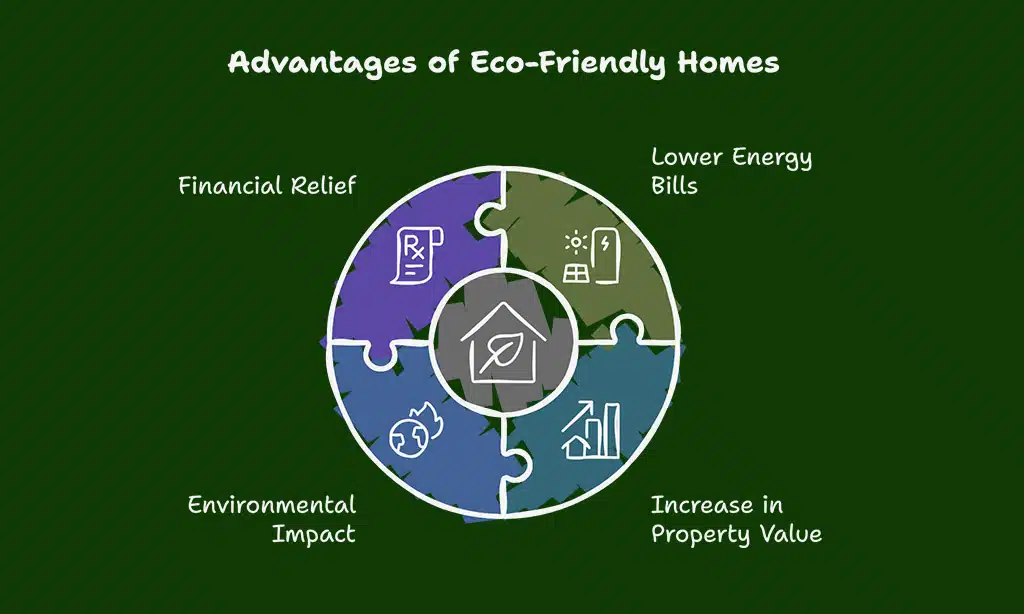
Benefits of Tax Breaks for Homeowners
| Benefit | Description |
| Lower Energy Bills | Investing in renewable energy sources reduces reliance on the grid, leading to long-term cost savings. |
| Increase in Property Value | Homes with green features attract higher resale values and greater market demand. |
| Environmental Impact | Lower carbon emissions contribute to Australia’s net-zero goals and overall sustainability. |
| Financial Relief | Homeowners can claim deductions and rebates that offset upfront costs, reducing financial strain. |
Who Is Eligible for Eco-Friendly Tax Incentives?
Eligibility for tax breaks for eco-friendly homeowners in Australia varies by state and program. Common criteria include:
- Owning or renting a residential property
- Installing government-approved energy-efficient systems
- Meeting income and expenditure thresholds for specific grants
- Compliance with energy efficiency standards for rebates
Top 10 Tax Breaks for Eco-Friendly Homeowners in Australia
As more Australians look for ways to reduce their environmental footprint, the government has stepped up efforts to encourage green home upgrades. A range of financial incentives, rebates, and tax credits are available to homeowners who invest in energy-efficient solutions.
By taking advantage of these tax breaks, you can significantly lower the costs of transitioning to a more sustainable lifestyle while also improving your home’s efficiency and value.
In this section, we explore the top ten tax breaks designed to support eco-conscious homeowners, making it easier to adopt renewable energy, conserve resources, and benefit from long-term savings.
1. Solar Panel Rebates and Tax Credits
Solar panels are one of the most popular eco-friendly upgrades, and tax breaks for eco-friendly homeowners in Australia make installation more affordable.
With generous government rebates, transitioning to solar power is now more financially feasible than ever. Solar panels not only reduce dependency on traditional electricity but also allow homeowners to sell excess energy back to the grid.
Available Incentives:
- Small-scale Renewable Energy Scheme (SRES): Generates Small-scale Technology Certificates (STCs) that can be traded for financial benefits.
- State Solar Rebates: Additional state-level incentives such as the Victoria Solar Homes Program, which offers rebates up to $1,400.
- Feed-in Tariff Programs: Homeowners can sell excess electricity back to the grid and receive compensation.
| Incentive | Benefit |
| SRES | Reduces the cost of solar panel installation through STC trading. |
| State Rebates | Offers financial assistance to cover installation costs. |
| Feed-in Tariffs | Provides homeowners with compensation for excess solar energy supplied to the grid. |
How to Claim:
- Apply for STCs through registered agents.
- Submit proof of purchase to relevant state rebate programs.
- Register with local energy providers for feed-in tariffs.
2. Battery Storage Incentives
Battery storage systems help homeowners maximize solar energy use, allowing them to store excess power for use during peak times or outages.
Tax breaks for eco-friendly homeowners in Australia encourage their adoption by making these systems more affordable. These incentives help offset the cost of expensive battery units, making renewable energy more accessible.
Key Benefits:
- Home Battery Scheme (SA): Up to $3,000 off eligible battery storage systems.
- Solar Battery Rebate (VIC): Homeowners can claim up to $4,174.
- Grid Independence: Reduces reliance on traditional electricity, leading to greater energy savings.
| Incentive | Benefit |
| Home Battery Scheme | Reduces battery costs for South Australian residents. |
| VIC Battery Rebate | Provides a rebate for eligible battery systems, reducing initial investment costs. |
Claiming Process:
- Install government-approved battery storage.
- Apply through the state’s renewable energy program.
- Submit required documents, including purchase invoices and installation certificates.
3. Energy-Efficient Home Improvement Deductions
Tax breaks for eco-friendly homeowners in Australia also cover energy-efficient home upgrades, including insulation, efficient appliances, and LED lighting.
Making these upgrades improves home comfort, lowers energy bills, and contributes to overall sustainability.
Eligible Improvements:
- Roof and wall insulation
- High-performance glazing
- Smart thermostats and lighting
| Energy-Efficient Upgrade | Benefit |
| Insulation | Reduces heating and cooling costs. |
| Smart Thermostats | Automatically adjust temperature for energy efficiency. |
| LED Lighting | Consumes less power compared to traditional lighting. |
How to Benefit:
- Claim deductions under capital works expenses for rental properties.
- Use state programs for individual homeowner rebates.
- Apply through federal energy-saving initiatives.
4. Solar Hot Water System Rebates
Switching to solar hot water reduces reliance on fossil fuels, making it eligible for tax breaks for eco-friendly homeowners in Australia.
These systems significantly lower water heating costs and reduce overall energy consumption.
Incentives:
- Small-scale Technology Certificates (STCs): Available for solar water heating, similar to solar panels.
- Victorian Solar Hot Water Rebate: Up to $1,000 per household.
| Incentive | Benefit |
| STCs | Reduces the cost of solar hot water systems. |
| Victorian Rebate | Provides financial assistance for solar water heating. |
How to Claim:
- Purchase an eligible system.
- Register with the Clean Energy Regulator.
- Apply for available state rebates.
5. Electric Vehicle (EV) Home Charging Tax Benefits
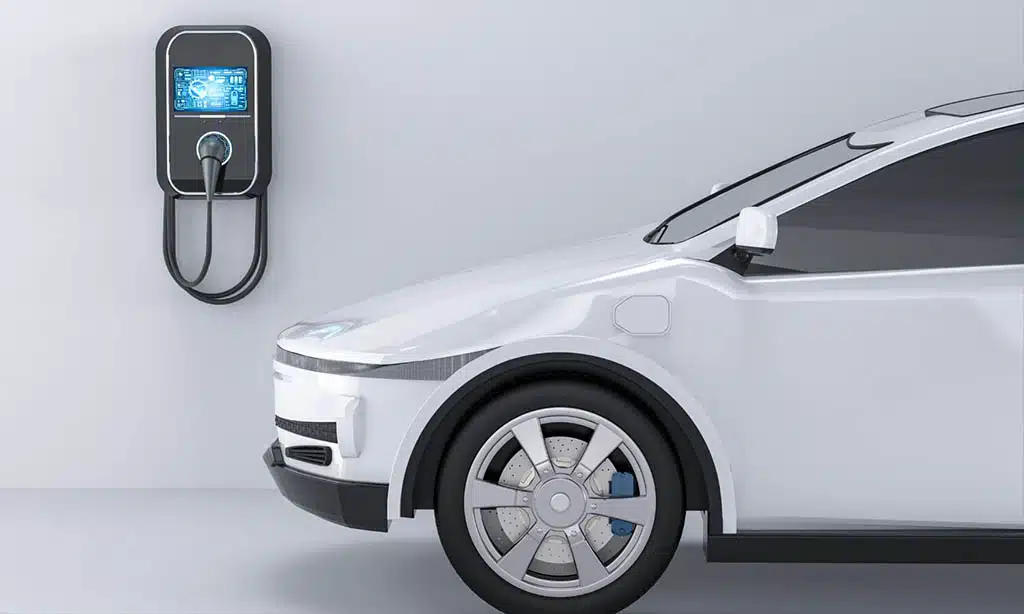
As electric vehicles (EVs) gain popularity, many homeowners are installing charging stations at home. Tax breaks for eco-friendly homeowners in Australia extend to EV charger installations, reducing the cost of adopting clean transportation.
Available Incentives:
- EV Charger Installation Rebates: Various states offer rebates covering installation costs.
- Fringe Benefits Tax (FBT) Exemption: Employers providing EV chargers can claim tax deductions.
| Incentive | Benefit |
| EV Charger Rebate | Reduces costs of installing home EV charging stations. |
| Fringe Benefits Tax Exemption | Allows businesses to deduct EV charger expenses. |
How to Claim:
- Install an eligible EV charger.
- Apply for state and federal deductions.
- Maintain receipts for tax reporting.
6. Green Home Loan Interest Deduction
Financial institutions in Australia offer green home loans with lower interest rates for sustainable home improvements. These loans encourage homeowners to invest in eco-friendly upgrades while enjoying financial benefits.
Key Benefits:
- Lower Interest Rates: Some banks offer preferential rates for green renovations.
- Energy Savings: Reduced energy costs help offset loan repayments.
| Bank/Institution | Loan Features |
| Commonwealth Bank | Clean Energy Home Loan with low rates. |
| ANZ & NAB | Green loans with flexible terms. |
Claiming Process:
- Apply for a green home loan from a participating bank.
- Use funds for approved eco-upgrades.
- Submit documents for potential tax deductions.
7. Sustainable Property Depreciation Benefits
Landlords and homeowners can claim tax depreciation on eco-friendly property improvements, reducing taxable income while enhancing property value. These deductions help offset the initial investment costs of sustainable upgrades, making it more affordable for property owners to go green.
Additionally, improvements such as energy-efficient lighting and HVAC systems can provide long-term savings on energy bills, further enhancing financial benefits.
Eligible Deductions:
- Solar panels and battery storage
- Energy-efficient insulation
- Water-saving systems
| Improvement | Depreciation Benefit |
| Solar Panels | Claimable over time |
| Rainwater Tanks | Eligible for deductions |
8. Water Conservation Rebates
Water conservation rebates support homeowners in installing rainwater tanks, greywater systems, and other water-efficient fixtures. These incentives help reduce household water consumption, leading to lower utility bills and a more sustainable lifestyle.
Additionally, many local governments provide extra rebates for installing smart irrigation systems and drought-resistant landscaping solutions.
Incentives:
- Rainwater Tank Rebate (VIC, NSW, SA): Up to $500 for eligible households.
- Smart Water Rebates: Discounts on water-efficient appliances.
| Incentive | Benefit |
| Rainwater Tank Rebate | Reduces cost of installing tanks. |
| Smart Water Rebates | Discounts on efficient water systems. |
9. Carbon Offsetting and Tax Deductions
Homeowners investing in carbon offset programs can claim tax deductions for supporting certified offset initiatives. These deductions help offset the costs associated with reducing carbon footprints, making sustainability efforts more financially viable.
Additionally, businesses and individuals contributing to environmental conservation can enjoy long-term tax benefits while actively promoting green initiatives.
How It Works:
- Donations to accredited offset projects are tax-deductible.
- Businesses integrating offsets in sustainability plans can claim additional deductions.
| Offset Program | Benefit |
| Carbon Neutral Certification | Reduces taxable income while helping the environment. |
| Green Energy Contributions | Eligible for deduction. |
10. Renewable Energy Certificates (RECs) and Trading Schemes
Homeowners generating excess solar energy can trade Renewable Energy Certificates (RECs) for financial benefits. These certificates represent proof of renewable energy generation and can be sold to entities looking to offset their carbon footprint.
By participating in the REC market, homeowners not only contribute to a greener grid but also earn financial incentives that help recoup their initial solar investments.
Key Benefits:
- Sell excess energy credits to energy companies.
- Earn returns on renewable energy investments.
| Program | Benefit |
| STCs | Tradable for financial gain. |
| LGCs | Reward large-scale renewable production. |
How to Claim:
- Register your renewable system with an energy provider.
- Trade certificates for financial returns.
Takeaways
Tax breaks for eco-friendly homeowners in Australia provide a win-win scenario—helping homeowners save money while contributing to a sustainable future. From solar panel rebates to energy-efficient home improvements, there are numerous ways to benefit.
By taking advantage of available incentives, homeowners can reduce costs, lower their carbon footprint, and increase their property’s value.
Are you ready to make your home more sustainable? Start exploring your eligibility for tax breaks and rebates today!