

Many in Romania face slow deliveries and steep fuel bills. They sit in traffic jams and wonder if things can improve.
Self-driving vans could cut delivery costs by 40%. We share six innovations to ease delays and lower bills. You will learn how EU funds and the RRF can speed these shifts. We cover more charge points, next-gen electric powertrains, road coils for fast top-ups, lighter frames, green haulage, and a 3D border model.
These steps boost digital transformation and greener transport. Read on.
Key Takeaways
- Officials will install 6,500 EV chargers by the end of 2026 with RRF funds and solar storage at key hubs.
- Self-driving vans on highways and rural roads will cut delivery costs by 40 percent in current tests.
- IoT sensors, wheel accelerometers, and thermal scanners will spot engine or brake faults early and trim downtime.
- Freight firms will use hydrogen, biodiesel, methanol blends, and electric powertrains to slash CO₂ emissions and fuel bills.
- Pilot roads in Bucharest will charge EVs wirelessly under asphalt to cut congestion by 50 percent, and a digital twin at Nadlac will shrink border waits from 12 hours to minutes.
Expansion of EV Charging Infrastructure
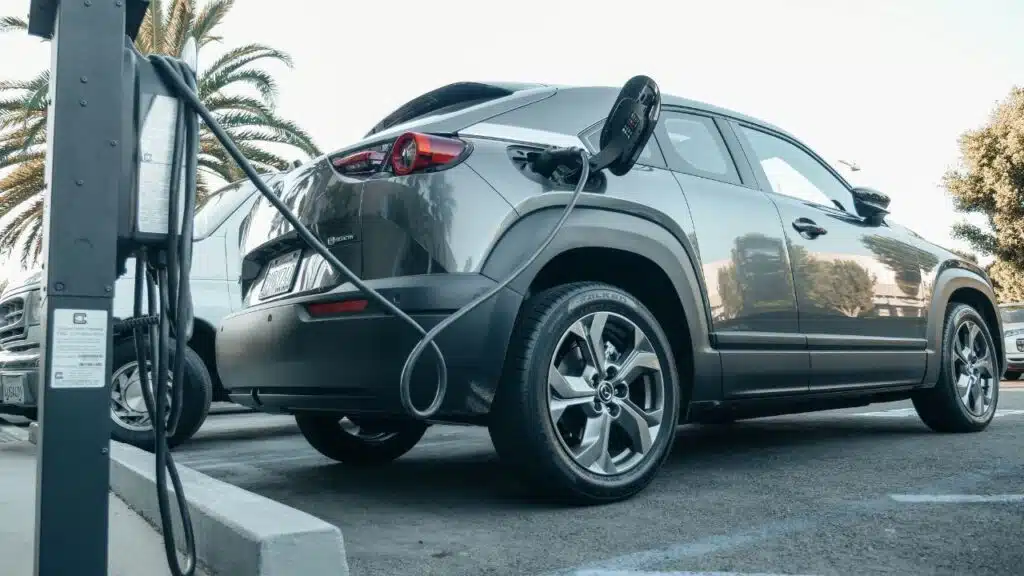
Officials adopted government funding programs from the Recovery and Resilience Facility (RRF). They will roll out 6,500 electric vehicle chargers by the end of 2026. Charging points will rise along highways, at rail freight yards and at logistics hubs handling general cargo.
Freight forwarding firms will plan routes with these stations in mind. Apps will guide drivers to the nearest slot in real time. Payment platforms will let fleets top up with a tap.
Energy storage systems will store solar power at busy nodes. Grants will lower costs for station builders and for operators.
This effort will boost Romania’s economy and aid emissions regulations across the European Union. Fleet managers will track usage through crowdsourced data and performance metrics.
Solar roofs at stations will cut carbon footprints and improve air quality in city centers. Drivers of self-driving cars can plan stops without range anxiety. Local tech teams will integrate charging nodes into map services.
This push brings more sustainable technologies to every highway exit.
Integration of Autonomous Vehicle Technology
Romania tests autonomous vehicle technology on highways. Some trucks run in testing phases this year. Sensors, cameras, radar, GPS guide the vehicles. AI and the internet of things connect them to a data analytics platform.
Operators track asset health with predictive analytics. This tech cuts delivery costs by up to 40 percent. Fleets link these systems to fleet management software now. Self-driving vehicles steer trucks into charging hubs and docks.
Major cities plan passenger shuttles that drive themselves. Electric vehicles paired with autonomous features serve short routes. This move fits green fuel policies in the Schengen area.
Firms align with government policies on sustainability. That step reshapes logistics services and freight legs. It boosts the Romanian economy and cuts fuel consumption. Companies run pilots on rural roads next year.
Civil society organisations praise lower crash risk.
Data-Driven Predictive Maintenance
IoT trackers watch engine pulses and brake heat. They send data to a central cloud network, where machine learning flags odd patterns fast. Accelerometers inside wheel bearings and thermal scanners on brake pads spot early trouble and predict mechanical issues.
Maintenance crews fix loose parts before they fail.
That approach cuts downtime, and it extends part lifespans. Logistical crews use predictive maintenance for strategic planning, trimming risks, and smoothing cargo and air freight schedules.
Fleets with EVs save on human resource costs and salary shocks, as planned fixes beat emergency repairs. The move fits environmentally friendly goals, as fewer breakdowns on highways mean less diesel burn.
Eco-Friendly Solutions for Heavy Freight
Carriers treat their rigs like eco-warriors, fitting them with renewable fuel and drivetrains to cut carbon output. They tap telematics, sensors, and energy converters to cut costs, speed up delivery, and change the freight game.
Adoption of green fuels
Green fuels spark a fresh start in freight. Companies adopt hydrogen, biodiesel and methanol blends to power big rigs. This shift aligns with strict emissions regulations, cuts CO2 and follows macroeconomic forecasts that boost clean energy.
A fleet operator said, “Our rig hummed like a kitchen mixer, not a diesel beast.” This anecdote shows new mindsets on the road.
Logistics teams optimize routes to match refuel hubs. They plan stops and loads to keep trucks rolling. Electric vehicles (EVs) and autonomous vehicles grab headlines, but heavy haulers rely on green fuels now.
Leadership tweaks salaries to lure drivers into these eco-friendly trucks. The move feels ecological and drives smarter transport.
Electrification of freight vehicles
Electric freight vehicles swap diesel burners for electric powertrains. Heavy lithium-ion batteries store juice, managed by a battery management system. This shift cuts carbon emissions and trims fuel use.
Fleets see big drops in upkeep and fuel costs.
Companies test these rigs on busy routes, fitting them with fast charging stations. Drivers plug in at depots, then hit the road without a drop of diesel. They zip past idling diesels, grinning at the quiet hum.
This new tech cleans city air and saves cash.
Lightweight Materials in Vehicle Manufacturing
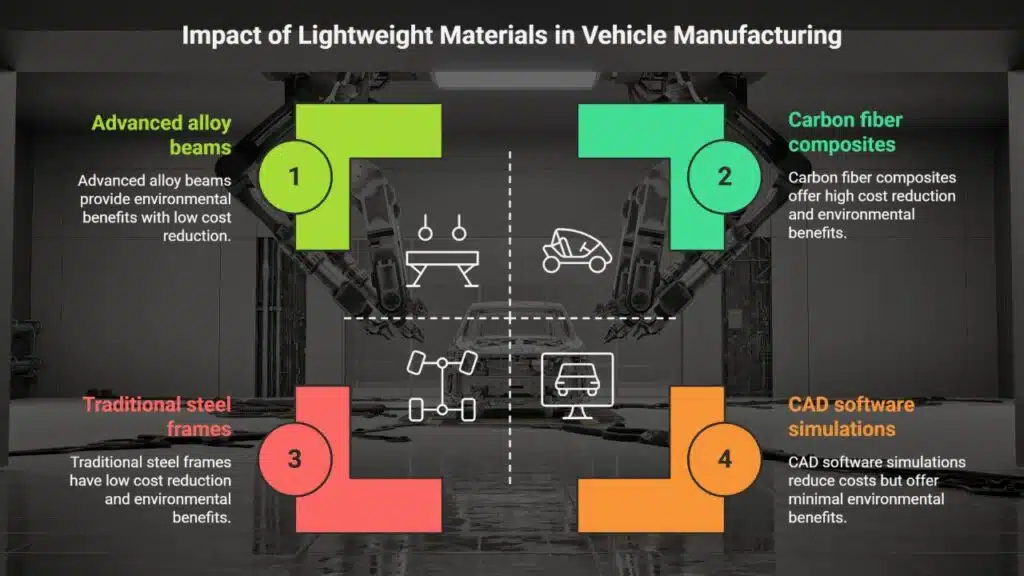
Carbon fiber composites find use in modern frames. Makers shape advanced alloys into beams and panels. It feels like swapping a backpack of bricks for a feather bag. A car with less mass can go farther on a tank.
These tweaks lift fuel economy and cut CO2 output.
Designers use CAD software and finite element analysis to test each part. A simulation program spots weak spots before production. That cuts prototyping time and trims costs. Automakers roll out efficient models faster.
Wireless Charging Roads
Charging coils now sit under asphalt. They power EV batteries by magnetic induction. The setup works as cars drive over them. Parked cars can top off their batteries as well. A small EV in a video quips, “Hey, I never plug in!” That clever trick hides a power strip under the pavement.
Cities install coils to cut down on station lines. Smart grid sensors talk to cars for smooth charging. A pilot road in Bucharest shows fewer idle trucks. Drivers smile as they skip long waits at charging stations.
Officials hope this method curbs congestion by 50 percent. Tests also feed data to IoT devices for better planning.
Implementation of Digital Twin Technology for Border Crossings
Nadlac stands as the main access point to Central Europe. Engineers build a digital twin of the checkpoint. The model mirrors roads, booths, and lanes. It links network sensors, a learning engine, and spatial scan data.
Traffic flows show on a view panel. Customs officers watch real-time queues, tag delays, and send instant alerts. The system cuts stall times from 12 hours to minutes and saves billions each year.
Supply teams track goods with 3D route paths. Cross-border partners share model data to sync loads and speed transit.
Takeaways
Romania’s roads are alive with change as new electric chargers stretch from Bucharest to Brasov. Self-driving vans slash delivery bills by forty percent. Smart sensors flag worn parts early, so trucks skip surprise breakdowns.
Green fuels, electric powertrains and advanced batteries curb fumes on busy routes. Lightweight carbon blends drop vehicle weight, boosting power and range. Coils under the road juice up EVs as they drive.
A virtual twin at the border cuts wait from hours to minutes. These clever moves keep wheels turning, costs low and skies clear.
FAQs
1. What are the six innovations reshaping Romania’s transportation sector?
They test self-driving vans in city streets, roll out smart traffic lights that talk to cars, expand charging hubs for electric autos, switch to mobile boarding passes, use unmanned aerial vehicle parcel drops, and upgrade the urban rail network for smoother rides.
2. How do smart traffic lights cut wait times and jams?
Sensors in each light read traffic flow, they chat with vehicles, and they hand out green waves so you roll through, not stop and go.
3. Will mobile tickets make my daily commute easier?
Yes, you tap your phone to board, no paper chase, no lineup at booths, you just hop on and go.
4. Are unmanned aerial vehicle deliveries safe for people and streets?
They fly small packages on set paths, dodge power lines, and tests show low crash rates, it’s like a tiny mailbird doing its job.
























