For years, the relationship between digital publishers and search engines was a symbiotic, if tense, reliance on clicks for ad revenue. However, that dynamic was fundamentally shattered in mid-2024, and now, in 2026, we are finally seeing the dust settle on a transformed industry. Following Google’s AI Overview Rollout, US publishers initially witnessed a bloodbath in referral traffic, with some niches seeing declines of up to 40% almost overnight. The panic has since transitioned into strategy, as resilient media organizations have decoded the new algorithms and restructured their business models to survive—and in some cases, thrive—in an ecosystem where Google increasingly attempts to keep users on its own results page.
Understanding how these publishers are recovering that traffic, and more importantly, direct user engagement, is essential for any media professional looking to survive the late 2020s. To bring you the most accurate and actionable insights, we have analyzed the 2026 media landscape, focusing on structural shifts rather than temporary SEO hacks.
Our Selection Criteria
To provide you with a high-integrity roadmap for recovery, we filtered our findings through specific criteria that prioritize sustainability, authentic user connection, and revenue diversification.
-
Verifiable Metrics: We prioritized recovery strategies backed by demonstrable, YoY (Year-over-Year) growth in referral or direct traffic from mid-2025 to 2026.
-
AEO (Answer Engine Optimization) Success: Evidence that the strategy specifically addresses visibility within AI Overview citations or other rich snippets.
-
Direct-to-Consumer Growth: Prioritizing strategies that reduce long-term reliance on any single search intermediary.
-
Revenue Impact: The strategy must correlate not just to “vanity metrics” of traffic, but to improved ad yield, subscriptions, or affiliate conversions.
Understanding these criteria is crucial for media executives and editors looking to contextualize the following data points against their own organizational health.
Whom This Media Blueprint is For
This operational breakdown is specifically designed for US-based digital publishers, content strategists, SEO directors, and media executives who are currently navigating a post-AI search environment.
With the selection process clear and the target audience identified, let’s explore the vital facts defining how publishers are reclaiming their visibility and their audiences.
8 Pivotal Realities: How US Publishers Are Reclaiming Visibility After Google’s AI Overview Rollout
The initial shock of Google’s AI Overview Rollout gave way to a sophisticated, data-driven restructuring of digital content. The publishers who are winning today are the ones who shifted from passive reliance to aggressive diversification and content superiority.
Moving from keyword-stuffing to absolute authority was the first massive tactical shift that led to visible recovery.
1. Information Gain Became the New Primary Ranking Factor
Simply rephrasing existing information, which was the backbone of legacy SEO, no longer works; Google’s AI can do that faster and better. In 2026, traffic recovery is directly linked to “Information Gain”—the concept that a piece of content must add new, verifiable data, unique quotes, or original analysis to the topic. AI Overviews prioritize citing sources that contribute novel insights rather than those that simply summarize the existing consensus.
Best for: Outranking generic content and securing citations within AI-generated answers.
Why We Chose It:
-
It is the single biggest algorithm shift that separates AI-vulnerable content from human-valuable content.
-
Directly improves brand authority and long-term user trust, which search engines recognize.
Things to consider: It requires deep-domain expertise and proprietary research, drastically increasing the cost of content production.
While authority is the goal, how that authority is formatted is the second critical fact in securing Google’s citations.
2. Strategic “Answer Block” Formatting Secured Critical Citations
Publishers have recovered significant visibility by optimizing content specifically to be ingested by Google’s Retrieval-Augmented Generation (RAG) models. This involves formatting key insights into concise, “answer-ready” blocks of 40-60 words immediately after a heading. These blocks do not require users to click, but they drastically increase the likelihood of being featured as a “Capped Citation” link within the AI Overview itself.
Best for: Reclaiming standard SERP (Search Engine Results Page) click-through rates (CTR) by being the definitive source for the AI’s summary.
Why We Chose It:
-
It is the most efficient technical “hack” that directly addresses the new AI Overview UI (User Interface).
-
Proves that “less is more” in securing visibility within crowded, AI-summarized results.
Things to consider: There is a risk that this increases “zero-click” searches, though data shows the accompanying citation link maintains high-intent clicks.
Following the formatting, publishers recognized that personal experience was the only thing AI could not truly fake.
3. The Obsessive Rise of Hyper-Personalized “EEAT”
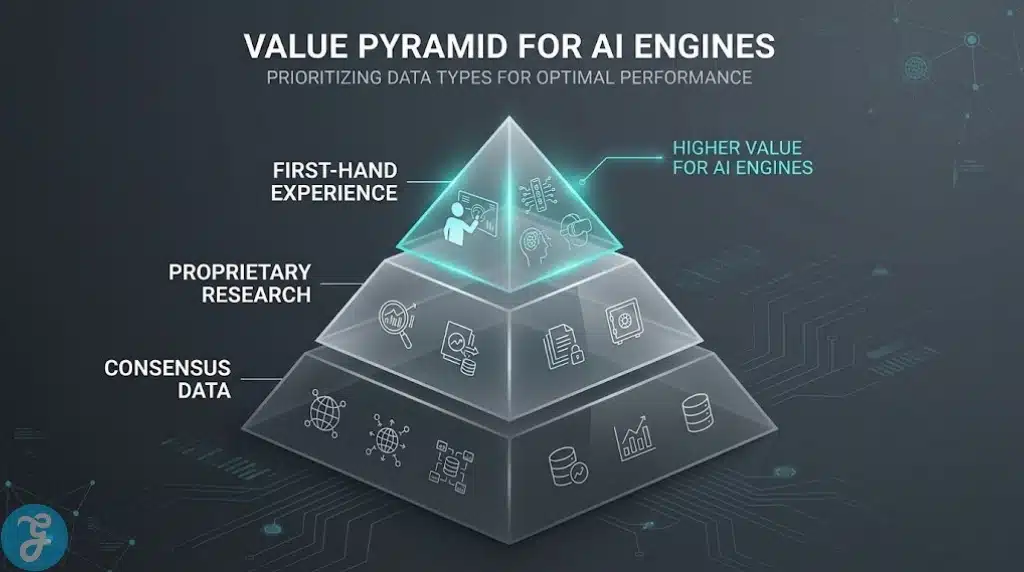
The already-present E-E-A-T (Experience, Expertise, Authoritativeness, Trustworthiness) criteria were turbocharged following the rollout. Recovery is fastest for publishers that lean obsessively into “Experience.” Content now must be dripping with firsthand verification—whether that is a product review using proprietary testing labs or a travel guide written by someone with a 10-year residency in the location.
Best for: Protecting high-value affiliate and commerce revenue, where user trust dictates conversion.
Why We Chose It:
-
It utilizes the one element of the content pipeline that large language models (LLMs) cannot ethically or authentically replicate: human experience.
-
Builds powerful, emotional loyalty with the user that transcends standard SEO.
Things to consider: Verifying the “experience” of a decentralized team of contributors requires a robust, potentially expensive editorial vetting infrastructure.
Beyond personal experience, publishers have discovered that Google still values community interaction.
4. “Hidden Gem” Revival: Community and Forums Are Safe Harbors
One of the more interesting algorithmic updates following Google’s AI Overview Rollout was the increased visibility of “Hidden Gems”—ugc (user-generated content) and forum discussions. Publishers that maintain robust, expert-moderated community sections or Q&A forums are seeing a massive resurgence in traffic, as Google often prioritizes these “real-person” perspectives over polished articles.
Best for: Driving high-volume, long-tail traffic and fostering an active, loyal user base that generates its own content.
Why We Chose It:
-
It validates the long-term value of a highly engaged, niche community as a ranking signal.
-
Google uses these sections to add a layer of “human authenticity” that its own AI cannot produce.
Things to consider: Moderating a forum or comment section requires significant resources to prevent spam and maintain quality, which can be expensive to scale.
While Google-specific tactics work, the most significant fact about recovery is the shift away from Google entirely.
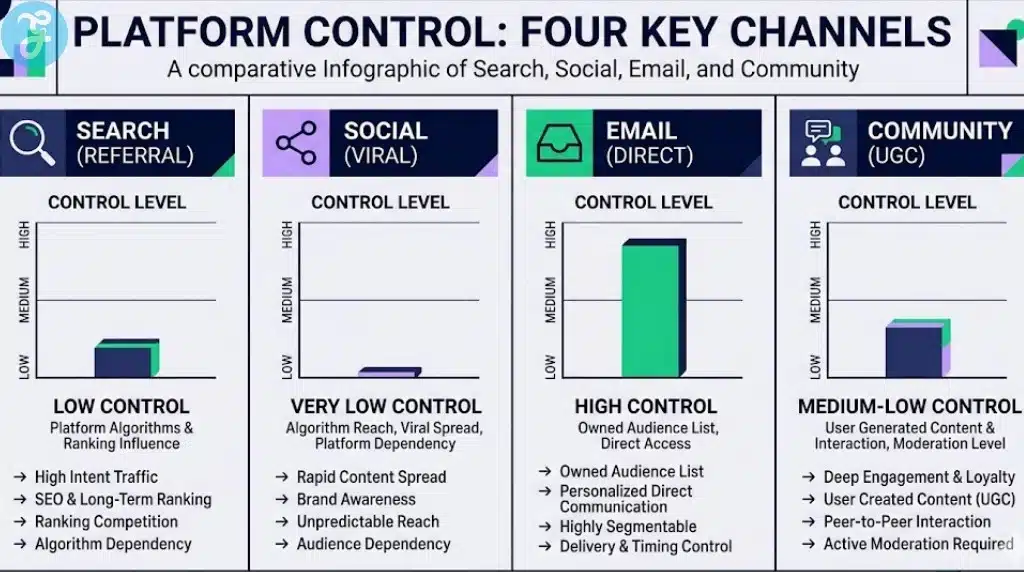
5. Email Newsletters Transitioned from Retention to Primary Growth
The initial Google’s AI Overview Rollout forced publishers to face the fact that they did not own their audience. In 2026, the most resilient recovery isn’t just about search visibility; it is about subscription growth. Publishers have pivot towards using search traffic not to get an ad click, but to secure an email address. A robust newsletter list is now viewed as the most critical asset for long-term traffic stability, allowing publishers to drive revenue completely on their own terms.
Best for: Building a stable, predictable recurring traffic source that is entirely intermediate-proof.
Why We Chose It:
-
It is the ultimate hedge against any future algorithmic changes by major search or social platforms.
-
Directly increases the Lifetime Value (LTV) of a user far beyond a single ad impression.
Things to consider: Building a list is slow, and maintaining high open rates requires consistent, high-value content that users proactively want to receive.
Once the connection is secured via email, publishers must leverage multi-modal content to maintain engagement.
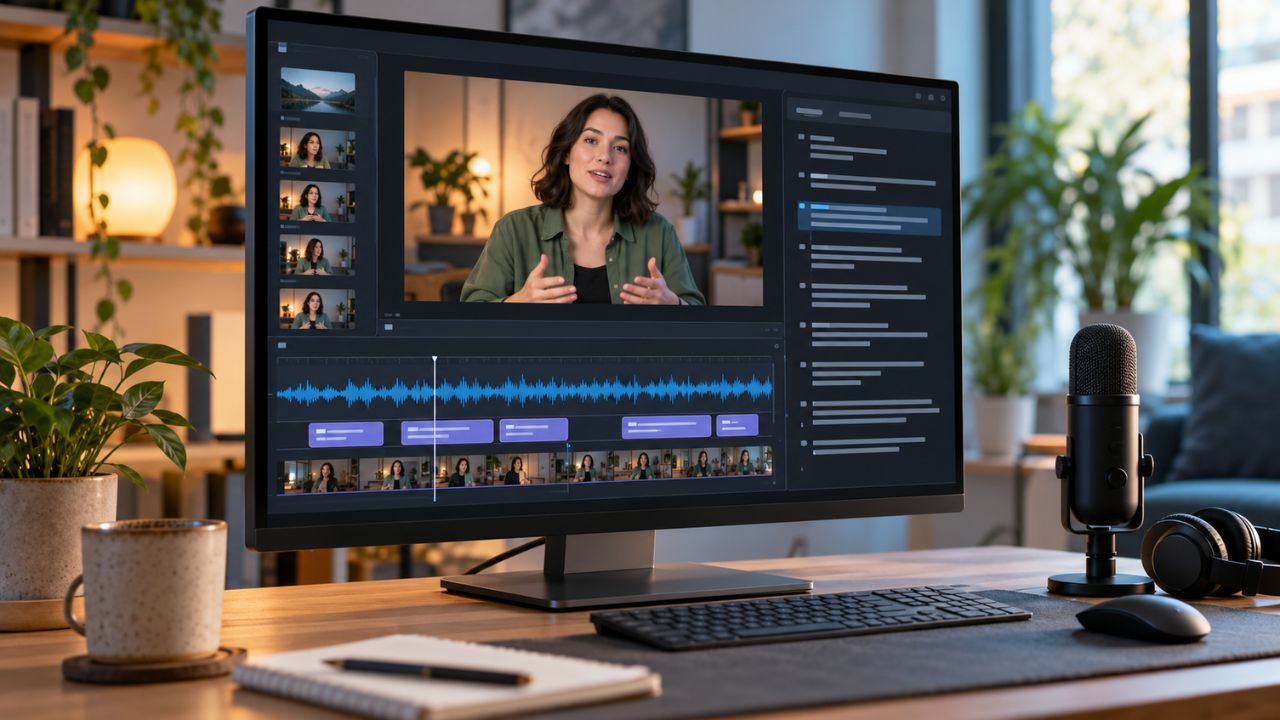
6. Multi-Modal Diversification (Video and Audio) for GEO
Understanding Generative Engine Optimization (GEO) requires moving past just text. The publishers recovering most effectively are leveraging video (YouTube, TikTok) and audio (Podcasts) to build topical authority that AI engines cite. An article about “Best Financial Apps” now must have an accompanying, embedded video review and a related podcast segment to be seen as the definitive authority by Google’s multi-modal indexing bots.
Best for: Reaching younger demographics and capturing visibility within vertical search, not just text results.
Why We Chose It:
-
It acknowledges that user preferences have shifted irrevocably toward video and interactive formats.
-
Builds a multi-touchpoint brand experience that deepens the relationship with the audience.
Things to consider: Production costs for high-quality video and audio are significantly higher than traditional written content.
This multi-modal approach naturally leads to the next fact: the rise of the specialized niche publisher.
7. The “End of the Generalist” and the Boom of Niche Dominance
Recovery has been near-impossible for generalist websites that cover “a bit of everything.” Conversely, hyper-niche publishers who dominate a single, specialized topic (e.g., only reviewing e-bikes or only covering the tax code for remote workers) are winning massive traffic. Google’s AI trusts these deep-vertical hubs more, prioritizing their technical specificity over the surface-level coverage of a major news outlet.
Best for: Small, agile editorial teams that want to dominate a highly competitive, high-intent audience.
Why We Chose It:
-
It proves that expertise and depth are now more valuable than broad-scope visibility.
-
Aligns perfectly with programmatic advertising, where advertisers pay a premium for specific, high-conversion audiences.
Things to consider: Scalability is limited, and your organization becomes highly vulnerable if that single niche undergoes a regulatory or economic shift.
Finally, the most uncomfortable truth regarding recovery is the acceptance of a new business model.
8. The Acceptance of “Lower Traffic, Higher Value” Models
The final fact about traffic recovery is a paradigm shift: many publishers are not recovering volume, but they are recovering value. They have accepted that they will never see the massive, generic traffic numbers of 2023. Instead, they are focusing on high-intent, lower-volume keywords that have a much higher conversion rate for affiliate or subscription products. The focus is no longer on ad impressions but on maximizing the dollar value of every single visit.
Best for: Organizations with a direct monetization model (commerce, subscription, leads) rather than those relying solely on programmatic ads.
Why We Chose It:
-
It is the single most sustainable approach to digital media in the AI era.
-
Directly encourages the creation of higher-quality, more expensive content because the monetization justification is present.
Things to consider: It may require a difficult conversation with editorial teams accustomed to chasing massive, viral traffic numbers.
To help you digest these distinct recovery strategies, a side-by-side comparison reveals where your organization should focus its resources.
An Overview Of the Traffic Recovery Methods Post-Google’s AI Overview Rollout
The current digital landscape requires a multi-pronged strategy that balances immediate search technicalities with long-term brand equity.
Overview Comparison Table
| Recovery Strategy | Effort Level | Time to ROI | Primary Goal | Cultural Shift |
| Information Gain | High | Medium (6-12 Months) | Authoritative Citations | Obsessive Originality |
| Answer Blocks | Medium | Short (1-3 Months) | SEO / CTR Reclaim | Precise Formatting |
| Hyper-EEAT | Very High | Long-term (1 Year+) | Trust & Conversion | Verifiable Experience |
| Forum/Community | Very High | Medium (6-12 Months) | Long-tail UGC Traffic | Active Moderation |
| Email Subscriptions | High | Long-term (1 Year+) | Owned Audience / Rev | Direct Connection |
| Video/Multi-modal | High | Medium (6-12 Months) | GEO Visibility | Content Versatility |
| Niche Dominance | Medium | Medium (6-12 Months) | Topical Authority | Strict Specialization |
| High-Value Model | High | Short (3-6 Months) | Revenue / Conversion | Monetization Focus |
Analyzing this table naturally points toward specific initial steps for any struggling organization.
Our Top 3 Picks and Why?
While all eight strategies are effective, these three represent the most critical investments your organization can make right now:
-
Email Newsletters: Because it is the ultimate risk mitigation strategy. Owning your audience is no longer optional; it is mandatory for media survival.
-
Information Gain: Because you cannot “hack” the AI algorithm anymore. The only long-term defense is producing content that is demonstrably and undeniably better than what AI can create.
-
Hyper-Personalized EEAT: Because human experience is the “safe harbor” that AI will struggle to replicate authentically, directly protecting your highest-converting traffic.
Turning these insights into action requires a clear, step-by-step approach to auditing your current assets.
How to Choose the Right Strategy for Recovering Traffic on Your Site by Yourself?
Not all of these strategies will apply to every organization; you must audit your current capabilities before committing your budget.
-
Assess your content pipeline: Do you have access to genuine subject matter experts, or are you relying on generalist writers? (EEAT Audit)
-
Audit your technical capabilities: Is your site configured for semantic SEO and schema markup that AI models can ingest? (AEO Audit)
-
Review your conversion funnel: Are you actively collecting emails at every point of entry, or just aiming for an immediate ad impression? (DTC Audit)
Before you launch a recovery plan, a final checklist will ensure your organization is structurally prepared for the shift.
The Final Checklist
Ensure you have reviewed these five foundational steps before changing your editorial or distribution strategy.
-
Have you quantified exactly which traffic segments were most impacted by the AI rollout?
-
Do you have a robust editorial vetting process to verify firsthand experience and “information gain”?
-
Is your site’s schema markup completely accurate for authors, topics, and organizations?
-
Do you have an active plan for collecting first-party data (emails) on every high-traffic page?
-
Have you updated your ad yield expectations to reflect the new lower-volume, higher-value reality?
Looking ahead, we must analyze what these changes actually signify for the future of journalism and digital media.
The End of the Mediocre Middle
As we analyze how the dust is settling two years after Google’s AI Overview Rollout, an “uncomfortable” truth emerges about the future of the digital press. The immediate traffic catastrophe of 2024 was not just an algorithmic shift; it was a necessary pruning of an industry that had grown fat on programmatic laziness. The legacy models, where “content mills” could dominate by rephrasing the same basic facts to capture massive, low-intent traffic, are definitively dead, and their subsequent traffic will never return. The publishers we observe thriving in 2026 are not those who “beat” the AI; they are those who utilized it to aggressively differentiate their own humanity.
We are seeing a polarization of the digital landscape. The “mediocre middle” is being automated into oblivion, while the high ground is being captured by hyper-niche experts, trusted investigative units, and publishers who prioritized the difficult work of building direct, ethical, and emotional relationships with their audience. True sustainability in media is no longer found in the quantity of clicks, but in the depth of connection, and that is a reality that, uncomfortable or not, ultimately benefits the consumer and the craft.
Navigating the logistics of AI search often brings up common queries among digital editors and SEO managers.
Frequently Asked Questions (FAQs) About Recovering Traffic After Google’s AI Overview Rollout
Address these common concerns helps demystify the logistics of such a profound operational shift.
Does AI Overview formatting mean I should make my content shorter?
No. It means your content should have “less fluff.” While the definitive answer blocks should be concise, the overall article should still be comprehensive and offer high-level information gain to support the conclusion and build topical authority.
Are all keywords equally affected by the AI rollout?
No. “Definition” and simple, “one-answer” queries are most affected. High-complexity, “nuance-required” queries, such as “how-to” and strategic analysis, are less affected and maintain higher CTR.
How much unique ‘Experience’ do I need to rank now?
The required “experience” is relative to the topic. For financial advice, it may require a CPA certification; for a travel guide, it requires verifiable proof (photos, specific detail) that the author personally visited the location.
Do I need a big budget for video diversification?
You need a “quality” budget, not necessarily a “massive” one. A subject matter expert talking directly to a smartphone camera with good lighting and clear audio often ranks better than high-production corporate video, provided the content adds real value.
Social media algorithms change rapidly and can reduce your visibility overnight, just like Google. When you collect an email address, you own that connection, and you control exactly how and when you reach that user.