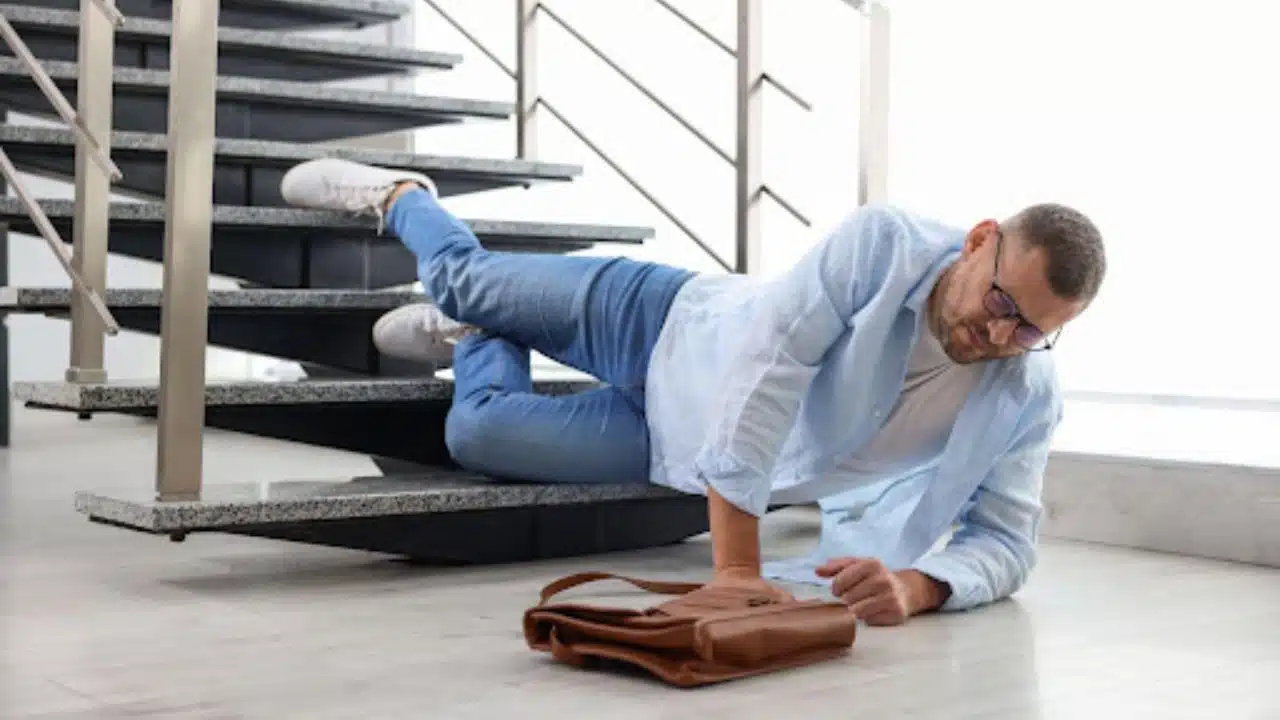
It doesn’t take much for an ordinary day to take a painful turn. A shiny lobby floor, a loose step, or a puddle no one cleaned up — all it takes is one misstep, and someone’s life changes. Slip and fall accidents might sound simple, but their legal side is anything but.
So, who’s responsible when something like this happens? And what does the law say about it? Let’s walk through it in simple terms.
Property Owners Have a Legal Duty
Every property owner — whether it’s a grocery store, an apartment complex, or an office — has a legal duty to keep their place safe for anyone who enters. This doesn’t mean they have to guarantee safety from every possible accident, but they must take reasonable steps to prevent obvious risks.
If a property owner fails to fix, clean, or warn about unsafe conditions, and someone gets injured, that’s where liability comes in. It’s not about bad luck — it’s about negligence.
How Liability Works in Slip and Fall Accidents
To prove that a property owner is legally responsible, an injured person usually needs to show four main things:
- The property owner owed a duty of care.
- They failed to meet that duty.
- That failure caused the accident.
- The accident led to real injuries or losses.
For example, if a supermarket knows about a spilled drink but doesn’t clean it or put up a warning sign, it could be held liable if someone slips and gets hurt. But if the spill just happened seconds before the fall, proving negligence might be harder.
Common Conditions That Cause Slip and Fall Accidents
Not every fall leads to a lawsuit, but many happen because of unsafe conditions that should have been fixed or marked. Hazards like wet floors, uneven tiles, or poor lighting often cause serious slip and fall accidents inside buildings. These might sound minor, but they’re the very reasons people end up with broken bones, back injuries, or worse.
Some of the most common causes include:
- Wet or freshly mopped floors without caution signs
- Torn carpets or cracked sidewalks
- Icy entrances or parking lots
- Loose handrails or uneven stairs
- Poor lighting in hallways or stairwells
A responsible property owner regularly checks for these risks and fixes them before someone gets hurt.
Why Documentation Matters
If you ever suffer a slip and fall, your first step should always be medical help. After that, documentation becomes your strongest ally. Take pictures of the area, record witness names, and keep all medical records. Property owners and insurance companies often try to deny claims by saying the injury wasn’t serious or the hazard didn’t exist.
Having solid proof makes all the difference in showing what really happened.
How a Slip and Fall Accident Lawyer Helps
Understanding your rights and building a strong case is not something most people can do alone. That’s where a slip and fall accident lawyer steps in. They know how to gather evidence, talk to witnesses, and deal with insurance companies that often try to minimize payouts.
If the accident happened in Rolling Meadows or nearby, hiring a local attorney familiar with Illinois law helps even more. They’ll know what kind of evidence courts expect and how to prove the property owner’s negligence effectively.
A Few Things Property Owners Often Get Wrong
Many owners assume that if they didn’t “cause” the hazard, they can’t be blamed. But that’s not true. The law focuses on whether they knew or should have known about the danger. Even if they didn’t see the spill or the broken tile, the court may still find them responsible if the problem existed long enough that any careful owner would have noticed and fixed it.
It’s also not enough to say, “The person should have watched where they were going.” The law recognises that people look at products on shelves, carry things, or walk in crowds — they’re not expected to spot every hazard under their feet.
Final Thoughts
Slip and fall cases remind us how one overlooked hazard can change someone’s life — and how the law steps in to make things fair. Property owners who take safety seriously not only prevent injuries but also protect themselves from costly lawsuits.
And if you’re someone dealing with the aftermath of a fall, talking to an experienced slip and fall accident lawyer could be the step that helps you understand your rights and recover what you deserve.