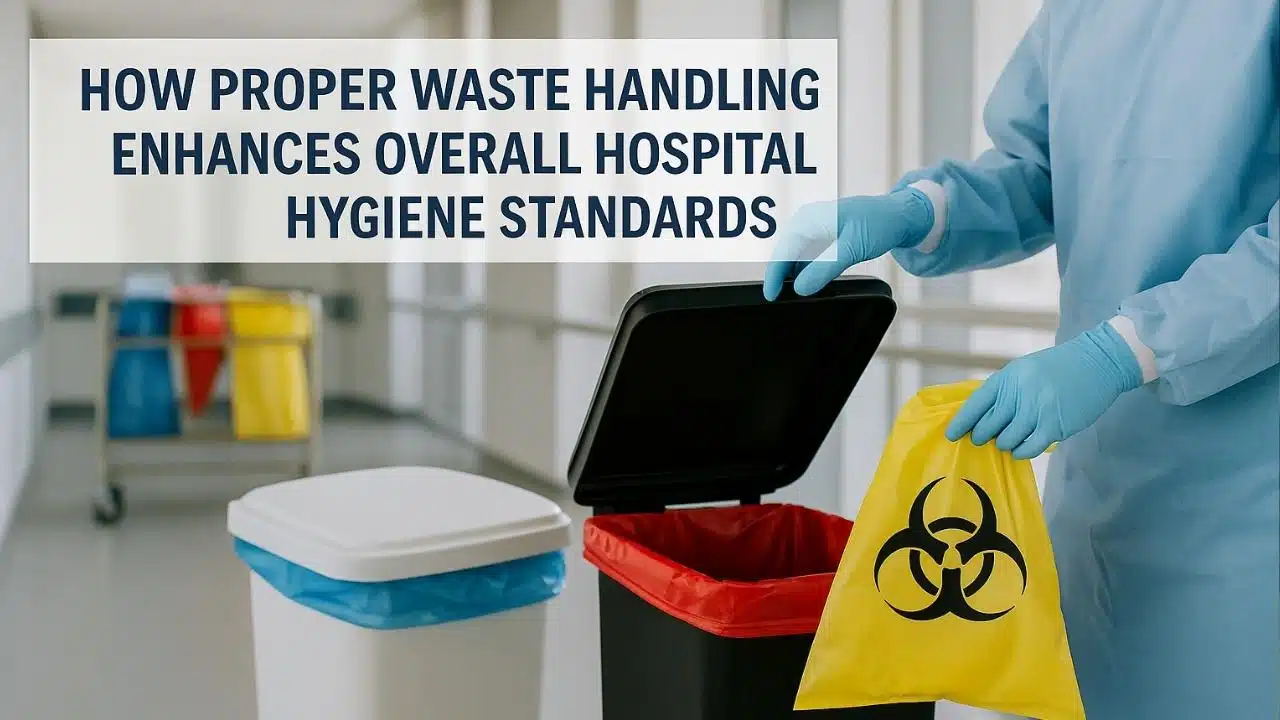
Hospitals generate thousands of pounds of waste every single day. From used bandages to expired medications, the amount of material that needs proper disposal is staggering. But here’s what most people don’t realize: how a hospital handles its waste directly impacts how clean and safe it actually is.
Poor waste management doesn’t just create unpleasant smells or messy storage rooms. It creates real health risks for patients, staff, and visitors. When waste sits too long, gets mixed incorrectly, or isn’t disposed of properly, it becomes a breeding ground for infections and contamination. This article looks at how proper waste management makes hospitals cleaner and safer, allowing everyone to focus on what matters most: healing.
Why Waste Management Matters More Than You Think?
Most people visiting a hospital never see the waste management system at work. They see clean hallways, sanitized rooms, and professional staff. What they don’t see is the complex system that operates behind the scenes to keep things that way.
Proper waste handling prevents cross-contamination between clean and dirty areas. When hospitals manage waste correctly, they create clear separation between sterile supplies like hospital surgical supplies and potentially infectious materials. This separation is critical for maintaining the type of environment in which surgeries can be performed safely and patients can recover without further complications.
Without effective waste systems, even the cleanest-looking hospital can harbor serious hygiene problems. Bacteria and viruses don’t care about appearances. They thrive in environments that allow them to spread.
The Direct Connection Between Waste and Infection Rates
Hospital-acquired infections are a major concern in healthcare facilities worldwide. These infections happen when patients pick up bacteria or viruses during their hospital stay that they didn’t have when they arrived.
Poor waste management contributes to these infections in several ways:
- Improperly disposed sharps can cause accidental needle sticks that spread bloodborne diseases
- Contaminated waste left in patient areas increases exposure to harmful microorganisms
- Overflowing waste bins create aerosols that carry bacteria through the air
- Mixed waste types prevent proper sterilization and disposal procedures
When hospitals implement strict waste handling protocols, infection rates drop measurably. Staff know exactly where to dispose of each type of waste. Bins get emptied on schedule before they overflow. Hazardous materials follow specialized disposal paths that prevent any chance of exposure.
The result is fewer patients developing complications from infections they caught in the hospital itself.
How Proper Waste Sorting Protects Everyone?
Not all hospital waste is the same. Some materials are infectious. Some are toxic. Some are radioactive. And some are just regular trash like paper and packaging.
Effective waste management starts with proper sorting at the point of disposal. Healthcare workers need clear systems that make it easy to put the right waste in the right container every single time.
Color-coded bins help staff make quick decisions even during busy shifts. Red bins for infectious waste. Yellow for chemical waste. Black for general non-hazardous trash. When everyone follows the same system consistently, contamination becomes much less likely.
This sorting also protects the people who handle waste after it leaves patient areas. Maintenance staff, waste disposal workers, and environmental services teams all face less risk when waste is properly categorized from the start.
The Role of Scheduled Waste Removal in Maintaining Cleanliness
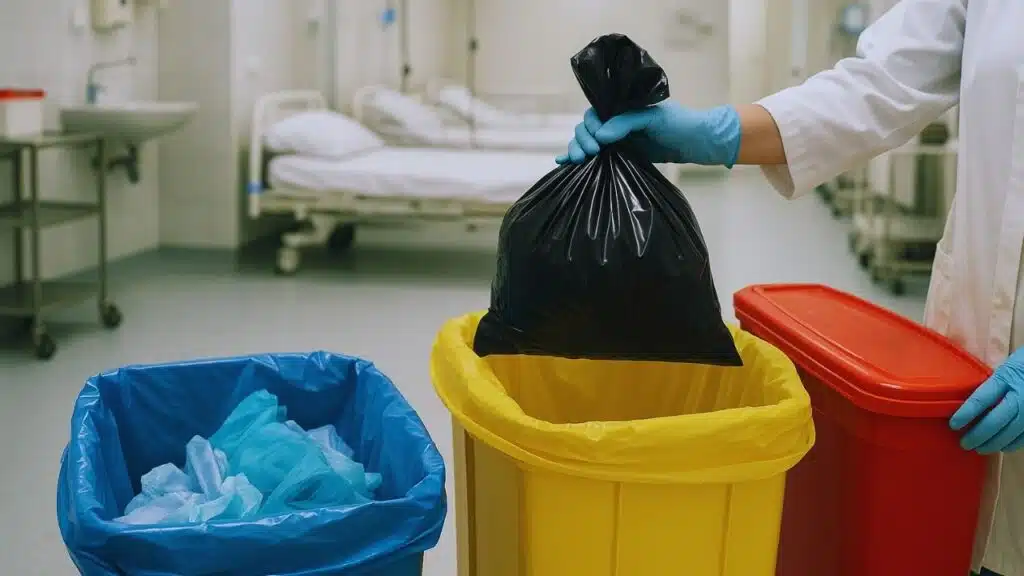
Even perfectly sorted waste creates problems if it sits around too long. Hospitals need consistent schedules for removing waste from every area of the facility.
High-traffic patient areas need waste removal multiple times per day. Operating rooms and intensive care units require even more frequent attention. Storage areas for infectious waste need climate control and regular pickup to prevent decomposition and odor.
Scheduled removal does more than just keep areas looking clean. It prevents waste from accumulating to levels where proper handling becomes difficult or dangerous. Full bins lead to overflow. Overflow leads to spills. Spills lead to contamination.
Hospitals with strong waste management protocols never let things reach that point. They remove waste before problems develop.
Training Staff on Waste Handling Creates Better Outcomes
The best waste management system in the world only works if people use it correctly. That’s why staff training is essential for maintaining hospital hygiene standards.
Every person working in a hospital should understand the basics of proper waste disposal. Doctors, nurses, technicians, maintenance workers, and administrative staff all generate waste during their workday. When everyone knows the proper procedures, the entire system functions smoothly.
Training should cover what types of waste exist, how to identify them, where they should go, and what to do if something goes wrong. Regular refresher courses keep this knowledge current as protocols evolve and new team members join.
Well-trained staff catch mistakes before they become problems. They notice when waste is in the wrong bin and correct it immediately. They understand why the protocols exist and follow them even when no one is watching.
Modern Technology Improves Waste Tracking and Management
Today’s hospitals use technology to monitor their waste management systems in real time. Sensors on waste containers alert staff when bins are getting full. Digital tracking systems record what types of waste are generated in each department and how much.
This data helps hospitals optimize their waste handling procedures. They can identify areas that produce more waste than anticipated and adjust their processes accordingly. They can spot patterns that might indicate problems with sorting or disposal.
Technology also improves compliance with regulations. Hospitals must document their waste management practices to meet health and safety standards. Digital systems make this documentation automatic and accurate.
The result is better oversight, fewer errors, and continuous improvement in how hospitals handle the materials they no longer need.
The Financial Impact of Effective Waste Management
Proper waste handling isn’t just about hygiene and safety. It also makes financial sense for hospitals operating on tight budgets.
Hospitals that sort waste correctly pay less for disposal. General trash costs much less to dispose of than hazardous medical waste. When employees properly separate these materials, hospitals avoid paying hazardous waste fees for regular garbage.
Better waste management also reduces the risk of fines and penalties from regulatory agencies. Waste handling violations are taken seriously by health departments because they have public health implications. One violation can often cost more than implementing proper procedures in the first place.
Preventing infections through better waste handling saves enormous amounts of money in extended patient stays, additional treatments, and potential lawsuits. Every infection that doesn’t happen because of proper waste management represents significant cost savings.
Takeaways
Proper waste disposal is the foundation of hospital hygiene standards. It prevents infections, protects staff and patients, ensures regulatory compliance, and even saves money. The link between how hospitals manage waste and their cleanliness and safety is clear and measurable. Hospitals that prioritize effective waste management systems foster healing environments that are free of contamination and infection risks. As healthcare facilities continue to evolve, waste management will remain a critical component of providing safe, high-quality care to every patient who walks through their doors.