Many people want to feel a strong sense of community. They wish to celebrate their culture and identity with others who share the same background. Pohela Boishakh is a perfect example of this desire in action among Bengali people.
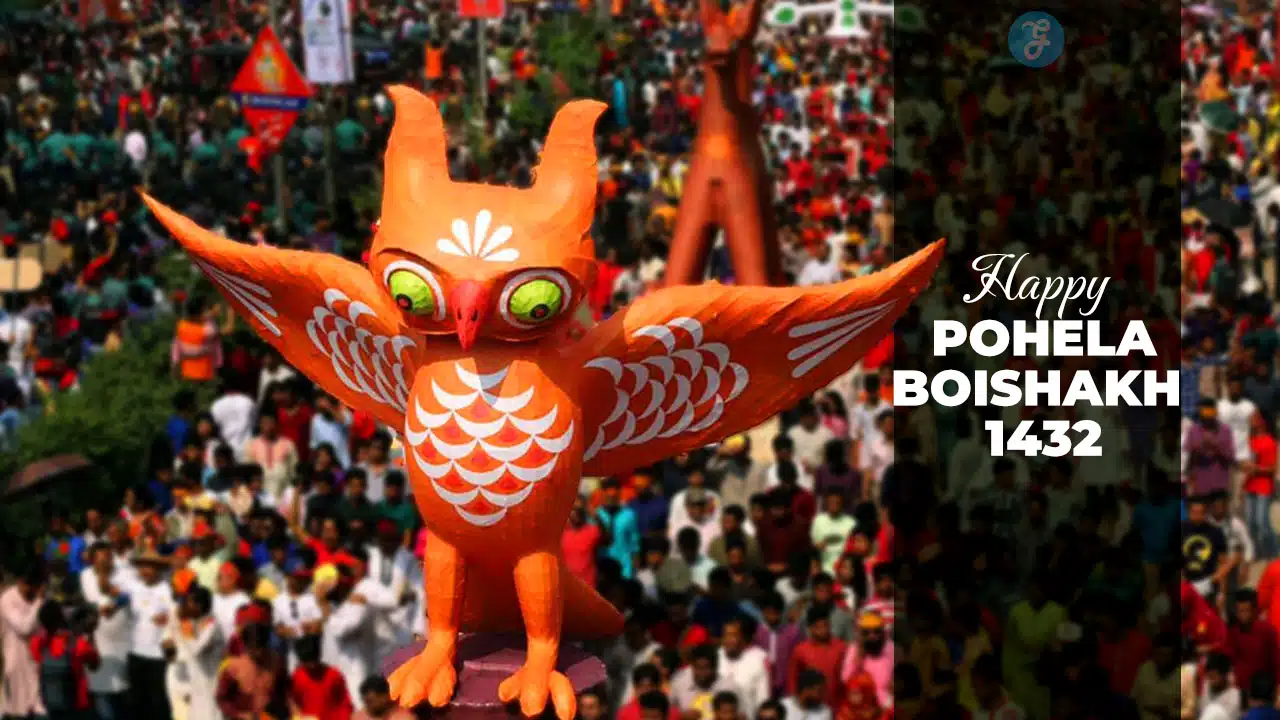
This Pohela Boishakh 1432 festival marks the Bengali New Year and brings together millions from Bangladesh and West Bengal, regardless of their religion or social status.
Pohela Boishakh is not just any celebration; it’s a day that reflects the rich cultural heritage and unity of the Bengali community. It symbolizes new beginnings, joy, and pride in Bengali traditions.
Our blog post will show you how this festival strengthens cultural bonds and promotes inclusivity. Get ready to explore how Pohela Boishakh shines a light on the beauty of Bengali culture and identity.
Keep reading!
Key Takeaways
- Pohela Boishakh 1432 is the Bengali New Year. It brings together people from Bangladesh and West Bengal.
- The festival has old roots. It started as a way for farmers to mark a new year for their crops.
- This day is about unity, hope, and cultural pride. People wear bright clothes, enjoy festive foods, and join in music and dance.
- Everyone can take part in Pohela Boishakh. It does not matter what religion or social class they come from.
- Events like parades, food stalls, and cultural shows help keep Bengali traditions alive.
History of Pohela Boishakh as a Cultural Event
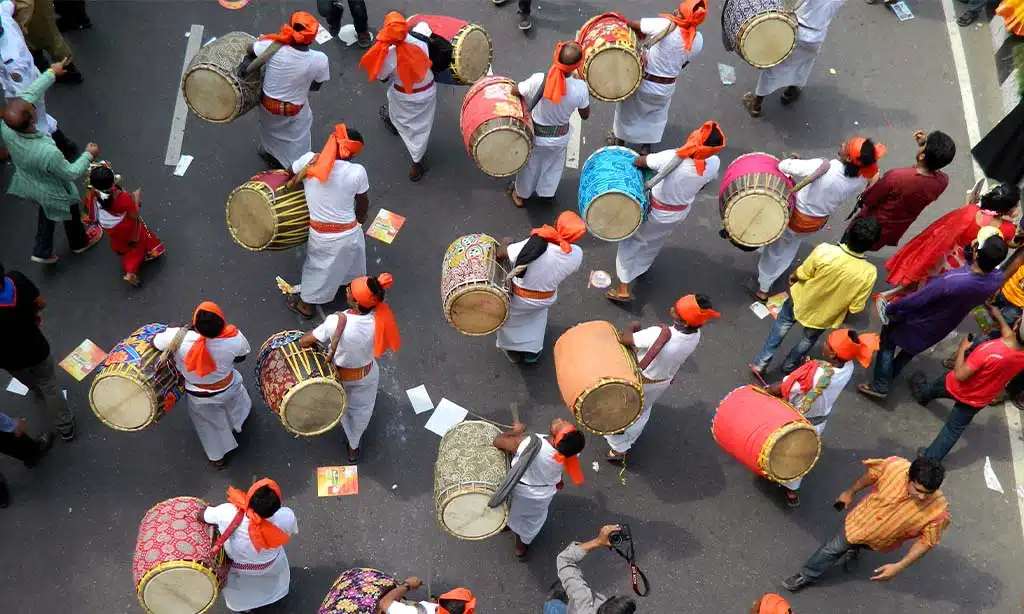
Pohela Boishakh marks the start of the Bengali New Year. It has deep roots in history and highlights the rich culture of Bangladesh.
Origins and evolution
Pohela Boishakh has deep roots in Bengali culture. It marks the first day of the Bengali year. This celebration dates back to ancient times when farmers needed a new calendar for their harvests.
Over time, it turned into a vibrant festival reflecting unity and joy among the people.
The festival evolved to symbolize cultural identity and pride for Bengalis. Today, Pohela Boishakh shows how diverse communities can come together. It promotes harmony across different religions and social classes.
This event helps preserve traditions while celebrating the richness of Bengali heritage.
Significance to Bengali cultural identity
Pohela Boishakh plays a key role in Bengali cultural identity. The festival fosters unity among the Bangladeshi people. It promotes inclusivity and tolerance, values that are core to Bengali culture.
Celebrating this New Year brings joy and pride to all Bengalis, regardless of their religion or social class. Events during Pohela Boishakh break down barriers and encourage community spirit.
This celebration highlights the rich heritage of Bengal. Traditions from past generations come alive through rituals and festivities. People dress in bright clothes, enjoy traditional food, and participate in cultural programs.
These activities remind everyone of their roots as part of the Bengali nation. Pohela Boishakh symbolizes renewal and hope with the arrival of spring every year.
Celebration of Pohela Boishakh 1432
The celebration of Pohela Boishakh 1432 is vibrant and lively. People dress in colorful clothes, enjoy traditional foods, and take part in music and dance.
Events and activities
Pohela Boishakh 1432 is a time for joy and togetherness. Many events take place to celebrate this special New Year.
- Parades are vibrant and colorful. People dress in traditional clothes. They sing songs and dance through the streets, showing their cultural pride.
- Food stalls line the roads. Festive foods like panta bhat, hilsa fish, and sweets attract many visitors. Families gather to enjoy these tasty dishes together.
- Cultural programs happen in parks and stages. Artists perform music, dance, and drama related to Bengali heritage. These shows highlight stories of unity and hope.
- Many people buy new items for this day. Markets are full of shoppers looking for traditional clothes, handicrafts, and decorations. This boosts local businesses too.
- The day often starts with community gatherings at dawn. People visit rivers or lakes to wash away the past year’s troubles. Rituals like honoring ancestors show respect for history.
- Children play games in open spaces during the celebrations. They join in competitions that bring everyone closer together as a community.
- Pohela Boishakh is not limited to Bangladesh alone; it also happens in West Bengal. Bangladeshi expats celebrate worldwide, showcasing their ethnic identity no matter where they live.
- Art exhibitions display works by local artists during this time as well. Paintings and crafts reflect the rich heritage of Bengal while inviting conversations about cultural significance.
- Workshops about Bengali culture are common too, focusing on traditions like cooking or folk art techniques that keep customs alive among younger generations.
- Events promote harmony by welcoming people from all backgrounds regardless of religion or social class, highlighting inclusivity as a core value of Bengali culture.
Symbolism of unity and hope
Pohela Boishakh 1432 symbolizes unity and hope for the Bengali people. This festival brings together individuals from different religions and social classes. People celebrate with joy, showing their cultural pride.
The event promotes harmony in Bangladesh and West Bengal, highlighting core values of inclusivity and tolerance. During Pohela Boishakh, communities come together to share their traditions and customs.
Everyone feels a sense of belonging as they honor their roots.
The arrival of spring during this time also represents renewal of life. It offers fresh beginnings filled with optimism for the future. Celebrating Pohela Boishakh reminds everyone of their shared identity as Bengalis across borders.
This unity signifies strength against challenges faced by society today while preserving rich heritage and culture.
Reflection of cultural heritage
Bengali culture shines brightly during Pohela Boishakh. This festival is a rich display of traditions and customs. It shows the strong roots of the Bengali people. The celebration helps everyone remember their shared heritage, which is not affected by modern life.
Colorful processions, traditional foods, and music fill the streets.
Unity stands out at this event too. People from all backgrounds come together to celebrate. They break barriers of religion and social class during Pohela Boishakh. The festival fosters harmony among Bengali communities.
Each activity reflects cultural pride and inclusivity, reminding everyone of what it means to be part of this vibrant culture in Bangladesh and West Bengal.
Pohela Boishakh 1432 and its Cultural Significance
Pohela Boishakh brings people together, regardless of their backgrounds. It shows how different cultures can join hands in celebration and harmony.
Pohela Boishakh brings people together. It breaks barriers of religion and social class. All Bengali people celebrate this festival, no matter their background. The event shows the spirit of unity in Bangladesh and West Bengal.
People from different faiths join hands during the New Year celebration. They share joy and cultural pride on this day.
This festival promotes harmony among communities. It allows everyone to enjoy traditions side by side. Inclusivity is a core value of Bengali culture, which Pohela Boishakh showcases well.
The celebration reminds all Bengalis about their rich heritage and shared identity.
Promotion of harmony and community
Pohela Boishakh 1432 promotes harmony and builds community among Bengali people. The festival invites everyone, regardless of their religion or background. It breaks barriers that often divide society.
People celebrate together with joy and pride in their culture. This unity reflects the core values of Bengali identity.
The event fosters a sense of belonging and togetherness. During Pohela Boishakh, neighbors share meals and participate in activities that showcase their heritage. Music, dance, and traditional foods create an atmosphere of inclusivity.
As a result, it strengthens bonds between families and friends while honoring shared traditions.
Preservation of Bengali traditions and customs
Bengali traditions and customs are key parts of Pohela Boishakh. This festival helps preserve the rich heritage of Bengal. It brings together people from different backgrounds to celebrate their roots.
The celebration shows how important cultural unity is among Bengali people. Joy fills the air during this time, as everyone shares in traditional foods, music, and dances.
Events like fairs and parades showcase age-old practices. These activities keep customs alive while promoting harmony. They break barriers between religions and social classes. Such inclusivity shines a light on core values of Bengali culture.
These celebrations remind people about their identity as part of a larger community, reinforcing the meaning behind Pohela Boishakh: renewal and continuity of cherished traditions.
The Meaning of Pohela Boishakh
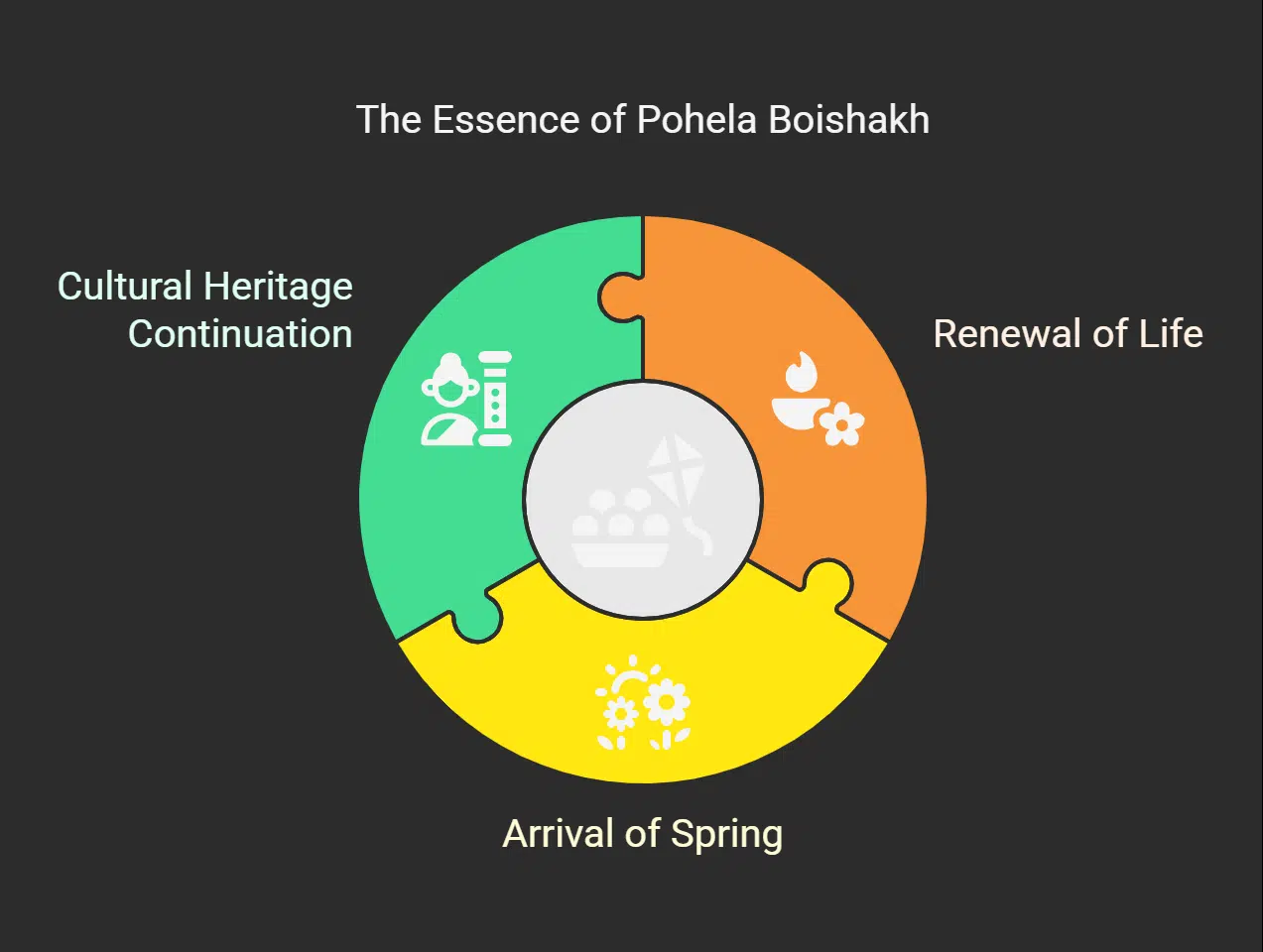
Pohela Boishakh 1432 marks the start of a new year and celebrates life. It shows the arrival of spring with fresh hope. This festival helps keep Bengali culture alive and strong. Want to learn more about this vibrant celebration?
Renewal of life
Spring is a time of renewal. Pohela Boishakh marks this change. It brings fresh hope and new beginnings for many Bengali people. The festival celebrates life and joy as nature awakens after winter.
Flowers bloom, and trees become green again.
People enjoy this season with bright clothes and festive meals. They gather in community events to share laughter and happiness. This spirit of unity helps break barriers between religion or social class.
Everyone joins hands to celebrate their shared Bengali culture, showing the beauty of cultural unity and identity during Pohela Boishakh.
Arrival of summer
Pohela Boishakh marks the arrival of summer. This season brings fresh flowers and bright colors to Bengali lands. It fills the air with warmth and joy. People feel a sense of renewal during this time.
The festival celebrates life and new beginnings, which reflects Bengali cultural unity and identity.
Festivals show how deep-rooted traditions thrive in Bengali culture. Pohela Boishakh connects people to their heritage while welcoming change. It reminds everyone of their shared roots, promoting harmony among different groups.
As nature blooms, so does the spirit of community among Bengalis everywhere.
Continuation of cultural heritage
Cultural heritage lives on during Pohela Boishakh. This festival helps keep Bengali roots alive. It is a time for families to come together and celebrate their history. People share stories about old traditions and customs.
Through music, dance, and food, they show the richness of their culture.
This celebration also holds great meaning. It reminds people of their values as a Bengali nation. Inclusivity and tolerance shine during this time, breaking barriers between different groups.
Regardless of religion or social class, everyone can join in the fun. The spirit of unity grows stronger each year at Pohela Boishakh, showing how it reflects Bengali cultural unity and identity.
Takeaways
Pohela Boishakh 1432 shows the strength of Bengali culture. It brings people together, no matter their background or beliefs. The festival celebrates life and spring while honoring traditions.
Joy and unity fill the streets as Bengalis embrace their roots. This day reminds all who participate of the rich identity they share as a people.
FAQs on Pohela Boishakh 1432
1. What is Pohela Boishakh?
Pohela Boishakh is the first day of the Bengali New Year, celebrated with great fervor in Bengal and among Bengalis worldwide.
2. How does Pohela Boishakh reflect Bengali cultural unity?
Through shared customs and celebrations during Pohela Boishakh, it reflects a strong sense of unity among all Bengalis irrespective of their geographical locations or social status.
3. Can you explain how Pohela Boishakh showcases the identity of Bengali culture?
The unique traditions such as wearing new clothes, feasting on special dishes, attending cultural programs and processions distinctly showcase the rich heritage and identity of Bengali culture during Pohela Boishakh.
4. Why is celebrating Pohela Boishakh important to maintain cultural unity and identity?
Celebrating Pohela Boishakh helps in preserving traditional values, promoting a sense of pride in one’s roots, thereby reinforcing both cultural unity and identity among the global Bengali community.