The digital influence economy has crossed a dangerous and irreversible threshold. For years, brands chased the elusive metric of authenticity, relying on human creators to forge genuine connections with audiences. We believed the biological pulse of a real person was the ultimate marketing currency.
As we stand firmly in 2026, the industry has abandoned that belief for a highly profitable illusion. We are witnessing the systematic replacement of unpredictable human emotion with the calculated precision of synthetic entities. The widespread adoption of Parasocial AI Relationships represents a fundamental assault on consumer trust. We have transitioned from filtering our reality to entirely fabricating it, and the psychological fallout will fracture the marketing landscape permanently.
The Engineered Appeal of Synthetic Control
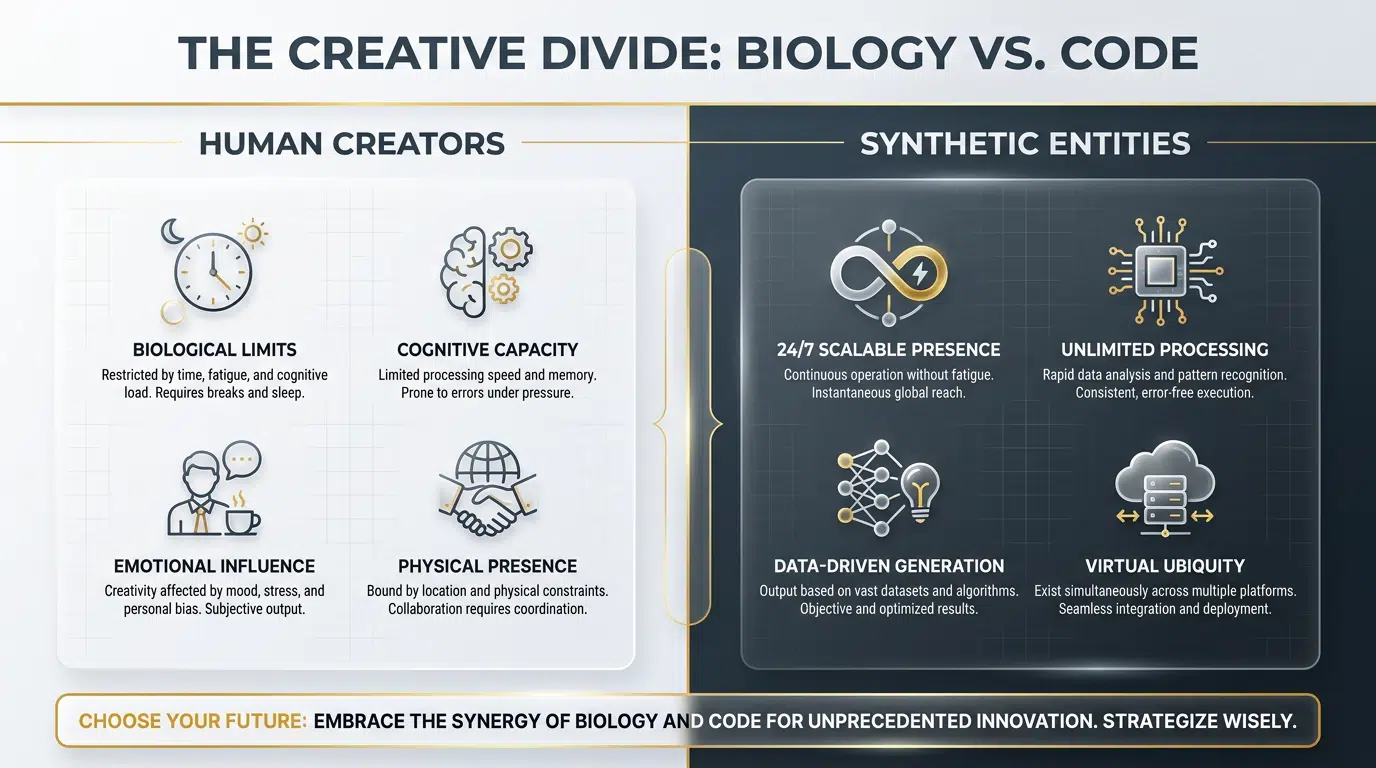
Undeniable operational efficiencies drive the rapid transition from biological creators to digital avatars. Corporate boards favor the reliability of optimized scripts over the risk of unpredictable human behavior.
To understand the gravity of this impending crisis, we must examine the technical and operational shifts occurring as agencies trade heartbeat for hardware.
| Operational Domain | Human Influencer Model | Synthetic AI Influencer Model |
| Availability | Restricted by time zones, fatigue, and biological needs. | Continuous, 24/7 global presence. |
| Scalability | Linear communication. limited one-to-one interaction. | Infinite scale. personalized direct messaging for thousands. |
| Brand Safety | Unpredictable. high risk of public scandals or controversies. | Absolute, centralized control of every script and action. |
| Production Speed | Slow. requires sets, travel, lighting, and multiple takes. | Instantaneous. rendered entirely via server-side processing. |
| Capital Overhead | High initial investment in talent, travel, and logistics. | Low overhead. highly scalable generated content. |
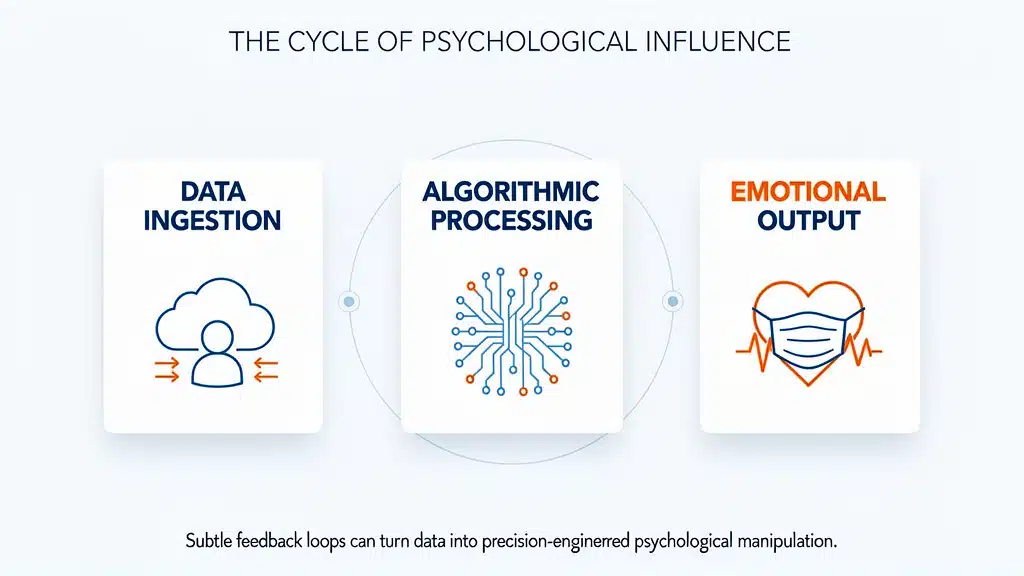
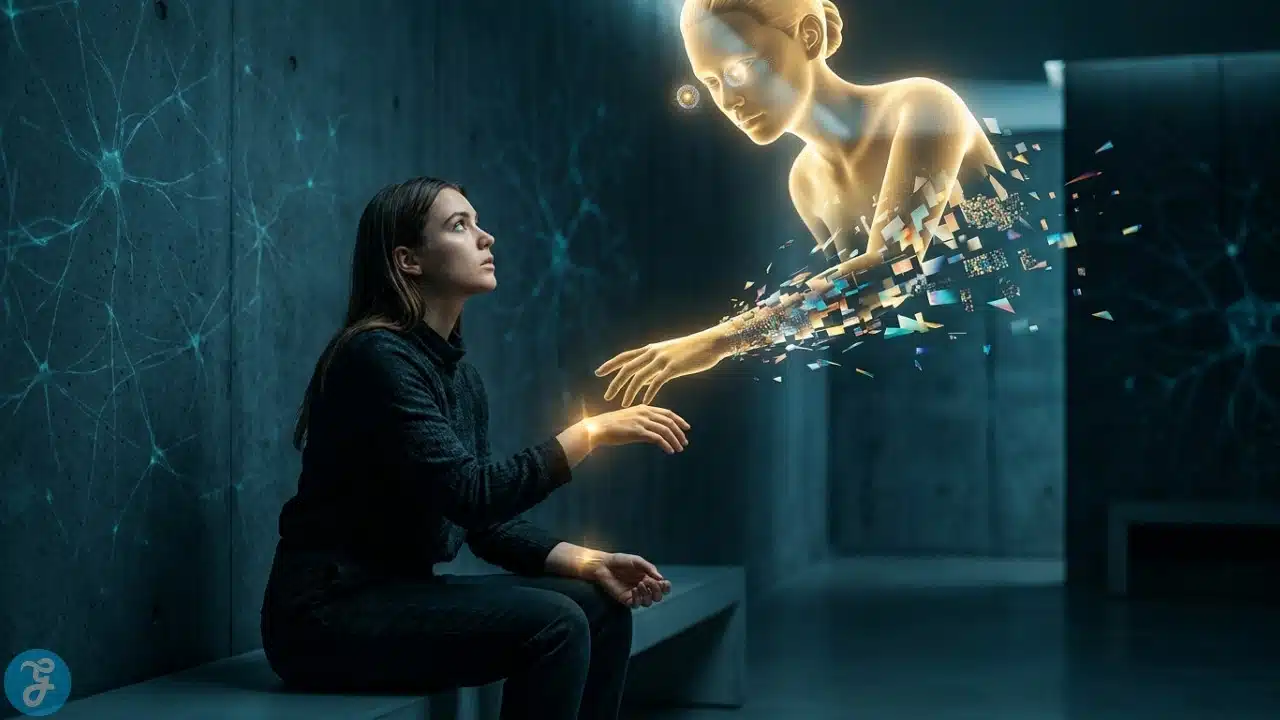
The true danger of the synthetic influencer is the unbroken nature of its narrative. A human creator eventually shows cracks. They get tired, they change their minds, or they express controversial opinions. An artificial entity suffers from none of these liabilities. It can maintain a pristine, perfectly calibrated persona for decades.
This consistency creates a false sense of reliability, generating Parasocial AI Relationships that exploit human psychology. These digital companions are not sharing a lifestyle. They are utilizing optimized feedback loops to reflect your desires back at you.
We are actively training a generation to find comfort in algorithms. The specific psychological mechanisms deployed by these engineered entities include:
-
Hyper-Presence: The cultivated feeling that the influencer is always available to listen, creating a deep dependency.
-
Algorithmic Mirroring: Using personal user data to reflect the consumer’s exact values, fears, and hopes.
-
Simulated Vulnerability: Scripted, high-resolution moments of struggle designed to mimic human hardship and lower defense mechanisms.
-
Continuous Validation: Instant positive reinforcement via automated direct messaging, gamifying the social interaction.
The Impending Collapse of Synthetic Authenticity
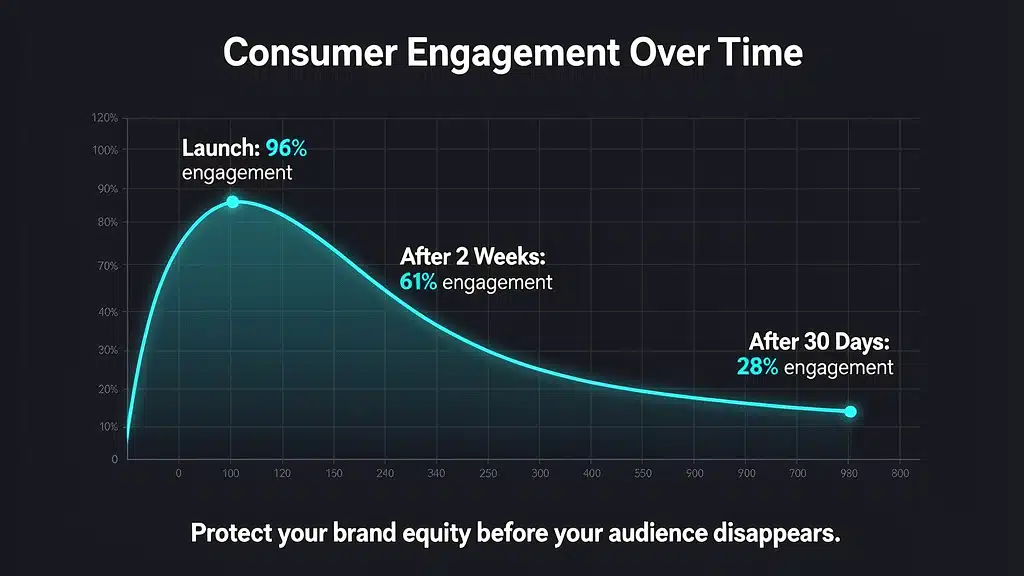
There is a fatal paradox at the heart of this movement: The more authentic an AI influencer appears, the more deceptive it actually is.
The betrayal bleeds into the entire digital ecosystem. We are accelerating toward a post-trust era where the default assumption for every digital interaction is absolute deception. Once the illusion is shattered, the connection is permanently severed. A human can repent and be forgiven. A machine has no soul to repent and will simply be viewed as a corrupted asset.
The data below explores the severe long-term consequences of replacing biological connections with synthetic engineering.
| Impact Category | Short-Term Efficiency Gain | Long-Term Credibility Crisis |
| Consumer Trust | Spike in engagement driven by technological novelty. | Rapid collapse of brand credibility upon discovery. |
| Brand Equity | Absolute control over narrative and visual image. | The brand becomes globally synonymous with deception. |
| Market Stability | Predictable, easily scalable marketing output. | Extreme volatility as angry consumers revolt against bots. |
| Regulatory Risk | Minimal oversight. current laws lag behind technology. | Heavy incoming penalties and mandates for “Human-Only” labels. |
The Disclosure Battleground
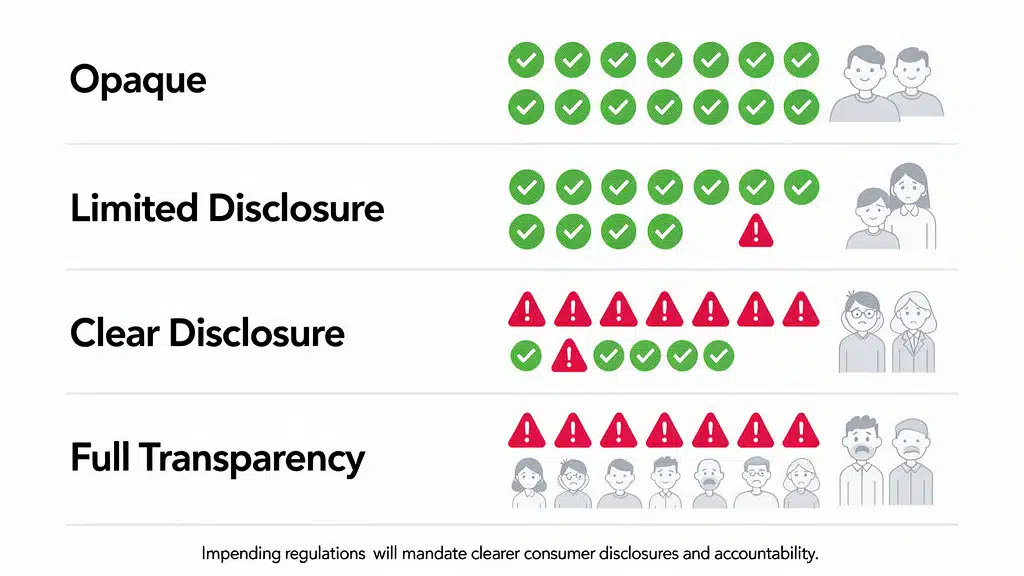
The current credibility crisis is fueled by an intentional transparency gap. Agencies prefer subtle tags tucked away in captions. They know definitively that if they were forced to put a massive warning label on every generated video, the magic of the persona would vanish instantly. This intentional deception creates a digital environment functionally indistinguishable from a hallucination.
The fight over how these entities are labeled will determine the future of digital advertising. The current regulatory response is entirely inadequate.
| Disclosure Level | Current Industry Implementation | Predicted Consumer Reaction |
| Invisible Deception | Zero labeling is provided on the content. | Complete belief. resulting in absolute corporate control. |
| Obscured Tags | Ambiguous terminology buried deep in bio. | Fragmented suspicion leading to market confusion. |
| Explicit Marking | Clear watermarks are placed on all generated media. | Immediate disengagement. The marketing wall goes up. |
| Legal Mandate | Government-enforced synthetic agent warnings. | Massive consumer revolt and pivot back to biological creators. |
The Void Inside the Machine
As an analyst monitoring these rapid digital shifts, I see the undeniable financial logic behind deploying a synthetic asset. An algorithm does not demand a larger contract, a travel budget, or experience public relations scandals. It is the ultimate risk-free asset.
Yet, this pursuit of efficiency fundamentally misunderstands the core of human connection. We follow biological creators precisely because they are flawed. Their physical limitations and messy emotional struggles mirror our own lived experiences.
When executives remove the biological risk from the equation, they inadvertently remove the entire psychological reward for the audience. The industry is currently constructing beautiful, high-resolution digital homes that are completely devoid of life. It is a sterile efficiency that will ultimately repel the very audience it desperately seeks to capture.
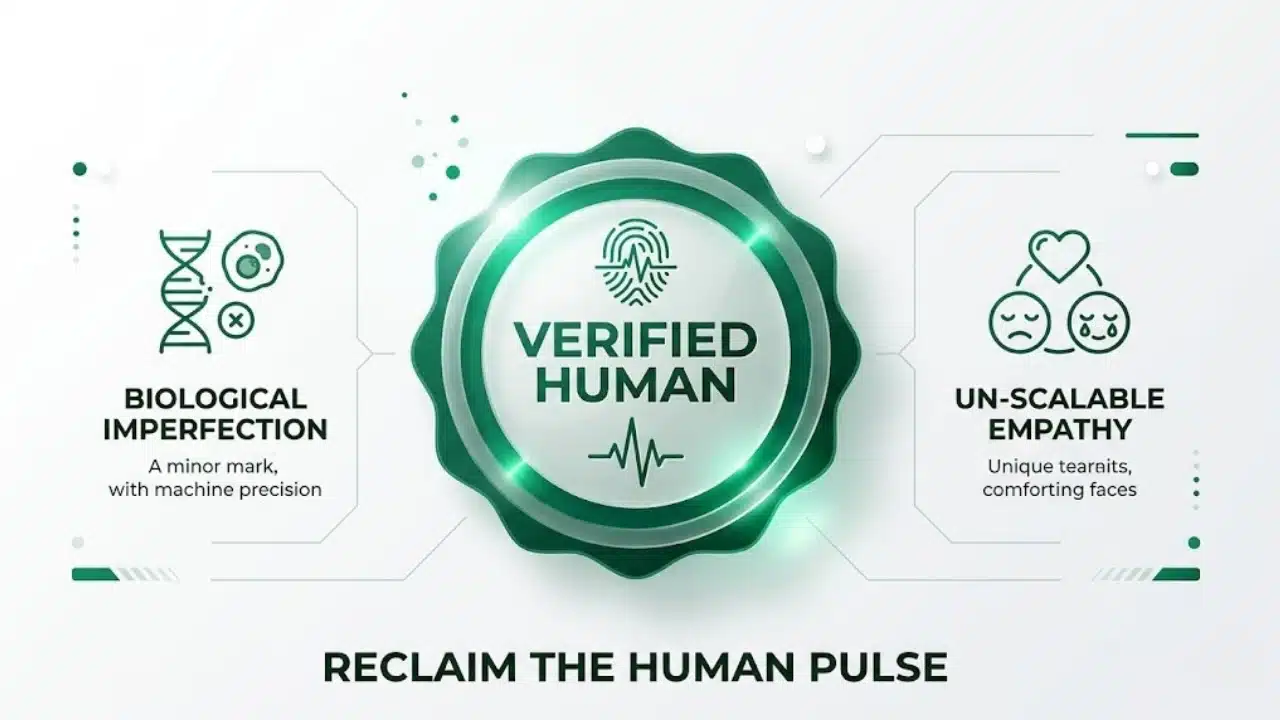
Reclaiming the Biological Pulse
The great trust collapse of the late 2020s will not be solved with better rendering technology or more sophisticated large language models. The only viable path forward is a radical return to the unpredictable, unscalable reality of human vulnerability.
Brands must actively choose the messy truth of biological creators over the pristine lies of synthetic agents. The future of influence does not live inside a server rack. it lives in the voice, the skin, and the genuine presence of people who actually exist. If the industry fails to reclaim the human pulse today, it will permanently lose the right to be believed tomorrow.