


Investing can be both rewarding and intimidating. While the potential for financial growth excites many, the emotional pitfalls of fear and greed can derail even the most seasoned investors.
Learning how to overcome fear and greed in investing is crucial for maintaining discipline, maximizing returns, and achieving long-term financial success.
This guide delves into actionable strategies, expert insights, and practical tools to help you navigate the psychological challenges of investing.
Understanding Fear and Greed in Investing
The Psychology of Investing
Fear and greed are natural human emotions that often dictate investment decisions. Fear can lead to premature selling, missed opportunities, and an aversion to risk. On the other hand, greed might push investors toward overleveraging or chasing unsustainable returns. Understanding these emotions is the first step in mastering them to overcome fear and greed in investing effectively.
Common Triggers:
- Fear: Market volatility, economic downturns, or news of financial crises.
- Greed: Bull markets, hype around “hot stocks,” and the fear of missing out (FOMO).
Real-Life Insight:
A 2022 study by the Financial Behavior Institute revealed that 68% of retail investors made emotionally driven decisions during market crashes, significantly impacting their portfolio performance. Recognizing these patterns is key to learning how to overcome fear and greed in investing.
The Impact on Portfolio Performance

When fear and greed influence decisions, portfolios suffer. Emotional investing often results in buying high and selling low, the opposite of what leads to success. Studies show that investors who maintain emotional discipline outperform those swayed by short-term market sentiments. To overcome fear and greed in investing, emotional stability is critical.
Data Point:
According to Morningstar, disciplined investors who followed a long-term strategy earned 2-3% higher annualized returns compared to those who frequently adjusted portfolios based on market news.
Recognizing Your Emotional Biases
Identifying patterns in your behavior can help you pinpoint emotional investing tendencies and overcome fear and greed in investing more effectively.
Signs of Fear-Driven Investing:
- Panic-selling during market downturns.
- Avoiding investments with moderate risks, even if they align with your goals.
Signs of Greed-Driven Investing:
- Overconcentration in high-risk assets.
- Ignoring red flags in pursuit of outsized returns.
Actionable Tip:
Keep a journal to document your investment decisions and emotions. Reviewing past entries can help identify patterns and improve future choices to overcome fear and greed in investing.
8 Strategies to Overcome Fear and Greed in Investing
1. Create a Clear Investment Plan
A well-defined investment plan acts as a roadmap, reducing emotional decision-making and helping you overcome fear and greed in investing.
Importance of a Defined Strategy:
- Aligns investments with your financial goals and risk tolerance.
- Provides a framework for responding to market fluctuations.
Components of a Strong Investment Plan:
- Risk Tolerance: Decide how much risk you’re comfortable with.
- Diversification: Spread investments across sectors and asset classes.
- Time Horizon: Match investments to your financial timeline.
Example:
An investor planning for retirement in 20 years may allocate a higher percentage to equities while maintaining a portion in bonds for stability.
Sample Asset Allocation Based on Risk Tolerance
| Risk Level | Equities | Bonds | Real Estate | Alternatives |
| Conservative | 30% | 50% | 10% | 10% |
| Balanced | 50% | 30% | 10% | 10% |
| Aggressive | 70% | 20% | 5% | 5% |
2. Practice Portfolio Diversification
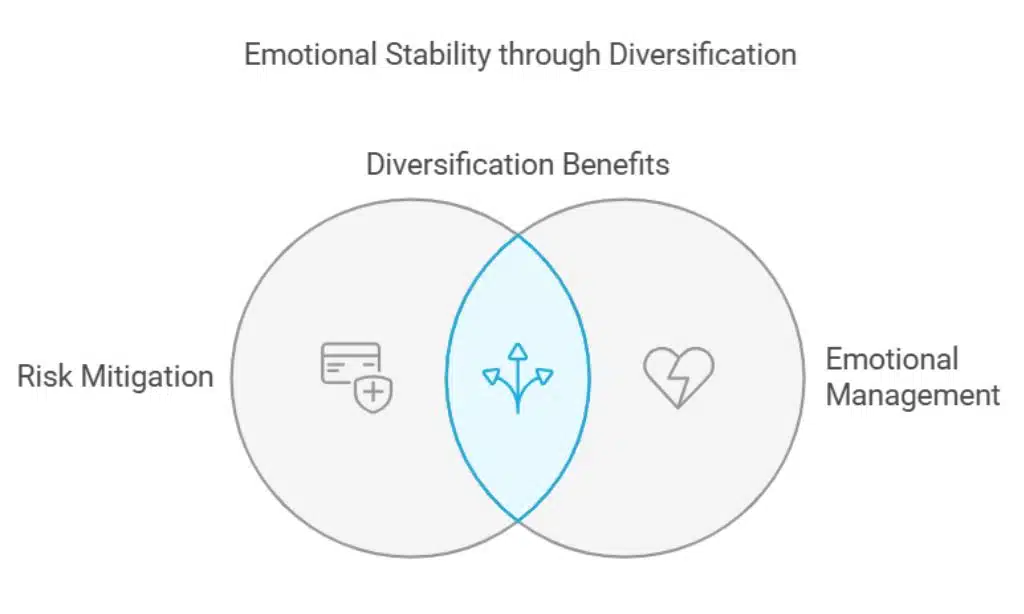
Diversification is a fundamental strategy to mitigate risks and manage emotions during market ups and downs, helping you overcome fear and greed in investing.
Benefits of Diversification:
- Reduces exposure to any single asset’s performance.
- Helps stabilize returns over time.
Real-Life Example:
During the 2008 financial crisis, portfolios diversified across global markets and bonds experienced smaller losses compared to those concentrated in U.S. equities.
Additional Tip:
Rebalance your portfolio annually to maintain your desired allocation and stay on track to overcome fear and greed in investing.
3. Set Realistic Expectations
Unrealistic expectations often fuel greed or fear. Understanding market norms can keep your emotions in check and help you overcome fear and greed in investing.
Key Points:
- Long-term market returns average around 7-10% annually.
- Avoid expecting quick riches from high-risk investments.
Practical Tip:
Use tools like historical return calculators to set informed expectations. Platforms such as Editorialge offer resources for understanding market performance and overcoming fear and greed in investing.
4. Establish Automatic Investment Rules
Automating your investments removes emotional decision-making from the equation, a proven way to overcome fear and greed in investing.
Benefits:
- Encourages consistent investing through dollar-cost averaging.
- Reduces the temptation to time the market.
Example:
Set up monthly contributions to an index fund, ensuring steady investments regardless of market conditions. This consistent approach can help you overcome fear and greed in investing.
5. Stay Informed, Not Overwhelmed
While staying updated is essential, excessive information can lead to analysis paralysis and emotional reactions. Managing this balance is key to overcoming fear and greed in investing.
Practical Tips:
- Limit the number of news sources you follow.
- Focus on credible platforms and avoid sensational headlines.
Recommended Tools:
| Platform | Features | Benefit |
| Bloomberg | Real-time financial news | Credible insights |
| Morningstar | Market analysis | Data-driven decision-making |
| Editorialge | Investment tips & trends | Digestible market updates |
6. Adopt a Long-Term Perspective
Investing with a long-term mindset helps you weather short-term market volatility and overcome fear and greed in investing.
Key Actions:
- Focus on historical market trends showing recovery after downturns.
- Avoid checking your portfolio excessively.
Real-Life Example:
Investors who held onto their S&P 500 index funds during the 2020 COVID-19 market crash saw a 70% recovery within two years. This resilience is key to overcoming fear and greed in investing.
7. Practice Mindfulness and Emotional Discipline
Mindfulness techniques can help manage stress and keep your emotions in check, an essential aspect of overcoming fear and greed in investing.
Techniques:
- Meditation: Reduces anxiety and promotes clarity.
- Journaling: Tracks emotional triggers and investing decisions.
Additional Insight:
Engage with a financial coach or mentor to build emotional resilience and overcome fear and greed in investing more effectively.
8. Learn From Mistakes and Stay Flexible
Embracing past errors as learning opportunities helps refine your strategy over time and overcome fear and greed in investing.
Action Steps:
- Conduct post-investment analyses to understand what worked and what didn’t.
- Adjust your portfolio to reflect changing financial goals or market conditions.
Example:
An investor who faced losses during the 2022 tech stock downturn diversified their portfolio, resulting in steadier returns in 2023. This adaptability is crucial to overcoming fear and greed in investing.
Practical Tools to Support Emotion-Free Investing

Tools for Emotion-Free Investing
| Tool Name | Features | Benefits | Cost |
| Robo-Advisors | Automated portfolio management | Reduces emotional influence | Varies by platform |
| Market Analysis Apps | Real-time data and trends | Informed decision-making | Free to Premium |
| Financial Planners | Personalized advice | Helps align with goals | Hourly/Retainer |
Takeaway: Invest Smarter by Mastering Fear and Greed
Overcoming fear and greed in investing is essential for building a disciplined approach to financial growth. By creating a clear plan, diversifying your portfolio, and leveraging tools for emotion-free investing, you can navigate market fluctuations with confidence.
Remember, the key to long-term success is emotional discipline combined with strategic action. Take the first step today to overcome fear and greed in investing and achieve your financial goals with clarity and confidence.






















