

Poor equipment effectiveness is one of the biggest problems facing manufacturers today. It leads to lower production rates, higher costs, and a host of other issues that can have a negative impact on your bottom line. But improving your OEE doesn’t have to be hard!
There are several easy ways you can improve your overall equipment effectiveness (OEE) with just these 6 simple steps:
Know what drives your OEE
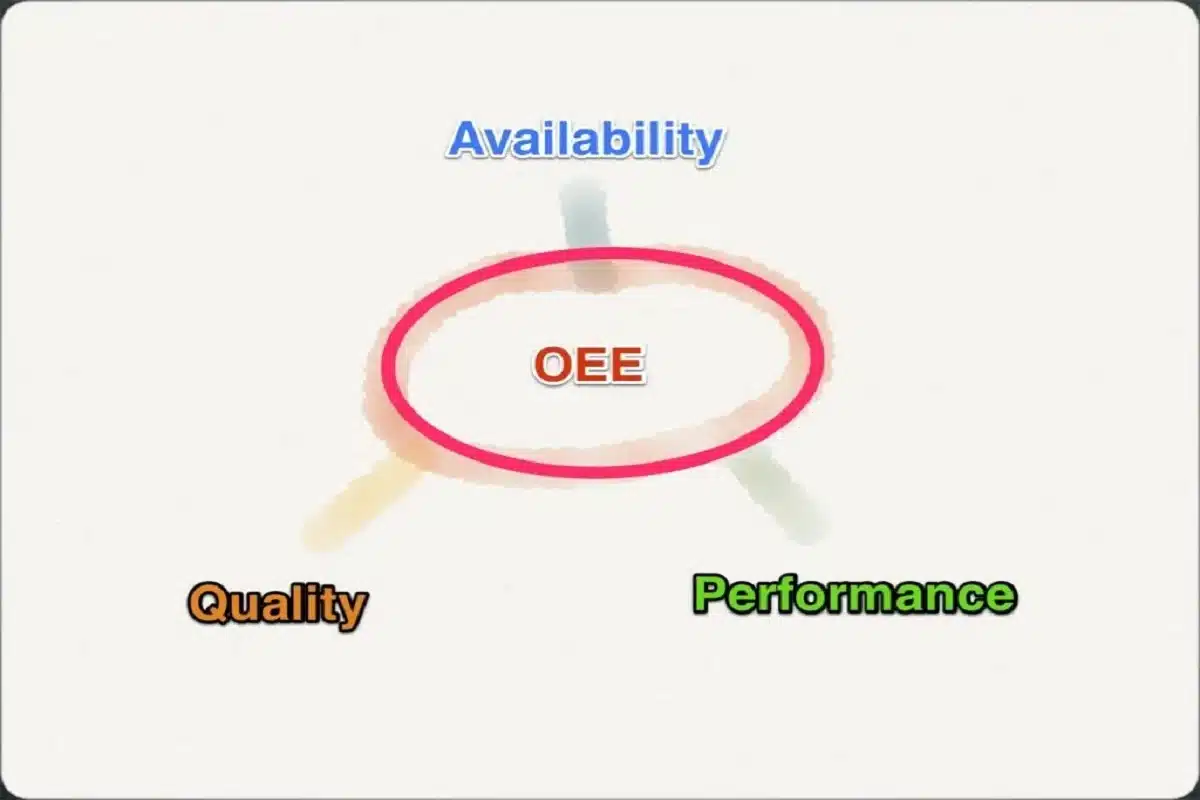
Once you know what it is, OEE can be measured using three components: Availability, Quality, and Efficiency.
If you have a sense of your current OEE, then work on improving each component to achieve a higher overall OEE. To do this, make sure to track the following key metrics:
- Availability – How often are machines running? Are they down for planned maintenance or unexpected downtime? Do you have a machine downtime tracking solution in place?
- Performance – What percentage of time is spent working on a product (versus moving product from one station to another)? Is there room for improvement on process flows or equipment capabilities?
- Quality – What percentage of products are defective? What steps could be taken to improve quality control?
Check the actual cycle time against the theoretical cycle time
Check the actual cycle time against the theoretical cycle time. While it’s important to know your theoretical cycle time, you should also be able to tell if there are any issues with parts being processed more slowly than expected. If your actual cycle times are higher than expected, then it may be due to a problem with machines or operators that need to be addressed.
If your actual cycle times are lower than expected, then there could be a problem with the quality of parts being processed more slowly than expected. This is where it’s important to know both theoretical and actual cycle times.
Establish standards and policies that ensure they are followed religiously
Establishing standards and policies is a good thing. Don’t be afraid of having too many standards, or too many policies, or too many standards and policies. If you have established a robust set of SOPs (Standard Operating Procedures) that all employees adhere to religiously, who’s going to argue with that? They’ll probably thank you because they know they can trust everyone else not to cut corners or make mistakes if everyone is following the same rules.
And when someone does violate an SOP or two in some small way—like not wearing their safety goggles when working on a project—you won’t need to punish them; just remind them gently of how important it is for them to follow the rules so no one gets hurt.
After all, if everyone is following the same rules and procedures, how can you not be successful?
Make sure you have the right people in charge of improving equipment performance
You can’t improve equipment performance unless you have the right people in charge of doing it.
If you don’t have the right people in charge of improving equipment performance, your company won’t be able to get anywhere with its OEE efforts. Make sure that you have the right people in charge of improving equipment performance before starting any OEE programs or initiatives.
To make sure you have the right people in charge of improving equipment performance, it’s important to know exactly what type of skills are required for this position. The most effective type of person for improving equipment performance is someone who can be objective and unbiased. Objective observers can identify problems with equipment quickly because they have no personal investment in either its success or failure.
If an employee has a personal stake in equipment performance, he or she may be more likely to overlook obvious issues because of feelings about those machines. For example, say that one employee feels very strongly about the importance of keeping production lines running at maximum efficiency.
Create a culture where people feel empowered to report problems with equipment, even if those problems aren’t their fault
You can go a long way toward encouraging people to report problems with the equipment by creating a culture where people feel empowered to report them. They’ll be more likely to do so if they feel the following:
- That their concerns will be taken seriously
- That they will be rewarded for doing so (such as by being allowed to take more time away from work)
- That they won’t be punished for doing so.
Take steps to ensure that all employees know about and understand these policies clearly. This will set expectations for what’s expected when an issue arises.
Keep metrics data easily accessible and visually appealing for everybody in your organization
Keep metrics data easily accessible and visually appealing for everybody in your organization. Keeping the report simple and easy to understand makes it easy for everyone to use, no matter their technical skills or level of training. It also helps ensure that data is current and up to date, so you can quickly respond when problems arise.
The report should be easy to find, easy to share with others internally and externally, easy to print as needed (even though many of us don’t do this anymore), and even easier than that for someone else within your organization who may need access for some reason (but didn’t know how).
Additionally, make sure that any reports are exportable so you can share them with other departments or external parties if applicable. This makes it easier on those who need access but aren’t familiar with internal systems or don’t have the time/resources available internally; they’ll already have everything they need!
And lastly: make sure emails containing said reports go directly into inboxes rather than spam folders—we live in an era where everyone has multiple devices they use regularly at work so there’s no excuse for not sending out regular updates via email!
You can improve your OEE by following these 6 steps from product experts in the field and using an effective OEE improvement strategy.
Conclusion
If you have the right tools and resources, OEE can be a powerful tool for improving your business. It’s important to remember that OEE is not just a number—it’s a way of thinking about your equipment and processes so that you can make them work better for you. By following these steps, you’ll be able to improve your overall performance in no time!






















