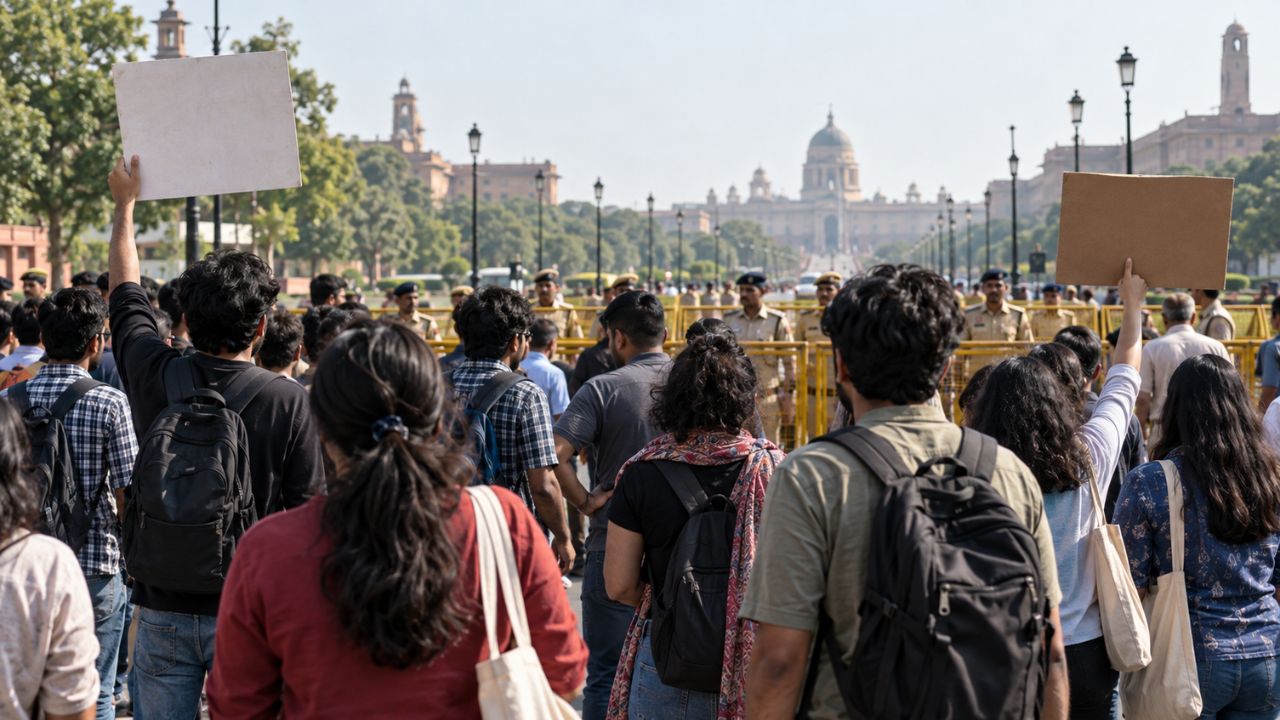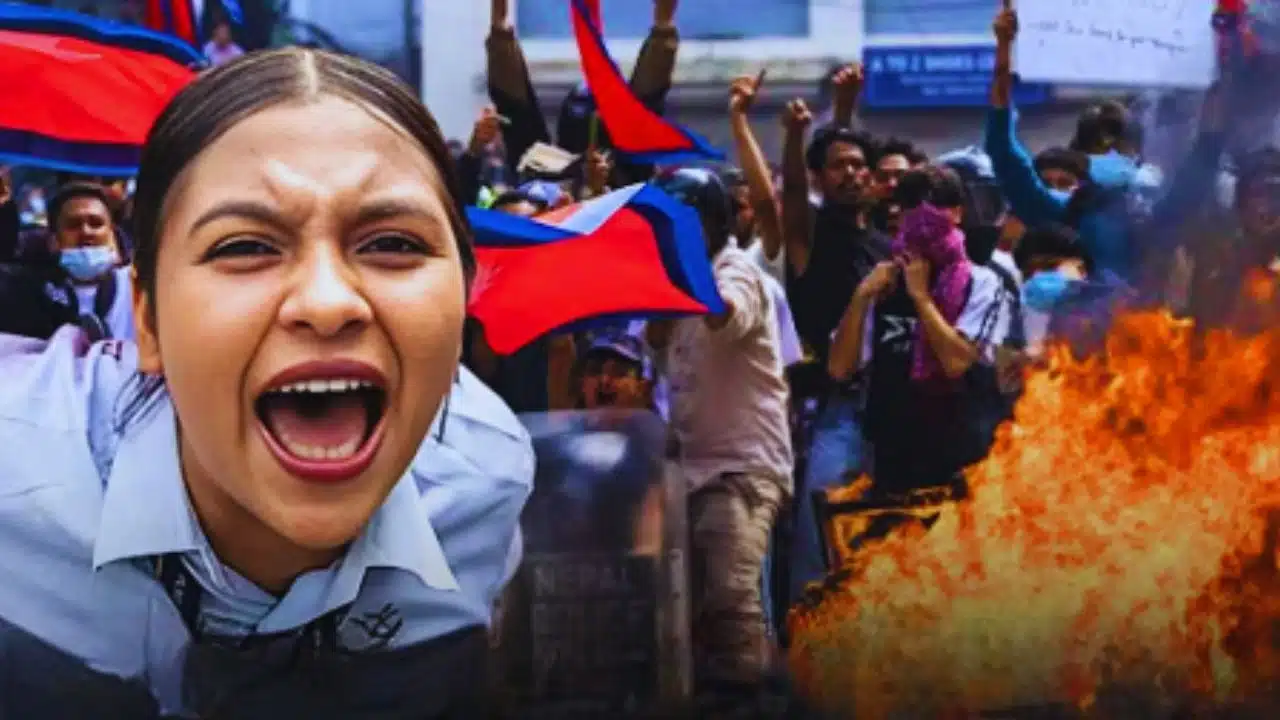
Nepal plunged into its worst political crisis in years as Prime Minister K. P. Sharma Oli resigned on September 9, 2025, bowing to mass demonstrations led primarily by young citizens. His resignation followed two days of escalating violence, during which protesters stormed the Parliament building, breached Singha Durbar (Nepal’s central administrative complex), and targeted the residences of senior political leaders.
The unrest was initially triggered by the government’s ban on 26 social media platforms—including Facebook, X (formerly Twitter), YouTube, and WhatsApp—but quickly transformed into a broader anti-corruption and anti-establishment movement led by Gen Z.
According to official and media reports, at least 19 protesters were killed in clashes with security forces, while over 300 people sustained injuries. The scale of the demonstrations, coupled with Oli’s resignation, has now left Nepal at a political crossroads.
How the Crisis Began: The Social Media Ban and Youth Discontent
The government’s decision to block major social media platforms on September 4 was the tipping point. Authorities claimed the platforms failed to comply with mandatory registration rules, but young Nepalis saw the move as an attack on free speech and digital freedom.
This was significant because Gen-Z—citizens born between the mid-1990s and early 2010s—make up a large share of Nepal’s population. They rely heavily on social media for education, activism, news, entertainment, and economic opportunities such as freelancing.
By September 8, thousands of students and young professionals ignored curfew orders and took to the streets of Kathmandu, Lalitpur, Bhaktapur, and other districts, openly defying restrictions on public gatherings.
Streets of Kathmandu Turn Into a Battlefield
Eyewitnesses described scenes of burning tires, road blockades, and chants against corruption in Kalanki and New Baneshwor. Protesters shouted slogans such as:
- “Don’t kill students”
- “KP Chor, Desh Chhod” (Oli is a thief, leave the country)
- “End corruption now”
Security forces responded with tear gas, rubber bullets, and live ammunition, escalating tensions further. By late evening, hospitals reported dozens of critical injuries.
The violence was not limited to the capital. Protests erupted in Pokhara, Birgunj, Itahari, Damak, and other urban centers, spreading faster than security agencies could contain.
Storming of Parliament and Breach of Singha Durbar
On September 9, the protests reached an unprecedented level when demonstrators stormed Parliament, forcing lawmakers to flee. They also broke into Singha Durbar, the highly secured government complex that houses the Prime Minister’s Office and several key ministries.
Drone footage showed thousands of protesters scaling gates, occupying courtyards, and waving placards. The breach symbolized a direct rejection of state authority by Nepal’s younger generation, fueling fears of a prolonged constitutional breakdown.
Political Leaders’ Residences Attacked
Anger also spilled over to the homes of current and former leaders. Reports confirmed:
- Stones were thrown at Communication Minister Prithvi Subba Gurung’s residence in Sunakothi.
- Former Prime Minister Pushpa Kamal Dahal “Prachanda”’s home in Khumaltar was vandalized.
- Demonstrators gathered outside Sher Bahadur Deuba’s residence in Budhanilkantha.
- The Bhaisepati home of Deputy Prime Minister Bishnu Paudel was attacked.
- Even the Nepal Rastra Bank Governor Biswo Paudel’s residence faced damage.
- Protesters torched Prime Minister Oli’s private residence in Balkot, Bhaktapur.
These coordinated attacks showed how deep public anger had become, directly targeting those blamed for corruption and mismanagement.
Gunfire Near the President’s Residence
Adding to the chaos, gunshots were reported near the President’s official residence on September 9. One person was injured in the firing, which heightened fears of a total security collapse.
Authorities confirmed investigations were underway, but the incident added to the perception that the government had lost control over the capital.
Military Helicopters and Emergency Evacuations
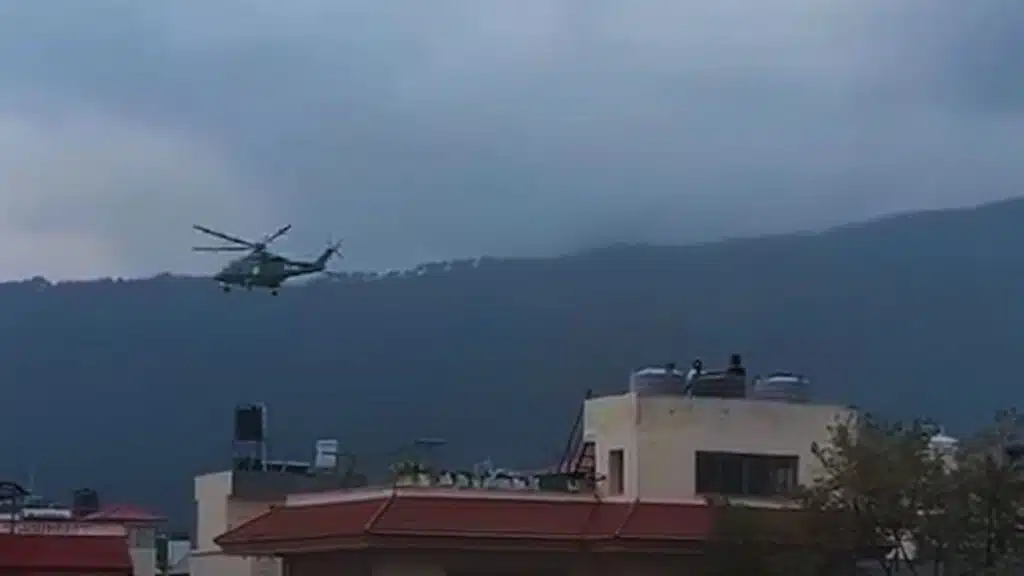
As ministers’ homes and government buildings came under attack, the Nepal Army deployed helicopters to evacuate officials and secure high-risk zones. Military presence increased in Kathmandu Valley, with checkpoints, barricades, and patrols visible across major intersections.
Unconfirmed media reports suggested the Army Chief himself advised Oli to step down, stating the military could not fully intervene until political leadership transitioned.
Mass Resignations Deepen Political Crisis
The political fallout spread quickly:
- 21 Members of Parliament from the Rashtriya Swatantra Party resigned en masse, demanding fresh elections and dissolution of parliament.
- Vice-Prime Minister and Home Minister Ramesh Lekhak resigned, taking moral responsibility for the deaths of protesters.
- Agriculture Minister Ram Nath Adhikari and several others also stepped down.
These resignations point to a deep fracture within the government and signal a possible collapse of the ruling coalition.
Airport Shutdowns and Border High Alert
The unrest also disrupted infrastructure and security operations:
- Tribhuvan International Airport in Kathmandu was shut down. Several flights were diverted to Indian cities like Lucknow.
- Border authorities in North Bengal, India, declared a high alert, ramping up security checks and preventing potential spillover of unrest into Indian territory.
This highlights the regional impact of Nepal’s domestic crisis, given its close links with both India and China.
Oli’s Resignation and What Comes Next
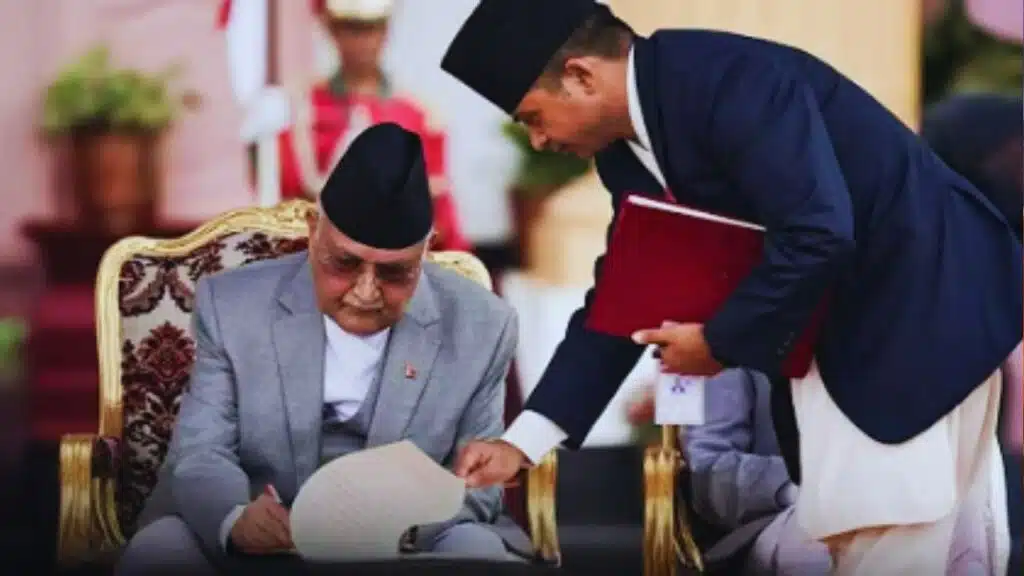
By evening on September 9, Oli announced his resignation, acknowledging the government’s failure to manage the crisis. His decision followed days of mounting pressure from opposition parties, the military, and youth protesters.
In a letter to the public, Oli expressed sadness over the deaths of protesters and promised an investigation committee to examine the causes of the unrest. But for demonstrators, this step is not enough. They are demanding:
- Dissolution of Parliament
- Fresh elections
- Accountability for corruption
- Greater representation of youth voices in governance
A Generation’s Uprising
These protests reflect more than anger at a social media ban—they represent a youth-driven demand for systemic change. Gen-Z, empowered by digital tools and tired of old political elites, has forced Nepal into an unprecedented moment of reckoning.
International observers are watching closely, warning that prolonged instability could impact regional security and foreign investment. Neighboring India and China, both heavily invested in Nepal, are monitoring the developments with concern.
The Information is Collected from News18 and NDTV.